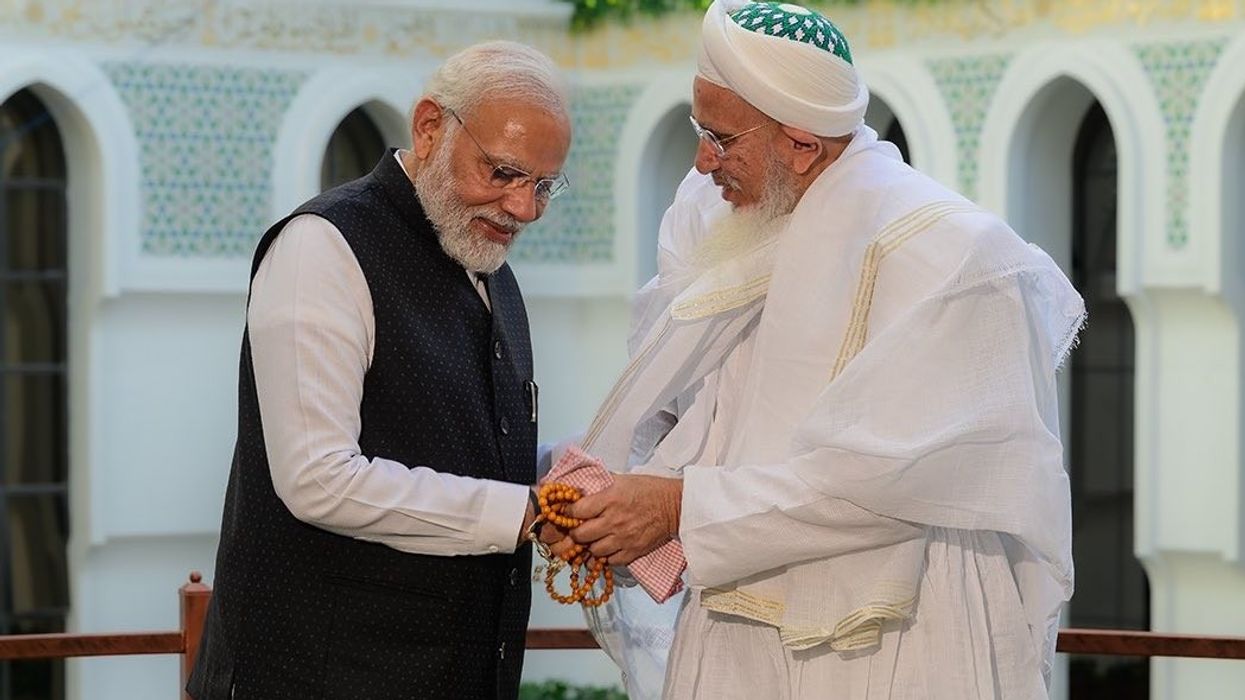

Prime Minister Narendra Modi on Friday said in the last few years an atmosphere of unprecedented trust has been created in the country as he sought to highlight his close ties with the influential Dawoodi Bohra group of the Muslim community and praised its members for changing with the times.
Presenting himself as a family member of the Dawoodi Bohra community and not as Prime Minister at an event at Marol in suburban Andheri, Modi fondly recalled his decades-old close ties with the social group.
He was speaking after inaugurating the fourth campus of Aljamea-tus-Saifiyah Arabic Academy, a premier educational institute of the Dawoodi Bohra community.
Under the guidance of Syedna Mufaddal Saifuddin, the current spiritual head of Dawoodi Bohras, the institute works to protect the learning traditions and literary culture of the community.
Modi referred to the improvement in the ‘Ease of Doing Business’ in India in the last eight-nine years and said the country has put an end to 40,000 compliances and decriminalised hundreds of legal provisions.
These laws adversely affected the businesses of entrepreneurs, but the government is now standing firmly with job creators, said the PM on his second visit to Mumbai in less than a month.
He touched upon the ‘Jan Vishwas Bill’ – introduced to reform 42 central Acts – and the ‘Vivad Se Vishwas’ scheme that seeks to end pending income tax litigations and instil confidence among business owners.
The PM also mentioned about this year’s Budget and said some of its provisions will put more money into the hands of employees and entrepreneurs.
“An atmosphere of unprecedented trust has been created in the last few years,” he said.
Modi said simplification of the patent process has helped the entire system a great deal.
Highlighting the increasing use of technology in the education sector, the PM said youths are being equipped with skills to deal with new challenges.
“Our youth are primed for tackling real-world problems and are actively finding solutions,” Modi said.
The PM spoke about a big fillip being given to medical education by his government and said a medical college is being opened in every district.
From 2004 to 2014, when the Congress-led UPA government was in office, 145 medical colleges were started in the country. But after he assumed office in 2014, more than 260 medical colleges have been set up, Modi said.
“In the last eight years, every week, one university and two colleges were opened in country,” he maintained and highlighted his government’s push to higher education.
He said a strong education system and a robust industrial ecosystem are equally important as they lay the foundation for bright future of a country.
Listing the new National Education Policy as a major reform in the education sector, Modi said the country needed a teaching system that is moulded in Indian ethos.
Underlining the importance of regional languages in education, he said engineering and medical courses can now be taken up in Indian languages.
He recalled the times when India used to be an important centre of higher learning and had renowned institutes like Nalanda and Takshashila, which drew students from around the world.
The PM said on one hand, the country is building modern infrastructure and on the other hand, it is investing heavily in social infrastructure.
In this year’s Union budget, a provision has been made to digitise ancient texts, he said.
The Prime Minister said every community, group or organisation is recognised by its ability to keep its relevance intact with changing times.
“On the parameters of adapting to changing times and development, the Dawoodi Bohra community has proved itself. Institutions like Aljamea-tus-Saifiyah are a living example of this,” he said.
Modi said he is attending the event as a family member and not as prime minister, and maintained he has been associated with the community for four generations.
“I am here as a family member, not as Prime Minister,” Modi asserted.
The PM elaborated on his long association with the Dawoodi Bohra community and said he has always got the affection of its members.
He also recalled his close association with the late Syedna Mohammed Burhanuddin.
Modi said before undertaking the historic Dandi March, Mahatma Gandhi stayed at the house of the leader of the Dawoodi Bohra community. The PM said on his request the house was given to the government to be converted into a museum.
“When I go somewhere not only in the country but also abroad, my Bohra brothers and sisters definitely come to meet me,” the PM said as he highlighted the love and concern of the Bohra community for the country.
(PTI)





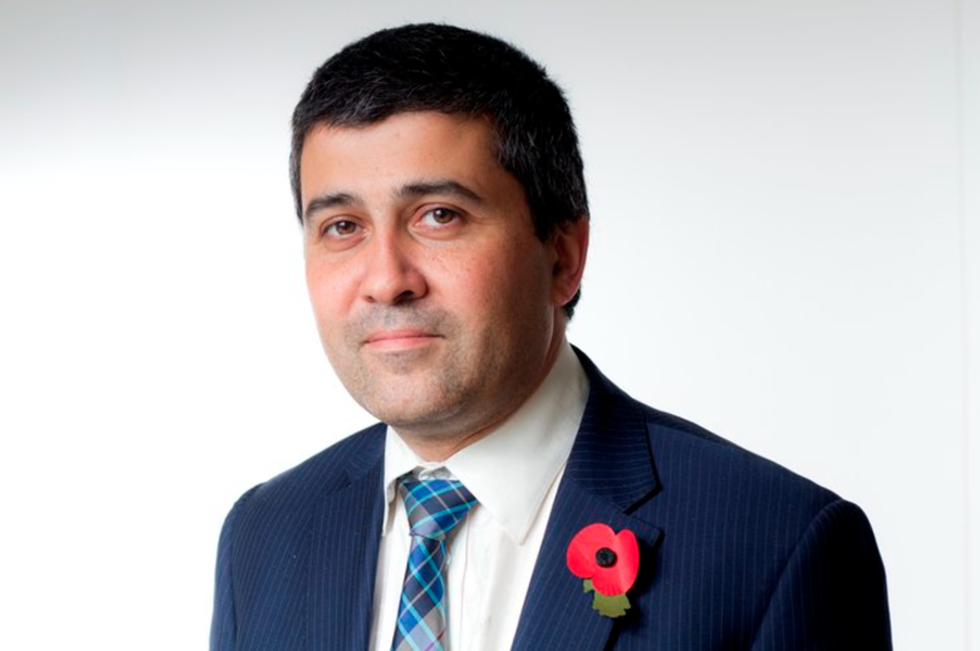 Sunder Katwala
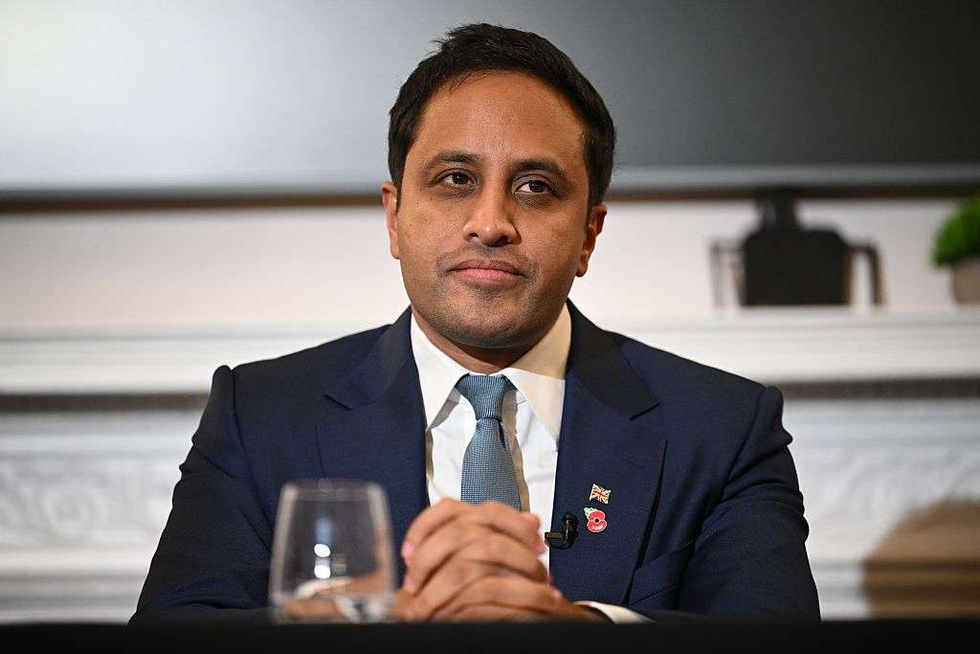 Reform UK spokesperson for home affairs, Zia Yusuf, attends a press conference with Leader of Reform UK Nigel Farage at The Clermont London Hotel on November 2, 2026 in London, United Kingdom. (Photo by Ben Montgomery/Getty Images)
 The decline has renewed calls for tighter immigration controls from the Conservatives.


