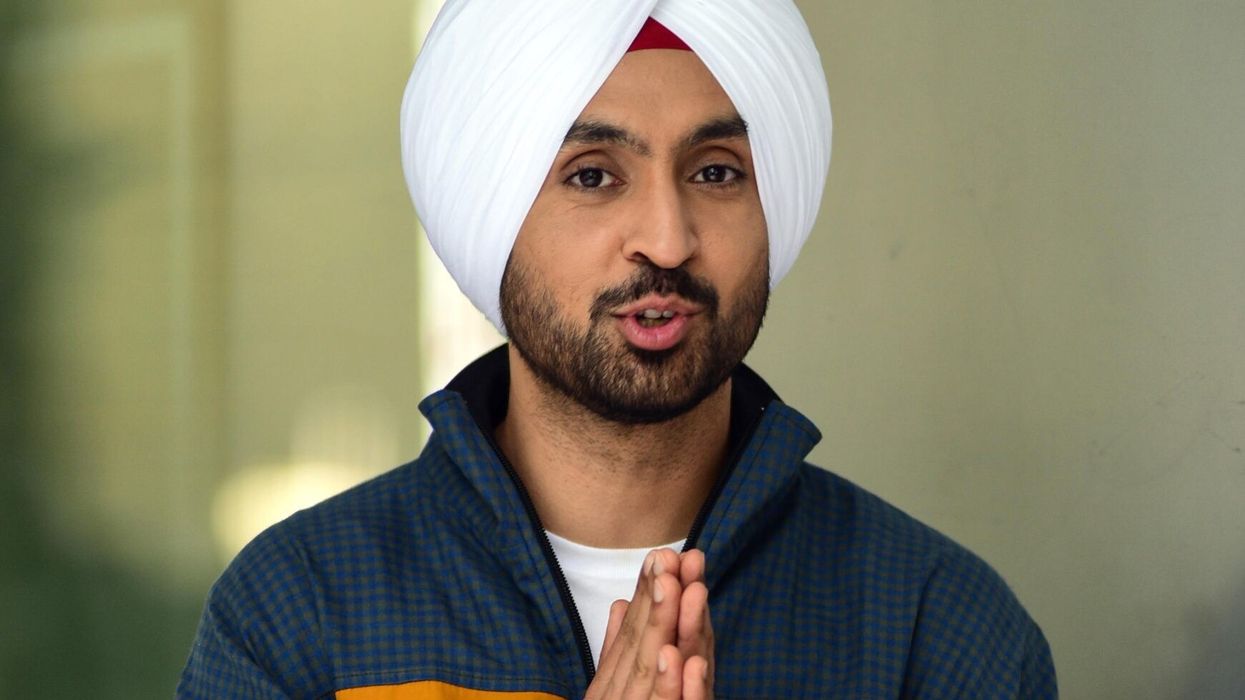
Sharmila Tagore
Sharmila Tagore began her career in 1959 with a Bengali film called Apur Sansar. She acted in six Bengali movies before making her Bollywood debut with Kashmir Ki Kali in 1964. Sharmila was last seen in Break Ke Baad in 2010. She won two National Film Awards for Mausam (1975) and Abar Aranye (2003) as well as two Filmfare Awards for Aradhana (1970) and Lifetime Achievement Award in 1998. She was a popular mainstream actress back in her time. Sharmila also received Padma Bhushan in 2013. She was the chairperson of the Central Board of Film Certification from 2004 till 2011.
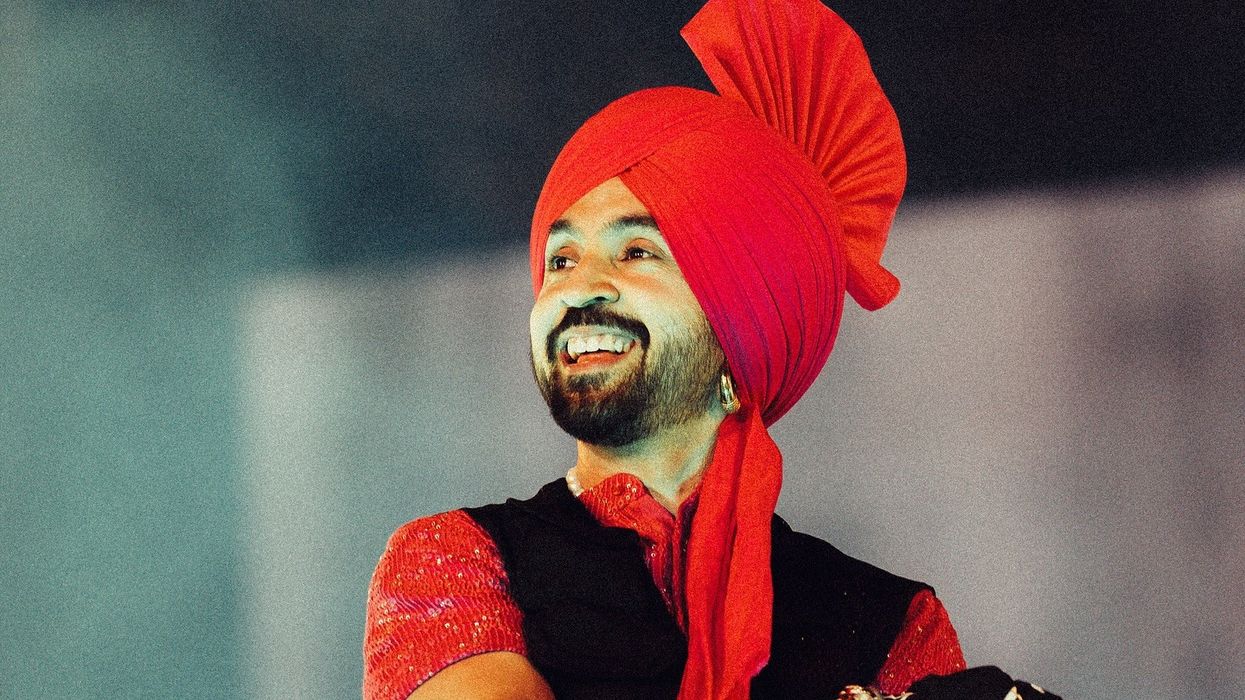
Kajol
Kajol was born in a film background family. She won six Filmfare Awards and five are for Best Actress, she broke the record, which was made by her aunt Nutan thirty years ago. Kajol was also awarded with Padma Shri award for her contribution towards Indian Cinema and Kramveer Puraskaar which is a National Award for Social Justice and Citizen Action. Kajol is always seen at Durga Puja every year with her mother Tanuja and sister Tanishaa.
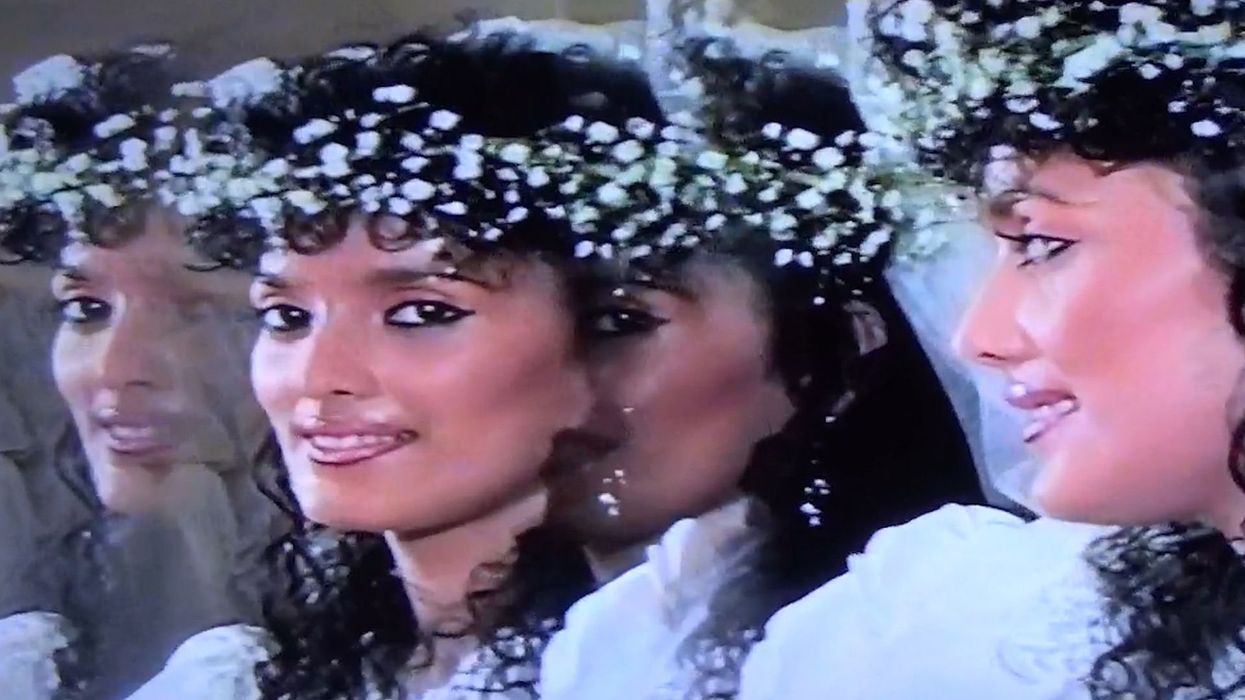
Bipasha Basu
Bipasha started her career as a model in 1996, when she was spotted in Kolkata by Mehr Jesia. She is known as one of the most stylish actress in Bollywood and won many awards for it, including MTV Style Award and The Bollywood Life Film Award. She also won Filmfare Award for Best Debut Award for Ajnabee in 2001. Bipasha played the role of Radhika Mitra in a Bengali film called Sob Charitro Kalponik, in 2009 and in 2013; she acted in a Hollywood movie called The Lovers.
Rani Mukerji
Rani faced the camera for the first time for a Bengali film called Biyer Phool with a supporting role in 1996. Rani was the only actress to win award for both Filmfare Award for Best Actress for Hum Tum and Best Supporting Actress for Yuva in the same year. She also won Filmfare Award for Best Supporting Actress for her roles in Kuch Kuch Hota Hai (1998) and No One Killed Jessica (2011). Rani’s role in Black (2005) got her Filmfare Award for Best Actress and Filmfare Critics Award for Best Actress. In 2013, American Embassy in India honoured Rani for her contribution towards Indian cinema as well as in 2017; she was honoured with the Outstanding Contribution to Cinema Award by the Government of Mauritius.
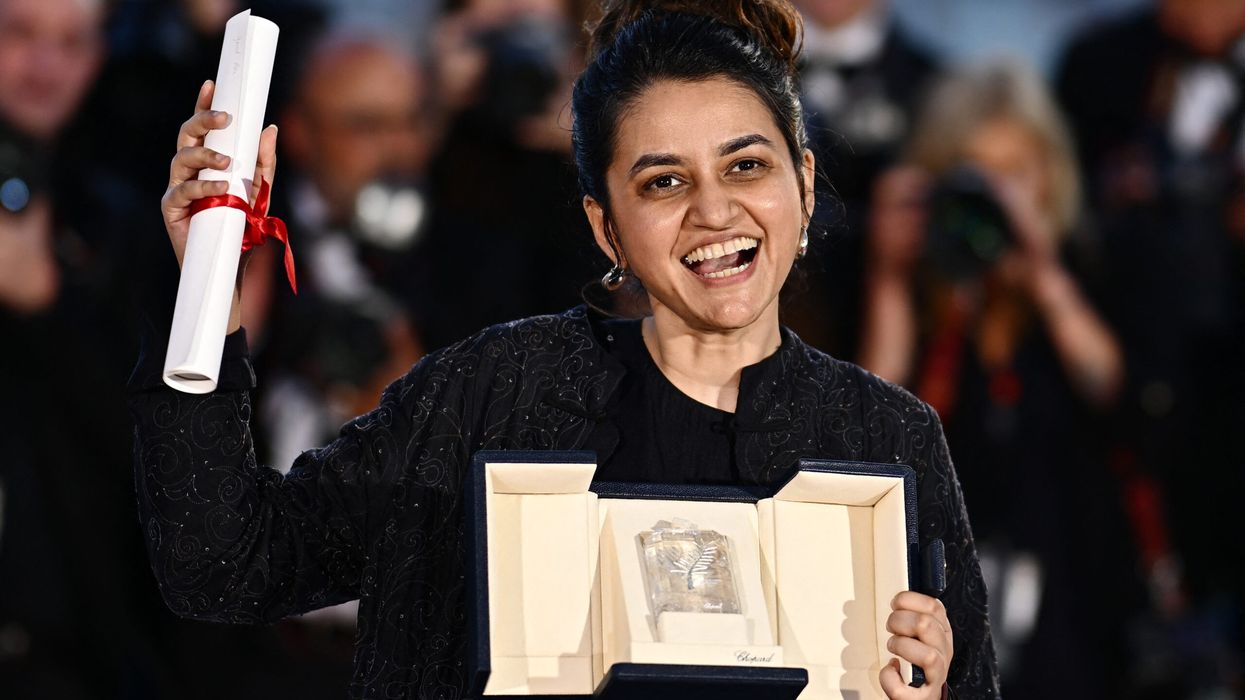
Konkona Sen Sharma
Konkona debuted as a child artist in a Bengali film called Indira in 1983 and her adult debut was with a Bengali thriller film called Ek Je Aachhe Kanya in 2001. Before debuting in Bollywood films with Page 3, Konkona acted in four Bengali films and three English films. She won two National Awards, best actress for her role in Mr. and Mrs. Iyer (2002) and best supporting actress for her role in Omkara (2006) as well as two Filmfare Best Supporting Actress Award for Omkara (2006) and Life in a… Metro (2007). Konkona also won Filmfare Award for Best Actor Female– Bengali for Goynar Baksho (2013).