
Skip to content
Search

Latest Stories

Submit Guest Post

Air India finalises engine order for new fleet

Air India has been a CFM customer since 2002

Air India finalises engine order for new fleet

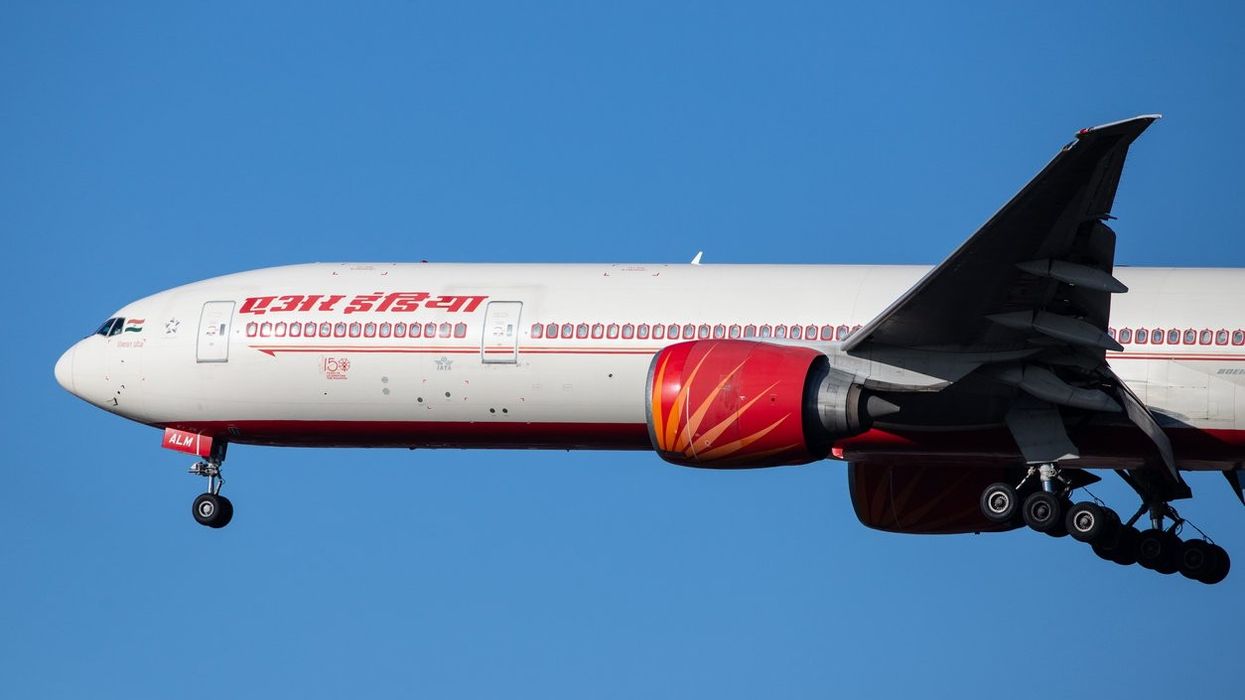
AIR INDIA and CFM International have finalised the order for LEAP engines for the carrier’s new fleet of 400 narrow-body planes.

The engines will power 210 Airbus A320/A321 neo and 190 Boeing 737 MAX family aircraft.


CFM International is a Franco-American joint venture between GE Aerospace and Safran Aircraft Engines.

“Both companies also signed a multi-year services agreement that will cover the airline’s entire fleet of LEAP engines,” CFM said in a statement.

The order was first announced in February.

Air India has been a CFM customer since 2002 when it began operating A320 neo aircraft powered by CFM56-5B engines.

In 2017, the airline began operating the A320 neo, becoming the first LEAP-1A-powered operator in India. It currently has 27 LEAP-1A-powered A320neo family aircraft in its fleet, the statement added.

Air India CEO and MD Campbell Wilson said, “We are delighted to celebrate with CFM a major deal that will play a key role in our future development.”

CFM International president and CEO Gaël Méheust said the order strengthens its presence in India.

Earlier this year, Air India placed orders for 470 aircraft, including 70 wide-body ones.

(PTI)

Add EasternEye As Your Trusted Source
preferred source on google news

More For You

Volkswagen

Volkswagen is embarking on its biggest restructuring as competition, weak demand and excess capacity squeeze the German carmaker

Reuters

Volkswagen is cutting 100,000 jobs: How China, tariffs and too many cars pushed Europe’s giant to the brink

  • Volkswagen will cut another 50,000 jobs, taking planned workforce reductions to around 100,000 by 2030.
  • The carmaker has more than 500,000 vehicles of excess production capacity in Europe.
  • It is also planning to halve its model range and is reviewing the future of four German production sites.

Volkswagen’s decision to cut another 50,000 jobs is not simply a response to weak sales. It reflects a deeper problem: the carmaker has built a production network and business structure that are now too large for the market it serves.

The company’s supervisory board approved its Future Plan 2030 on Thursday (3), taking planned job reductions across the group to around 100,000 by the end of the decade.

Keep ReadingShow less