Skip to content
Search

Latest Stories

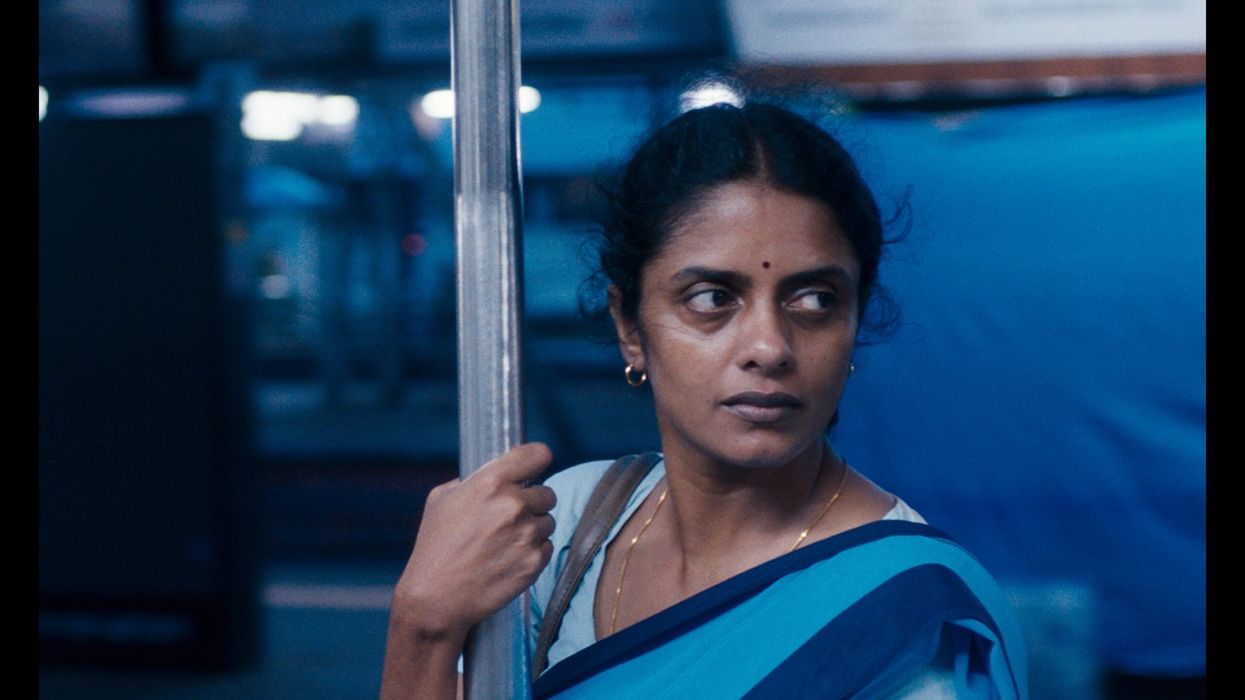
‘All We Imagine As Light’ review: Artistically shot drama will delight cinema purists

The Payal Kapadia-directed drama, set in Mumbai, had its UK premiere at the recent BFI London Film Festival and will be released in UK cinemas on November 29.

‘All We Imagine As Light’ review: Artistically shot drama will delight cinema purists
ALL WE IMAGINE AS LIGHT

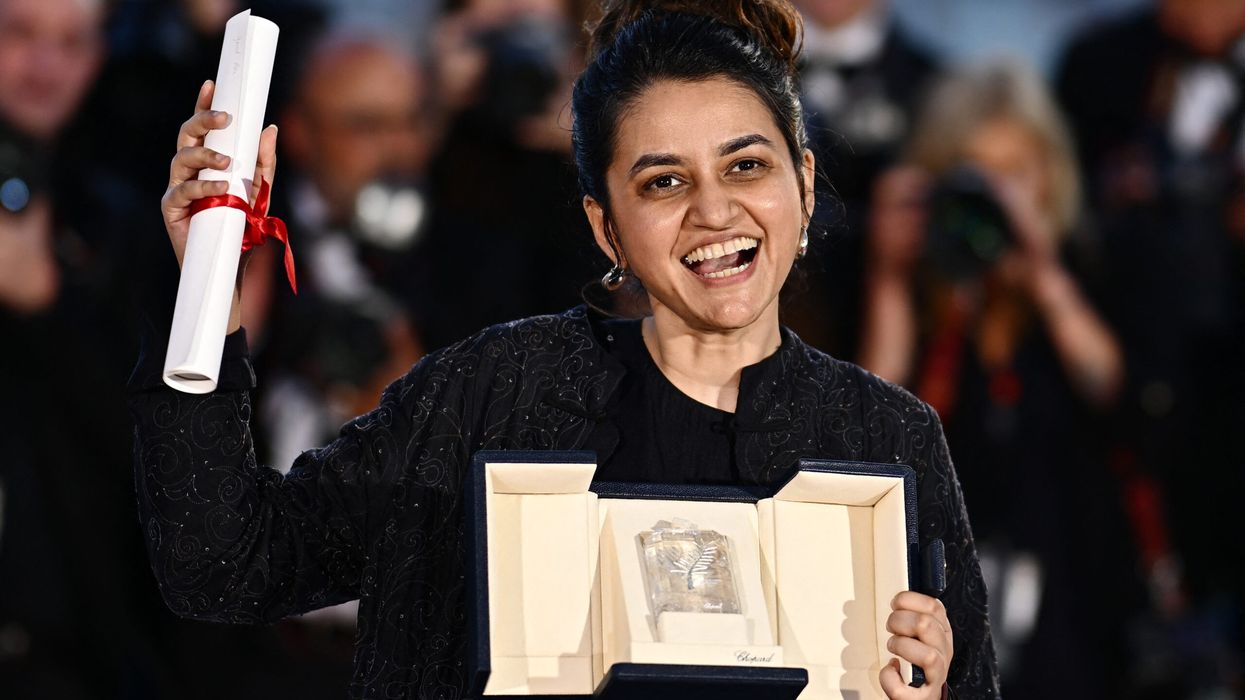
WHEN All We Imagine As Light was screened at the Cannes Film Festival earlier this year, it was described as a cinematic poem and won the coveted Grand Prix prize.

The Payal Kapadia-directed drama, set in Mumbai, had its UK premiere at the recent BFI London Film Festival and will be released in UK cinemas on November 29. The free-flowing drama revolves around three nurses at different stages of their lives, struggling to survive in an overcrowded city while doing a demanding job. All of them come from smaller rural areas.


Prabha (Kani Kusruti) appears to have been abandoned by her husband, who moved to Germany shortly after their marriage. She lives with the feisty young Anu (Divya Prabha), a Hindu girl secretly involved in a romance with a Muslim man. Meanwhile, elderly widow Parvaty (Chhaya Kadam) faces eviction due to a lack of documentation left by her late husband. A doctor struggling with city life begins to fall for Prabha, who is increasingly torn. The three women eventually take a trip that inadvertently gives them space to breathe.

The nicely shot film, driven by convincing performances from an accomplished cast, blends a range of emotions – loneliness, disillusionment, budding romance, internal struggle, and even unrequited love. The accomplished writer-director weaves these feelings into a believable tale of finding light amid darkness. While the reality-driven film offers many great moments and conveys important messages, some viewers may find its pace slow and feel frustrated by not finding more about the characters. The resolution to some narrative threads is also somewhat lacking.

Is it a masterpiece, as some festival jury members and reviewers have claimed? No. But it is an important piece of artistic filmmaking that will certainly satisfy the cinema purist.

More For You

Samir Zaidi

Two Sinners marks Samir Zaidi’s striking directorial debut

Samir Zaidi, director of 'Two Sinners', emerges as a powerful new voice in Indian film

Indian cinema has a long tradition of discovering new storytellers in unexpected places, and one recent voice that has attracted quiet, steady attention is Samir Zaidi. His debut short film Two Sinners has been travelling across international festivals, earning strong praise for its emotional depth and moral complexity. But what makes Zaidi’s trajectory especially compelling is how organically it has unfolded — grounded not in film school training, but in lived observation, patient apprenticeships and a deep belief in the poetry of everyday life.

Zaidi’s relationship with creativity began well before he ever stepped onto a set. “As a child, I was fascinated by small, fleeting things — the way people spoke, the silences between arguments, the patterns of light on the walls,” he reflects. He didn’t yet have the vocabulary for what he was absorbing, but the instinct was already in place. At 13, he turned to poetry, sensing that the act of shaping emotions into words offered a kind of clarity he couldn’t find elsewhere. “I realised creativity wasn’t something external I had to chase; it was a way of processing the world,” he says. “Whether it was writing or filmmaking, it came from the same impulse: to make sense of what I didn’t fully understand.”

Keep ReadingShow less