
An exhibition that charts the story of the Sikh empire is coming to London.
Titled the Empire of the Sikhs, the exhibition runs from July 12 to September 23 at the Brunei Gallery, SOAS and it is being organized by the UK Punjab Heritage Association (UKPHA).
Story of the Sikh empire will be told through a stunning array of over 100 objects and works of art from leading private and public collections.
On display will be jewelry and weaponry from the Sikh Empire including personal items that belonged to Maharaja Ranjit Singh and Maharani Jind Kaur, one of his 30 wives.
Speaking of the exhibition, Chair of the UKPHA Amandeep Singh Madra OBE said: "UKPHA are excited to tell the story of Maharaja Ranjit Singh and the briefly-lived but hugely influential Sikh Empire.
"The riches of the empire's treasury included the much contested Koh-i-nûr diamond that now sits, albeit in a much reduced form, in the Queen Mother's Crown. That such treasures are now considered integral to the British state, whilst others were sold off in auction, is part of the legacy of the rise and fall of the Empire of the Sikhs – a fascinating story that resonates strongly to this day."
Objects and works of art on display at the Empire of the Sikhs exhibition will also honour the European and American adventurers who served the Sikh empire.


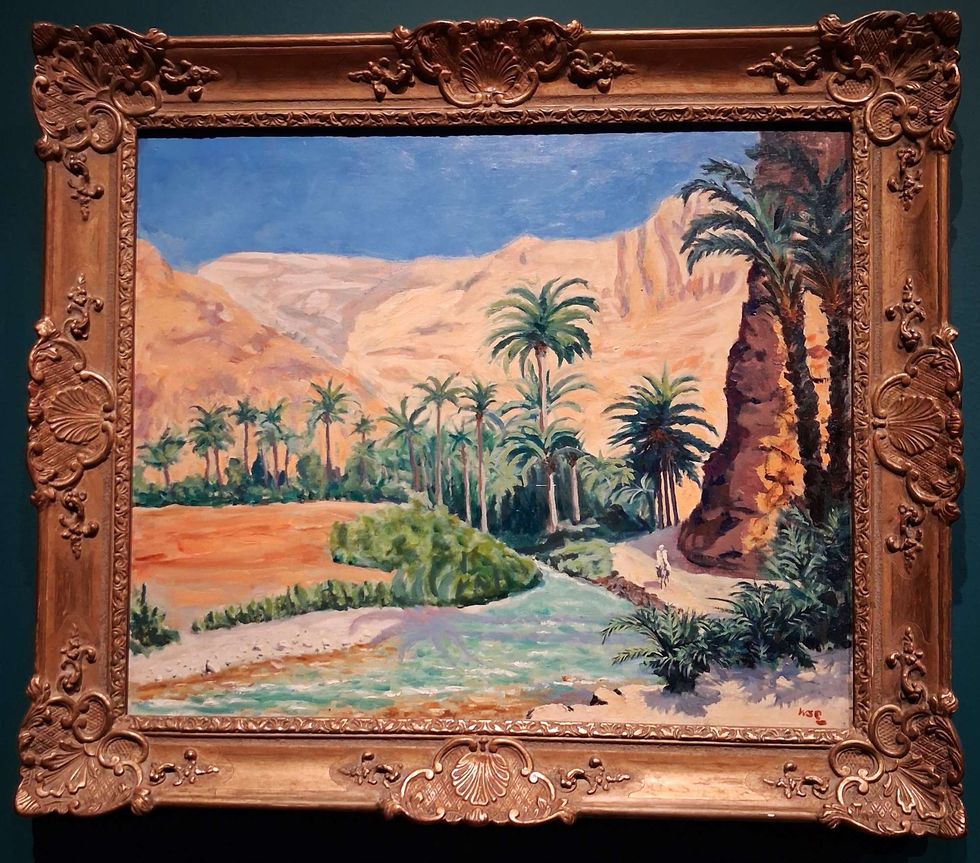 Near MarrakechAmit Roy
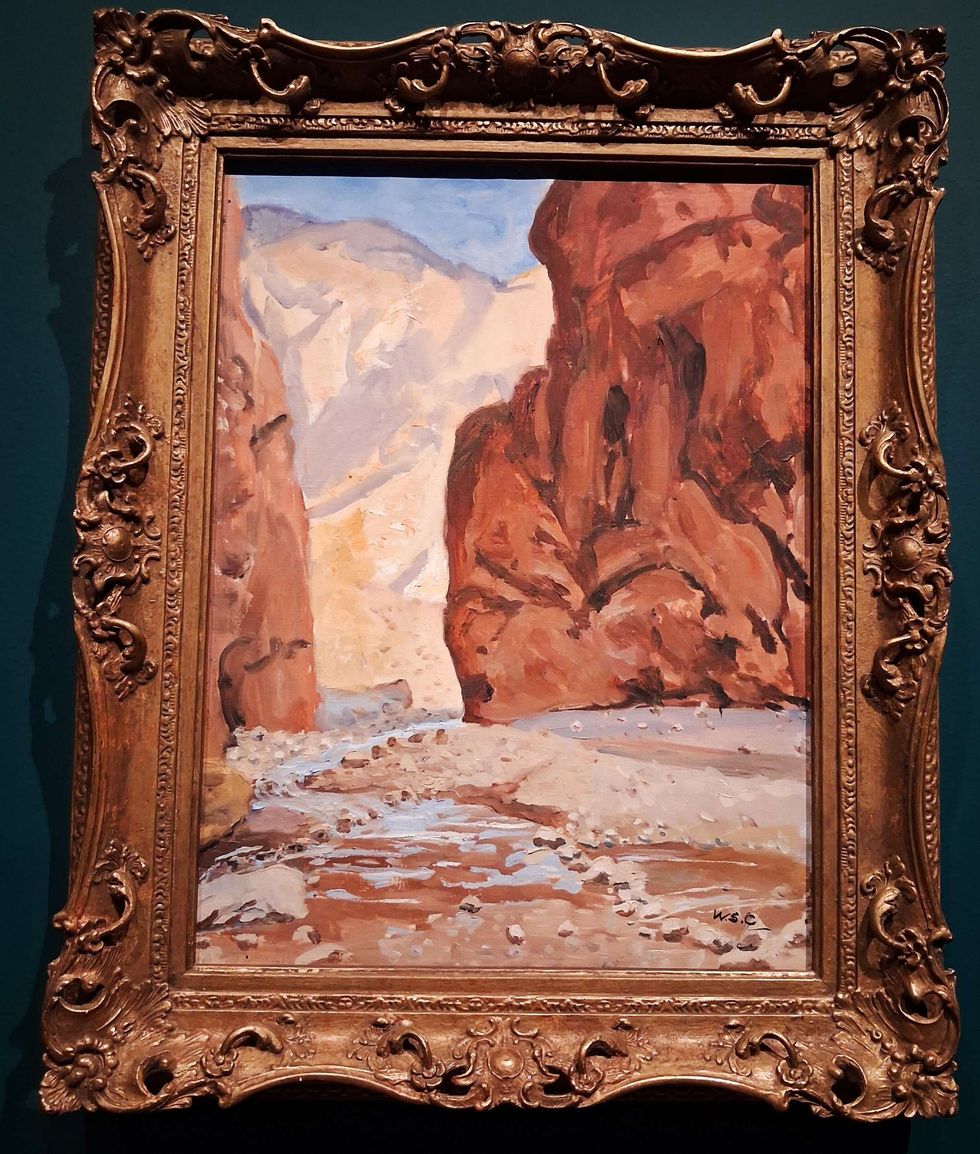 The Todhra Gorge Amit Roy
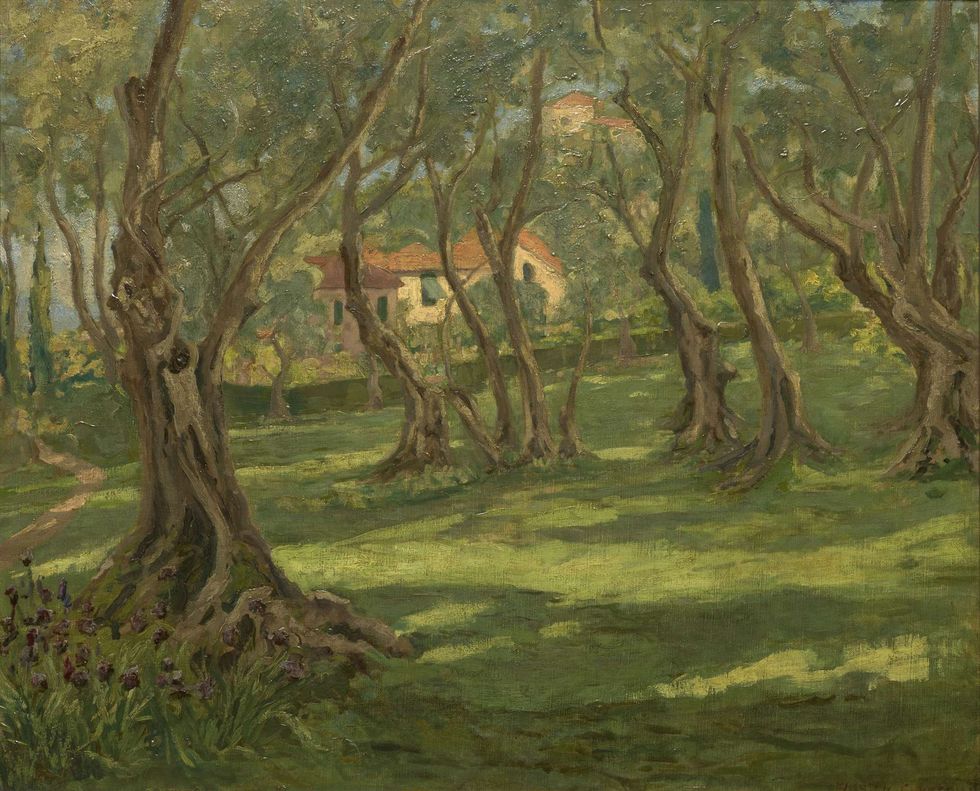 La DragonnièrePrivate Collection © Churchill Heritage Ltd_Photograph by Howard Agriesti
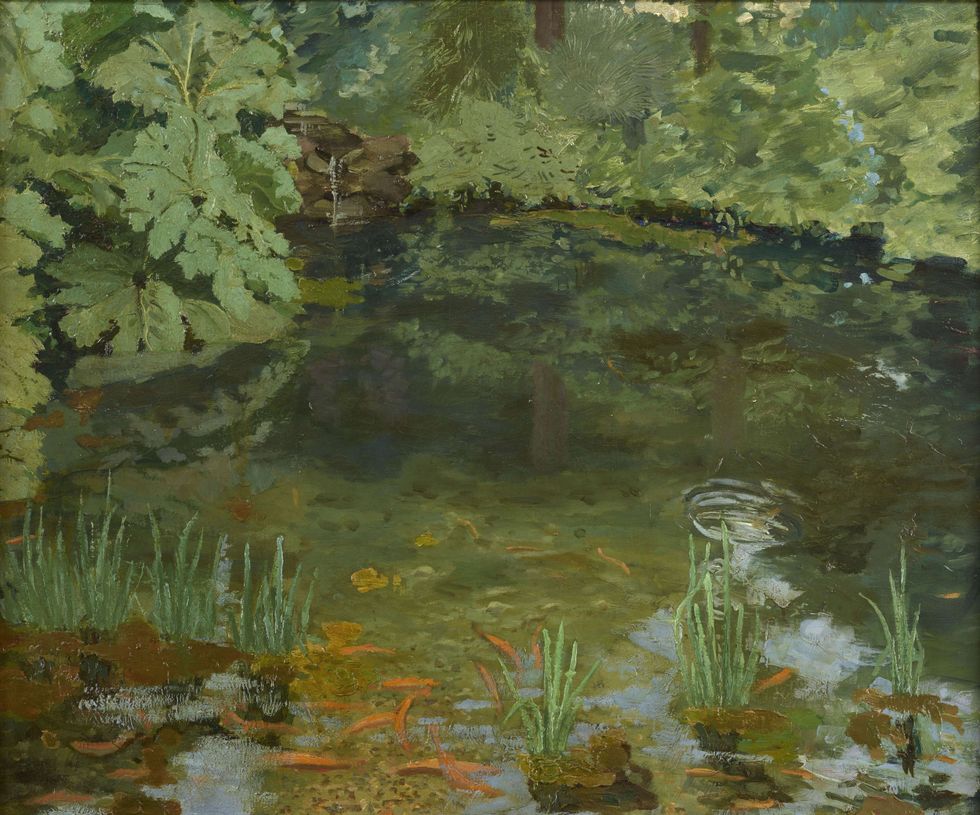 The Goldfish Pool at Chartwell Private Collection © Churchill Heritage Ltd Matthew Hollow Photo
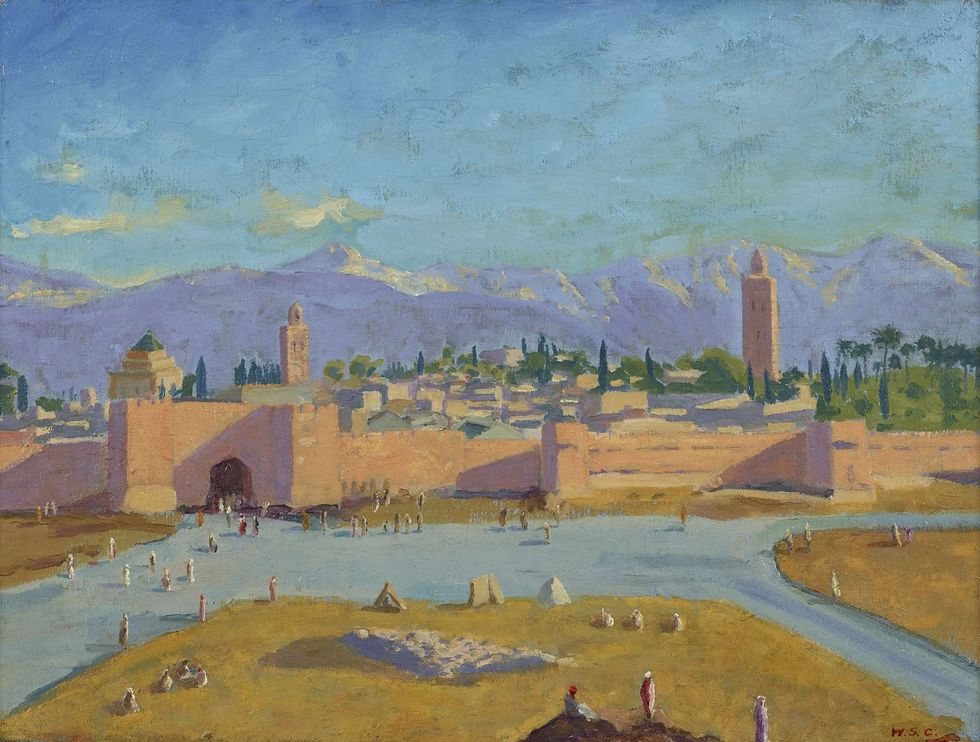 The Tower of the Koutoubia MosquePrivate Collection © Churchill Heritage Ltd_Image courtesy The Churchill Heritage Ltd
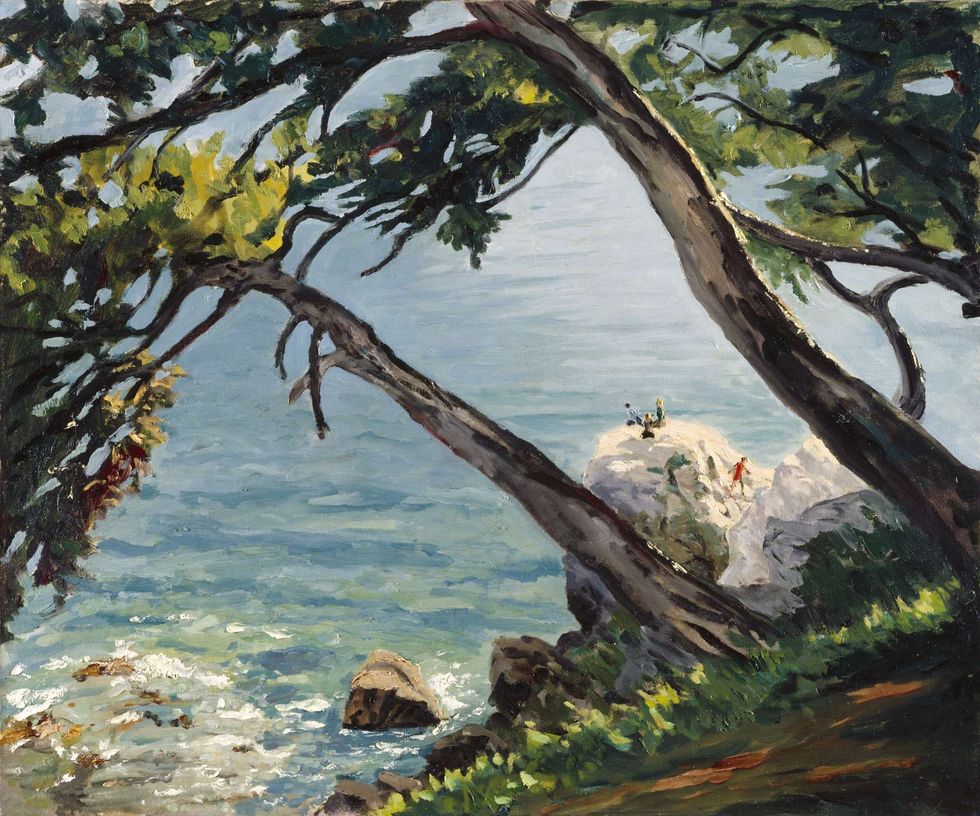 Cap d’Ail, Alpes-MaritimesRoyal Academy of Arts, London © Churchill Heritage Ltd Photo ©Royal
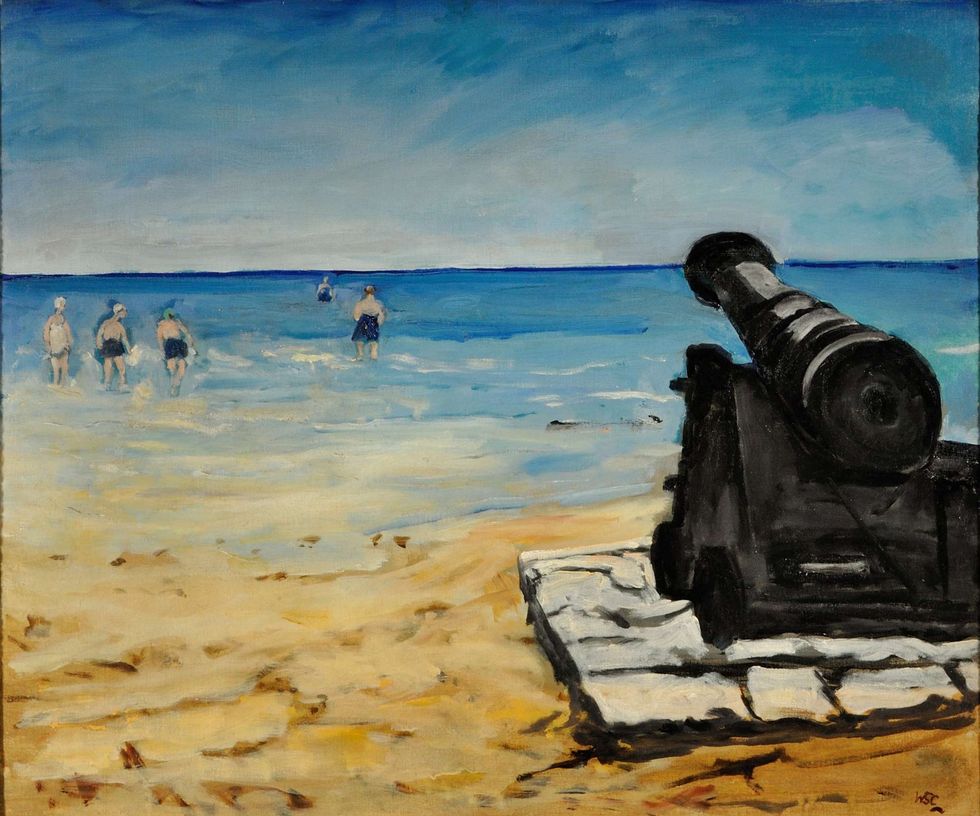 The Beach at Walmer America's National Churchill Museum at Westminster College, Fulton, Missouri © Churchill Heritage Ltd
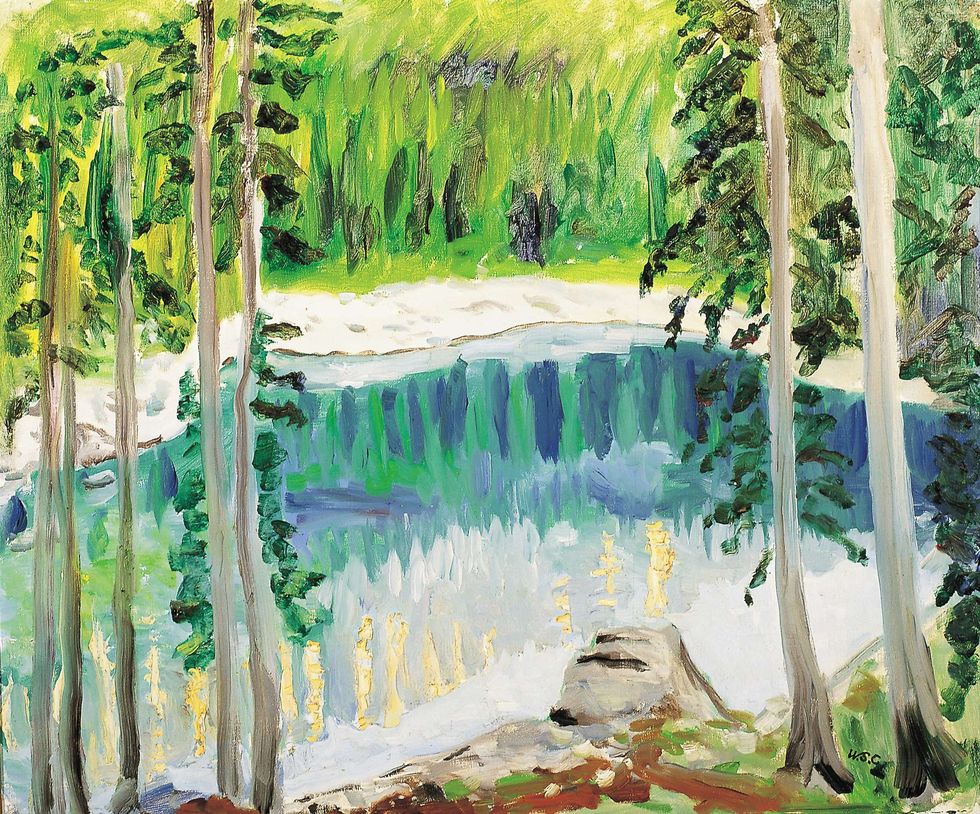 Sketch of Lake Carezza, or ‘The Twenty-Minute Sketch'National Trust, Chartwell © Churchill Herita