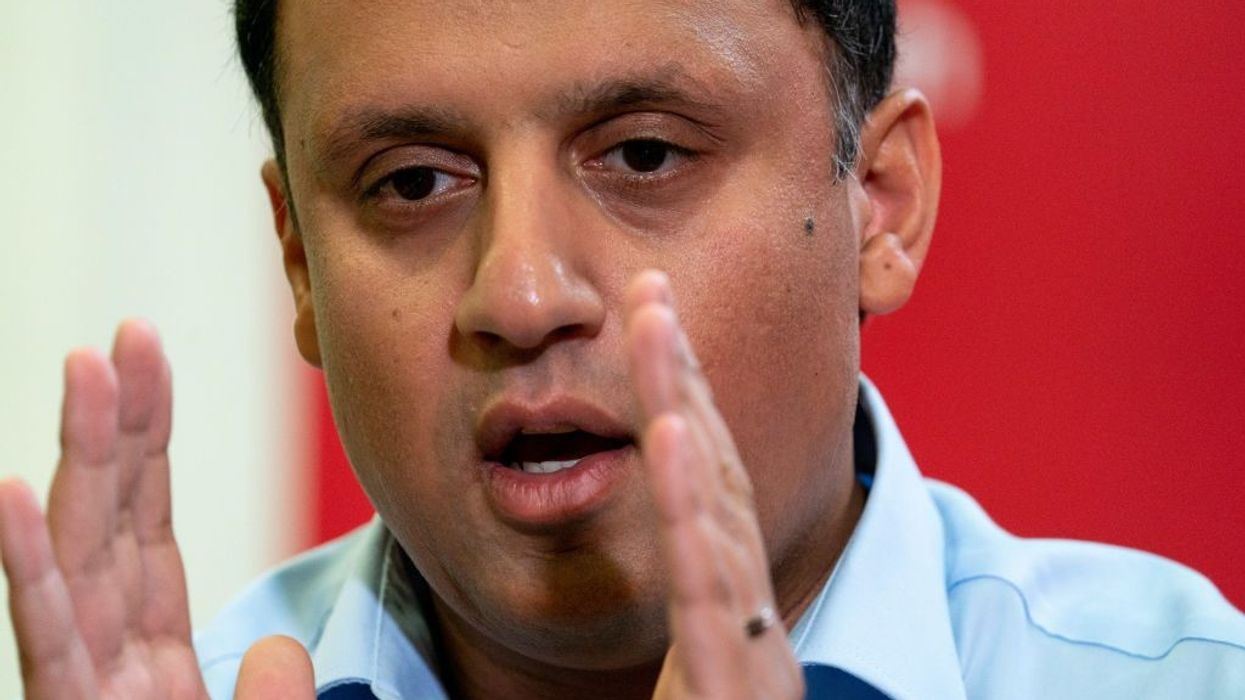

THE Scottish Labour leader, Anas Sarwar, has alleged that first minister Humza Yousaf has prioritised independence over the economy, as reported by The Telegraph.
Scottish GDP declined by 0.3 per cent in the second quarter from April to June. Yousaf assumed the top post on March 28.
While addressing a business audience in Glasgow on Thursday (31), Sarwar argued that the government's focus on social policies over the past 25 years has led to the neglect of developing a more resilient economy.
According to him, this approach has disappointed Scottish employers and weakened the country's potential for growth.
He emphasised further that the 'extraordinary chaos' within their respective parties has diverted the attention of both the Tories and SNP from implementing necessary measures.
Sarwar launched a significant effort to attract businesses, aiming to win them over during a time when there was widespread dissatisfaction with the policy direction of Yousaf's SNP-Green government.
The decline in Scotland's GDP is being attributed to a drop in manufacturing. Adding to the government's challenges, a recent survey found that fewer than one in ten companies in Scotland believe that his government understands the needs of businesses.
Earlier, the Scottish Tory leader, Douglas Ross, cautioned that the current levels of public expenditure cannot be sustained unless there is a shift towards promoting economic growth.
Ross introduced his party's fresh economic approach, suggesting a reduction in taxes to align with those of the rest of the UK.
The strategy highlighted that Scotland's GDP growth was only about half of the UK's rate during Nicola Sturgeon's time as the first minister.
He also encouraged dissatisfied SNP members in Holyrood to collaborate with him, especially those disenchanted with the environmental policies pursued within their party's coalition agreement with the Greens.
Next week, Yousaf will unveil his government programme as the first minister, outlining his administration's plan for the upcoming year.
"The Scottish economy is not alone in facing extremely challenging circumstances. The cost-of-living crisis and higher interest rates are impacting the ability of households and businesses to spend, which in turn affects the broader economy," Neil Gray, the SNP's wellbeing economy secretary, was quoted as saying by the newspaper.





 Sunder Katwala
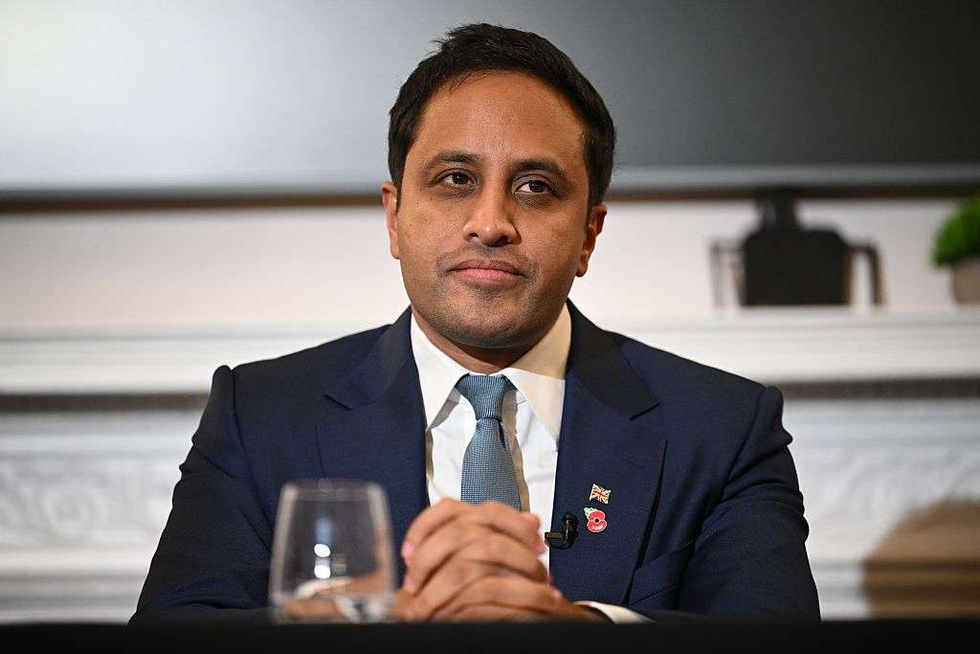 Reform UK spokesperson for home affairs, Zia Yusuf, attends a press conference with Leader of Reform UK Nigel Farage at The Clermont London Hotel on November 2, 2026 in London, United Kingdom. (Photo by Ben Montgomery/Getty Images)
 The decline has renewed calls for tighter immigration controls from the Conservatives.


