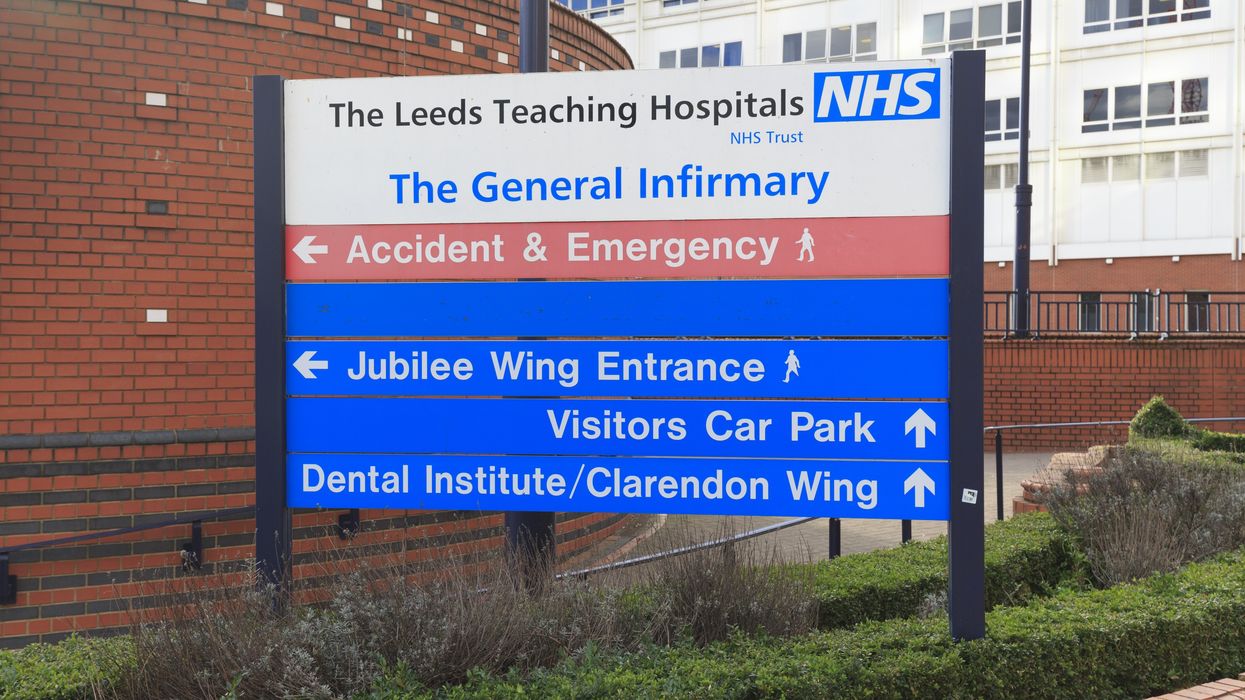

AT LEAST 56 baby deaths and two maternal deaths at Leeds Teaching Hospitals NHS Trust since 2019 may have been preventable, according to a BBC investigation.
The findings, based on Freedom of Information data and whistleblower accounts, raise concerns about maternity safety at the trust’s units at Leeds General Infirmary and St James's University Hospital.
The data revealed 27 stillbirths and 29 neonatal deaths where trust review groups identified care issues that could have changed outcomes. The reviews also included two maternal deaths.
The trust stated that most births were safe, attributing its high neonatal mortality rate to its role as a specialist centre for complex cases.
Leeds recorded the highest neonatal mortality rate in the UK, with 4.46 deaths per 1,000 live births in 2022, compared to 3.30 in 2017, reported BBC.
MBRRACE-UK data shows the trust's rate is 70 per cent higher than comparable NHS trusts. The trust cited an increase in complex pregnancies and babies with severe cardiac conditions as contributing factors.
Parents who lost their children during this period have expressed concerns about the trust’s practices. Fiona and Dan Ramm, whose baby Aliona Grace died in January 2020, blamed delays in care for their daughter’s death.
An inquest in 2023 found "gross failures of the most basic nature" had contributed to the tragedy. The couple believes the Care Quality Commission (CQC) has not held the trust accountable.
Another family, Amarjit Kaur and Mandip Singh Matharoo, reported being sent home despite severe abdominal pain during pregnancy.
Their daughter Asees was stillborn in January 2024, with a trust review identifying care issues. Amarjit raised concerns about racial discrimination, stating she was treated differently due to her Indian ethnicity, BBC reported.
Whistleblowers have also highlighted unsafe practices. Lisa Elliott, a former maternity support worker, described "chaotic" care and a failure to listen to patients. An anonymous staff member described chronic understaffing and a "broken" system.
The trust's chief executive, Prof Phil Wood, apologised to families, citing its role as a specialist centre for treating the most critically ill babies.
Meanwhile, the CQC stated it is reviewing evidence from families and recently inspected the trust’s maternity services, with findings pending.
The Department of Health and Social Care pledged to support improvements in maternity care, including training more midwives to ensure safe and compassionate care.