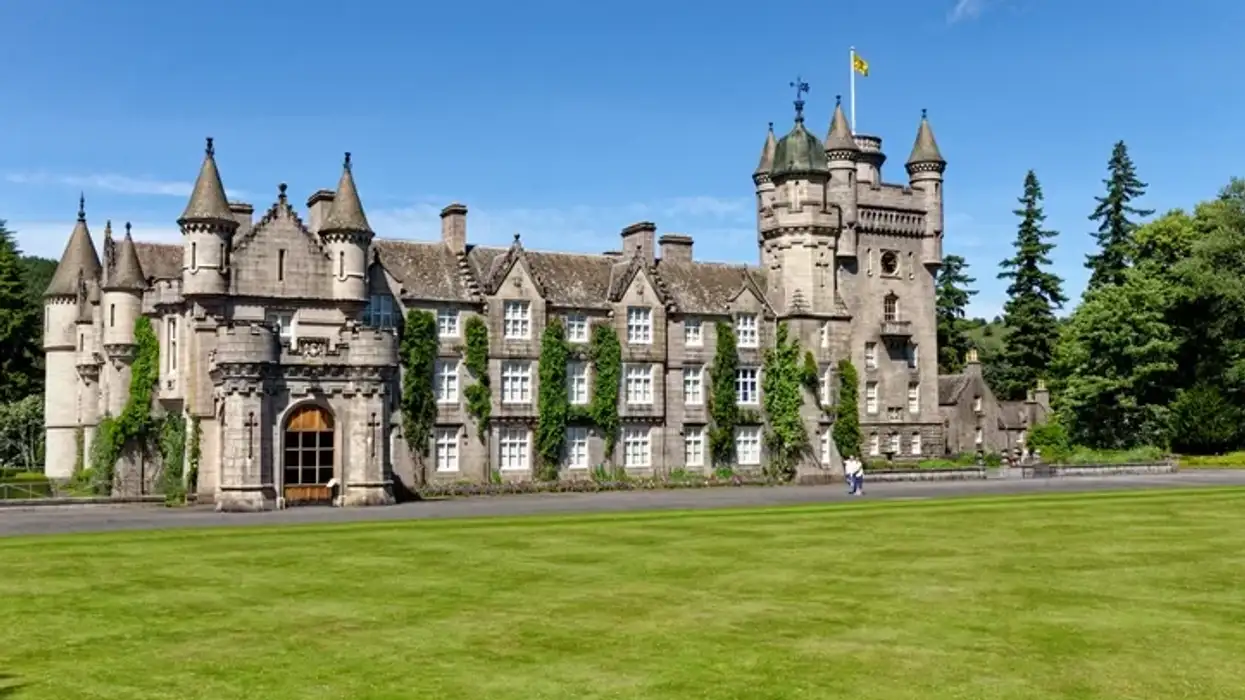

This grand castle, exclusively used by the royal family, will be opened to the public this summer. King Charles has made this unprecedented decision for Balmoral Castle, where the public can explore the Scottish highlands.
The tickets for guided tours of the castle will offer glimpses into royal quarters. The tickets will be priced at £100, or £150 including afternoon tea. These tours are limited to groups of 10 people and are in high demand, with only 40 tickets available per day.
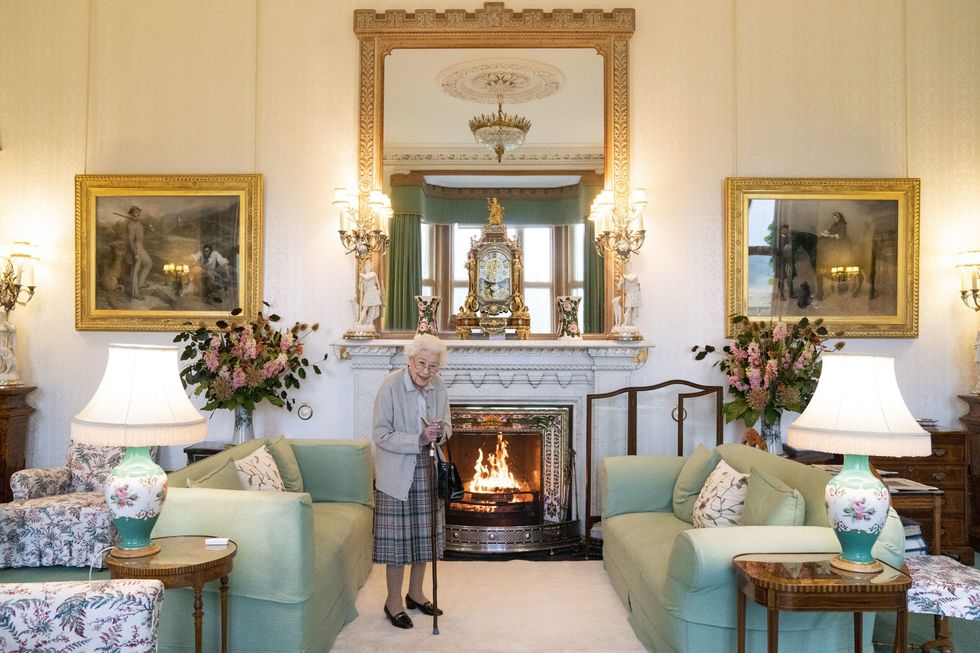 Queen Elizabeth II last photo as she awaits Liz Truss at Balmoral Castle to invite her as Prime Minister due to mobility issues. (Photo credit: Getty images)
The tours, scheduled between 1 July and 4 August, will conclude before the arrival of the King and Queen for their annual summer retreat. This initiative marks the first time such access has been granted since the castle's completion in 1855. Previous tours focused solely on the grounds and gardens, with limited access to the castle's ballroom.
Visitors embarking on the new tour will be taken on a historical journey through various rooms within Balmoral Castle, learning about its origins and its significance to generations of the Royal Family. Highlights include the ballroom, showcasing the King's watercolour collection depicting scenes from Balmoral, Highgrove, and Sandringham, as well as outfits worn by members of the royal family.
The opening of Balmoral Castle for tours coincides with the East Wing of Buckingham Palace also welcoming visitors for the first time this summer. This wing, still utilised by the Royal Family for official functions, offers guided tours of its principal floor, including the iconic central balcony.
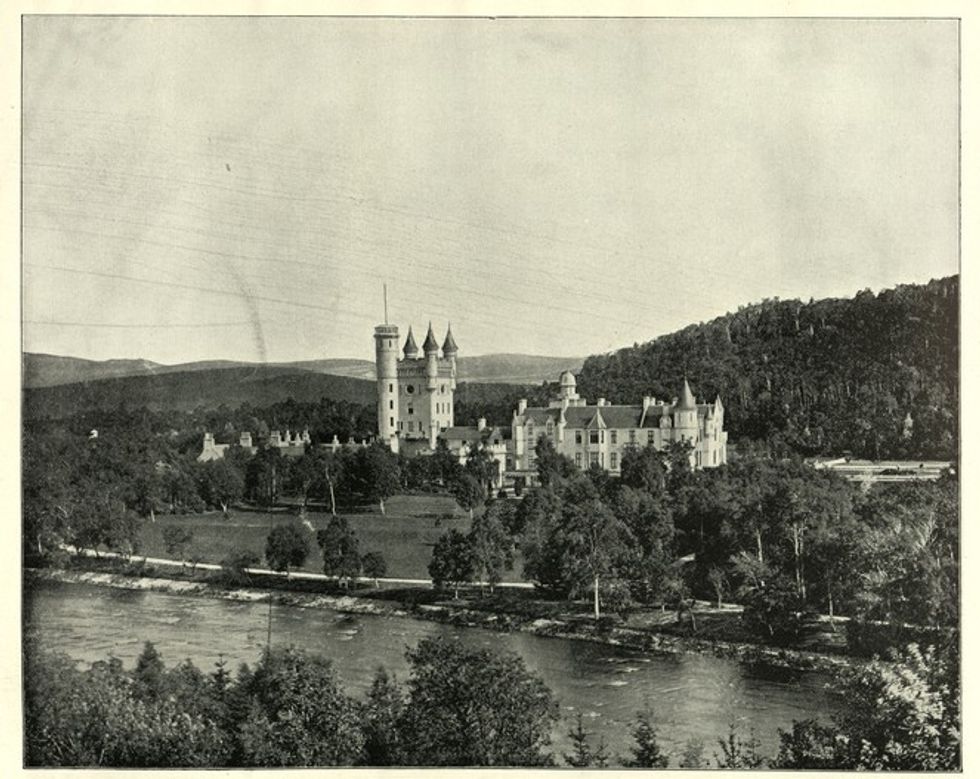 Vintage photograph of Balmoral Castle, Scotland, Victorian 19th Century. (Photo credit: iStock)
Balmoral Castle, located in Aberdeenshire, Scotland, serves as a significant residence for the British royal family. Originally purchased from the Farquharson family in 1852 by Prince Albert, husband of Queen Victoria, the estate underwent expansion due to the inadequacy of the existing structure.
Renowned architect William Smith of Aberdeen was enlisted to design the new Balmoral Castle, completed in 1856, featuring Scottish baronial architecture. Classified as a category A listed building by Historic Environment Scotland, the old castle was subsequently demolished.
This estate, privately owned by the monarch and not part of the Crown Estate, was a favoured summer retreat for Queen Elizabeth II, who passed away there on 8 September 2022. Over time, successive royal family members have contributed to the expansion of the Balmoral Estate, which now encompasses approximately 50,000 acres (20,000 hectares). Functioning as a working estate, it includes grouse moors, forestry, farmland, and various managed herds such as deer, Highland cattle, sheep, and ponies.
The etymology of "Balmoral" traces back to its Gaelic roots, with interpretations suggesting the name may signify "a hut" or "big spot (of ground)". The castle's historical significance, architectural grandeur, and expansive estate make it a cherished asset within the British royal family's heritage.





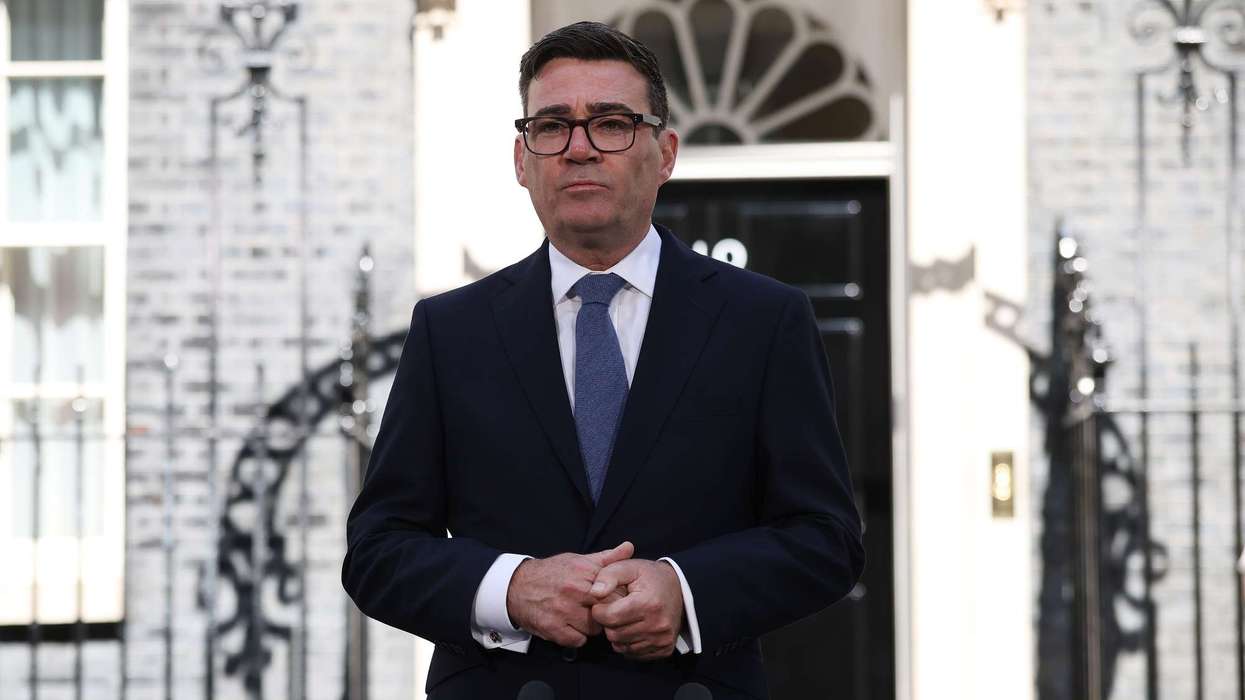
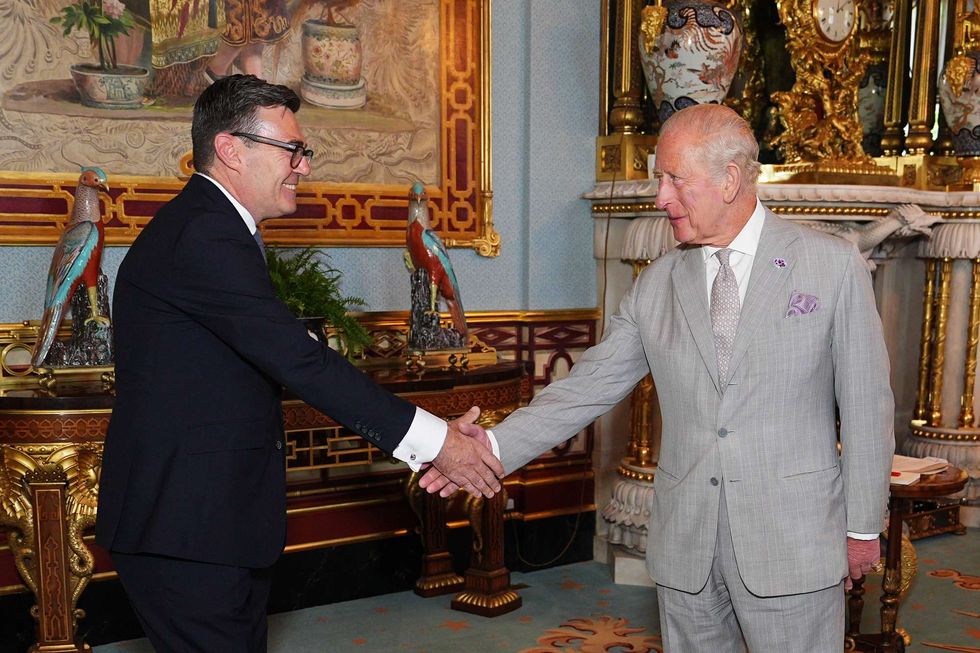 King Charles welcomes Andy Burnham, during an audience at Buckingham Palace, where he invited the leader of the Labour Party to become Prime Minister and form a new government.Getty Images
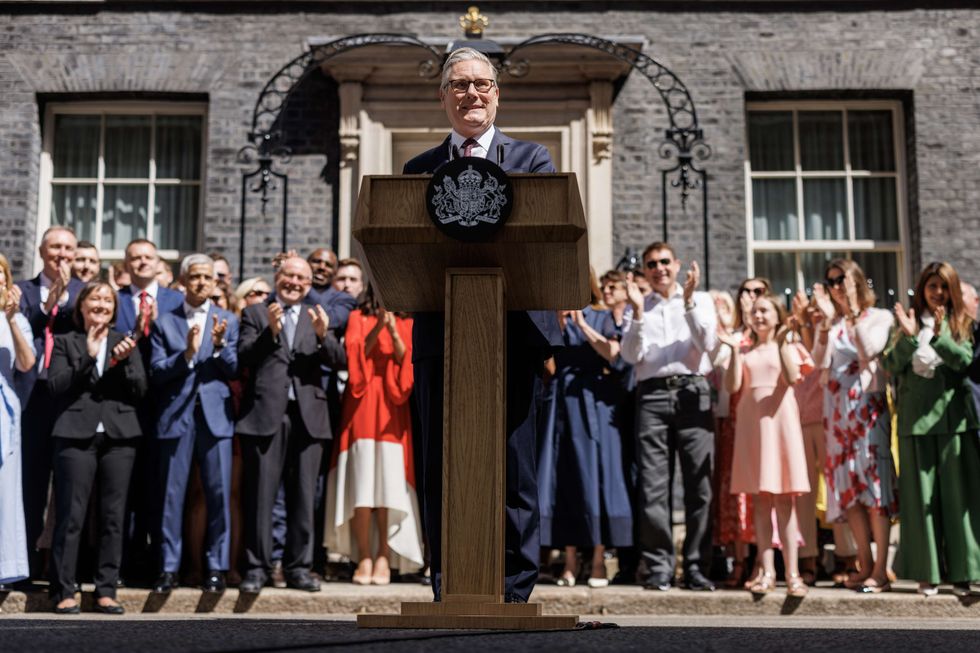 Keir Starmer delivers a farewell speech after standing down as prime pinister in Downing Street on on July 20, 2026 in London.Getty Images
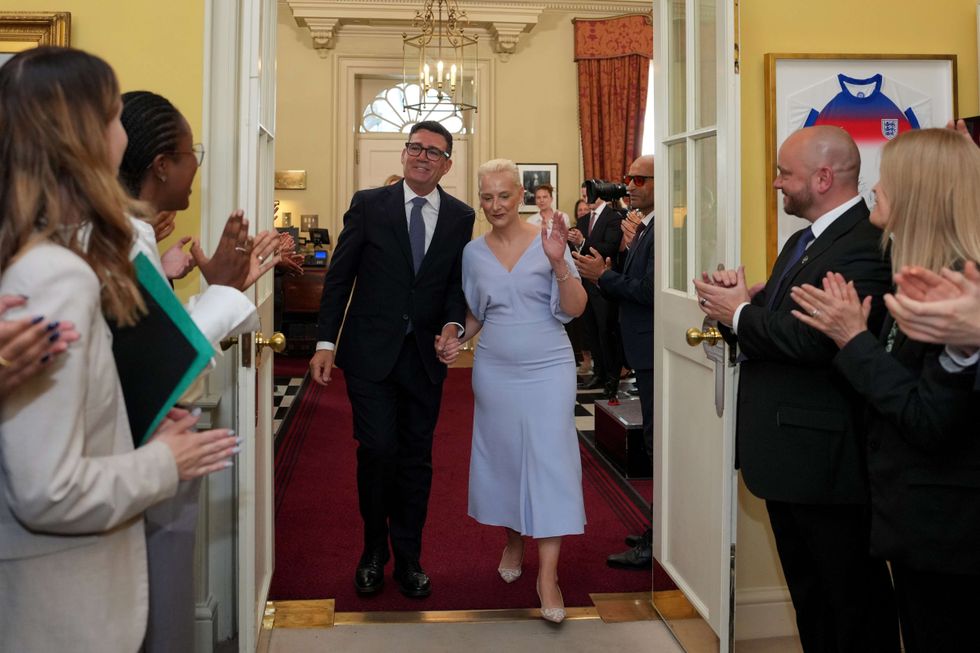 Andy Burnham and his wife Marie-France van Heel are welcomed by staff as they arrive inside 10 Downing Street on July 20, 2026.Getty Images