
Highlights
- It is expected to keep Bank Rate at 3.75 per cent
- MPC seen voting 8-1 for hold decision
- Bailey: bets on rate hikes in 2026 are premature
- BoE likely to raise inflation forecast, cut growth outlook
THE Bank of England looks set to keep interest rates on hold on Thursday (30) as it awaits the economic fallout from the Iran war and investors will be on alert for any suggestions that higher borrowing costs are likely to be needed.
Like the US Federal Reserve, which on Wednesday (29) kept rates unchanged, and the European Central Bank, which is also expected to stay on hold on Thursday, the BoE is assessing whether the energy price surge means the biggest economic risk is from a renewal of long-term inflationary pressure or a slowdown in already weak growth.
All 62 economists polled by Reuters predicted no change to Bank Rate from its current level of 3.75 per cent at the end of the Monetary Policy Committee's April meeting.
After a 9-0 vote to hold rates by the MPC's members in March, most analysts expect an 8-1 vote this week with chief economist Huw Pill - who has warned of the risks of a "wait-and-see" approach - seen as the most likely supporter of a rate hike.
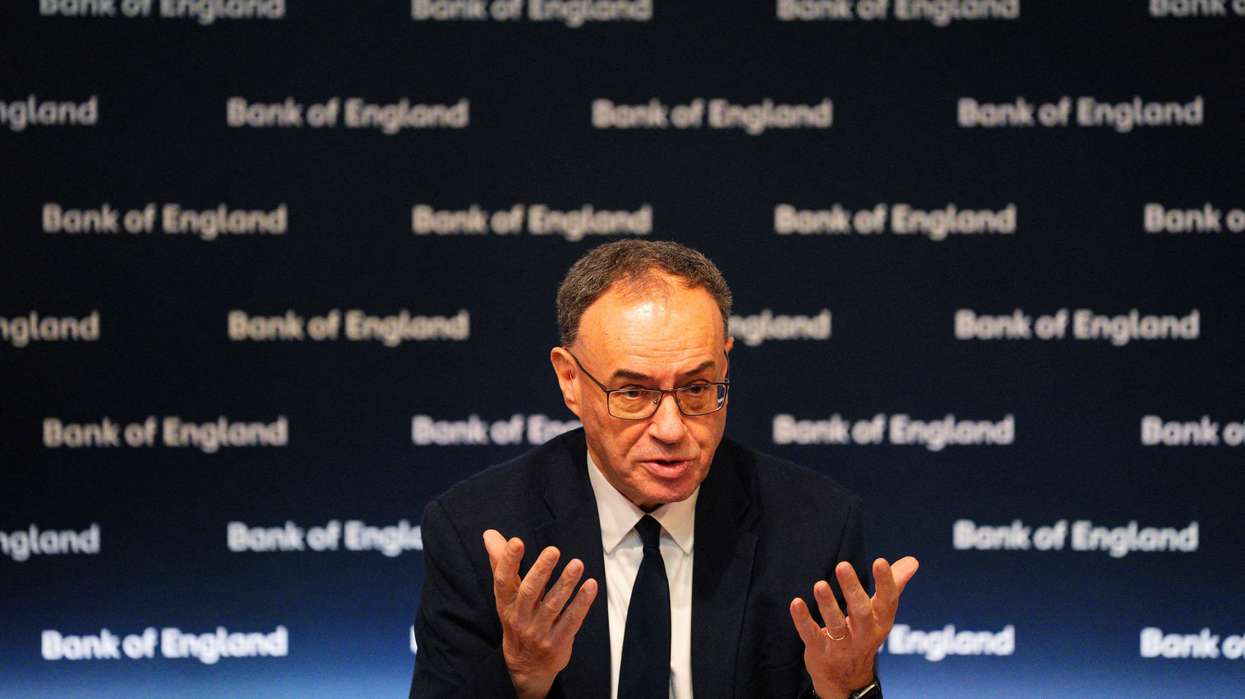
By contrast, governor Andrew Bailey has told investors that their bets on interest rate hikes this year are premature given the uncertainty about the duration and impact of the war.
Andrew Wishart, senior UK economist at Berenberg, said the hikes fully priced into financial markets were already weighing on the economy, reducing the likelihood that the BoE will actually have to raise Bank Rate, at least for now.
"The BoE cannot prevent a mechanical increase in inflation due to higher petrol and utility bill prices," he said. "Whether or not this triggers a renewed surge in wages and prices across the board will decide its response to the Iran war."
While Wishart expects no increase in borrowing costs before a resumption of rate cuts later this year, BNP Paribas analysts predict two rate hikes in 2026 to mitigate a rise in inflation that could peak at 4.5 per cent early next year, up from 3.3 per cent now.
Investors view Britain as highly vulnerable to the jump in energy prices due to the country's heavy use of natural gas.
'Economic growth may hit'
Data published last week showed a rise in input costs for firms and companies raising their expectations for price increases in the 12 months ahead at a record pace.
But there are also concerns about a sharp hit to economic growth caused by the war.
On Wednesday, the National Institute of Economic and Social Research, a think tank, said Britain's economy looked set to grow by 0.9 per cent this year and one per cent in 2027 - down from previous forecasts made in February of 1.4 per cent and 1.3 per cent - even as it said inflation would return to the BoE's two per cent target only in 2028.
As well as its big exposure to high gas prices, Britain's economy is subject to worries about politics with prime minister Keir Starmer struggling to keep his grip on Downing Street which has raised questions about future fiscal plans.
British government bond yields are the highest among the Group of Seven economies.
The BoE is due to publish its own first detailed forecasts since the start of the war on Thursday. Given the high levels of uncertainty around those projections, economists are watching for how the MPC's members position themselves around different scenarios for the economy and the best paths for rates under each one.
Bailey and other senior BoE officials are due to hold a press conference at 1130 GMT, half an hour after the rates decision, the minutes of their meeting and their new forecasts are announced.
(Reuters)