
Two of the surviving members of The Beatles, the ISIS terrorist cell, want to be tried in the UK because they feel the British justice system would be fairer to them. Alexanda Kotey even called being stripped of his British citizenship a "black day for international law."
Kotey and El Shafee Elsheikh, part of the four-member gang The Beatles, are currently being held in a detention facility in Northern Syria. Kotey and Elsheikh, along with Mohammed Emwazi and Aine Davis, were nicknamed The Beatles due to their British accents. They are believed to have beheaded more than 27 western hostages and tortured many more.
The duo are likely to stand trial in America.
Kotey said: "Definitely, familiarity is the easier option. My experience is that British judges are quite fair and just."
He added: "I miss fish and chips and pickled egg."
Kotey also suggested that Britain could even try him under Sharia law.
He said: "The American administration or British government - if they decided they wanted to be champions of the sharia and apply Islamic law upon myself and Shaf (Elsheikh), then by all means. If not, then they should adhere to that which they claim to be champions of."
The Beatles are responsible for the beheading videos of American journalists James Foley and Steven Sotloff, and British aid workers David Haines and Alan Henning. According to reports, their torture methods are particularly severe, as they use electric shock Taser guns, mock executions and waterboarding.
The Beatles first garnered media attention back in 2014 when several escaped and freed hostages spoke of a trio of Brits who acted as guards. According to an NBC News source, “The Beatles were harsher than other guards. They were really rough with them. Whenever the Beatles showed up, there was some kind of physical beating or torture.”





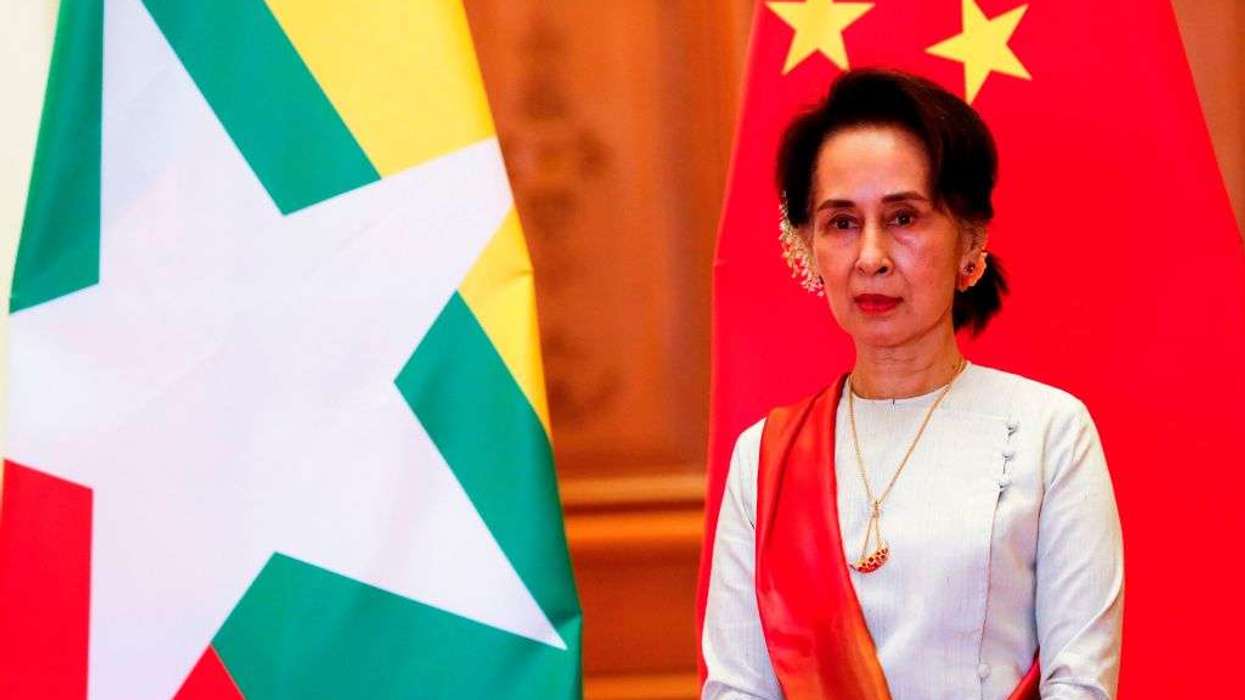 FILE PHOTO: Aung San Suu Kyi (Photo by NYEIN CHAN NAING/POOL/AFP via Getty Images)




