Skip to content
Search

Latest Stories

Submit Guest Post

Bedfordshire A5 crash victims identified by tattoos and scars

Bedfordshire A5 crash victims identified by tattoos and scars

THREE of the four men who died in a car crash that caught fire on the A5 in Bedfordshire, had to be identified from their tattoos and scars.

Zahir Baig, Sahir Iqbal, Jason McGovern and Mohammed Uddin were in a black BMW when the crash happened on 10 October. It was found 100m (328ft) from the road, close to the Flying Fox roundabout near Heath and Reach.


All four died from multiple injuries and fatal burns, Bedfordshire Coroner's Court heard.

During the opening of the inquest, senior coroner Emma Whitting heard that the car was driven by Baig, 39, from Luton. The car "went airborne and landed in a field", ending on its roof.

Another cause given for Baig's death was excessive alcohol. His body was identified by tattoos.

Iqbal, 39, from Luton, seated rear nearside seat was idenfied by a tattoo, and Uddin, 41, also from Luton, travelling front passenger seat, was identified from scars on his body.

The fourth person, McGovern, 46, from Leighton Buzzard, was travelling in the rear offside passenger seat. A full inquest into the accident will be heard next year.


Add EasternEye As Your Trusted Source
preferred source on google news

More For You

Deepinder-Goyal-temple

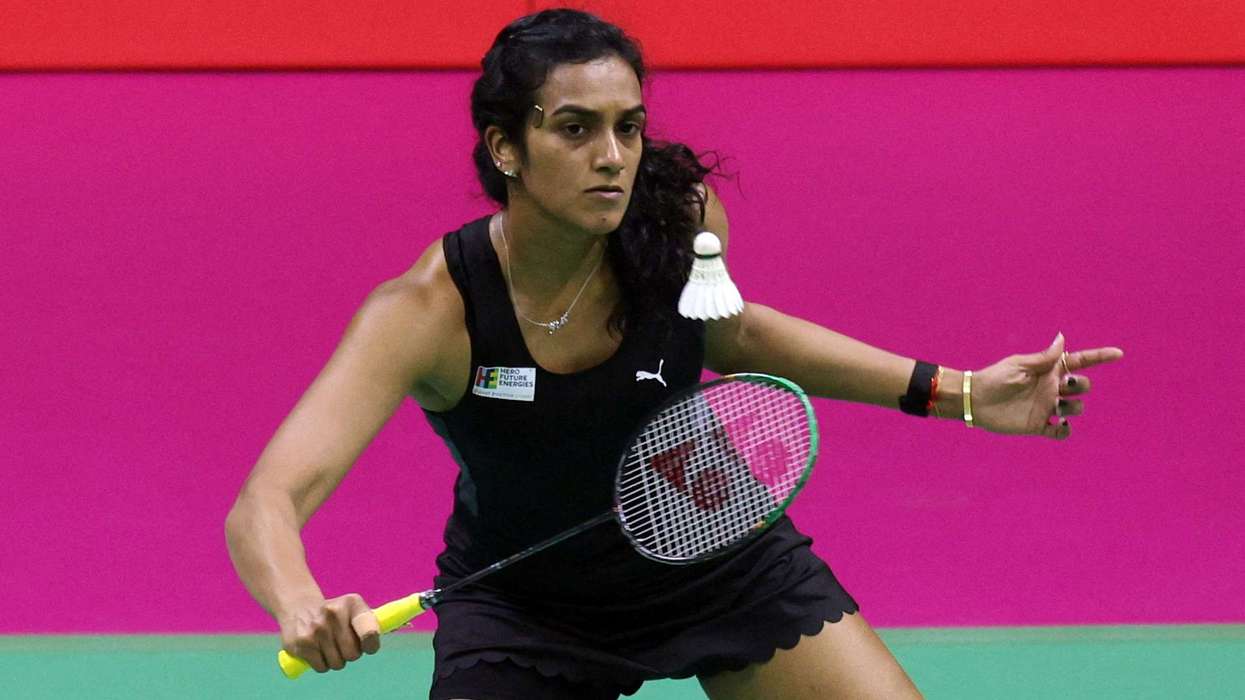
India's Pusarla Venkata Sindhu wears a Temple fitness tracker during her round of 16 match against China's Zhi Yi Wang in New Delhi, India, August 20, 2026.

REUTERS/Bhawika Chhabra

Why doctors are questioning Deepinder Goyal's $900 brain-tracking wearable

Highlights

  • Doctors say claims that Deepinder Goyal's Temple tracks blood flow to the brain lack peer-reviewed evidence
  • Goyal calls it a wellness device; Temple admits its key metrics rest on "emerging science"
  • India's health ministry is silent, while US regulators have challenged similar claims by Whoop

DEEPINDER GOYAL, Indian billionaire who co-founded Zomato, is facing a backlash from prominent Indian doctors over Temple, a Rs 85,000 ($907) wearable that claims to show how well the brain is being supplied with blood in real time.

Keep ReadingShow less