All We Imagine as Light, Payal Kapadia's competition entry for the 2024 Cannes Film Festival, has found a distributor for its release in North America.
According to American news outlet Variety, two companies -- Sideshow and Janus Films -- have jointly acquired the North American (US and Canada) rights to the movie, which is the first Indian film in 30 years and the first ever by an Indian female director to be screened in the main competition of the prestigious film gala.
Sideshow and Janus Films are planning a theatrical release, the report by Variety added.
Janus, which was set up in 1956, handles rights in all media to an extensive library that includes the work of Michelangelo Antonioni, Ingmar Bergman, Federico Fellini, Abbas Kiarostami, Akira Kurosawa, Andrei Tarkovsky, Francois Truffaut, Agnes Varda.
The company also handles many titles of Indian cinema legend Satyajit Ray, including the critically acclaimed Apu trilogy, comprising Pather Panchali (1955), Aparajito (1956), and The World of Apu (1959).
Besides Kapadia's film, the North American rights to Sandhya Suri’s Santosh, which was screened under the Un Certain Regard section, have been acquired by Metrograph Pictures.
Metrograph Pictures will distribute the film theatrically, with additional release details to be announced at a later date.
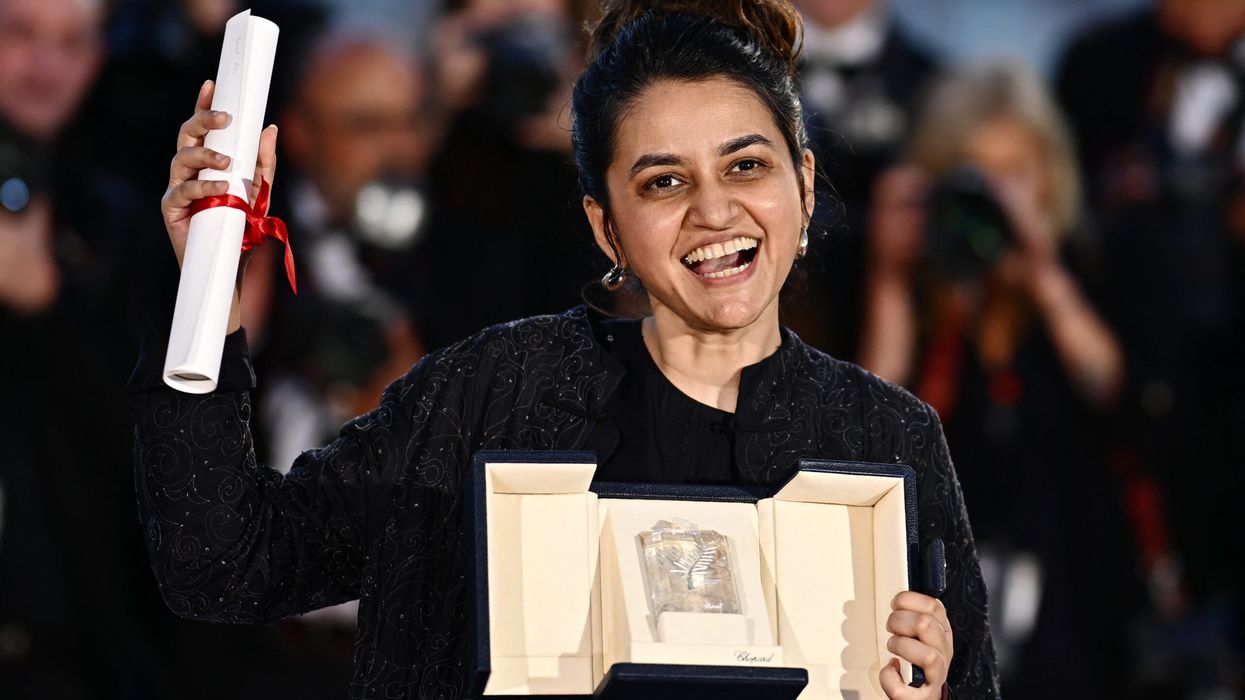
All We Imagine as Light, also written by Kapadia, marks her narrative feature debut. An alumna of the Film & Television Institute of India (FTII), Kapadia is best known for her acclaimed documentary A Night of Knowing Nothing, which premiered at the 2021 Cannes Film Festival’s Director’s Fortnight side-bar where it won the Oeil d’or (Golden Eye) award. Her short film Afternoon Clouds in Cinefondation, a category dedicated to supporting the next generation of talented filmmakers.
The Malayalam-Hindi feature will be screened alongside 19 other highly anticipated titles, including films from master directors Francis Ford Coppola (Megalopolis) and Yorgos Lanthimos (Kinds of Kindness).
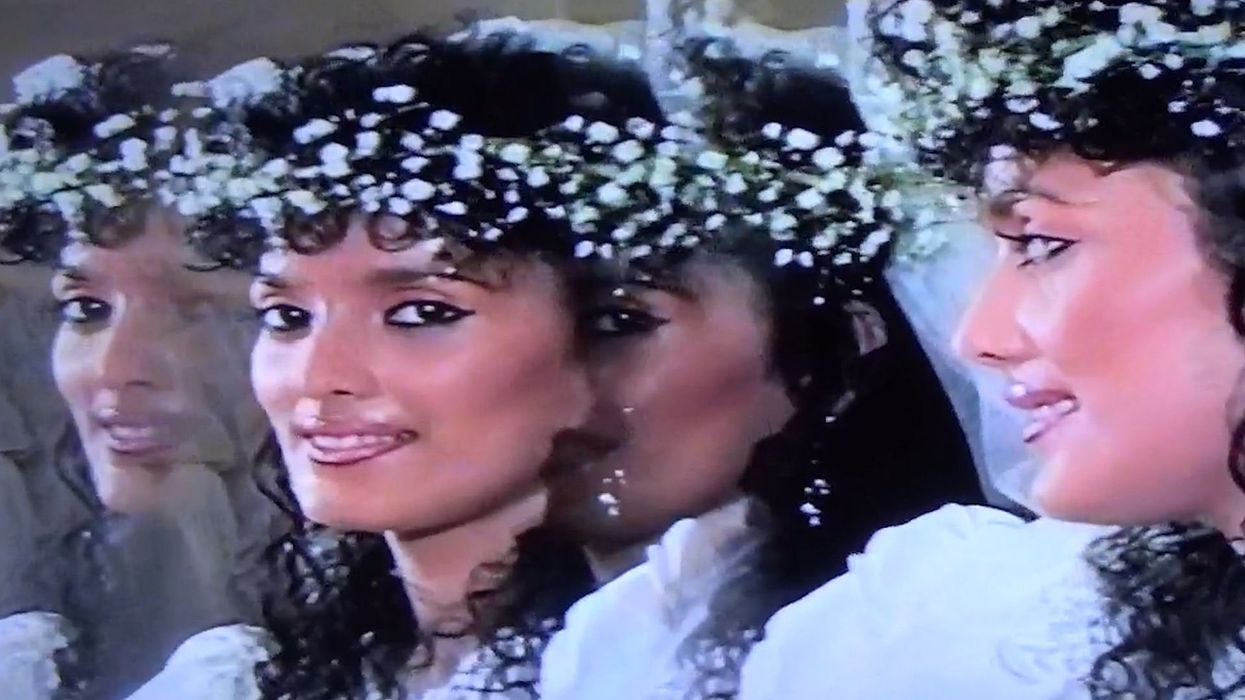
All We Imagine as Light is about Prabha, a nurse, who receives an unexpected gift from her long-estranged husband that throws her life into disarray. Her younger roommate, Anu, tries in vain to find a private spot in the big city to be alone with her boyfriend.
One day the two nurses go on a road trip to a beach town where the mystical forest becomes a space for their dreams to manifest, according to the plotline.
The film, an Indo-French co-production between Petit Chaos from France and Chalk and Cheese Films from India, features an ensemble cast of Kani Kusruti, Divya Prabha, Chhaya Kadam, Hridhu Haroon, and Azees Nedumangad.