
Skip to content
Search

Latest Stories

Charithra Chandran criticises showbiz culture of pitting people of colour against each other

Meanwhile, Charithra Chandran was most recently seen in How to Date Billy Walsh, a British teen romantic comedy.

Charithra Chandran criticises showbiz culture of pitting people of colour against each other

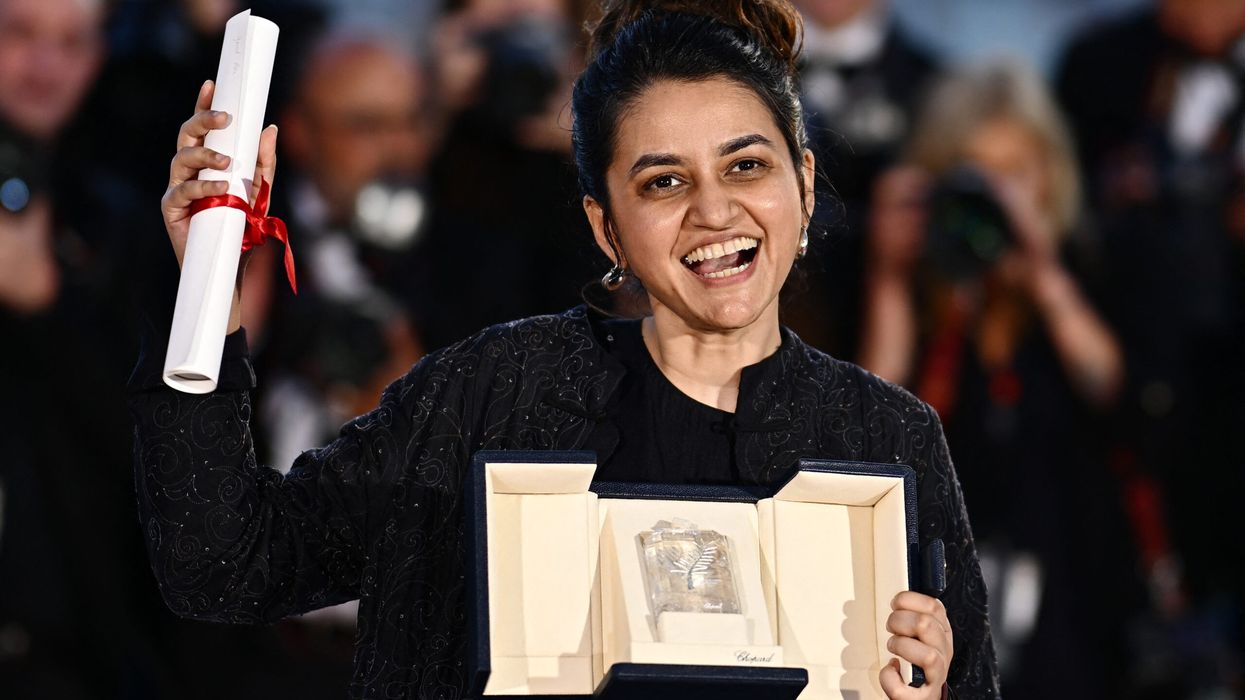
Charithra Chandran, who became a household name after playing the character of Edwina Sharma in the TV series Bridgerton, has spoken out against an entertainment industry culture that she believes fosters competition among people of colour.

In a conversation with Deadline, Chandran said, “It’s not a zero-sum game,” highlighting how industry gatekeepers perpetuate this mentality to create divisions within minority communities.


“You’re so focused on fighting your own that you become distracted from the people doing the oppressing. The oppressors have imposed the idea that there is only one seat at the table when what other people of colour are doing is just pulling up more chairs,” she said.

Ever since Bridgerton catapulted her to overnight fame, Chandran has expressed her views on colourism and the importance of diversity on multiple occasions.

“I think that is the burden of representation, right?” she added. “It’s so scarce that you’re expected to represent everybody in your community as opposed to just being an individual. The goal is that representation is so nuanced and so consistent that no one individual portrayal has that burden, but while I have it, it’s a really important responsibility that I take seriously.”

Meanwhile, Charithra Chandran was most recently seen in How to Date Billy Walsh, a British teen romantic comedy.

Her upcoming projects include a short film called Maya: Birth of a Superhero and TV shows such as Pillow Talk, Song Of The God, and Arzu.

More For You

Samir Zaidi

Two Sinners marks Samir Zaidi’s striking directorial debut

Samir Zaidi, director of 'Two Sinners', emerges as a powerful new voice in Indian film

Indian cinema has a long tradition of discovering new storytellers in unexpected places, and one recent voice that has attracted quiet, steady attention is Samir Zaidi. His debut short film Two Sinners has been travelling across international festivals, earning strong praise for its emotional depth and moral complexity. But what makes Zaidi’s trajectory especially compelling is how organically it has unfolded — grounded not in film school training, but in lived observation, patient apprenticeships and a deep belief in the poetry of everyday life.

Zaidi’s relationship with creativity began well before he ever stepped onto a set. “As a child, I was fascinated by small, fleeting things — the way people spoke, the silences between arguments, the patterns of light on the walls,” he reflects. He didn’t yet have the vocabulary for what he was absorbing, but the instinct was already in place. At 13, he turned to poetry, sensing that the act of shaping emotions into words offered a kind of clarity he couldn’t find elsewhere. “I realised creativity wasn’t something external I had to chase; it was a way of processing the world,” he says. “Whether it was writing or filmmaking, it came from the same impulse: to make sense of what I didn’t fully understand.”

Keep ReadingShow less