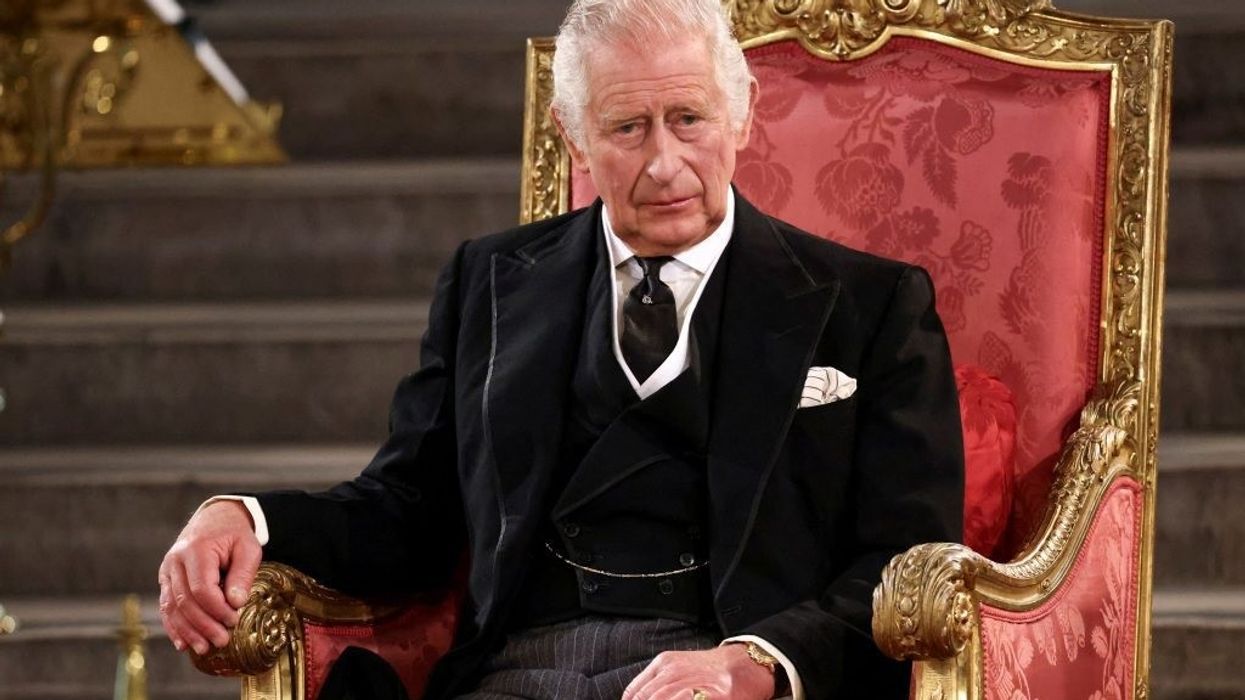

Following his ascension to the throne, King Charles III's charity, The Prince's Trust, has been officially renamed The King's Trust, Buckingham Palace on Friday (10).
The head of state, who turns 75 next week, formed the Prince's Trust with his Royal Navy severance pay in 1976 when he was Prince of Wales and heir to his late mother, Queen Elizabeth II.
It has since helped more than a million young people who have faced adversity across the UK build a better future through employment, education and enterprise, the palace said in a statement.
The trust has operated outside of the UK since 2015, delivering programmes across Asia, Africa, the Caribbean, Europe and the Middle East through Prince's Trust International.
It also has branches in Australia, Canada, New Zealand, and the United States.
"Together the charities deliver education, employability and enterprise programmes to underserved young people and communities in over 20 countries around the world," the palace said.
The Prince of Wales's Charitable Fund, which invests in a range of causes including the environment, social inclusion, and health, will also be renamed the King Charles III Charitable Fund.
The Prince's Foundation, which says it seeks to foster communities where people, places and the planet coexist, will now be known as The King's Foundation.
(AFP)