
Skip to content
Search

Latest Stories

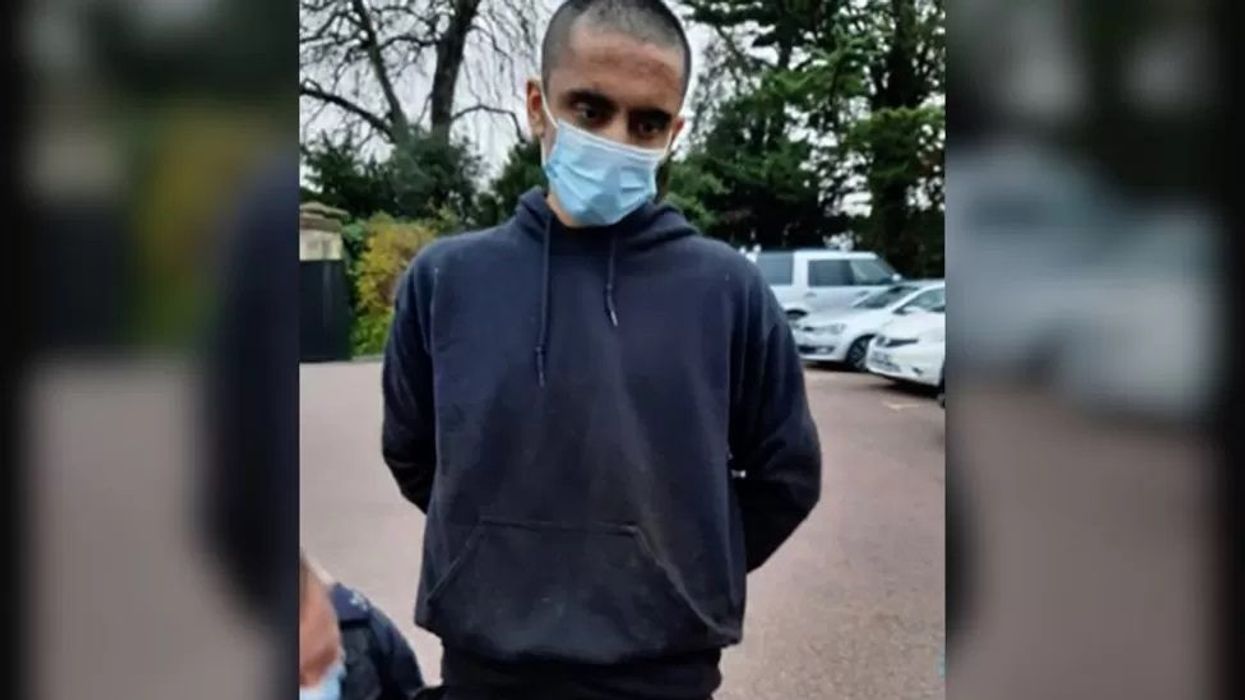
Crossbow intruder at Windsor castle planned to kill guards

Hailing from North Baddesley near Southampton, Chail pleaded guilty to charges of treason, making threats to kill, and possessing an offensive weapon

Crossbow intruder at Windsor castle planned to kill guards

In a court hearing, it was revealed that a 21-year-old man named Jaswant Singh Chail, who was armed with a crossbow and who had entered the grounds of Windsor Castle on Christmas Day with the intention of "killing" the late Queen had also planned to kill guards at the castle. However, he later changed his mind and decided against it.

Hailing from North Baddesley near Southampton, Chail pleaded guilty to charges of treason, making threats to kill, and possessing an offensive weapon.


He had written in his journal about his altered plan, stating that he would not kill any guards, making the task harder but this was his decision, the BBC reported.

The court learned that Chail's motive for wanting to kill the Queen was revenge for the 1919 Jallianwala Bagh massacre in India, where British troops fired upon thousands of innocent people in the city of Amritsar.

In addition to his disturbing intentions, Chail was socially isolated and had a history of trauma.

He had experienced psychotic episodes and depression. Before arriving at Windsor Castle, he had engaged in 5,000 sexually charged conversations with an artificial intelligence (AI) chatbot.

Chail's sentencing hearing took place at the Old Bailey, and the proceedings continue.

More For You

Black and mixed ethnicity children face systemic bias in UK youth justice system, says YJB chair

Keith Fraser

gov.uk

Black and mixed ethnicity children face systemic bias in UK youth justice system, says YJB chair

Highlights

  • Black children 37.2 percentage points more likely to be assessed as high risk of reoffending than White children.
  • Black Caribbean pupils face permanent school exclusion rates three times higher than White British pupils.
  • 62 per cent of children remanded in custody do not go on to receive custodial sentences, disproportionately affecting ethnic minority children.

Black and Mixed ethnicity children continue to be over-represented at almost every stage of the youth justice system due to systemic biases and structural inequality, according to Youth Justice Board chair Keith Fraser.

Fraser highlighted the practice of "adultification", where Black children are viewed as older, less innocent and less vulnerable than their peers as a key factor driving disproportionality throughout the system.

Keep ReadingShow less