SRI LANKAN authorities have declared a five-day closure of financial markets from Thursday (29) ahead of a controversial move to restructure the government's domestic debt amounting to more than $51 billion.
The restructuring affects government bonds in line with an IMF bailout agreed in March, after Sri Lanka defaulted on its foreign debt in April last year and declared bankruptcy.
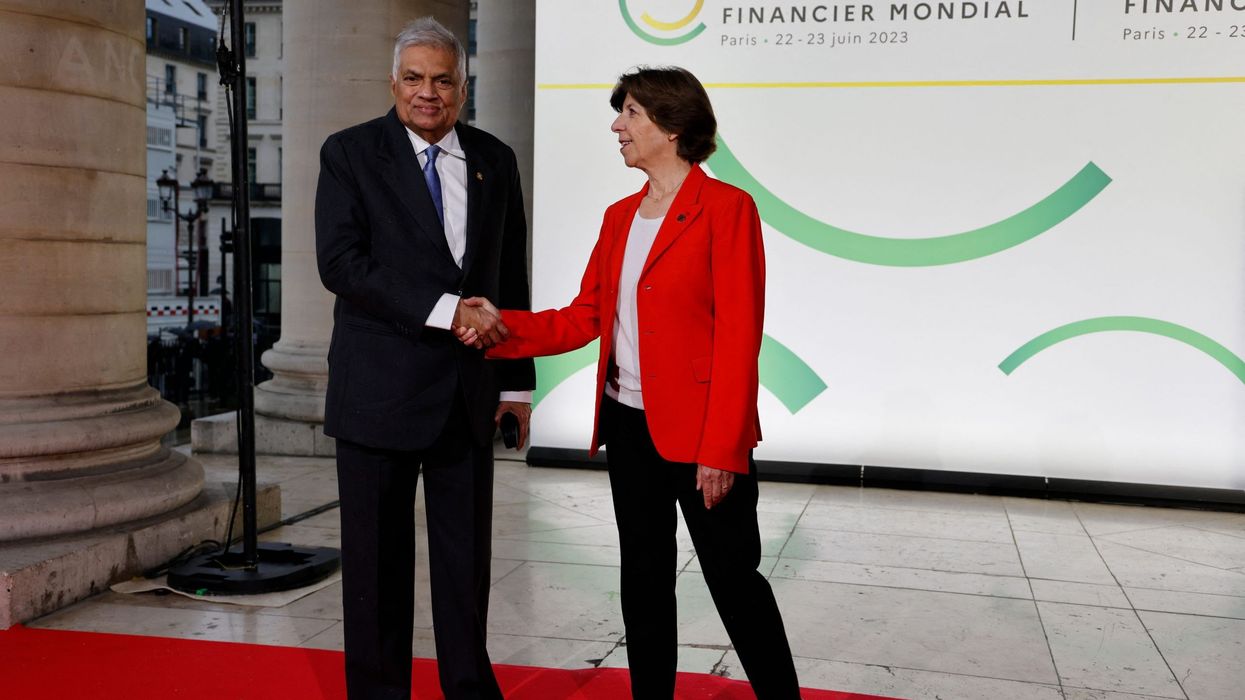
President Ranil Wickremesinghe said restructuring of local debt will have no impact on the stability of the country's banking system.
Colombo anticipates restructuring $17bn out of a total $41.5bn of foreign debts within a five-year term, the president said on Tuesday (27).
Central bank governor Nandalal Weerasinghe said authorities had ordered that Friday (30) will be a holiday, on top of existing religious holidays on Thursday and Monday and the weekend.
He told local television networks that it would be unhealthy for markets to remain open while the debt restructuring was being discussed in parliament.
"Markets should not function when sensitive debt restructuring is discussed," Weerasinghe told the Hiru TV network. "We hope to complete the restructuring process within these five days."
Weerasinghe said deposits of individuals would not be affected, but the government plan is to restructure treasury bills and bonds held by commercial banks and pension funds.
The government is still in talks with its foreign creditors to restructure external debt, a key condition to continue with the four-year $2.9 billion IMF rescue package.
The government had expected foreign debt restructuring by last August, but it was held up as the country's main bilateral creditor, China, was initially reluctant to take a haircut and instead offered more loans to pay off old debts.
More than $14bn of the total foreign credit is bilateral debt to foreign governments, 52 per cent of which is owed to China.
Under IMF conditions, the government must reduce its domestic and foreign debt servicing by more than half to balance its books and emerge from the island's worst economic crisis.
The country ran out of foreign exchange to pay even for the most essential imports earlier last year sparking unprecedented shortages of food, fuel and medicines.
Months of protest over mismanagement of the economy led to the toppling of then president Gotabaya Rajapaksa in July.
Rajapaksa's successor, six-times prime minister Ranil Wickremesinghe has cracked down on protests, raised prices, scrapped subsidies and doubled taxes to stabilise the economy.
Earlier this month, the IMF said Sri Lanka's economy showed "tentative signs of improvement", but recovery remains challenging and Colombo must pursue painful reforms.
Debt restructuring: Sri Lanka to close financial markets for five days
Colombo anticipates restructuring $17 billion of foreign debts within five years