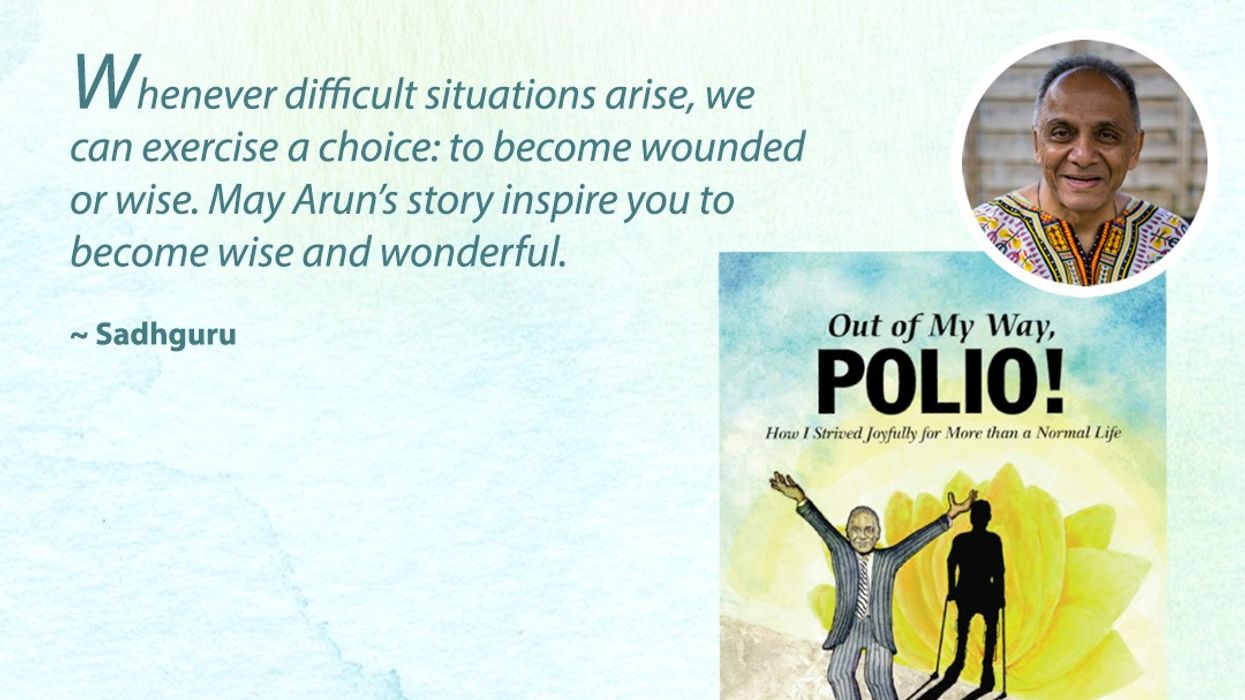

DESPITE being afflicted with polio from a young age, Arun Patel was undeterred by the disability; rather, he chose to take life head on.
In his new book, In Out of My Way, Polio! - Patel narrates his life story, which was full of challenges, starting from meeting the expectations of a demanding father to facing racial and physical discrimination at school.
"My father was single-minded about making me walk and lead a normal life like an able bodied person," he said.
"He set his standards high so I did not slip. He had witnessed and dealt with my disability from the outset, and he knew how much I would be able to tolerate. He was demanding with all my siblings, especially on academic performances, because he realised how his own future had changed with basic education."
In the 1940s, Patel's father left Gujarat, India for life in Uganda. Arun, along with his five other siblings were born there, before the Asians were expelled from the country by then president Idi Amin in 1972.
On the discrimination he faced, Patel told Eastern Eye: "At school, I would be ignored or overlooked for sports participation.
"Occasionally, I would face verbal abuse (calling names and all). In the UK, in the 1970s there was a fair amount of racial discrimination, but as I have mentioned in my book, I made light work of it because I wanted to get on with my professional qualification and I had that bigger picture in my sight all the time."
Patel succeeded in school and chose accountancy as his profession in London and became the only breadwinner for his entire family. Later he founded two charities - one for the benefit of children with polio and another for underprivileged children.
Patel has two grown up sons and currently lives in Ilford, Essex, with his wife Ranjan, and his mother.
He spoke of being inspired by Indian spiritual leader Sadhguru's wisdom and teaching.
Patel said, "As mentioned in my book, I had a deep-rooted yearning for spiritual enhancement, but I did not want to learn from the scriptures, holy books and other similar sources. I wanted practical experiences only. For me, Sadhguru's message is very simple. Try his kriyas and practises and if it works, then continue doing it, otherwise, do not bother. For me it has worked marvellously."




 Near MarrakechAmit Roy
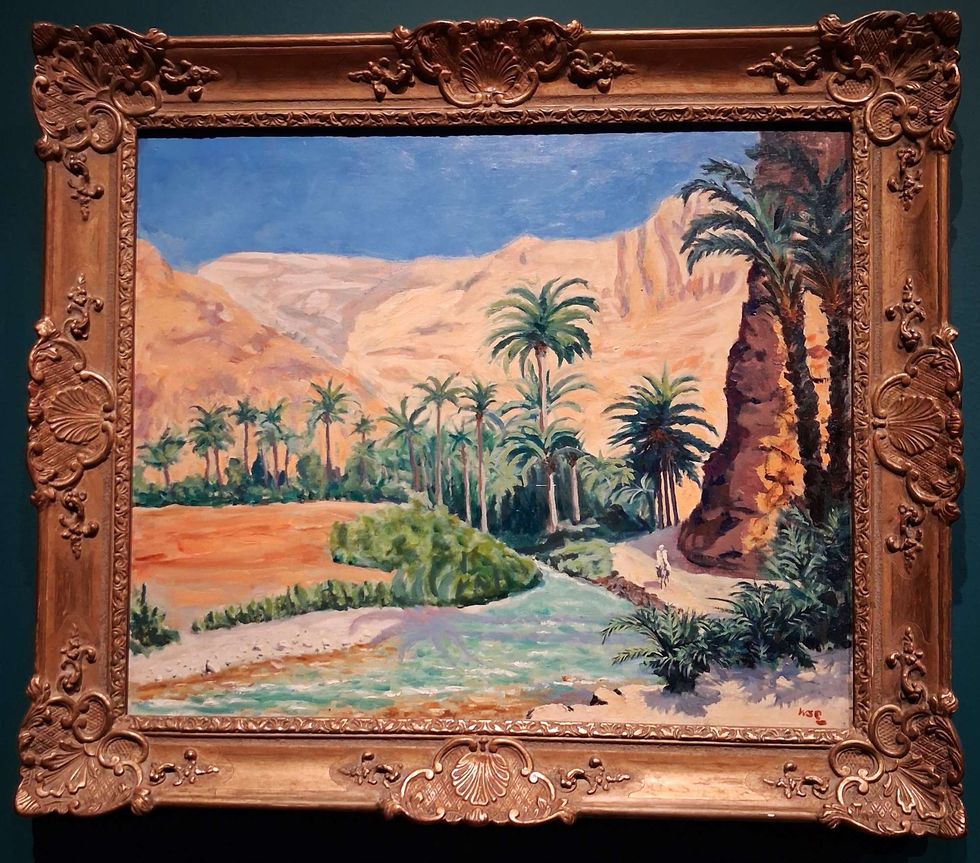
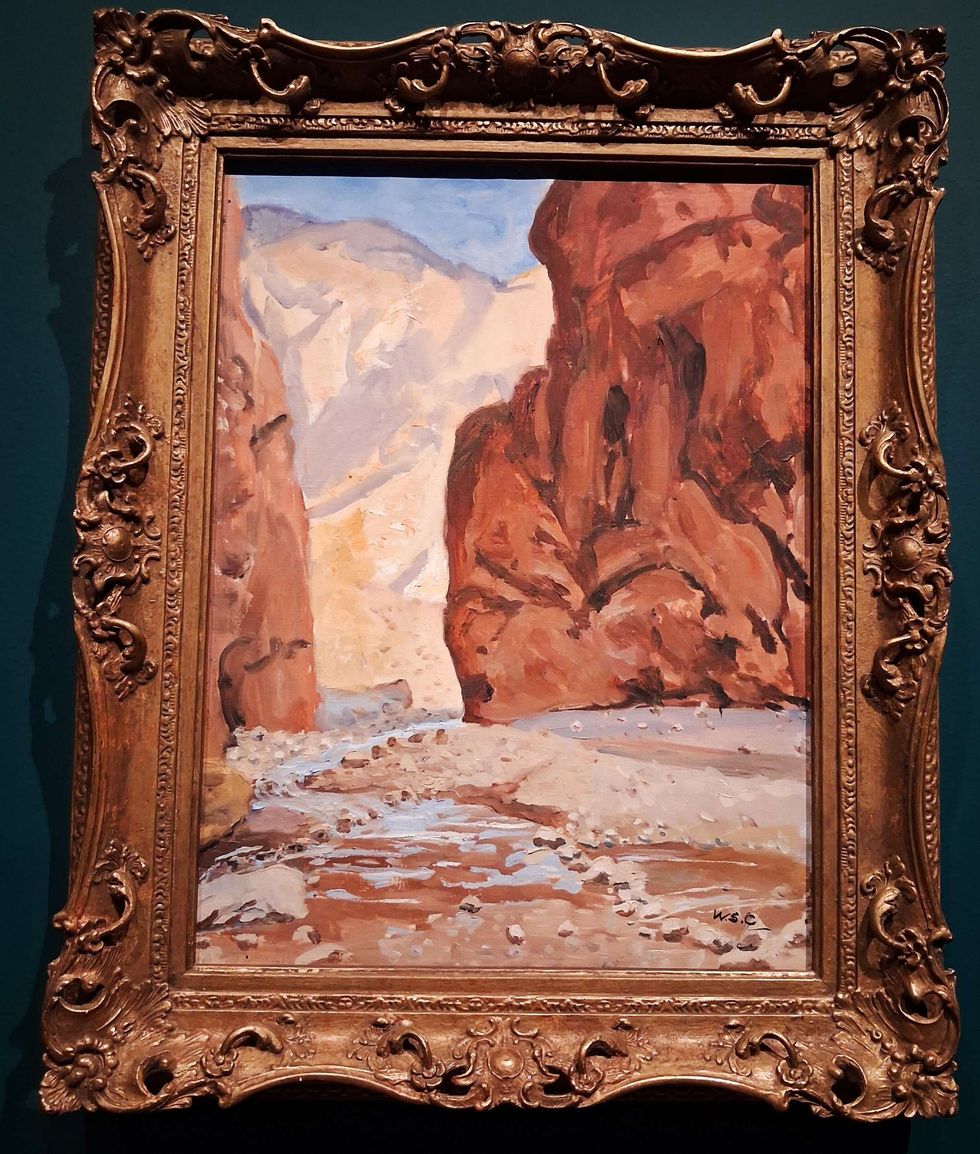 The Todhra Gorge Amit Roy
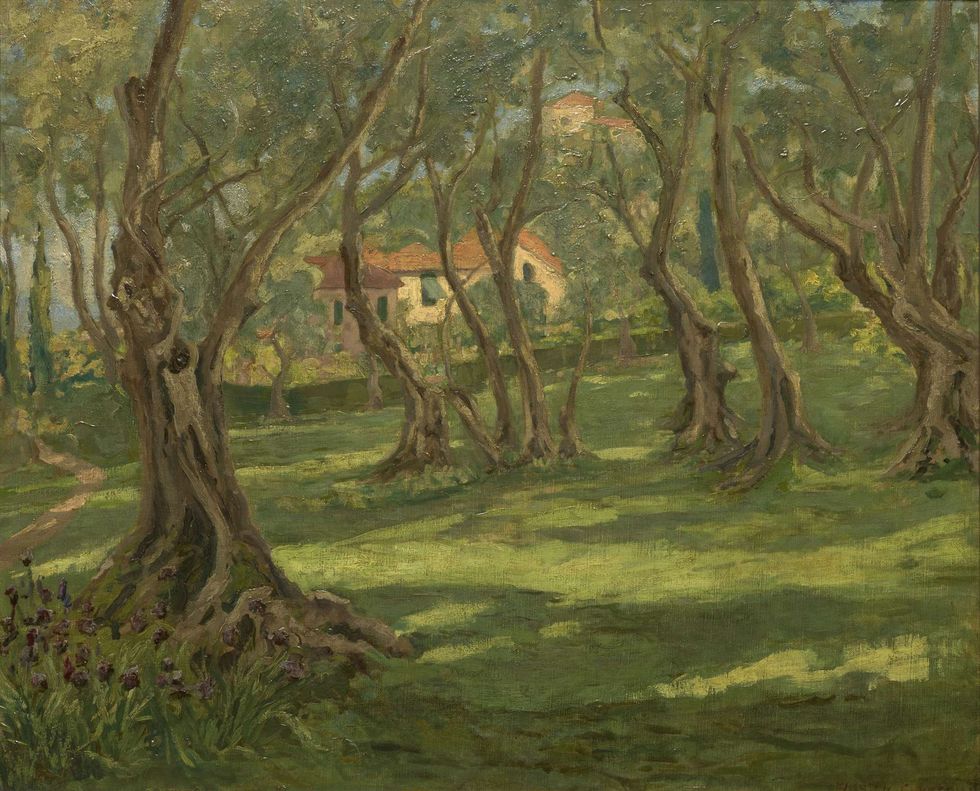 La DragonnièrePrivate Collection © Churchill Heritage Ltd_Photograph by Howard Agriesti
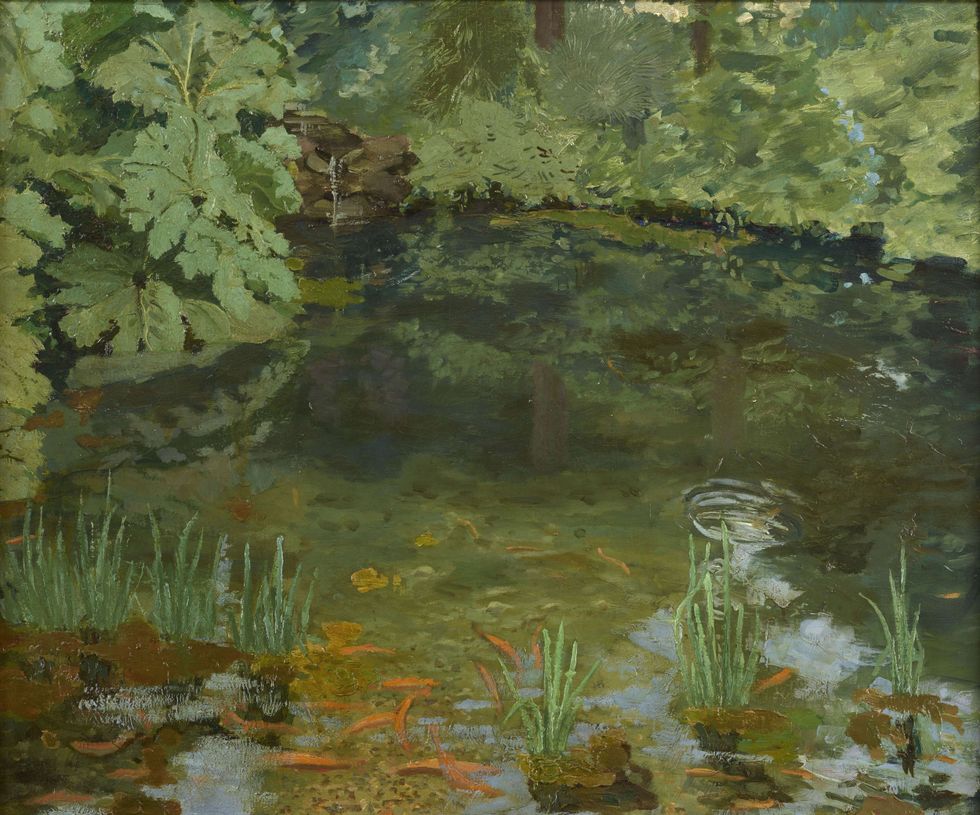 The Goldfish Pool at Chartwell Private Collection © Churchill Heritage Ltd Matthew Hollow Photo
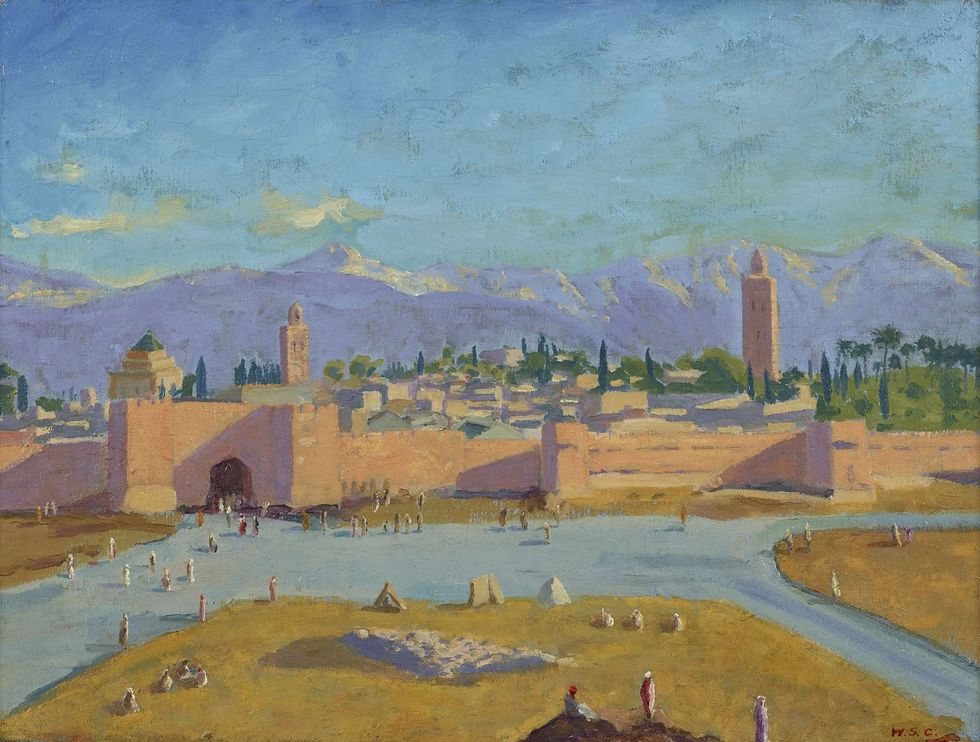 The Tower of the Koutoubia MosquePrivate Collection © Churchill Heritage Ltd_Image courtesy The Churchill Heritage Ltd
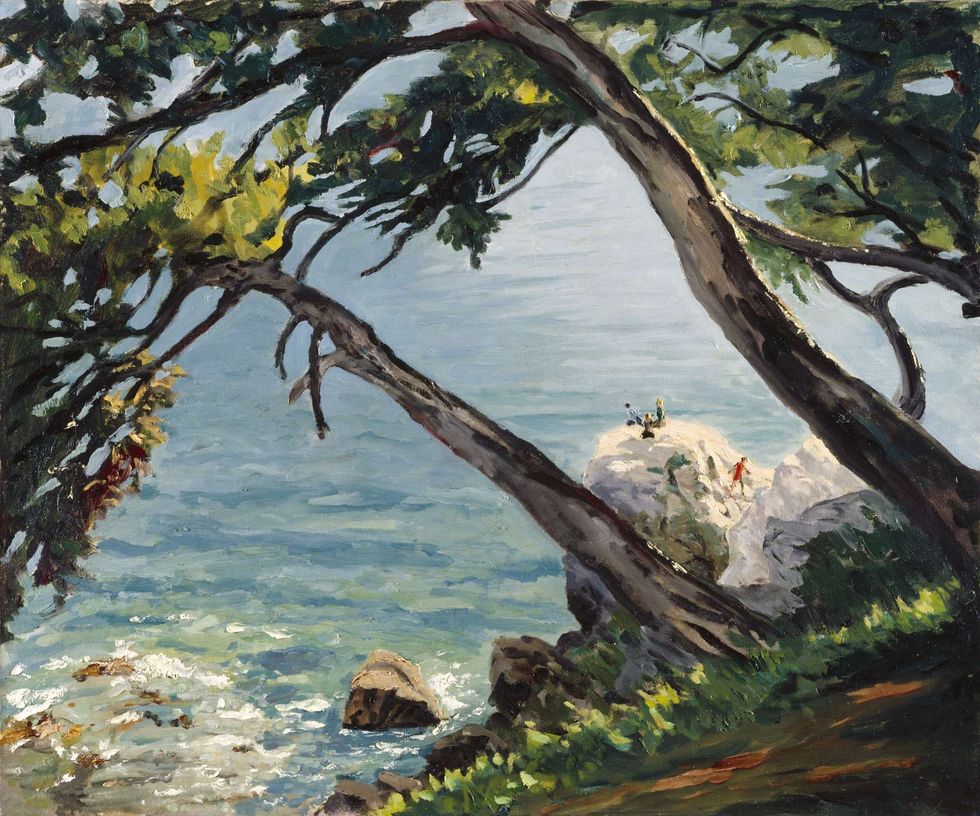 Cap d’Ail, Alpes-MaritimesRoyal Academy of Arts, London © Churchill Heritage Ltd Photo ©Royal
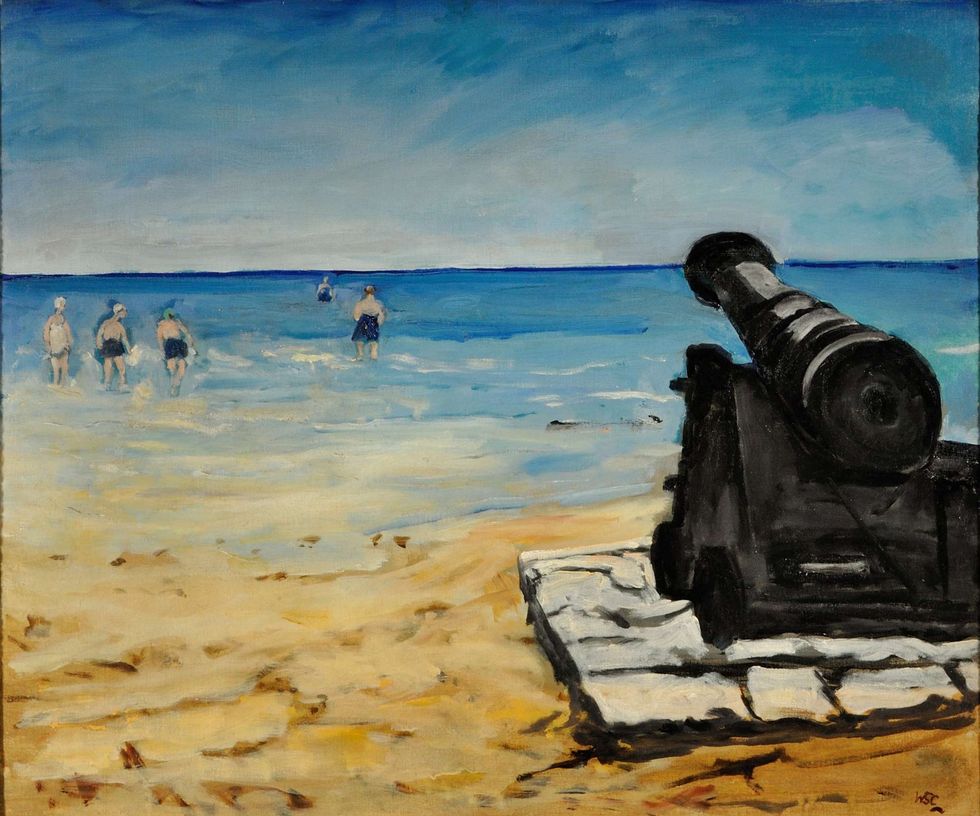 The Beach at Walmer America's National Churchill Museum at Westminster College, Fulton, Missouri © Churchill Heritage Ltd
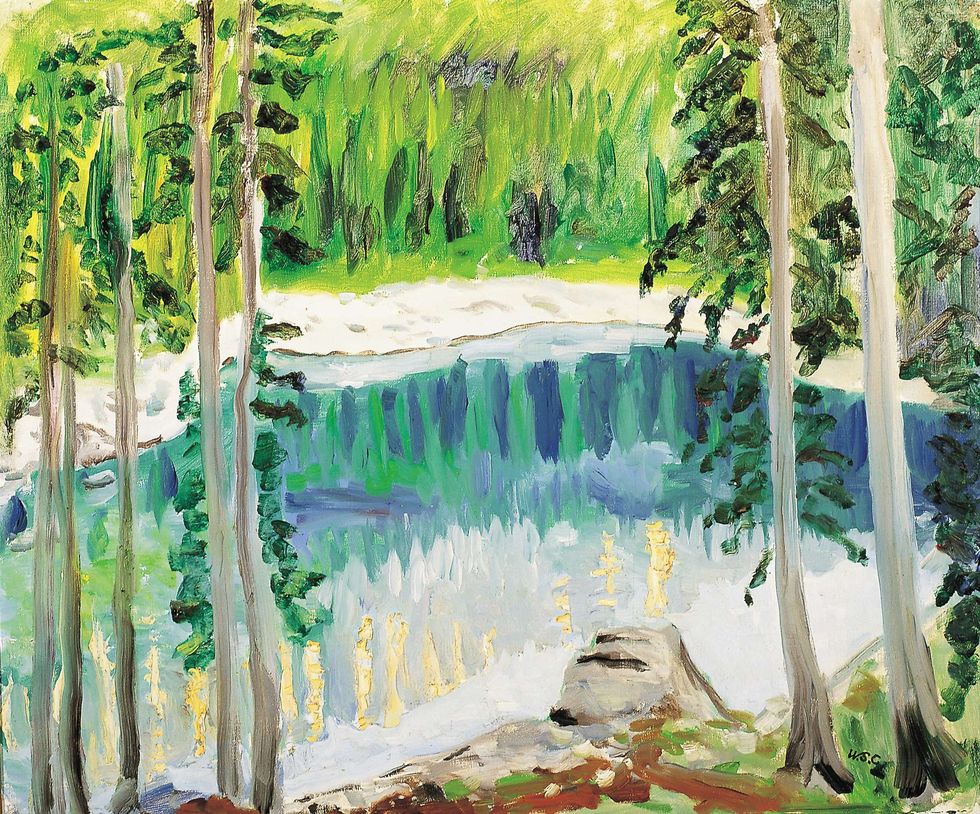 Sketch of Lake Carezza, or ‘The Twenty-Minute Sketch'National Trust, Chartwell © Churchill Herita
