
PEOPLE over 55 belonging to minority ethnic groups in England have poorer health-related life quality compared to their white British counterparts, with the impact equivalent to being 20 years older, a study concluded Friday(29).
Even before the Covid-19 pandemic struck, there was a large body of evidence to suggest that individuals from Bangladeshi, Pakistani, Arab and traveller backgrounds fare below average when it comes to a host of health conditions.
Writing in the Lancet Public Health Journal, researchers analysed data taken from patients over 55 at registered doctors practices across a three-year period.
They looked at how ethnicity was associated with five self-reported health issues: mobility, self-care, activity such as working or housework, pain or discomfort, and anxiety or depression.
They then gave each patient a "health-related quality of life" for each ethnic group, ranging from perfect health (1) to poorest health (-5.94).
They found that on average each of the five main ethnic groups scored poorer than white Britons, to the extent that it was as if patients from these groups were 20 years older than their counterparts.
Authors said that social deprivation, which is more common among non-white communities across England, likely played a role in the relatively poorer health of minority ethnic groups.
But they stressed that other factors such as institutional racism in local health care provision also played a role.
The study complements a host of research showing that black and ethnic minority individuals in Britain are at significantly higher risk of dying of Covid-19.
"The disproportionate number of deaths due to Covid-19 in minority ethnic groups has highlighted ethnic inequalities in health among older adults in England," said lead author Ruth Watkinson, from the University of Manchester.
"We need decisive policy action to improve equity of socioeconomic opportunity and transformation of health and local services to ensure they meet the needs of all people in the multi-ethnic English population."
Of the 17 minority ethnic groups identified in the study, only two -- Chinese men and women and black men -- outperformed whites health-wise.
Co-author Alex Turner said the data showed the need for "more nuanced research" to understand the specific barriers to good health in older ethnic groups.
"For example, Bangladeshi, Pakistani and Chinese ethnicities are often all categorised as 'Asian'," he said.
"In our study, people of Bangladeshi and Pakistani ethnicity had the worst disadvantage in health, compared with White British, whereas people of Chinese ethnicity had a relative advantage."





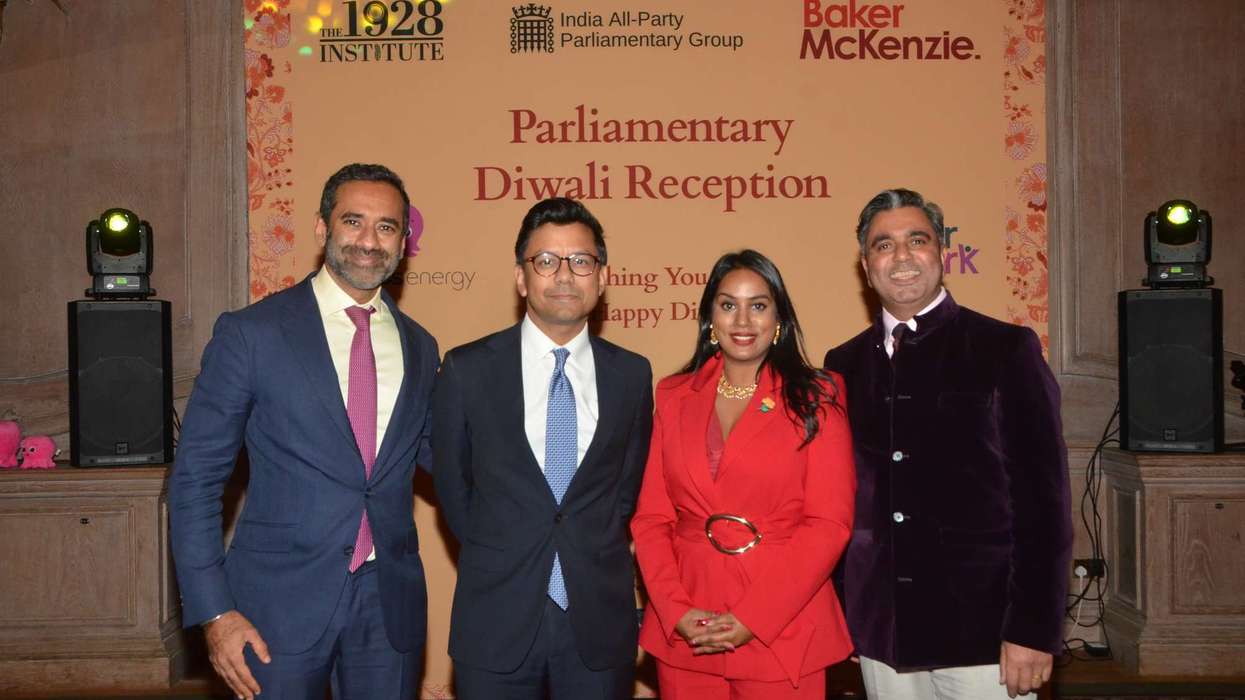
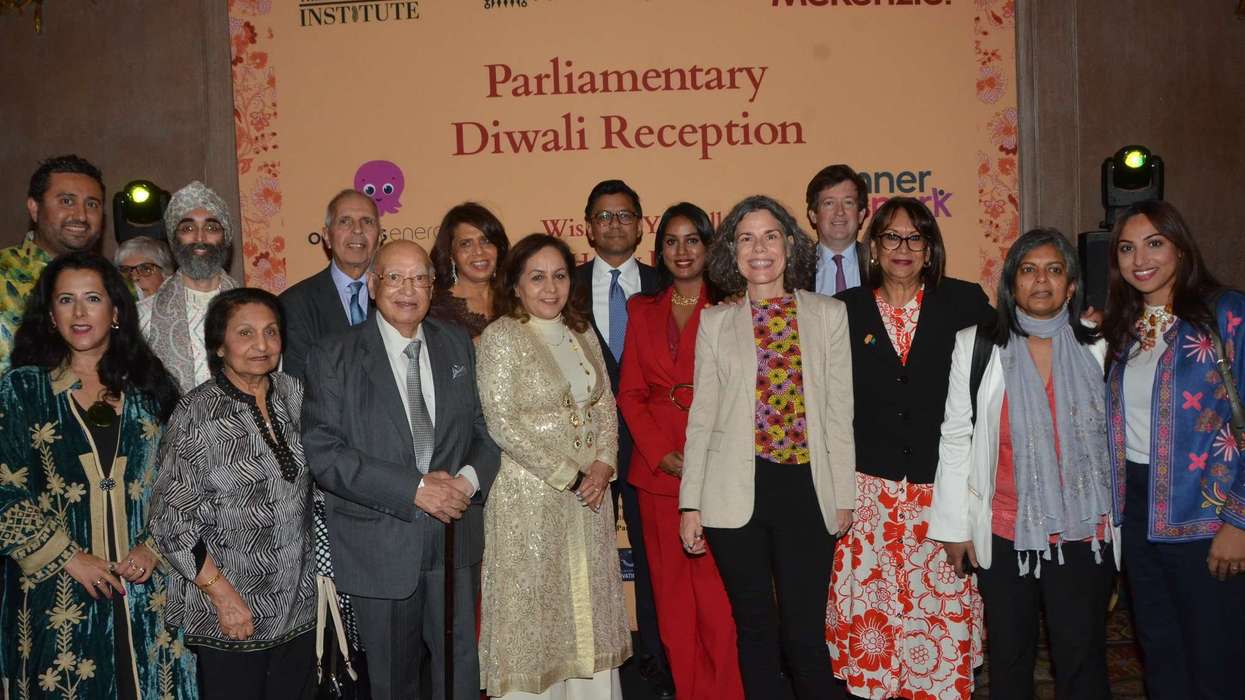 The event brought together politicians, business leaders and members of the British Indian communityAPPG India
 AI minister Kanishka Narayan with guests during the eventAPPG India