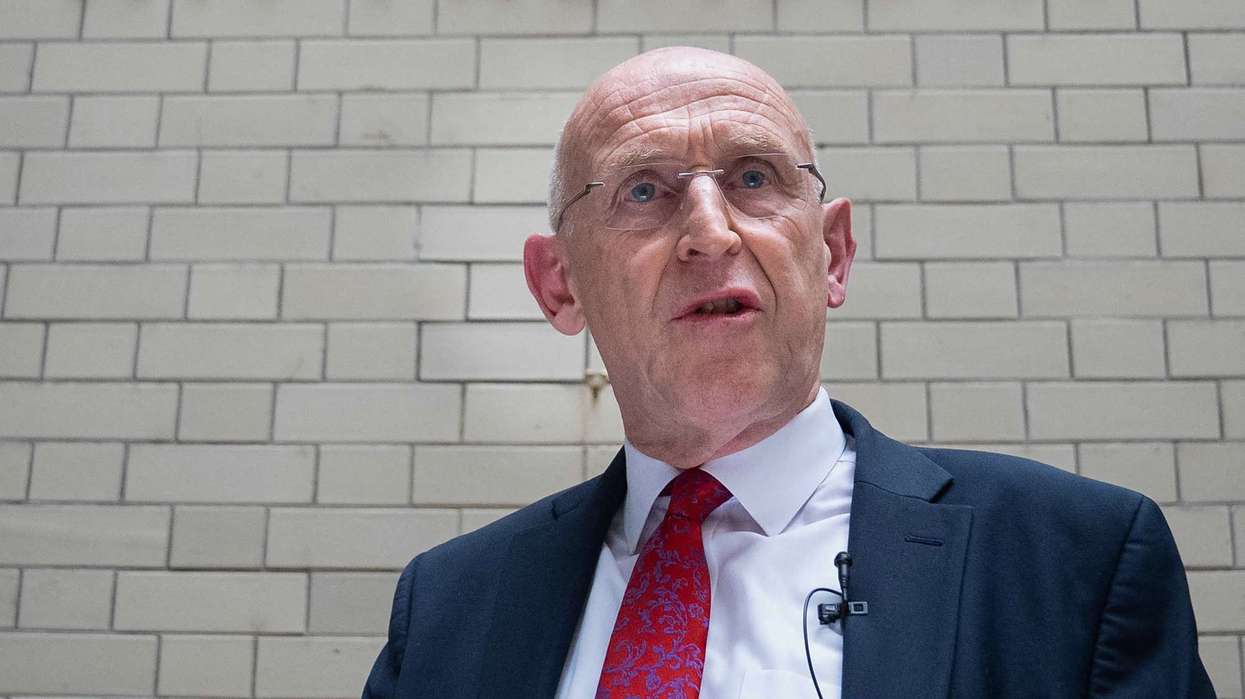
Laxman Narasimhan, CEO of Reckitt Benckiser, one of the world’s biggest consumer goods companies, says these are "extraordinary times”. With the outbreak of COVID-19 pandemic, his wife and two children were trapped in New York as the family was in the process of relocating to Britain. Now, the 52-year-old CEO runs the global corporation from his two-bed home in west London. Meantime, he also looks after his 79-year-old mother. His dining room-turned-office has pictures of his wife and children.
Narasimhan joined Reckitt from Pepsico in September 2019. The company has a workforce of 40,000 in 60 countries, with 4,000 of them in Britain.
Sales of Dettol cleaning products have soared because of the COVID-19 crisis. The company has stepped up production at Reckitt’s factories in Derby, Nottingham and Hull. Besides, Reckitt has simplified its ranges to boost volumes of the most popular products.
Recently, Reckitt launched a £32 million “Fight For Access” fund, equivalent to 1 per cent of its operating profit, to combat the pandemic. The budget is focused partly on a global marketing push to encourage better hygiene, with only 17 per cent of the world’s population typically washing their hands after visiting the toilet. The business has launched a social media campaign to highlight the importance of hand-washing.
Reckitt has funded a coronavirus global facts website and a Tiktok social media campaign to encourage people to wash their hands properly for 20 seconds.
Reckitt had an early sight of the impact of the virus because it has a Dettol factory in Hubei, China, 70 miles outside Wuhan, where the outbreak is thought to have started. Despite the rest of the country shutting down, Reckitt’s factory kept running to produce cleaning products, with workers put up in nearby hotels to limit the spread of infection.
Laxman says he took the job partly because he had an affinity with Dettol, the Reckitt product.
“When I was six, my brother died from an illness, aged just 8. When things got tough at home and we should be disinfected and clean, Dettol was the brand we used. It has been in our family, so when the call came I understood clearly the heritage of the product,” he says.
The business was hit by online rumours about the safety of ibuprofen in treating coronavirus, as the drug’s anti-inflammatory properties could dampen the body’s immune responses. People boycotted Reckitt’s ibuprofen-based Nurofen products.
“There is no evidence that we have seen that substantiates the statement around the risk of ibuprofen and Covid-19,” Narasimhan said. “We have seen nothing.”
Born in India and educated there and in America, he spent nearly two decades at McKinsey before, in 2012, he joined Pepsico.