FACEBOOK has blacklisted a group of Myanmar Buddhist hardliners including monks notorious for bilious hate speech against Rohingya Muslims, the company said Thursday (7), as it scrambles to show it is tackling inflammatory content.
The social media company plays an outsized role in a country that has only recently come online and boasts 18 million accounts among the population of around 50 million people.
UN investigators have said that Facebook has morphed into a "beast" in the country and that hate speech and incitement to violence against the Rohingya are rampant on the site.
Some 700,000 Rohingya have fled a violent army crackdown in Myanmar to Bangladesh since August last year - after years of increasingly violent and angry discourse against the minority, much of it playing out on Facebook.
In response, Facebook this week has undertaken its highest-profile visit yet to Myanmar.
It banned the Buddhist nationalist movement Ma Ba Tha from its platform, as well as a pair of prominent monks known for stoking hatred towards the Rohingya.
"They are not allowed a presence on Facebook, and we will remove any accounts and content which support, praise or represent these individuals or organisations," said Content Policy Manager David Caragliano.
Extremist monks Parmaukkha and Thuseitta join their fellow firebrand clergyman Wirathu on the blacklist, after he was banned in January.
Activists have criticised the platform for responding too slowly to reports of malicious posts, with some content being shared by users for more than 48 hours before being removed.
Examples include calls for the killing of a Muslim journalist and posts last September saying Buddhists and Muslims were each preparing attacks against the other.
Activists flagged these repeatedly to Facebook but it still took several days for the platform to act.
"We can do more, and we have been slow to respond," admitted Facebook Vice President of Public Policy in Asia-Pacific Simon Milner.
He said Facebook is increasing the number of people working on Myanmar from Singapore and Bangkok, including those who speak the language, although declined to give specific numbers.
The platform says it is also stepping up measures to prevent fake accounts and block repeat offenders while improving systems for users to report harmful content.
Myanmar activists welcomed the high profile visit but urged the platform to be more transparent.
"What is the time it takes to remove harmful content? How many people do we have in the team that speak Myanmar?" tech hub Phandeeya CEO Jes Kaliebe Petersen asked.
"Users deserve to know."
Facebook is caught up in a data sharing scandal that also stirred furious debate on its responsibilities for the content users share including "fake news" and hate speech.
AFP





 Sanjoy K Roy speaks during the eventEastern Eye
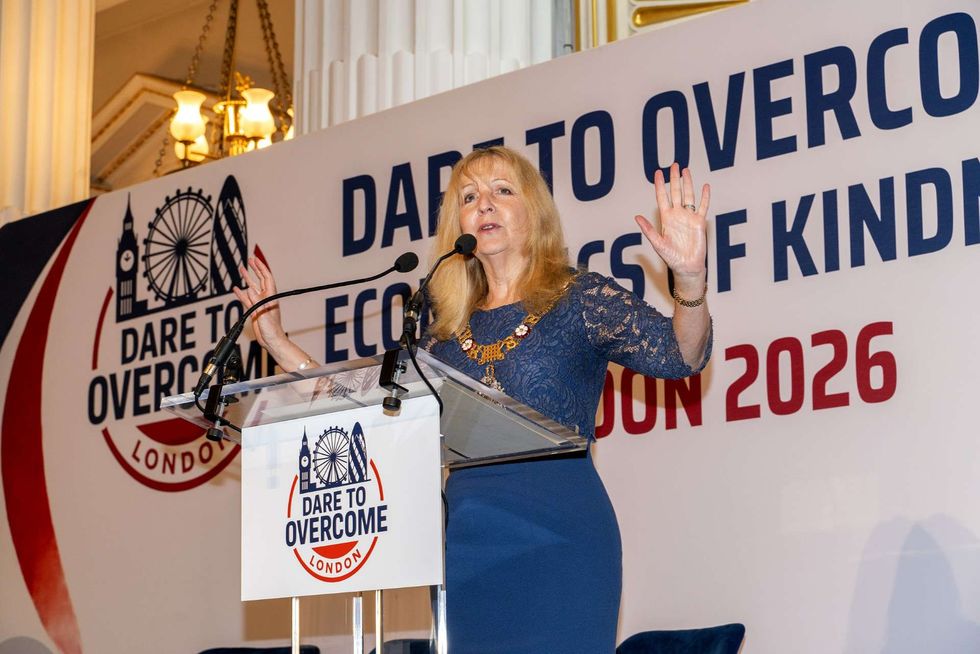 Dame Susan Langley, Lady Mayor of the City of London, speaks during the eventEastern Eye
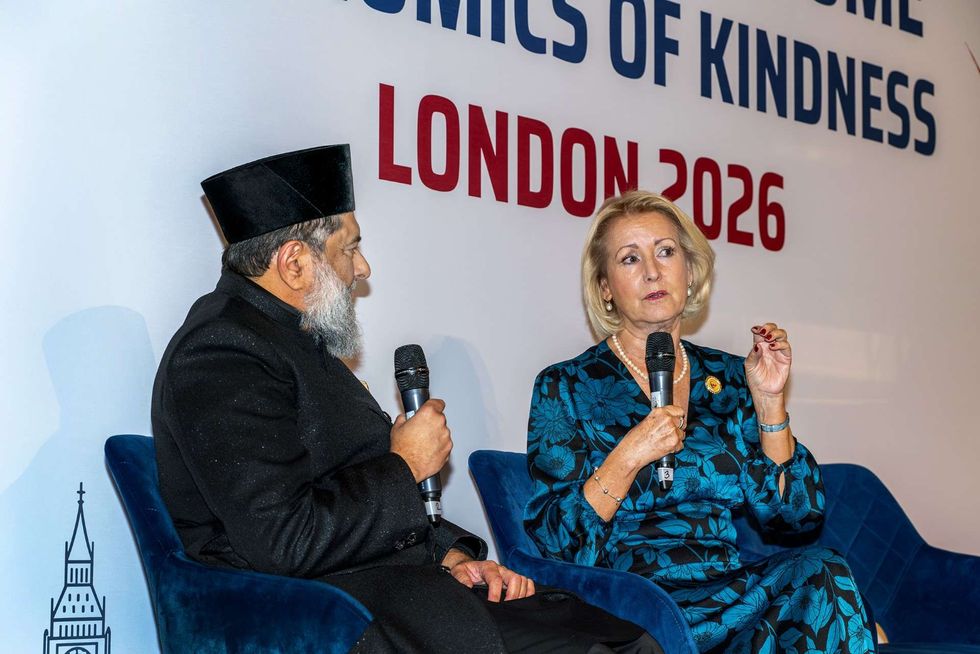 Dame Elizabeth Corley with Shaykh Ibrahim Mogra, Chaplain, Canary Wharf Multifaith ChaplaincyEastern Eye