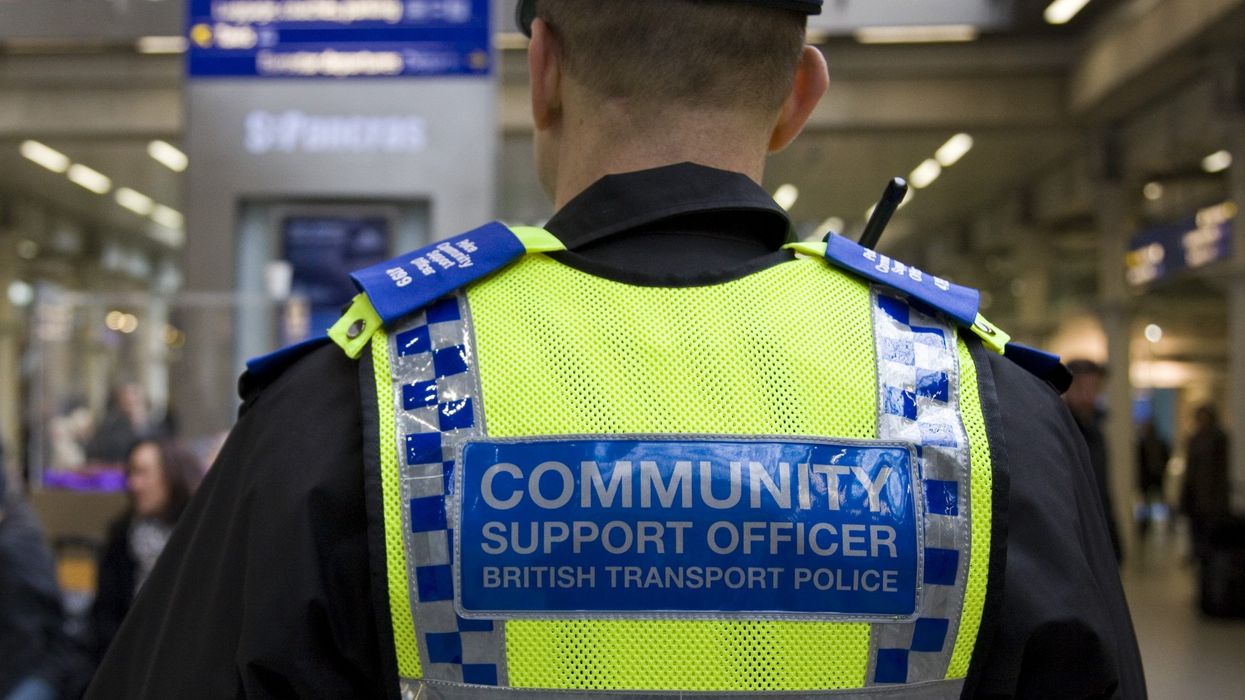

Mohammed Miah, a former police community support officer (PCSO), was sentenced to 14 months in prison at Leicester Crown Court for sending a threatening letter containing a sexual threat to a woman.
The letter was hand-delivered to the woman's address on April 9, 2022, while Miah, 27, of Clover Way, Syston, Leicestershire was off-duty.
The letter warned that the woman’s life would be ruined if she did not comply with a sexual act.
Leicestershire Police took action following the report of the letter and arrested Miah six days later, the BBC reported.
Initially denying any involvement, he was released, while investigations continued.
During an interview on December 8, Miah admitted to delivering the letter and also confessed to misusing force computers to conduct searches on the victim and individuals known to her.
As a result, Miah was suspended from duty pending the investigation. However, he later resigned from the force in the following month.
In April, Miah pleaded guilty at Leicester Magistrates' Court to sending a threatening letter under the Malicious Communications Act and three counts of misuse of a force computer under the Computer Misuse Act.
Chief constable Rob Nixon condemned Miah's actions as "disgraceful," and said that such behaviour would not be tolerated within the force. He further announced that internal misconduct proceedings would take place following the conclusion of the court case.