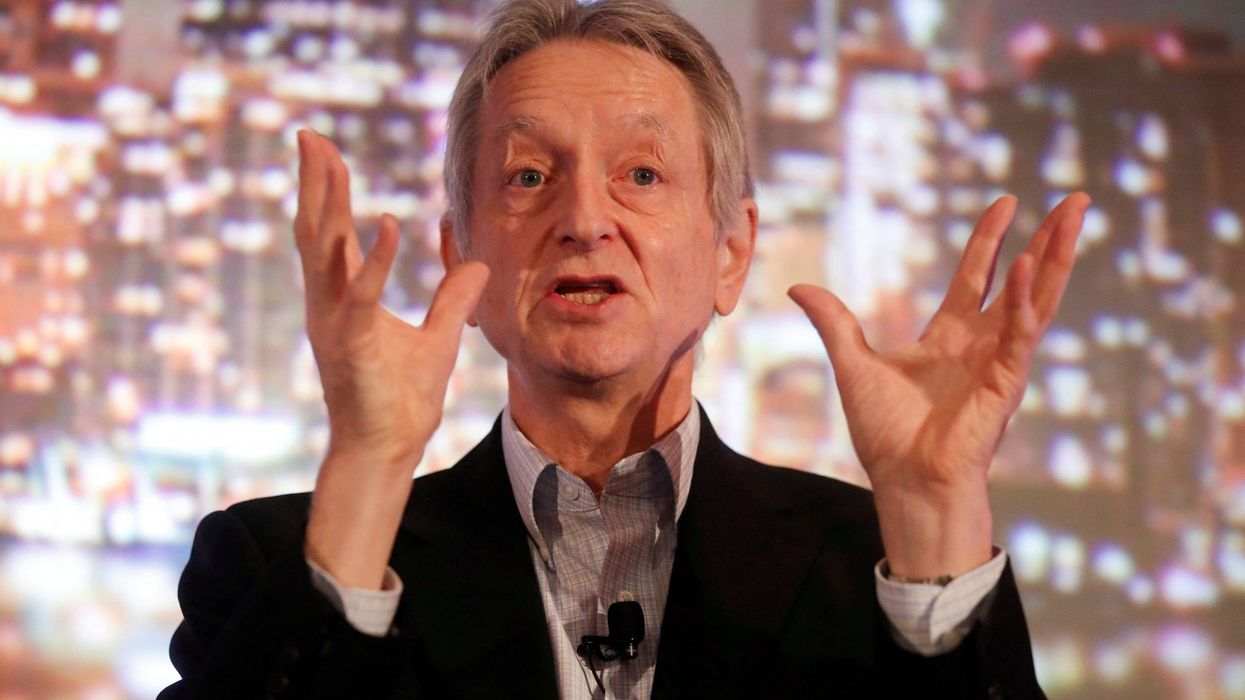

Geoffrey Hinton, a pioneer of artificial intelligence revealed that he left Google in order to have the freedom to discuss the potential hazards of the technology.
Hinton came to the realisation that computers could surpass human intelligence much sooner than he and his colleagues had previously predicted.
"I left so that I could talk about the dangers of AI without considering how this impacts Google," Hinton wrote on Twitter.
In an interview with the New York Times, Hinton said he was worried about AI's capacity to create convincing false images and texts, creating a world where people will "not be able to know what is true anymore".
"It is hard to see how you can prevent the bad actors from using it for bad things," he said.
The technology could quickly displace workers, and become a greater danger as it learns new behaviours.
“The idea that this stuff could actually get smarter than people — a few people believed that,” he told the New York Times. “But most people thought it was way off. And I thought it was way off. I thought it was 30 to 50 years or even longer away. Obviously, I no longer think that."
In his tweet, Hinton said Google itself had "acted very responsibly" and denied that he had quit so that he could criticise his former employer.
Google, part of Alphabet Inc., did not immediately reply to a request for comment from Reuters.
The Times quoted Google’s chief scientist, Jeff Dean, as saying in a statement: “We remain committed to a responsible approach to AI. We’re continually learning to understand emerging risks while also innovating boldly.”
Since Microsoft-backed startup OpenAI released ChatGPT in November, the growing number of "generative AI" applications that can create text or images have provoked concern over the future regulation of the technology.
“That so many experts are speaking up about their concerns regarding the safety of AI, with some computer scientists going as far as regretting some of their work, should alarm policymakers," said Dr Carissa Veliz, an associate professor in philosophy at the University of Oxford's Institute for Ethics in AI. "The time to regulate AI is now."
(Reuters)



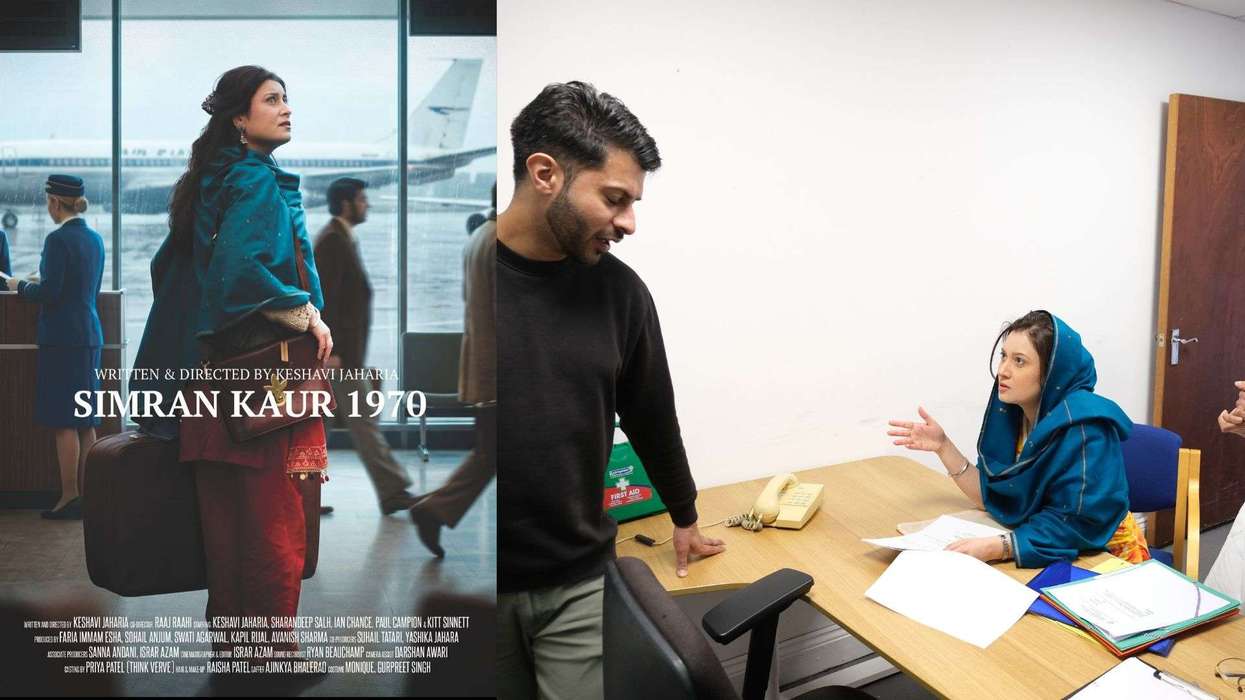
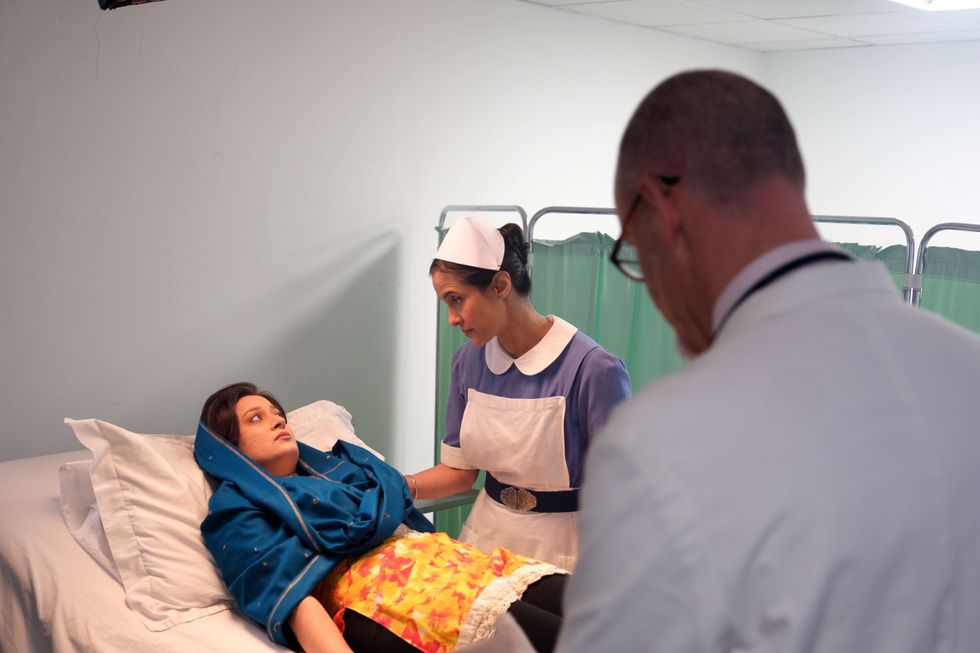 A still from the film showing nurse interacting with Simran Kaur for the virginity test.Google Drive
 Keshavi Jaharia as Simran KaurGoogle Drive
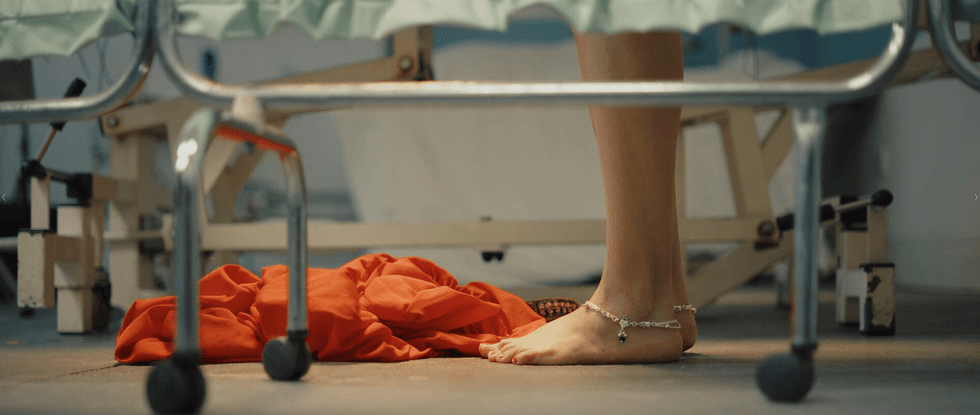 A still of the film portraying the alleged virginity testGoogle Drive
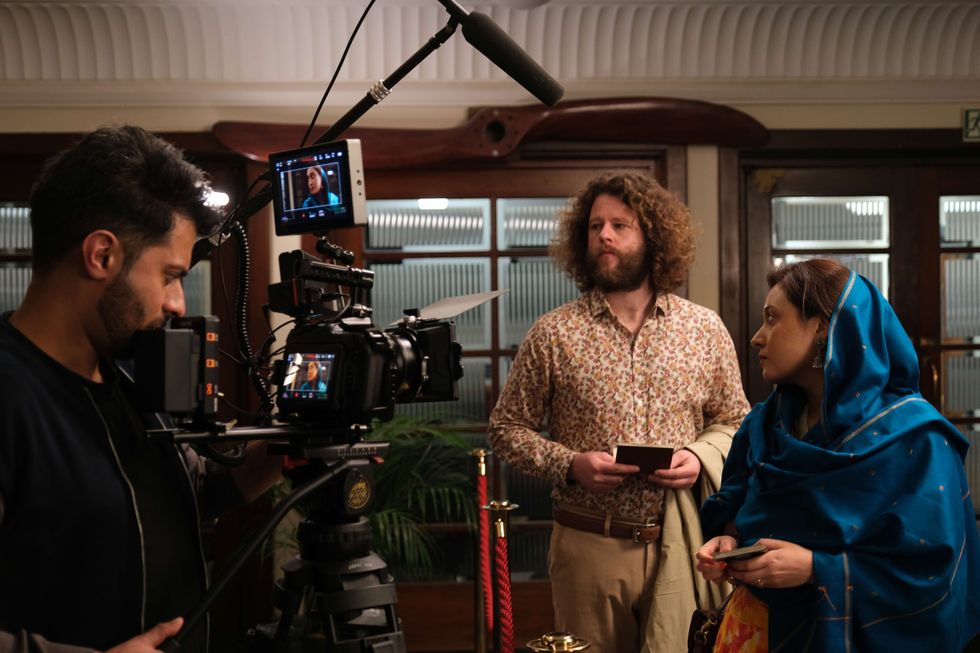 BTS of 'Simran Kaur 1970'Google Drive