
GURKHA military veterans on Tuesday (17) vowed a "fast until death" unless the British government agrees to meet them to discuss their longstanding grievances over pension rights.
Several hunger strikers have been camped out under makeshift shelters around the clock opposite prime minister Boris Johnson's Downing Street office, taking no food for the last 11 days.
Surrounded by flowers and candles left by supporters, they want the government to resolve their complaints about alleged discrimination and inequalities.
Veteran Yam Gurung, 71, said Gurkhas - Nepalese soldiers who served with the British Army - had fought alongside their British comrades in conflicts across the world.
But he said they were not treated the same.
"We are facing humiliation, racial discrimination... exploitation is there, alienation is there, vitriol by the British government is continuing," he told AFP.
"We are also human beings. We also feel and hurt."
The Gurkhas, who carry razor-sharp kukri fighting knives, have gained a reputation for fierce fighting, loyalty and bravery.
They first served as part of the Indian army in British-ruled India in 1815 and around 2,700 are currently enlisted in Britain's armed forces.
But it is only since 2007 that they have had the same pay and conditions as British soldiers.
'Equal danger, equal reward'
Those who served before 1997 receive only a fraction of their British counterparts' salary, as it was assumed they would return to Nepal after leaving the army, where the cost of living is significantly lower.
They previously lost a legal challenge against the situation, and say it has left some 25,000 older Nepalese veterans out of pocket - a situation made worse by the global coronavirus pandemic that has left many in poverty.
"We are paid less so we are struggling hard," said Gurung, who served in the first Gulf War in 1991.
"We want that there shouldn't be any division. There should be one rule for everybody. We should be paid equally. Equal danger, equal reward," he said.
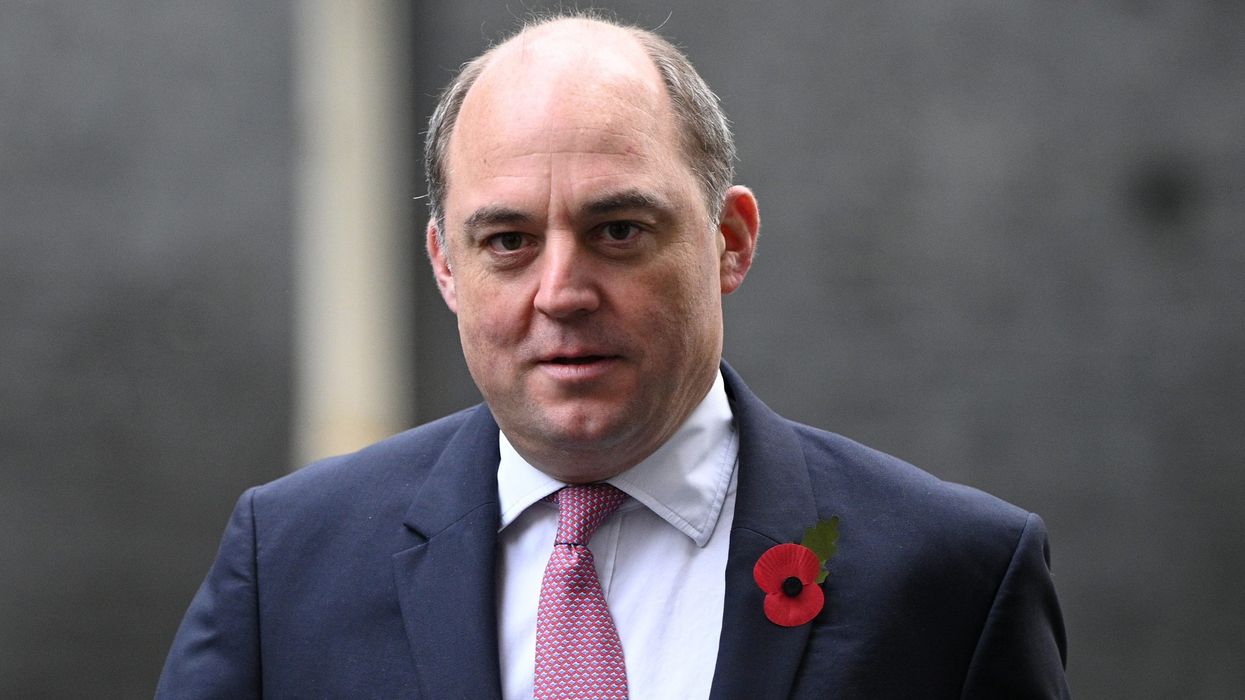
Defence secretary Ben Wallace, a former British Army officer, has said he is "very happy to meet with Gurkhas" to discuss the complex pension dispute.
"My father fought alongside the Gurkhas in Malaya (modern-day Malaysia and Singapore) in the 1950s, it is a pretty remarkable group of people," he said.
But the Gurkhas want urgent action rather than kind words. Veteran Shyam Thakuri called the situation "inhuman".
"We know what's going on. Every year they (Gurkha veterans) dwindle down. They know fragile old vets die naturally or some of them with a health problem," he added.
"We are going on hunger strike until the British government comes up with a written assurance stating that they will sit down with the Nepal government... and sort this problem."
(AFP)