
BOLLYWOOD LET DOWN SUSHANT AND SO MANY STARS
BY THE time Bhagwan Dada died of a massive heart attack on February 4, 2002, aged 88, he was forgotten and living in a tiny room with nothing.
When Meena Kumari passed away alone in a hospital bed, aged 38, legend has it that there wasn’t enough money to pay costs and those present apparently took the last remaining jewellery she had from her fingers to pay the medical bills, and funeral.
Once the most beautiful woman in Bollywood, Parveen Babi was largely abandoned to battle mental illness alone and had been dead for three days before she was found. Silent movie superstar Sulochana died penniless in the early 1980s, despite being the fifth recipient of Indian cinema’s highest honour The Dadasaheb Phalke Award.
 Parveen Babi
There was a similar story for many others, including the great Bharat Bhushan. What all these names have in common is that they were huge movie stars who were forgotten by their own industry and had tragic endings. They all also illustrate how much of a selfish and unforgiving place Bollywood has always been.
That is why it is no surprise that most of the Hindi movie industry forgot Sushant Singh Rajput shortly after putting up solitary social media posts and why they will unlikely do anything to mark his birth anniversary on January 21. Nineteen months after his untimely death, none seem to have wanted a thorough inquiry into his death or questioned why the investigation remains open. The industry isn’t any closer to setting up something for fraternity members in need or addressing the issue of mental health in a meaningful way. Some accused him of taking drugs, but none have come forward to start any kind of anti-drugs campaign.
It is a part of a pattern that goes right back to the early days of Indian cinema when many pioneers, superstars and hardworking actors were forgotten, when faced with difficulties in life. Even pathbreaking legends, who had great lives, were disrespected by the younger generation, who chose to party nearby instead of attending their funerals. Late actor Rishi Kapoor had slammed these youngster stars in 2017 for partying instead of attending Bollywood legend Vinod Khanna’s funeral. All of these late celebrities were loved and centre of attention but cast aside when no longer useful.
The industry forgets so many of these personalities because they shine a mirror into the ugly side of Bollywood. That is why the fraternity probably wanted to quickly move on after Sushant died, like it has done countless times across the decades. They didn’t want to remember the opportunities he was robbed of and how badly the industry let him down during his most difficult times. But those left deeply affected by his death haven’t let that happen and turned the tragedy into a reckoning.
 Bhagwan Dada
The late actor was the most trended Indian film personality on Twitter in 2021 and boycott Bollywood was the most dominant Hindi cinema topic on the micro-blogging site, by far, largely due to the hurt felt by his death.
Countless people have kept calling for justice and many have made good on the promise of boycotting Bollywood, which was demonstrated by a shockingly high number of films failing. In fact, 2021 was arguably the worst ever year for Hindi cinema.
That remembrance of Sushant will continue on January 21, which would have been his 36th birthday. Like last year, the day will be filled with sadness and there will be a call for a conclusive investigation into his death. While that happens, Bollywood will carry on hoping it will go away, but that won’t happen. Sushant’s wellwishers will remember him for years to come and carry on reminding Bollywood about its poor attitude towards outsiders. Already in 2022, Sushant is trending across social media more than any other Hindi film star and continues to shine.
The actor has left a giant spotlight onto the ugly side of Hindi cinema, which doesn’t look like it is going to dim any time soon.



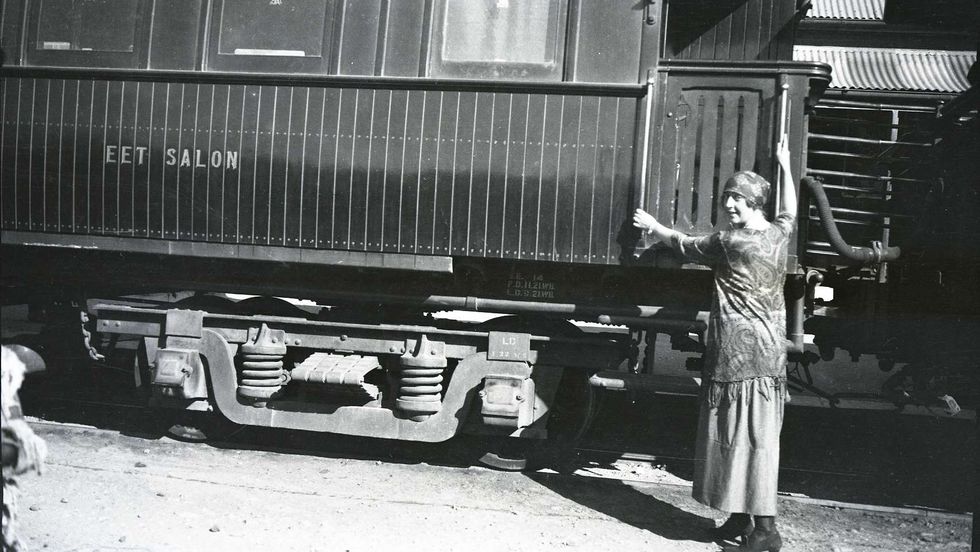 Agatha Christie boarding the EET Salon at lunchtime on the train from Bulawayo to the Cape. In 1922 Agatha Christie set sail on a 10-month voyage around the world. Her husband Archie had been invited to join a trade mission to promote the British Empire Exhibition and Agatha was determined to go with him The Christie Archive Trust
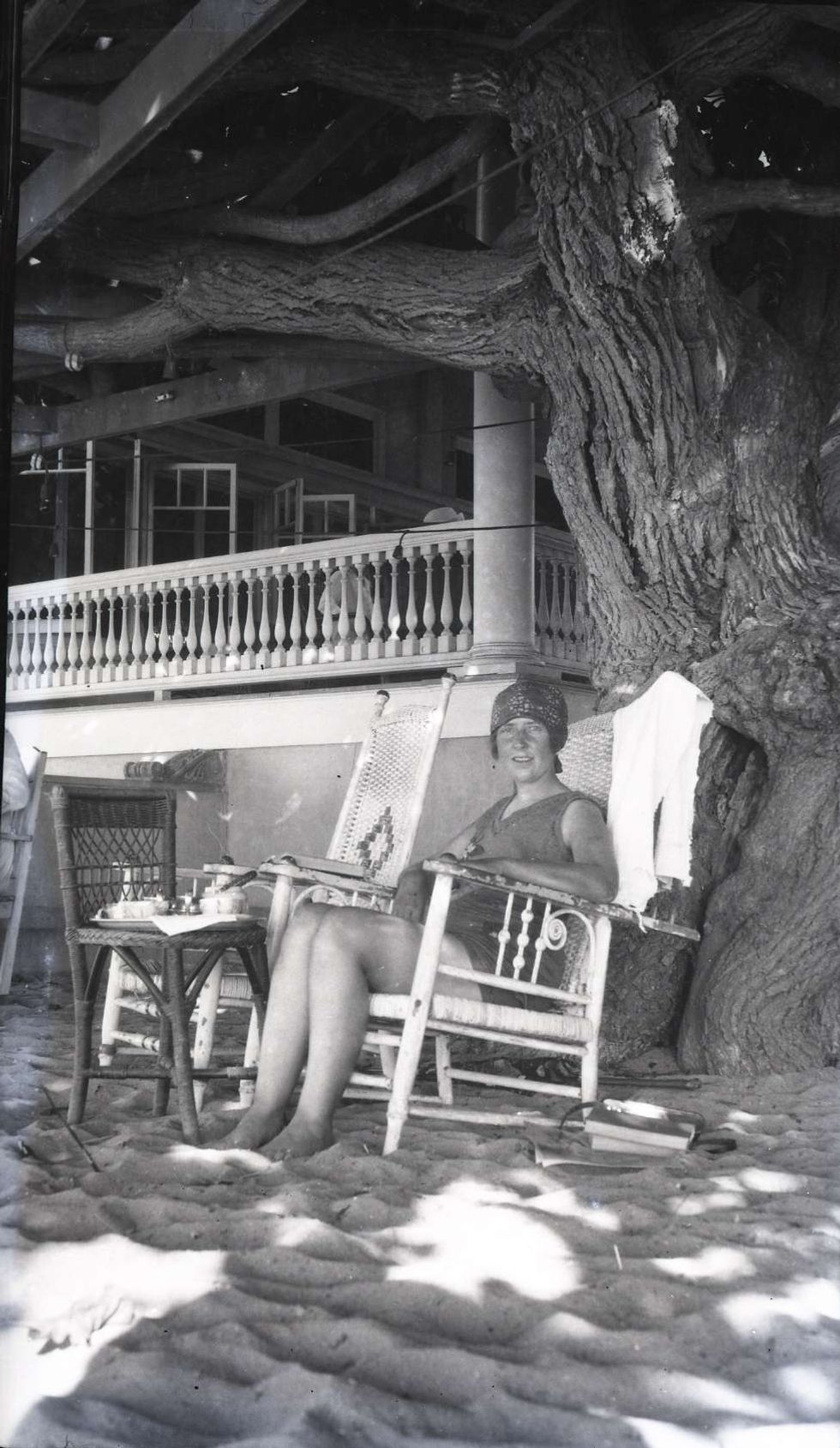 Agatha Christie under a tree on Honolulu beach after surfing, 1922. Agatha and her husband Archie were permitted to take a short holiday away from the 1922 trade mission and chose Honolulu where they learnt how to surf on longboards. Here Agatha purchased a surf suit in the local style, better suited to the demands of surfing than her swim attire for bathing in Torquay. The Christie Archive Trust
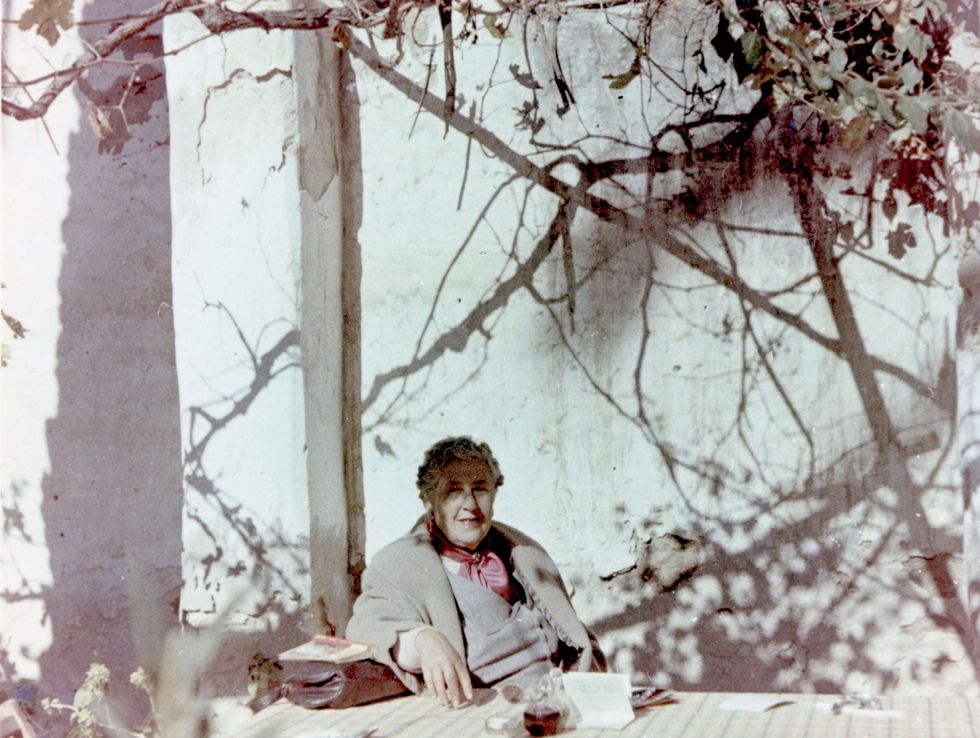 Agatha Christie relaxing during a sightseeing tour, Tajoura, Libya, 1955. Agatha and her second husband, archaeologist Max Mallowan had invited Agatha's daughter Rosalind and grandson Mathew to join them on a tour of the ancient sites of Leptis Magna and Sabratah during December 1955. The Christie Archive Trust
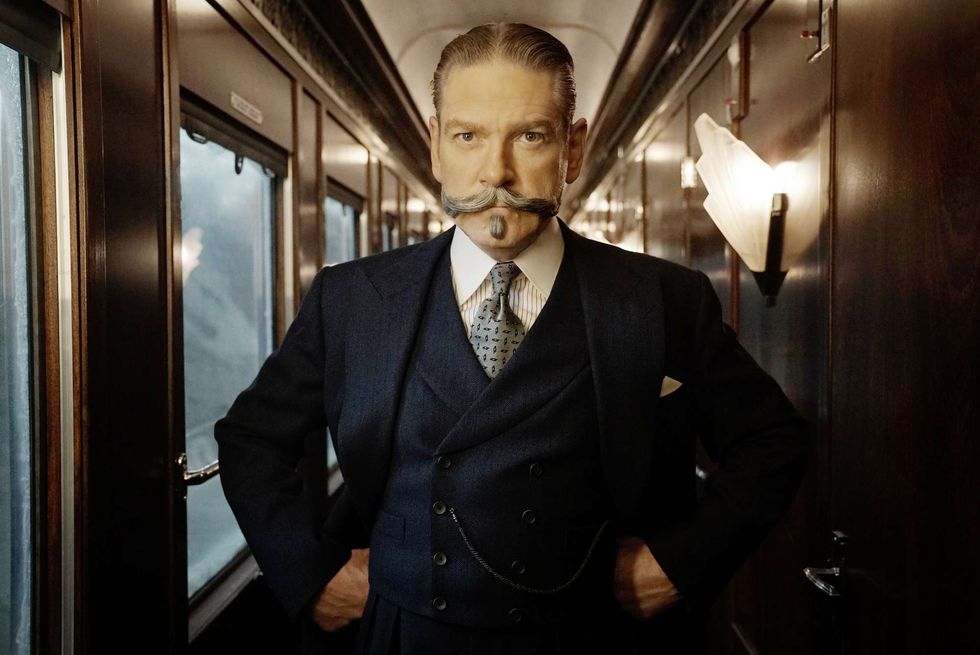 Kenneth Branagh as Hercule Poirot in Murder on the Orient Express, 201720th Century Studios
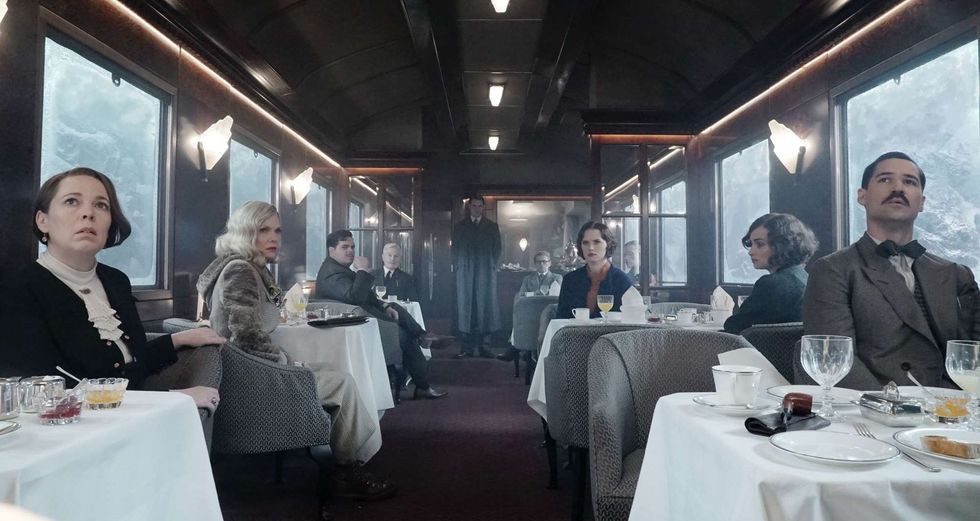 Still from Murder on the Orient Express, 201720th Century Studios
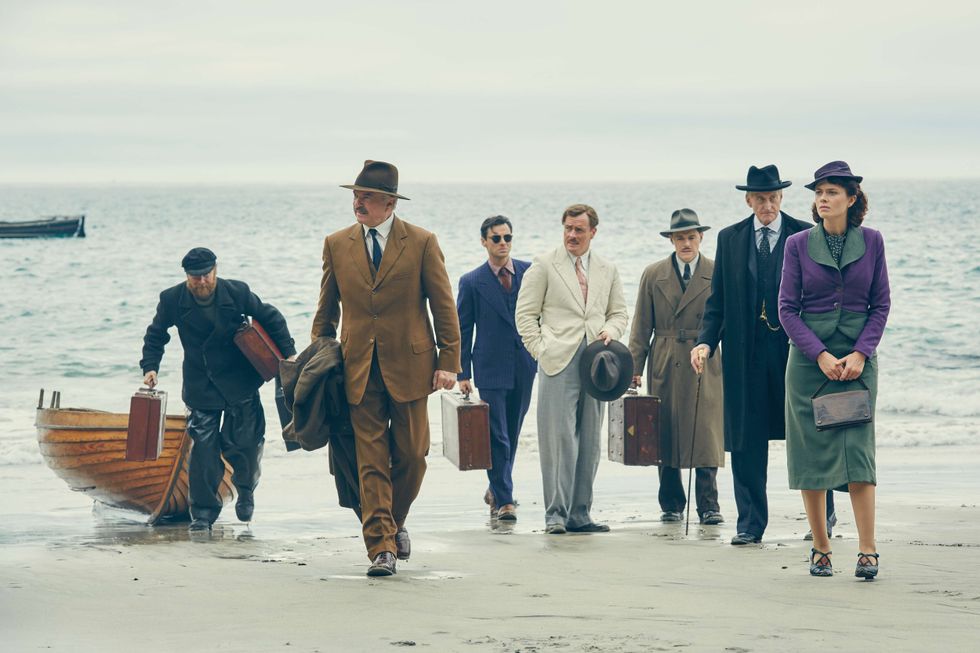 Still from And Then There Were None, 2015, BBC Agatha Christie Limited
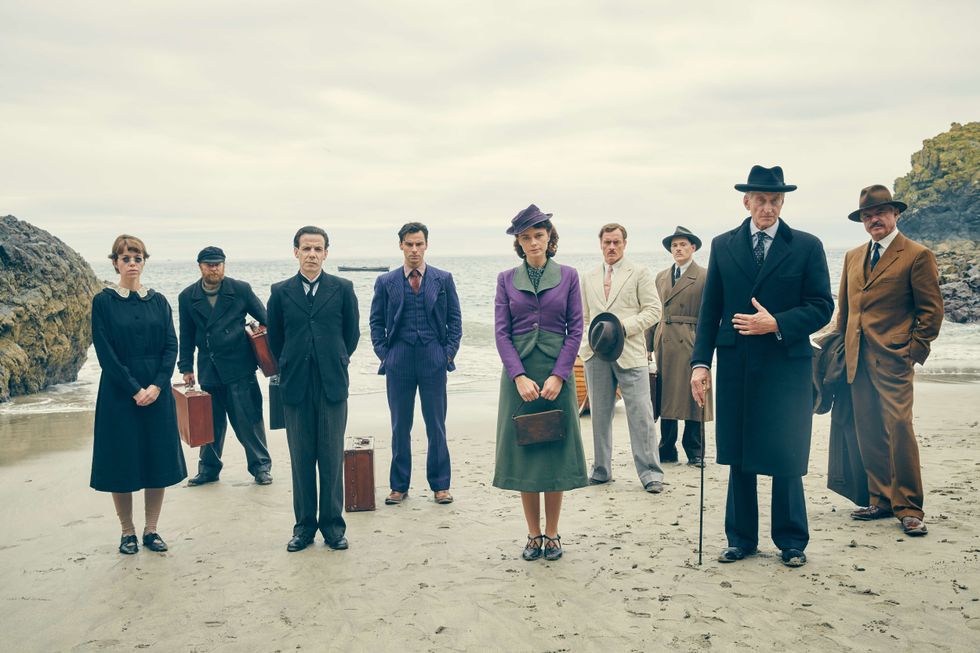 Still from And Then There Were None, 2015, BBCAgatha Christie Limited
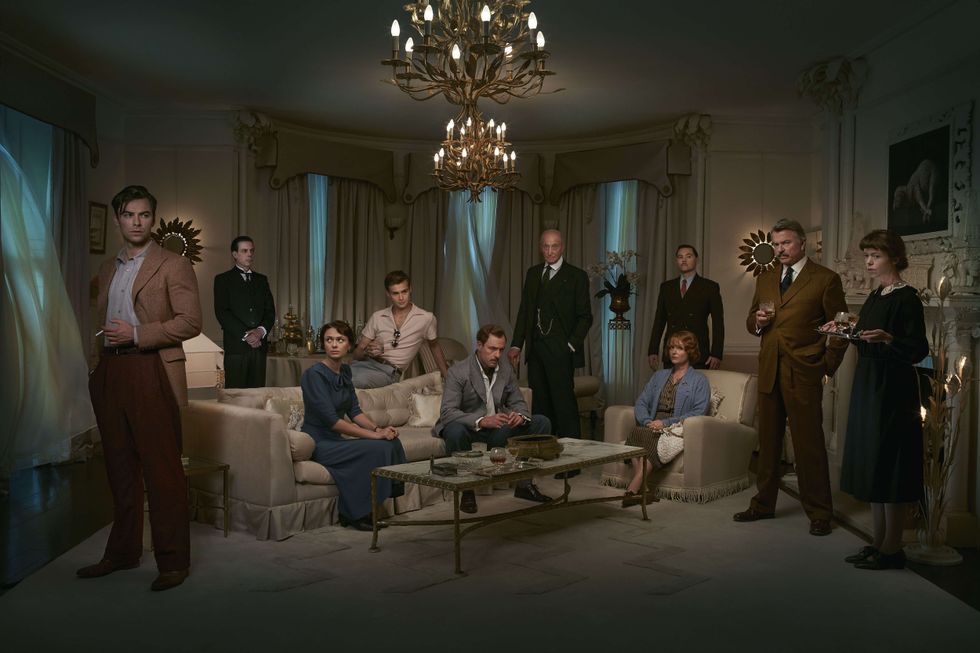 Still from And Then There Were None, 2015, BBCAgatha Christie Limited
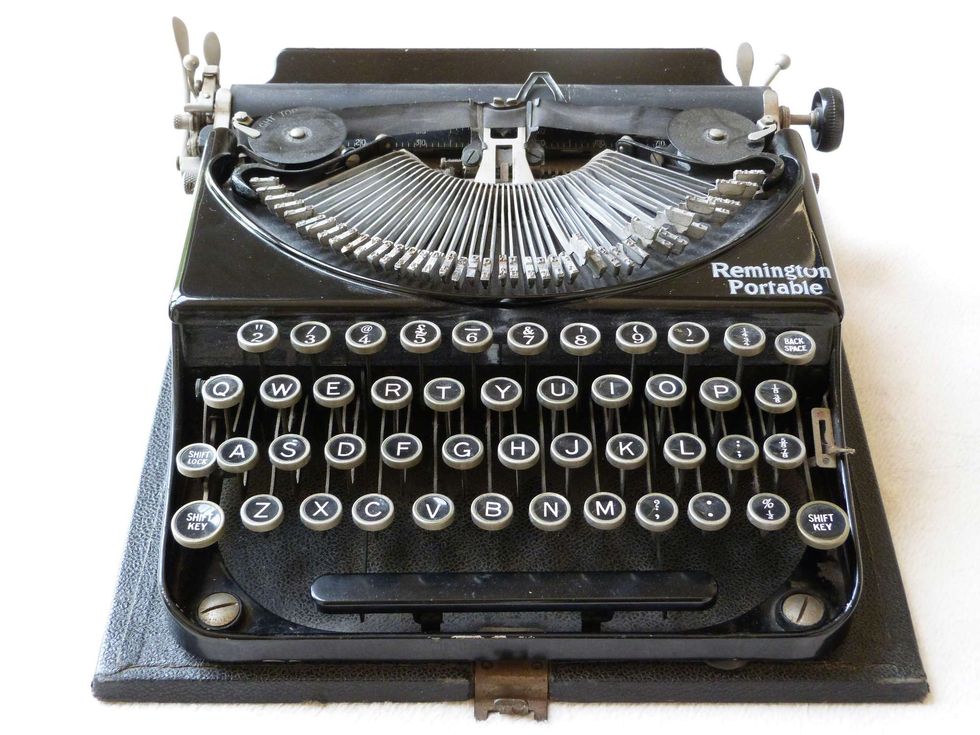 Agatha Christie’s Remington typewriter from 1937 The Christie Archive Trust
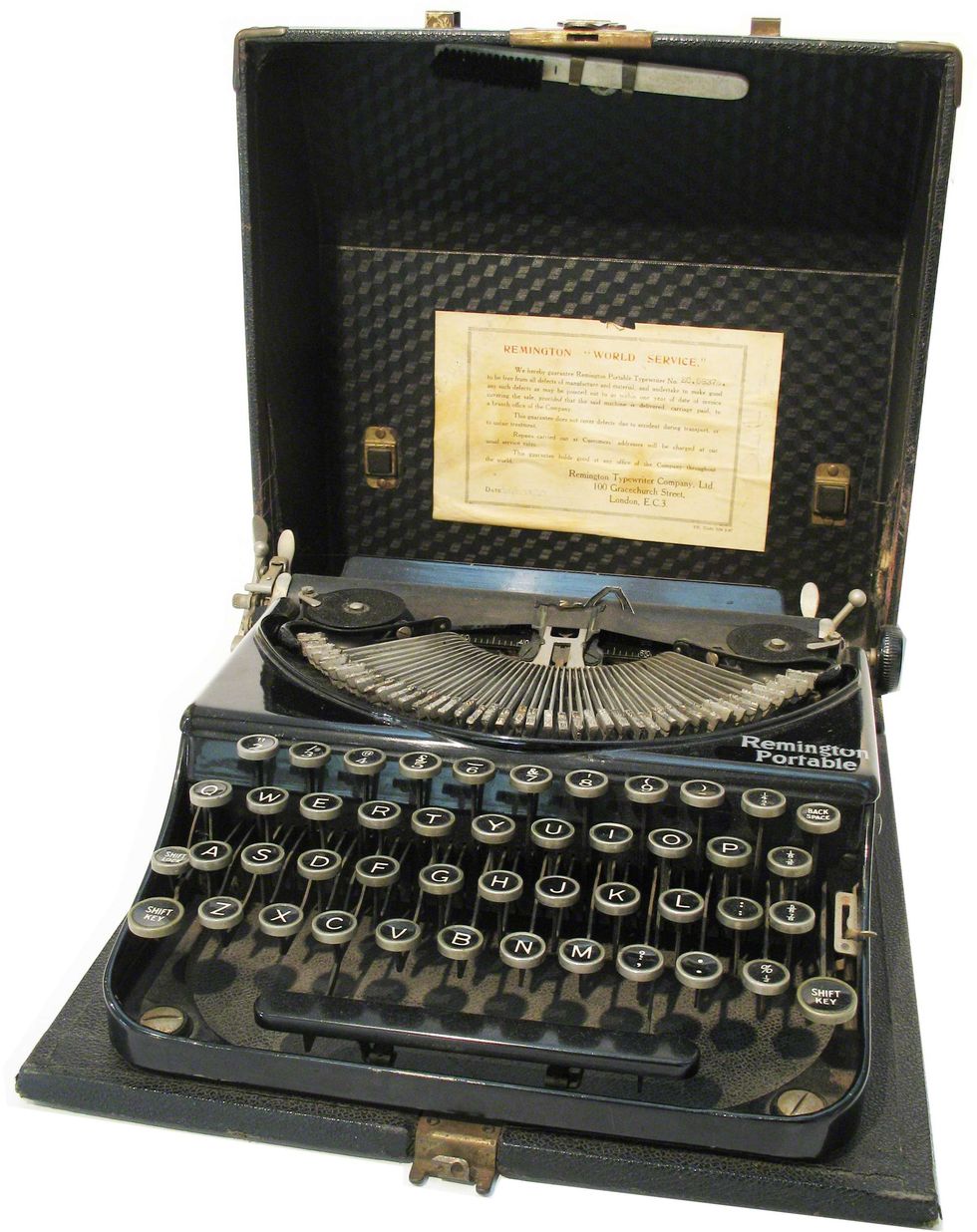 Agatha Christie’s Remington typewriter from 1937The Christie Archive Trust
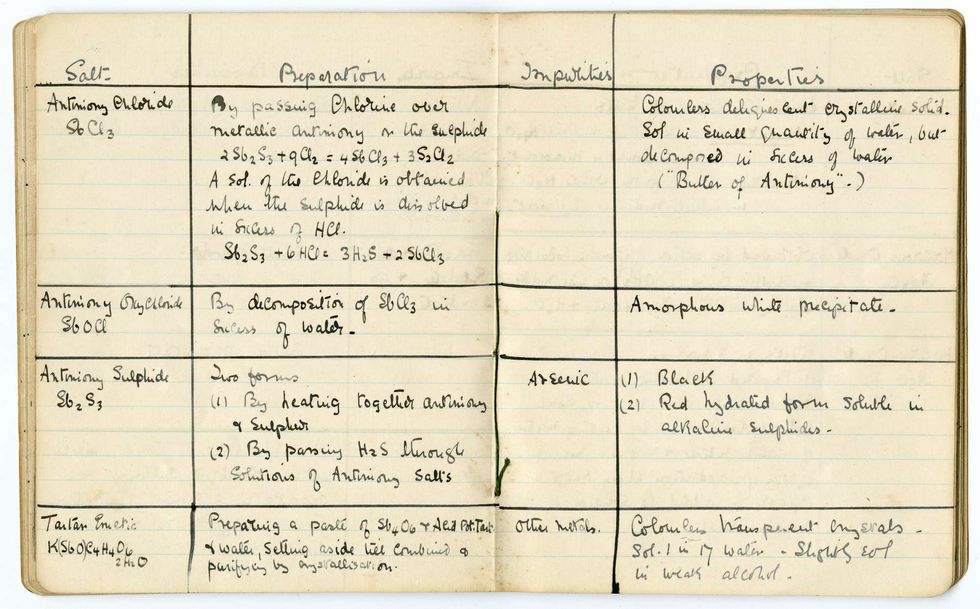 Agatha Christie’s study notes for her pharmaceutical exam taken in 1917The Christie Archive Trust
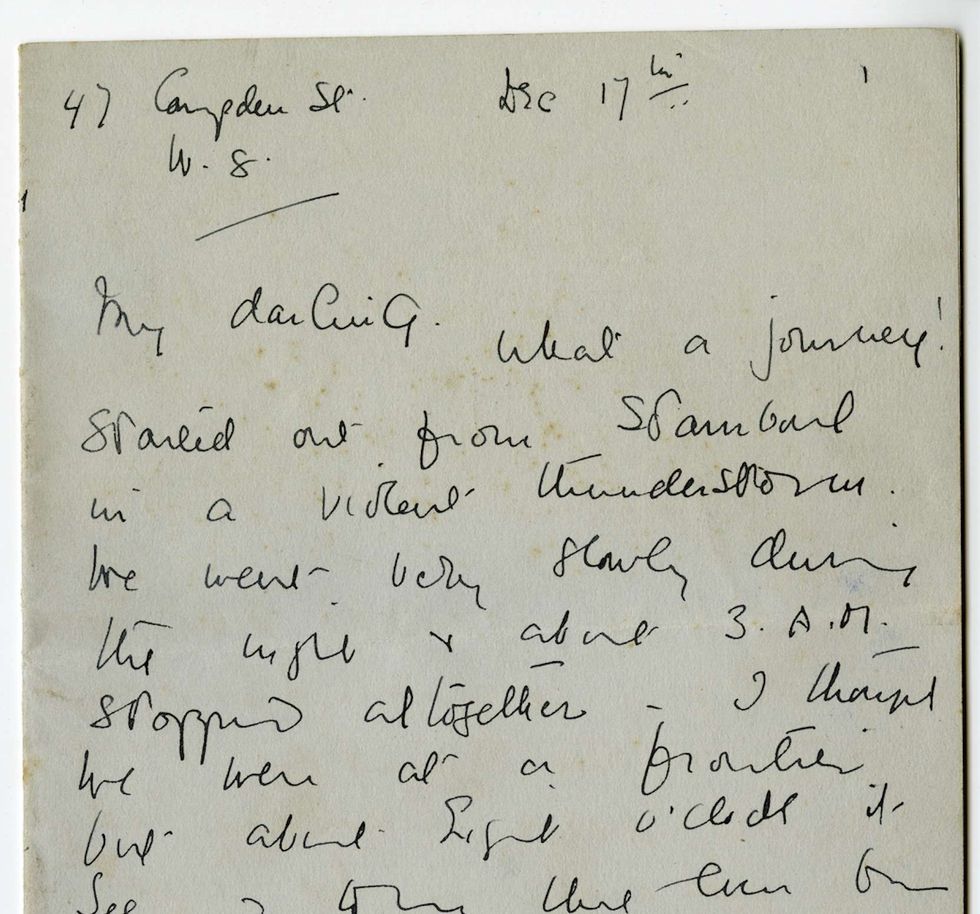 Letter from Agatha Christie to her second husband Max Mallowan, in December 1930. Agatha writes to Max describing her return home from their honeymoon, on the Orient Express. Documenting how the train had been halted by floods and her fellow travellers' reactions, this event would inspire her to write Murder on the Orient Express a few years later.The Christie Archive Trust
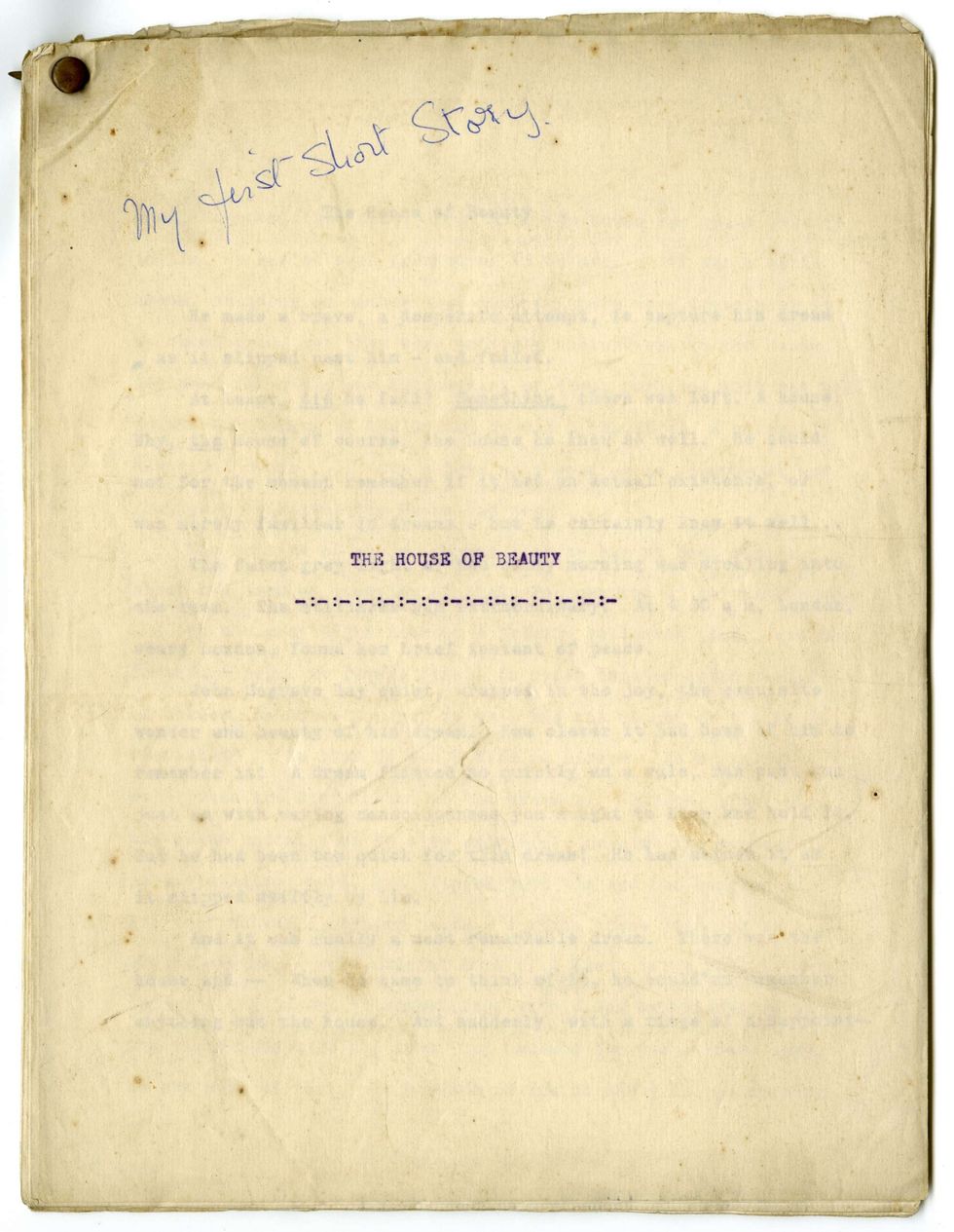 Cover of typescript ofHouse of Beauty, Agatha Christie’s first short story written when she was just a teenager.The Christie Archive Trust
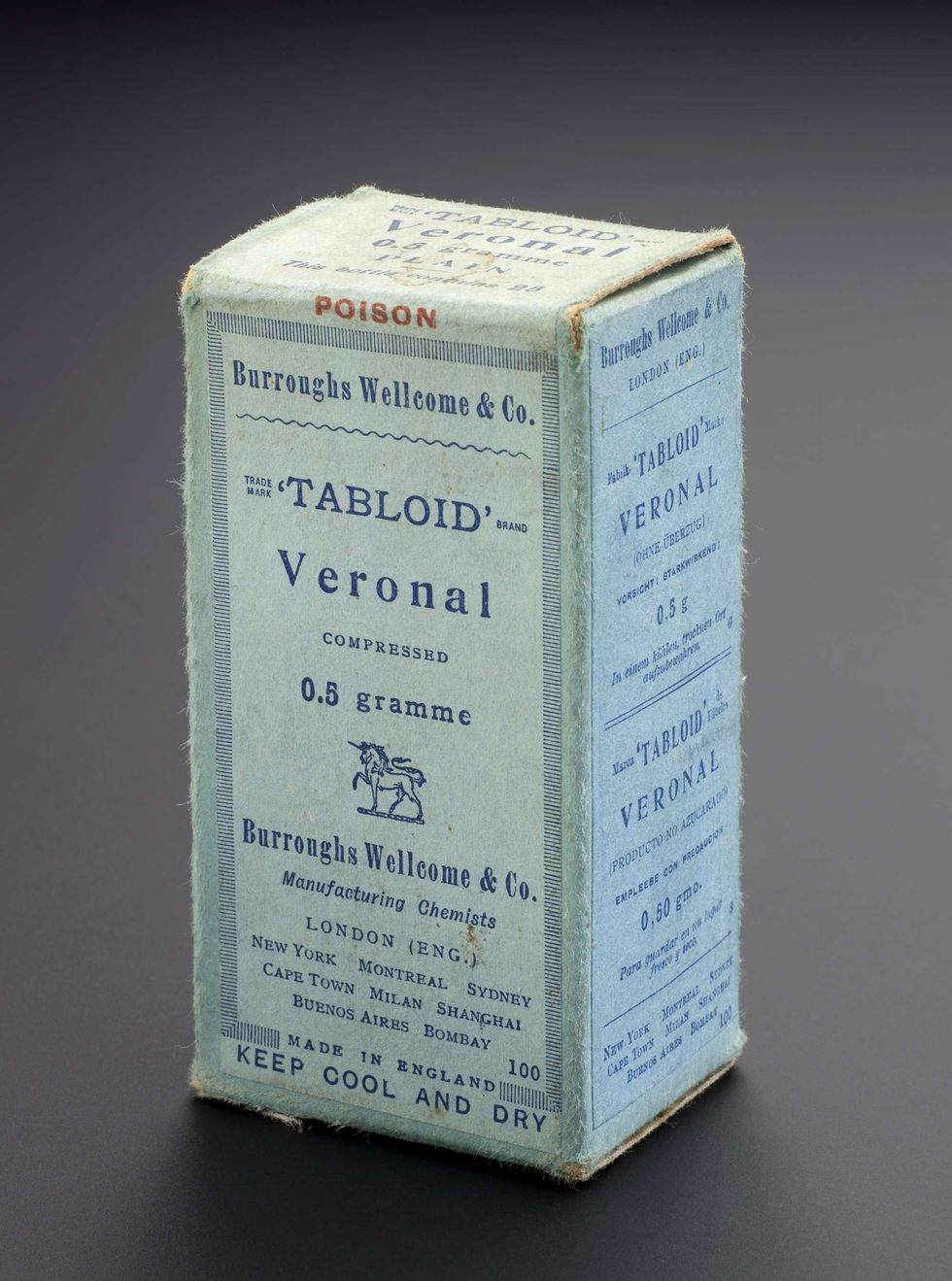 Box for Tabloid Veronal tablets,1910-1940 Science Museum Group
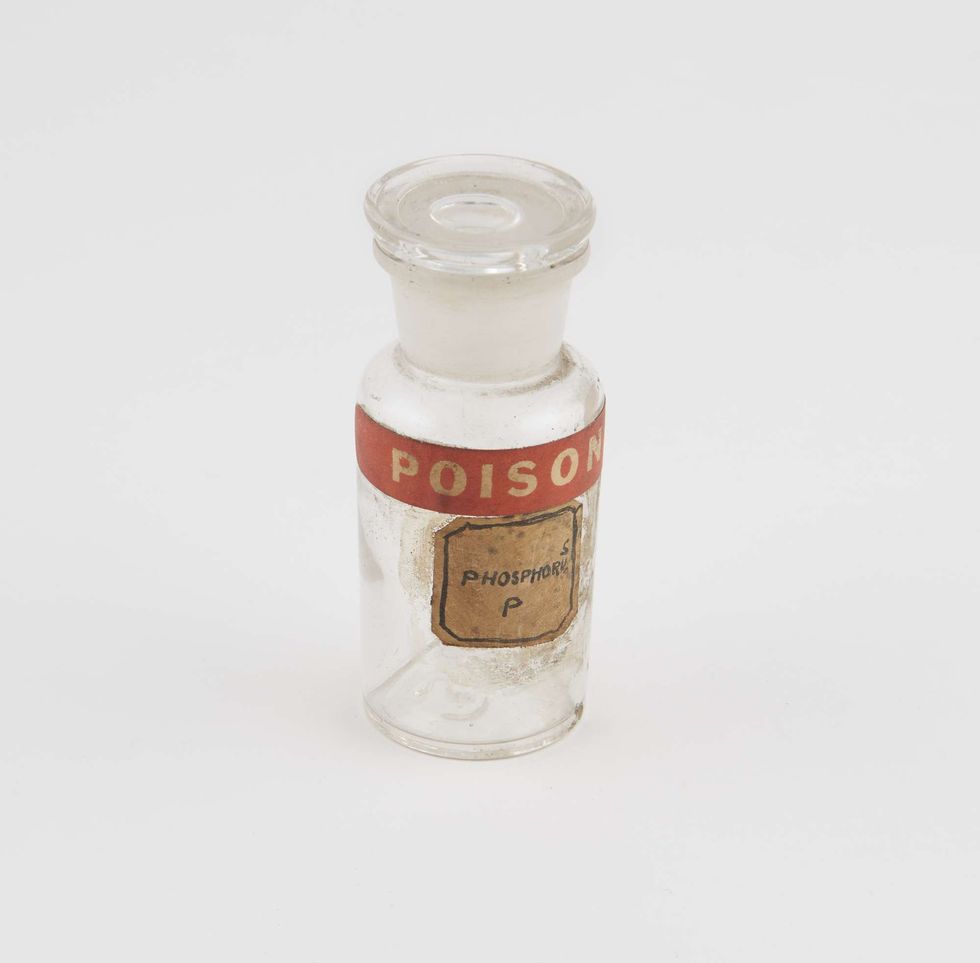 Chemical storage bottle and glass stopper, labelled ‘POISON phosphorus P’,1907-1912Science Museum Group
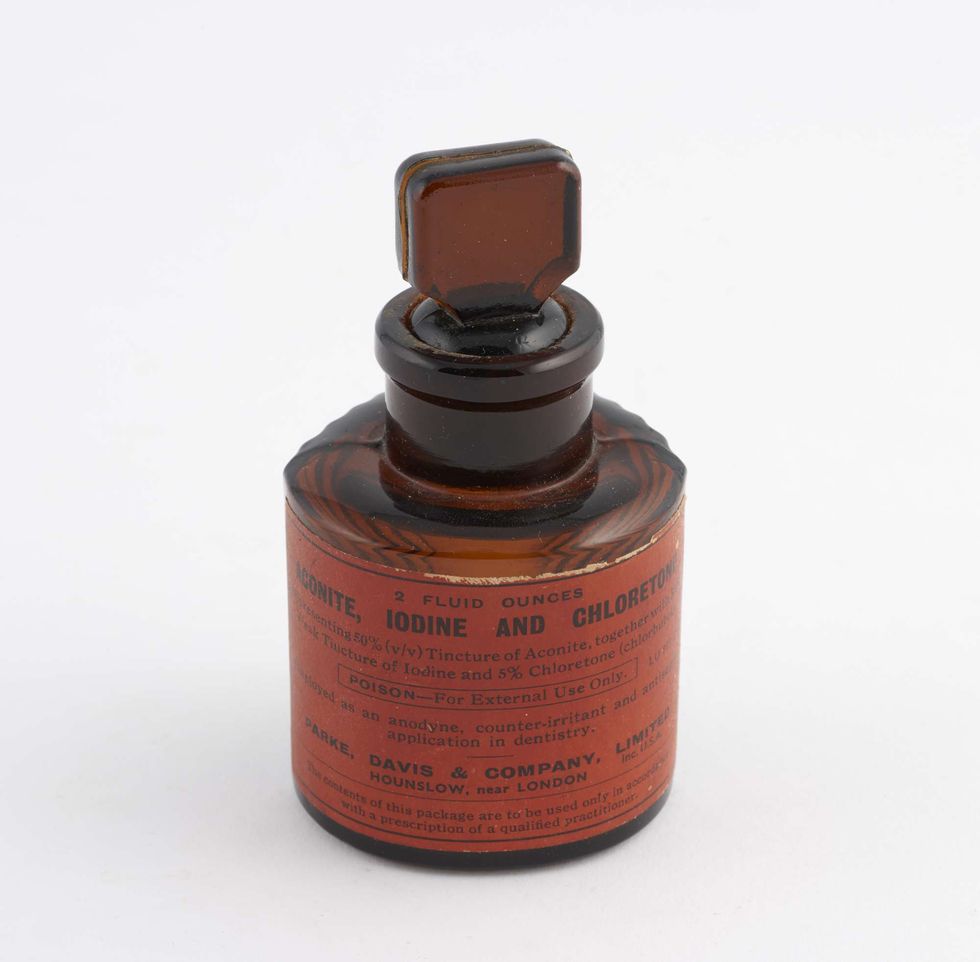 Empty poison bottle for aconite, iodine and chloretone solution,1925-1960Science Museum Group
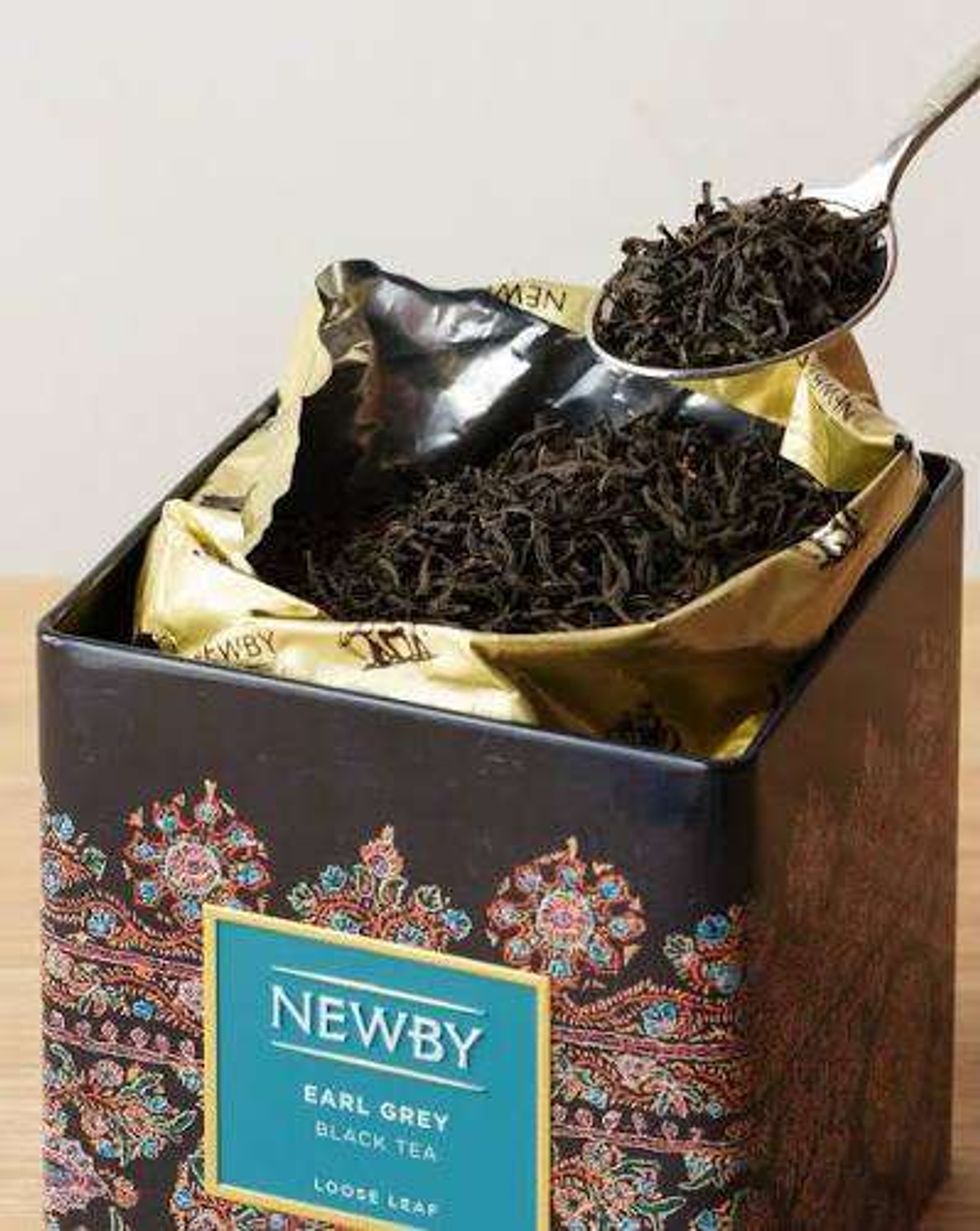 Newby Teas