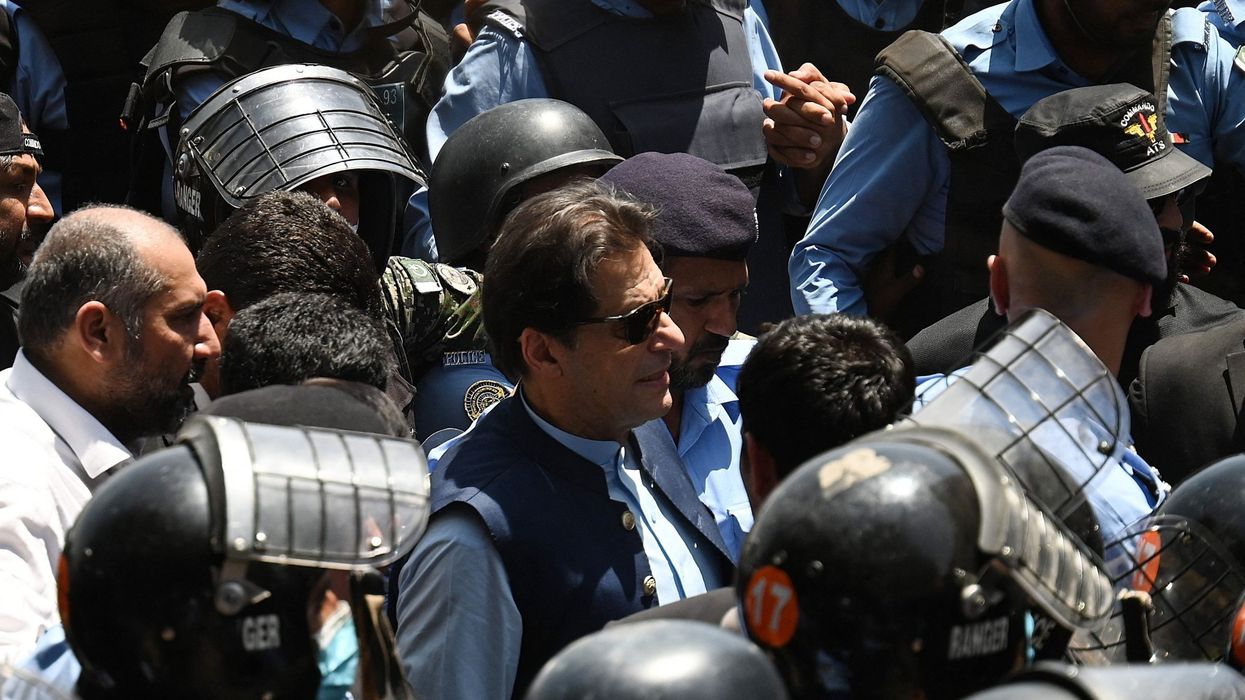

Imran Khan, the former prime minister of Pakistan, has been sentenced to three years in prison by a court on Saturday (05) in a corruption case.
The case alleges that Khan profited from the sale of costly state gifts during his time in power. The verdict was delivered by Additional Judge Humayun Dilawar of the district and sessions judge based in Islamabad.
Along with the prison term, Khan was fined Rs100,000, and the judge said that failure to pay the fine would result in another six months of imprisonment.
Khan, 70, was convicted in the Toshakhana case which was filed last year on the complaint of the Election Commission of Pakistan (ECP) which had earlier disqualified him in the same case.
The verdict came a day after the Islamabad High Court (IHC) set aside a session court's verdict to uphold the maintainability of the Toshakhana case for criminal proceedings against Khan.
The Toshakhana issue over the sale of state gifts received by the former cricketer-turned-politician became a major issue in national politics after the ECP disqualified Khan on October 21, 2022, for making “false statements and incorrect declaration”.
The Toshakhana is a department under the Cabinet Division that stores gifts given to rulers and government officials by heads of other governments and foreign dignitaries.
Khan bought some of the gifts, including a precious watch, and sold the same for profit.
(PTI)





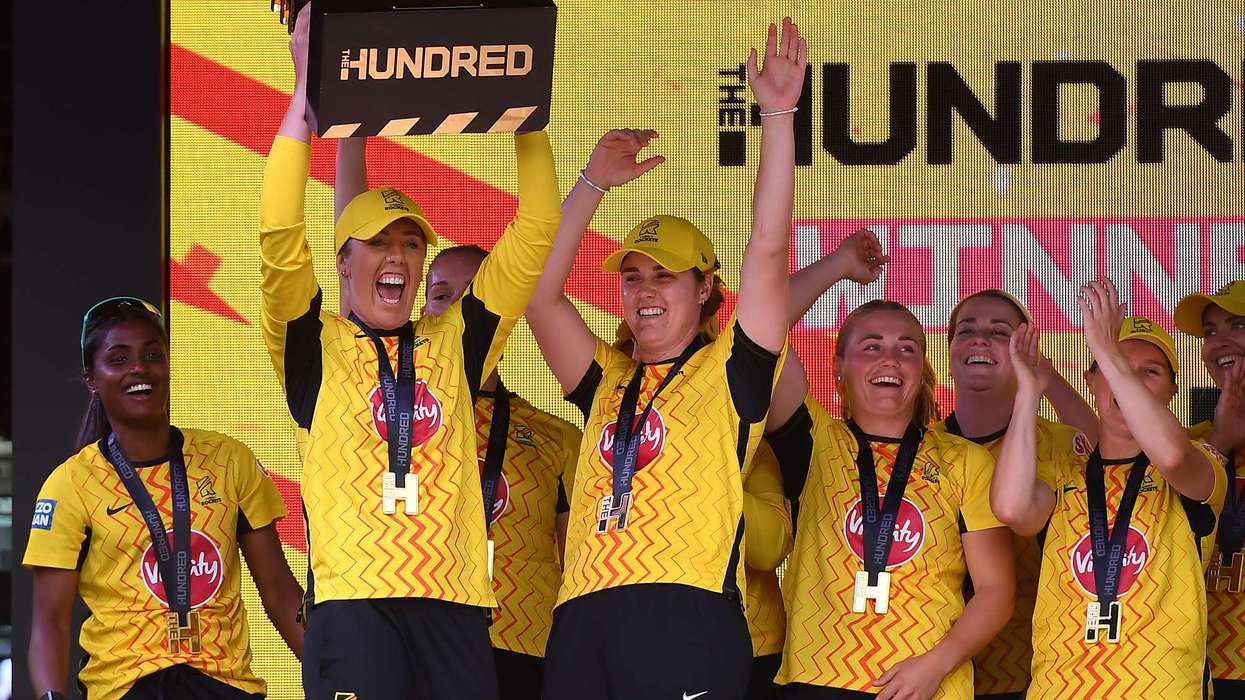
 Lift their trophies after their respective victories in The Hundred finals at Lord’s in London on August 16Philip Brown/Getty Images
 Michael VaughanPhilip Brown/Getty Images
 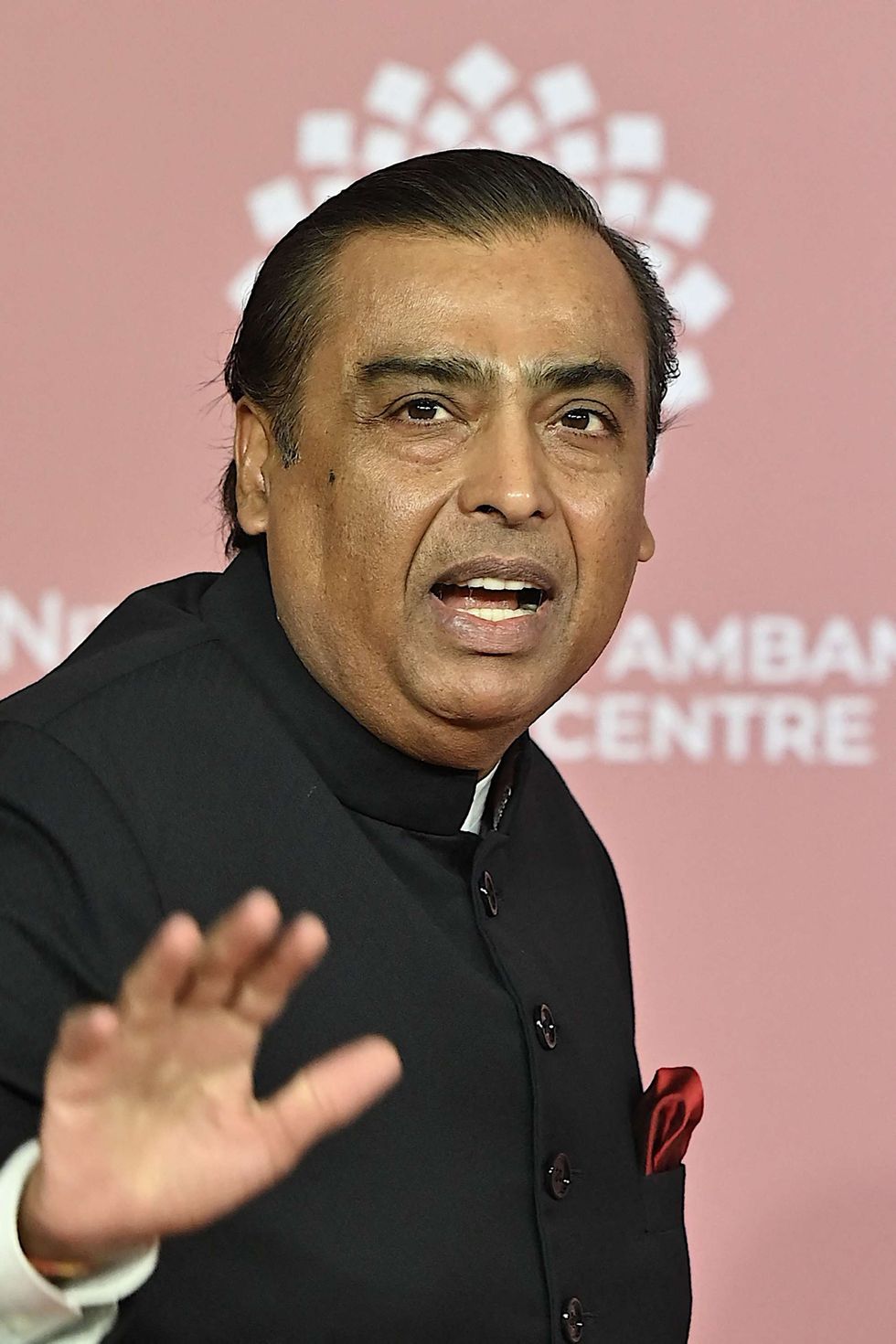 Mukesh AmbaniSujit Jaiswal/AFP via Getty Images
 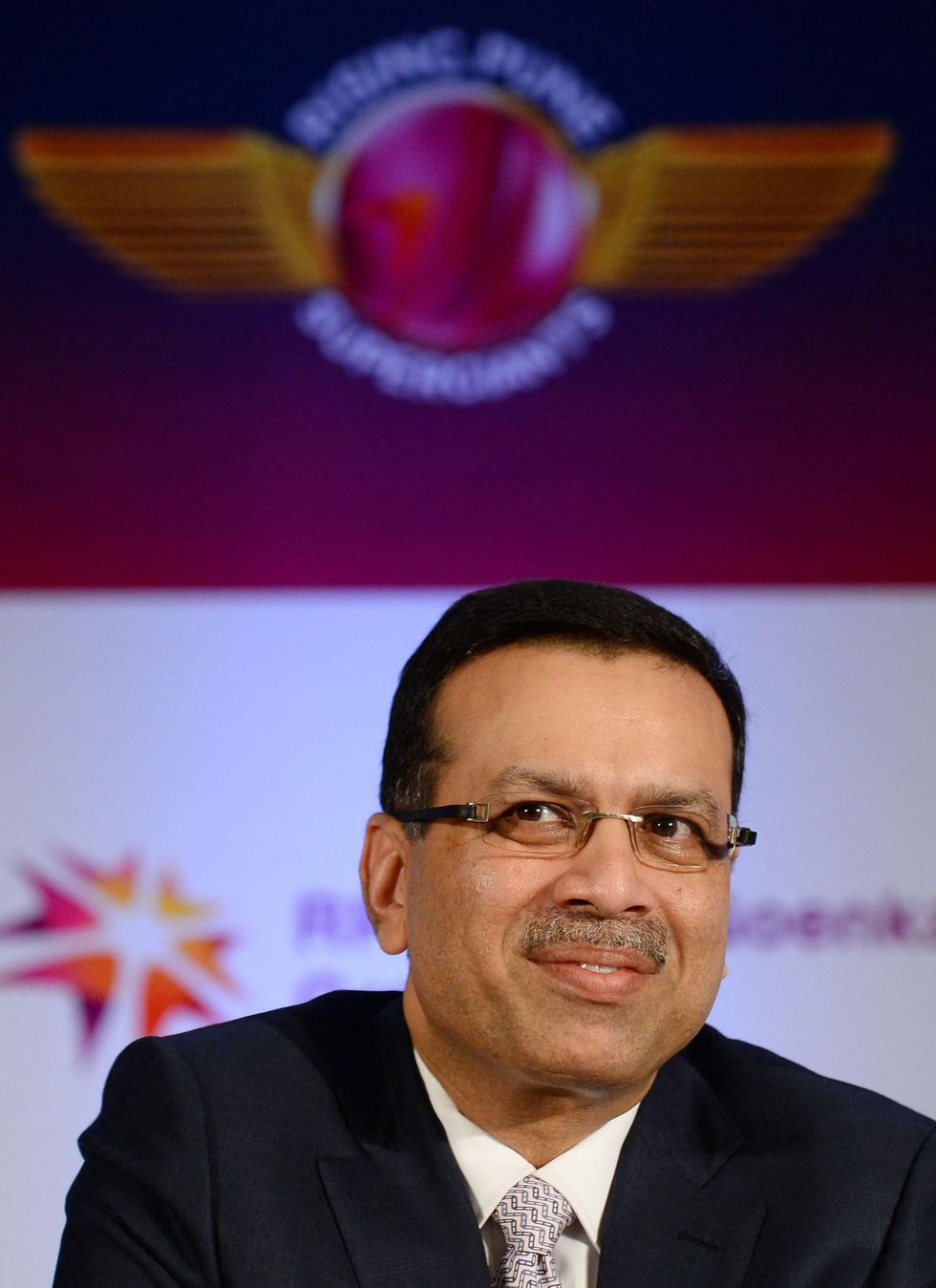 Sanjiv GoenkaSajjad Hussain/AFP via Getty Images