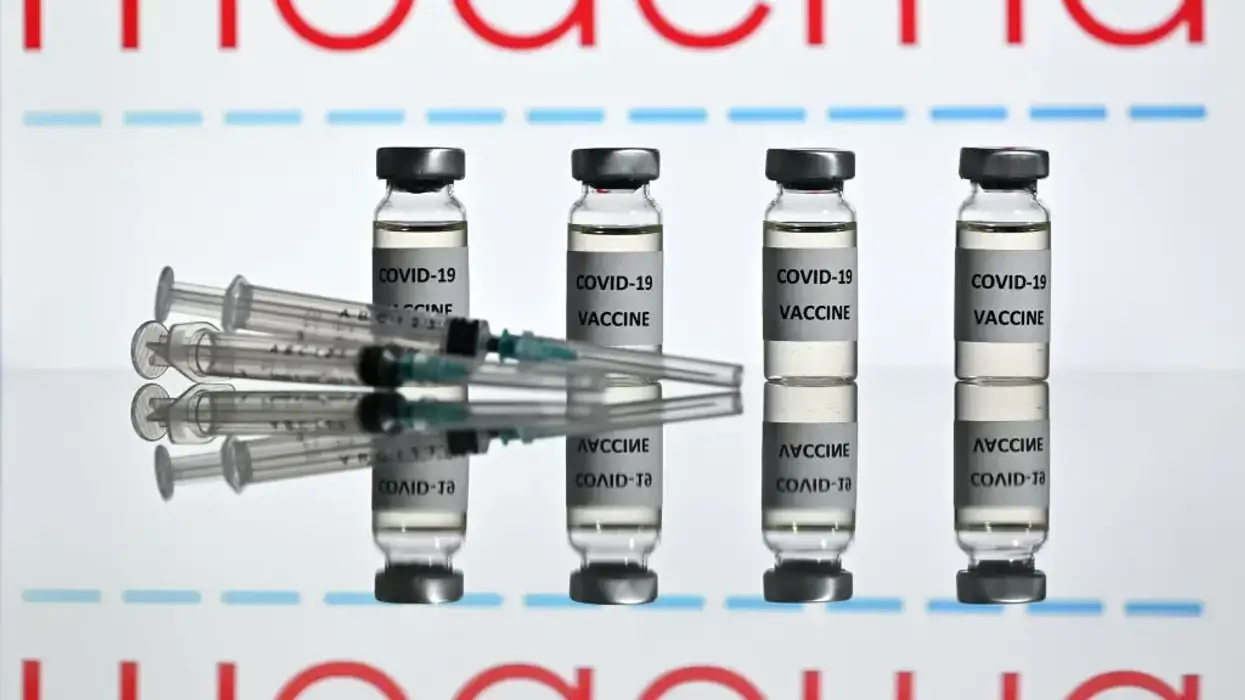

INDIA'S government will not buy Covid-19 shots from Pfizer/BioNTech and Moderna, three government sources told Reuters, mainly because domestic output of more affordable and easier-to-store vaccines has jumped.
That essentially means the globally popular vaccines, which their makers have pledged not to sell to private parties during the pandemic, will not be available for now in the world's two most populous countries - China and India.
The Indian government has also declined to meet the US companies' requests for legal protection over any side-effects from the use of their shots, which are currently made only in the United States or Europe, two of the sources said.
No company has received such protection in India.
"Earlier, there was a shortage, there was a need," said one of the sources, referring to India's appeal to the companies in April for vaccines when infections exploded and shots were in short supply.
"Their price will be high. Why should we take on their conditions?"
A second source said: "The government will not buy Pfizer and Moderna vaccines. They are free to have private tie-ups after necessary regulatory clearances. But sovereign indemnity is clearly something we can't give".
A Pfizer spokesperson in India said discussions were ongoing and it remained committed to bring the vaccine to the country.
The company reiterated that "during the pandemic phase, it would supply the Covid-19 vaccine only to central governments and supra-national organisations".
Moderna and India's health ministry did not immediately respond to requests for comment.
Moderna, through its Indian partner Cipla, already has emergency-use authorisation in India for its vaccine, which, like the Pfizer one, needs ultra-cold storage - facilities that much of India lacks.
Both vaccines cost several times more than India's main shot, Covishield, a licensed version of the AstraZeneca drug.
India's monthly domestic output has trebled since April and will reach 300 million doses in October, according to health minister Mansukh Mandaviya, who on Monday (20) announced a restart of India's vaccine exports from the October quarter.
The government, however, is expected to buy locally filled and finished doses of Johnson & Johnson's vaccine, Reuters reported on Monday (20).
(Reuters)





 Raageshwari LoombaMahesh Liloriya
 Raageshwari LoombaMahesh Liloriya
 WinnersMahesh Liloriya