
- Healey to deliver cautious first budget on Wednesday
- Help expected on energy bills, with a higher bank levy likely
- Burnham’s big spending plans set to be delayed
- UK borrowing costs remain the highest in the G7
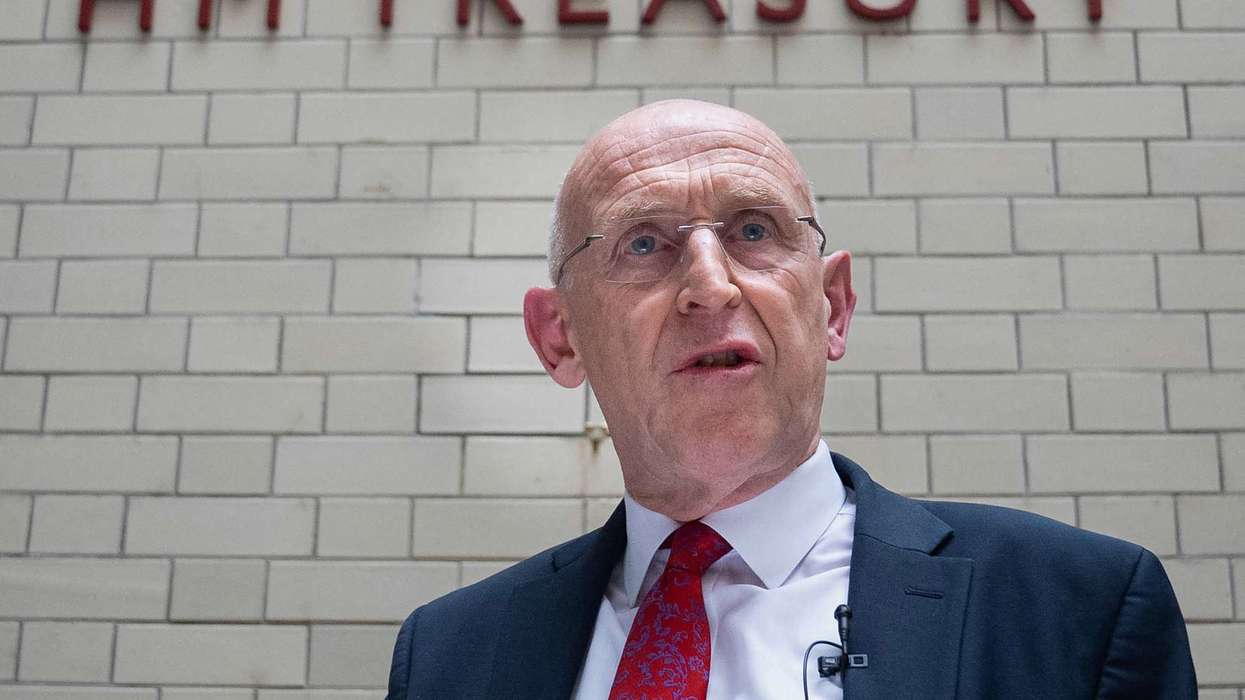
CHANCELLOR John Healey is expected to deliver a cautious first budget on Wednesday, prioritising stability in the bond markets over the big spending plans Andy Burnham promised when he became prime minister.
Healey is likely to offer some help to households facing another rise in energy bills and has hinted that businesses will get “breathing space” from rising costs.
But with the US-Israeli war with Iran pushing up inflation and driving government borrowing costs worldwide to multi-decade highs, analysts say he cannot repeat the big spending and tax-raising budgets of his predecessor, Rachel Reeves.
“If they decide to ramp up spending more than what we’re taking in, in a really fiscally tenuous situation, that would be what the market doesn’t want to hear,” said Bryn Jones, head of fixed income at Rathbones.
What to expect
The main tax-raising measure is expected to be a higher levy on bank profits. Healey, who quit as defence secretary under Keir Starmer earlier this year in a row over funding, may also try to cover a short-term shortfall in military spending plans.
The Treasury has already announced more than £20 billion of additional support for investment in artificial intelligence, defence and green energy over about five years, new funding and powers for mayors in England, and around £600 million to guard against health and security threats from AI.
Burnham’s ambitions delayed
Burnham once complained of being “in hock to the bond market”, but has since told investors he understands the state of the public finances.
“Some might say that Burnham is very much in hock to the bond market at the moment,” said Allan Monks, a senior economist at JP Morgan.
His plans for more public housebuilding, defence spending of 3 per cent of GDP and greater state ownership of public services are likely to be delayed.
UK public debt passed £3 trillion for the first time in September, and four years after the market turmoil under Liz Truss, British borrowing costs remain the highest in the G7.
Analysts expect the major decisions to wait for a spending review next year, when borrowing costs may have eased and a UK-EU summit in November may have improved the outlook.
“This budget will largely be a stopgap that will tide the government over before a more significant policy overhaul in 2027,” said Alexander Harvey, UK economist at Oxford Economics.
(With inputs from agencies)