
Skip to content
Search

Latest Stories

Submit Guest Post

Johnson, Merkel reach out to Imran Khan over Afghan situation

Johnson, Merkel reach out to Imran Khan over Afghan situation

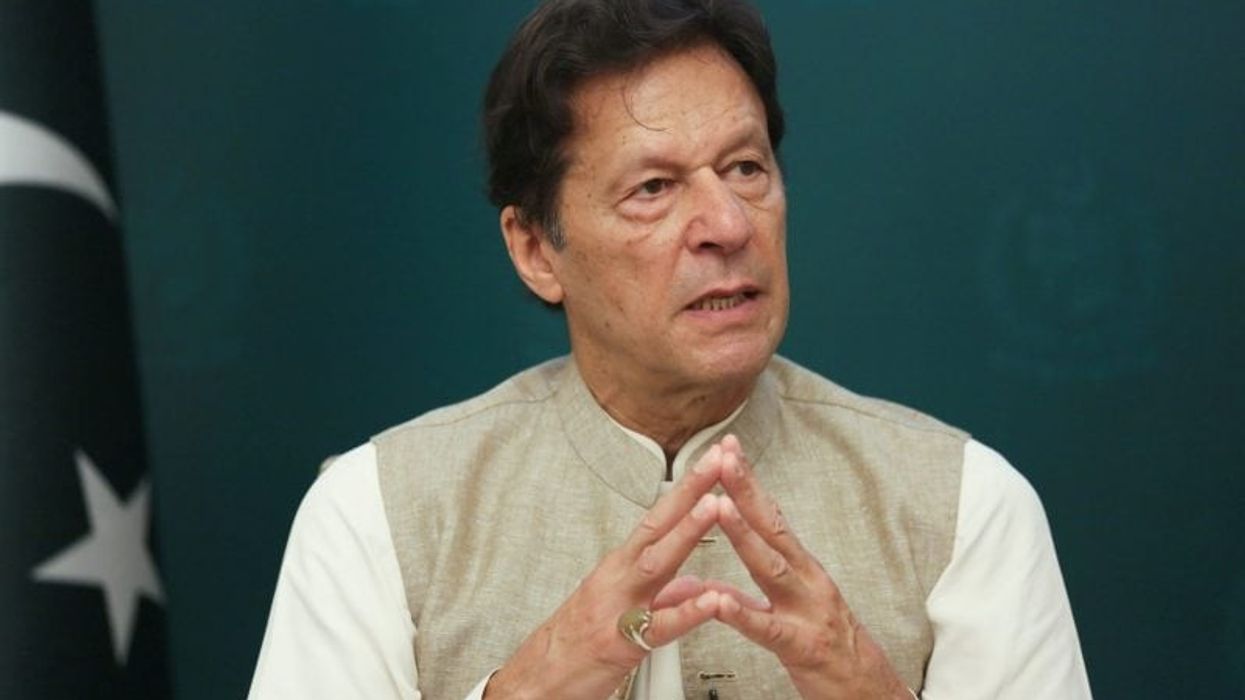
THE UK and Germany reached out to Pakistan prime minister Imran Khan to discuss the emerging situation in Afghanistan where the Taliban has seized power.

Khan told British prime minister Boris Johnson and German chancellor Angela Merkel who telephoned him that the safety and security of Afghans were critical at the juncture, the Dawn newspaper reported on Wednesday (18).


He apprised the world leaders of Pakistan’s role in evacuating foreign nationals from Afghanistan after the insurgents took over the country with little resistance from defence forces.

Khan also told them that an inclusive political settlement should be the way forward in Afghanistan and the international community should help the war-torn country economically, the report said.

He is also believed to have conveyed to Johnson that Pakistan should be expeditiously removed from the UK’s travel red list as the south Asian nation is containing the coronavirus pandemic.


Add EasternEye As Your Trusted Source
preferred source on google news

More For You

Fruits and vegetables

Britain’s reliance on imported fruit and vegetables could make food prices more vulnerable to climate shocks

iStock

Britain’s fruit bowl could be at risk as climate change hits the countries it relies on

  • Around 40 per cent of Britain’s food is imported, including 80 per cent of its fruit.
  • The UK is already seeing domestic crops affected by heatwaves, drought and wildfires.
  • Researchers warn climate pressures could make fresh food more expensive and harder to secure.

Britain is increasingly exposed to that risk because it relies heavily on imported fruit and vegetables, including from countries that are themselves facing growing pressure from rising temperatures, drought and extreme weather.

Around 40 per cent of the UK's food is imported, according to a new report from the Food Foundation. The figure rises to 80 per cent for fruit and 47 per cent for vegetables, leaving Britain particularly dependent on overseas growers for some of the fresh foods people buy most often.

Keep ReadingShow less