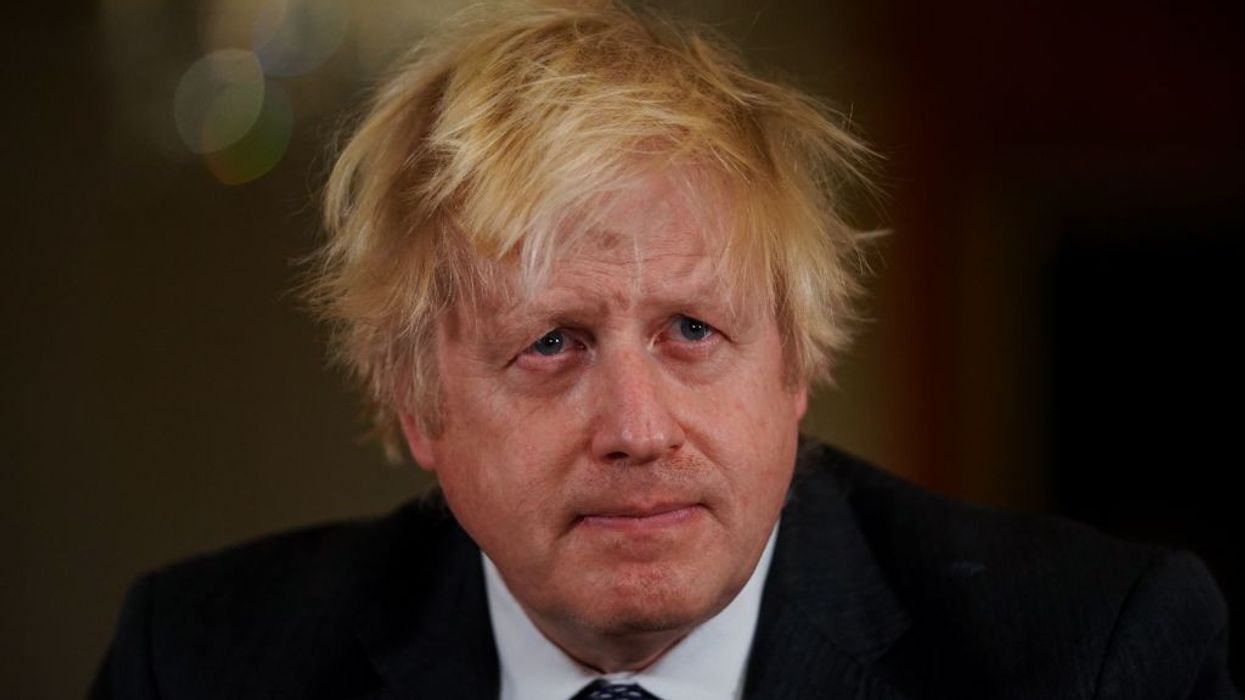

BRITISH prime minister Boris Johnson on Tuesday (14) described the UK and India as "natural partners" who are working together on many "fantastic projects".
He said the partnership between the two countries will transform people's lives and promote the principles of freedom, openness and peace.
In his special address to the 2021 Global Technology Summit via video link, Johnson said over the coming decade, India and the UK will continue to deepen their bonds on technology and other areas as they have set out in the 2030 India-UK Roadmap.
The 2030 Roadmap for stronger UK-India strategic ties was signed by Johnson and Indian prime minister Narendra Modi during a virtual summit in May this year.
“With our shared culture of innovation and our entrepreneurial spirit, the UK and India are natural partners. We're working together on many fantastic projects, from the UK-India partnership on 5G and telecom to the UK startups who are working with India giants,” Johnson said.
“Working side-by-side, we will not only make breakthroughs that will transform people's lives, but we'll help shape a new technology, based on the principles of freedom, openness and peace,” he said in his special address to the sixth edition of the summit.
It was co-hosted by the non-governmental organisation Carnegie India along with the Indian ministry of external affairs on the theme of ‘Global Meets Local’.
“We know that a huge advantage awaits us with artificial intelligence and quantum computing and with technology poised to help us find answers to some of humanity's biggest challenges.
“That's why I was so pleased earlier this year when my friend prime minister Narendra Modi and I agreed that our two countries should work closer than ever before on technology and the roles that will help us shape the coming age,” he said.
Johnson's remarks came over a month after he met Modi in Glasgow on the sidelines of the COP26 climate summit and discussed ways to enhance bilateral cooperation in areas like green hydrogen, renewables and clean technology, economy and defence.
The two prime ministers had reviewed the implementation of the Roadmap 2030 priorities particularly in the trade and economy, people-to-people, health, defence and security areas.
British foreign secretary Liz Truss said hostile forces use technology to gain the upper hand.
“That's why freedom-loving democracies need to step up to shape global technologies and champion our interest,” she said.
"Every time I visit India or meet Indian businesses, I am reminded of what natural partners we are. We're open to the world as outward-looking nations, which is why the UK is India's second-largest investment destination.”
Across Britain, Indian giants from Infosys to Tata are growing their businesses, while British brands are selling India high-quality goods and services like fintech and clean technologies, she said.
“Such openness to business and opportunity is why we are able to tackle the greatest challenges of our time,” Truss said.
(PTI)




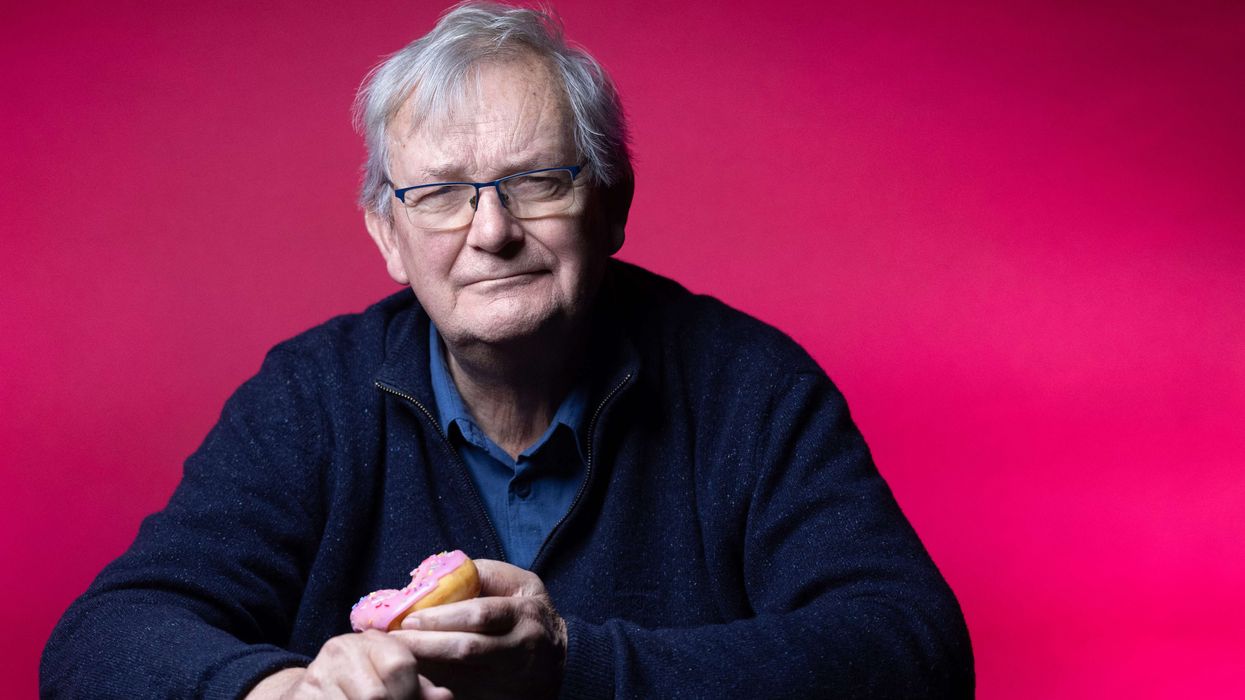
 Martin Parr death at 73 marks end of Britain’s vivid chronicler of everyday life Getty Images
  Martin Parr poses for a photo during the opening of his exhibition Early Works" at the Fotografie Forum Frankfurt" in FrankfurtGetty Images
 064-5 Bhangra - Photos Bhangra dancers, Assembly Rooms, Edinburgh, Scotland, 2017, commissioned by BBC One. Martin Parr / Magnum Photos / Rocket Gallery
 Martin Parr dies at 73 after capturing British elites, Asian communities, and post-Brexit BritainGetty Images