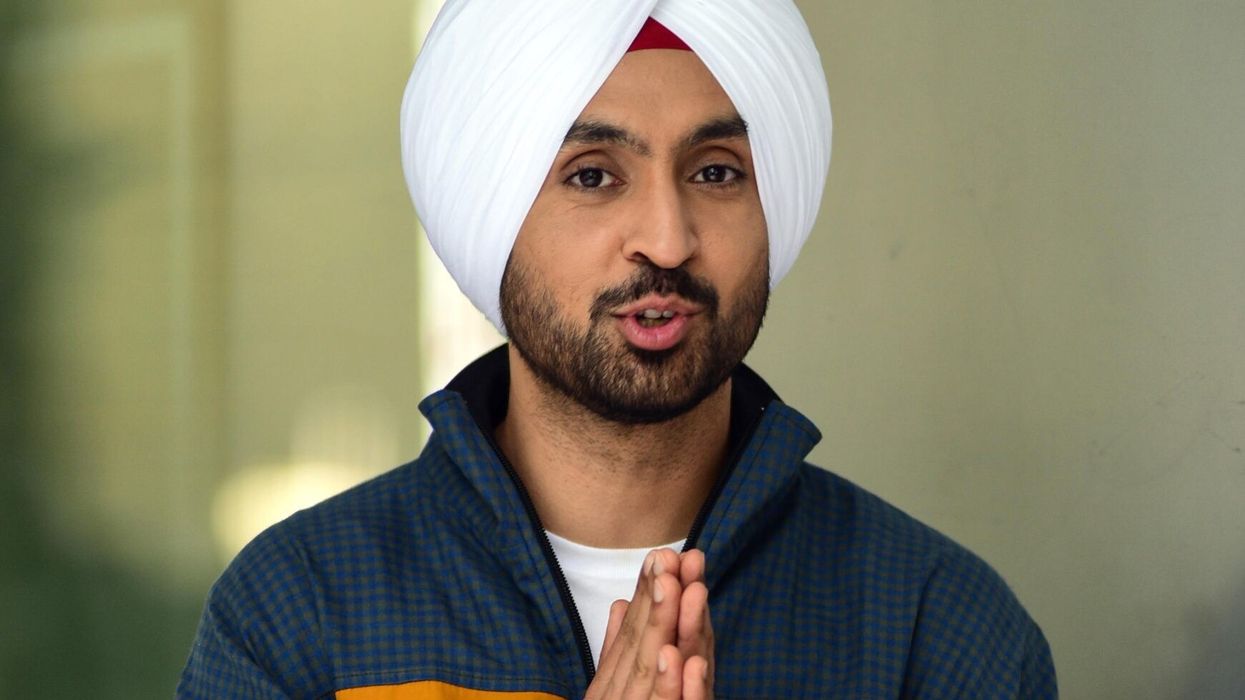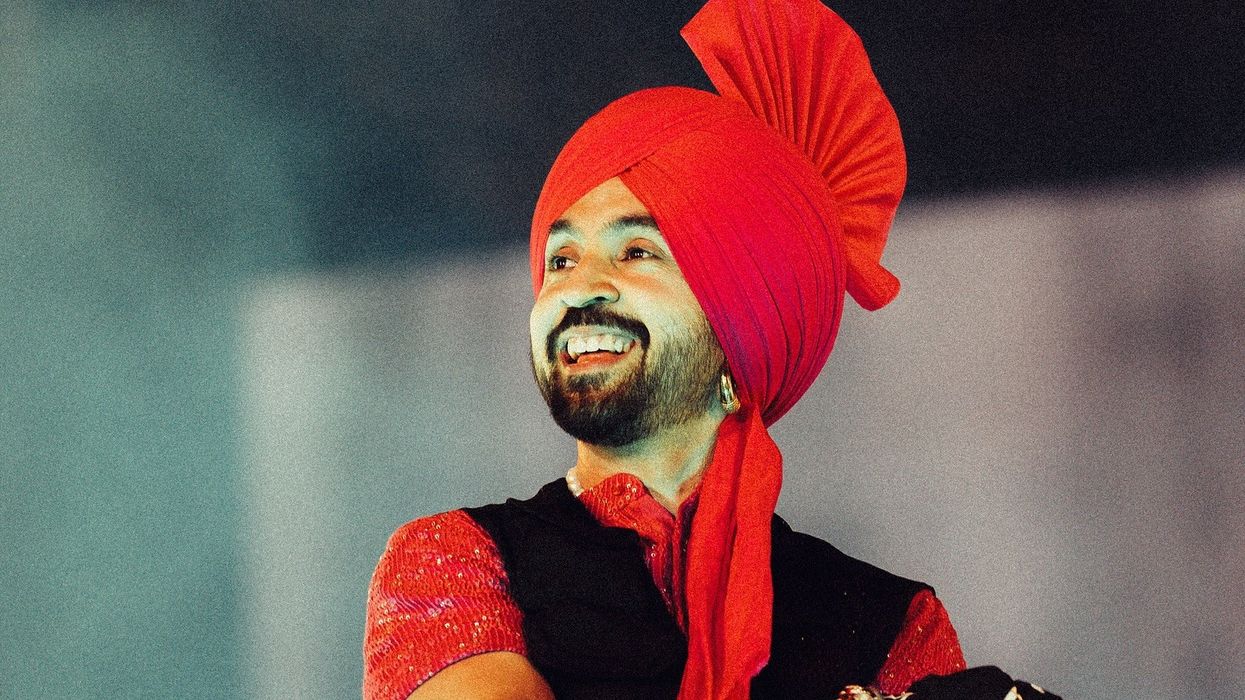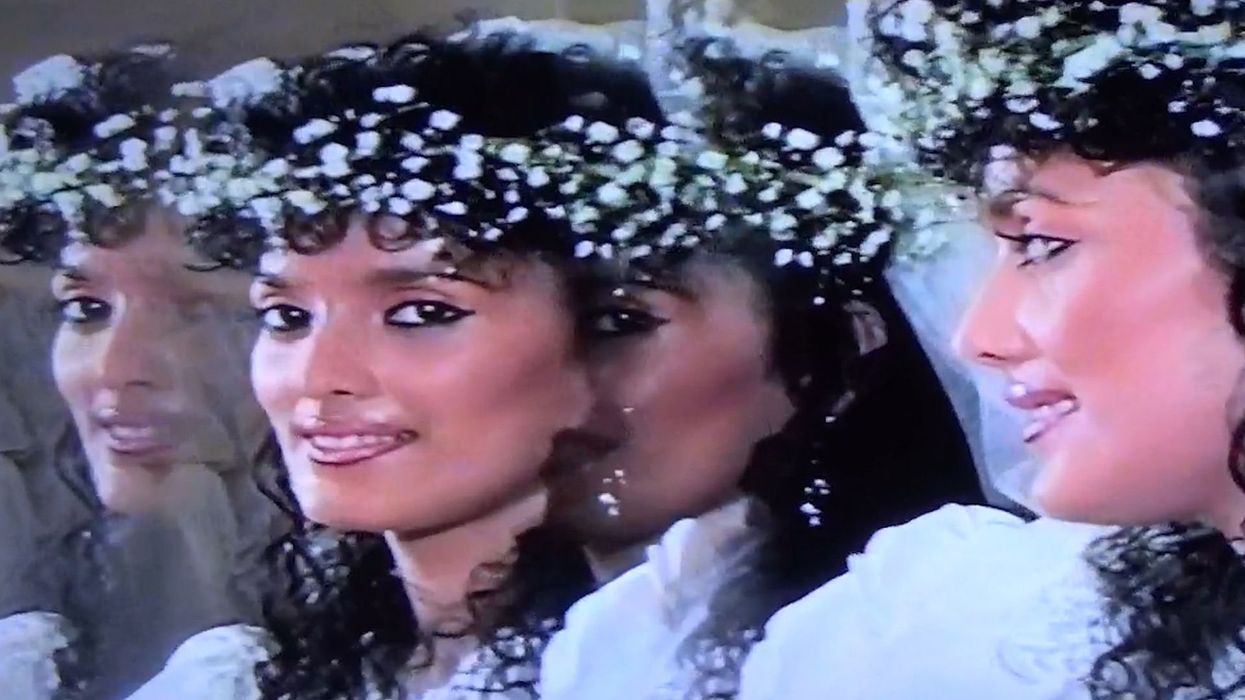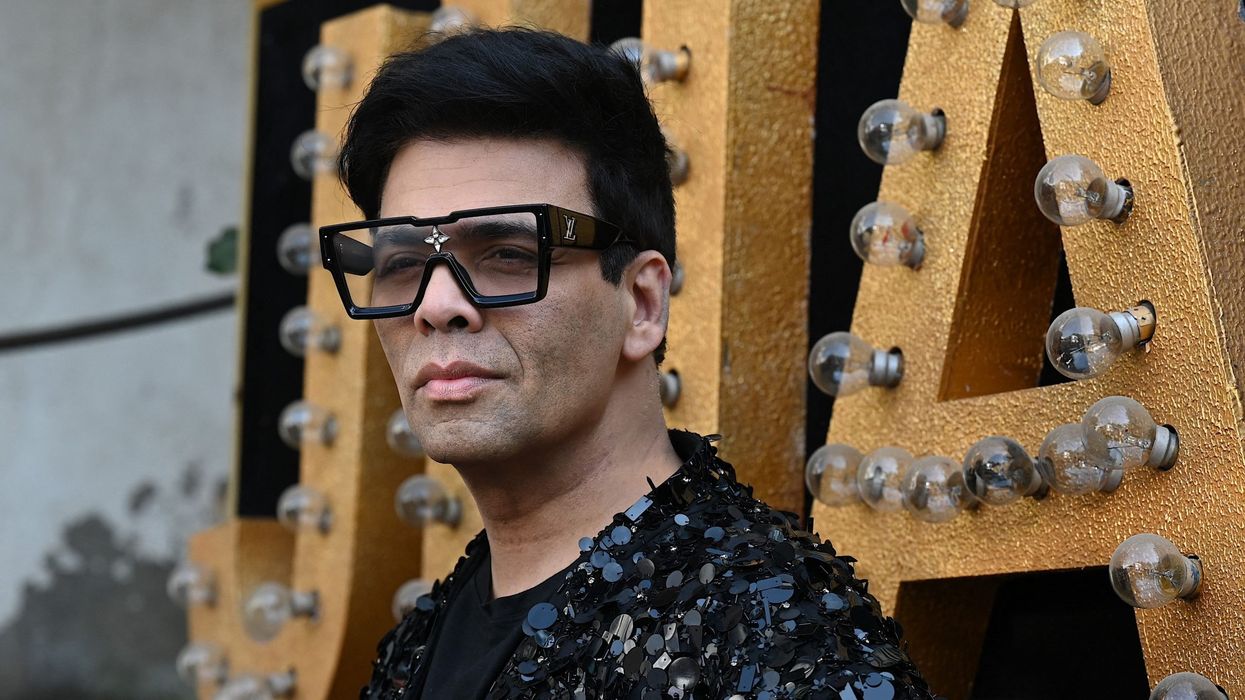

As Ranbir Kapoor and Deepika Padukone's Yeh Jawaani Hai Deewani completes ten years of its release, producer Karan Johar shared several scenes from the film on Instagram and said the story is always refreshing and can never get old.
The 2013 released film was directed by Ayan Mukerji, written by Mukerji and Hussain Dalal, edited by Akiv Ali, and produced by Karan Johar. It also featured Aditya Roy Kapur and Kalki Koechlin playing pivotal roles. The movie was loved by audiences of all age groups and especially youngsters.
Karan wrote in his post on Instagram, "Time flies...especially when a film like Yeh Jawaani Hai Deewani never gets old. This was a special story which really got the heart and the pulse of the generation and many more to come...And what a dream team that told this story of dreams so beautifully!!!"
Many fans responded to Karan's post. One of them wrote, "This movie is honestly my all-time favourite movie! As a university student, I completely relate to Naina, trying to maintain a social life and mental stability while creating a career for myself. I can also see myself as Bunny, someone who wants to see and understand the world from a boarder perspective. And we all have friends like Aditi and Avi, friends that just wanna live and have a good time. The only movie in the Hindi film industry that this generation can actually relate to and understand the feelings and emotions that this film was portraying. THANK YOU KARAN!!"
The plot centres around two people who meet on a hiking trip and fall in love with each other but are unable to communicate their feelings. They soon drift apart but reunite at a friend's wedding.
Ayan also took to his Instagram handle and shared a montage of several scenes from the film. He called the project his "second child". He mentioned, "YJHD - My second child, a piece of my heart and soul - 10 years old today! I think after all these years, I can confidently say that...Making this movie was one of the greatest joys of my life! And what we achieved with it - with all its perfections and imperfections - is a source of great eternal pride for me! Strangely, I don't think I've ever seen Yeh Jawaani Hai Deewani fully from beginning to end since the day it released ...(Always pushing towards the next milestone, and not looking back enough...). But when I'm older and wiser - I think I will watch the movie at least once a year - because a big part of who I was and how I looked at life - is forever captured in this movie! In the recent months, I have often had people recognise me and come up to me... and I'm thinking they will say something about Brahmastra, and then they started talking about YJHD! So, putting out a whole lot of gratitude for Yeh Jawaani Hai Deewani... and all the many people who connected deeply with the movie over the years!"
Lastly, he concluded with, "Also sharing a Director's Note I had written at the time, in my story which someone special from my team shared with me a few days ago... and it brought back all kinds of memories for me! Yup."