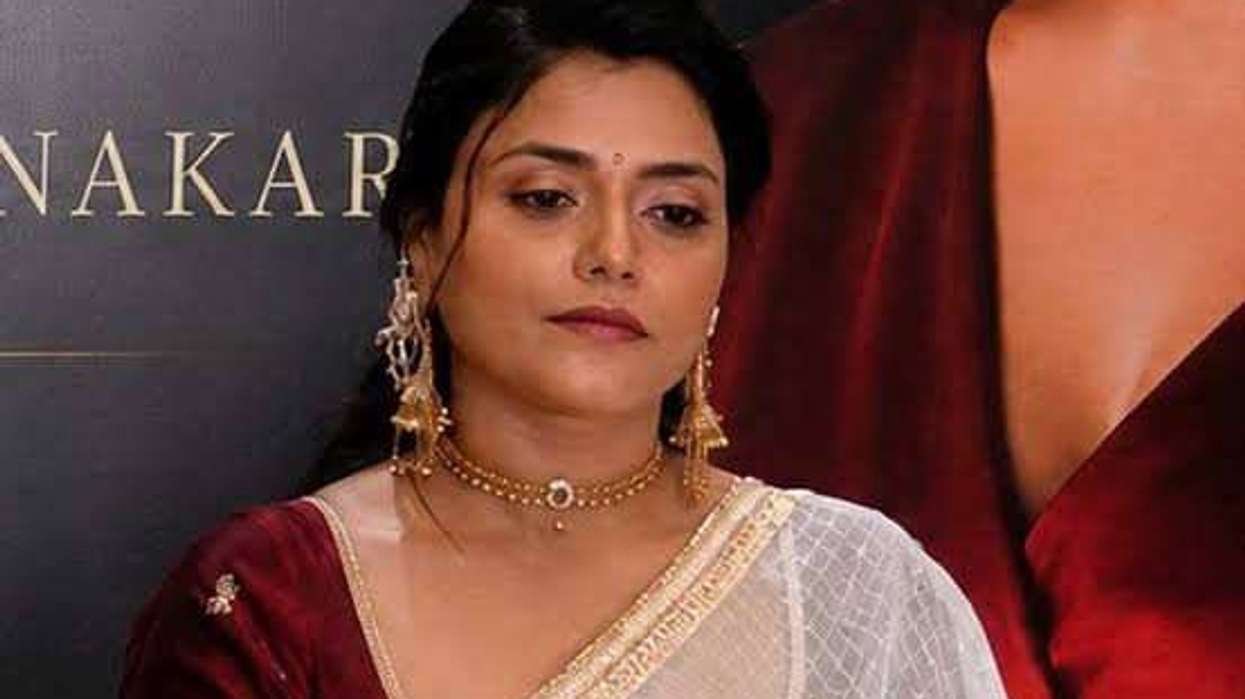
After months of speculations, it has been finally confirmed that popular television actress Nia Sharma is onboard to play one of the female leads in the upcoming season of the superhit supernatural revenge drama Naagin.
Now, speculations are rife that her former co-star Krystle D’Souza may also join her on the cast of the much-awaited series. For the uninitiated, Nia Sharma and Krystle D’Souza earlier played siblings in Star Plus’ immensely successful series Ek Hazaaron Mein Meri Behna Hai.
Reacting to the rumours doing the rounds in telly land, D’Souza told a publication, “Oh yes, then it is going to be Ek Hazaaron Mein Meri Naagin Hai. Who was the first name that popped up during Naagin 1? It was me! For Naagin 2, 3, it was me again. So, for the fourth season, it has to be me. My name has to pop up (every season) because apparently I look like a snake,” said the actress.
Krystle, who is winning rave reviews for her performance in Ekta Kapoor’s web-series Fittrat, added, “You have to wait and watch. That is the great part of being a part of Balaji family. We keep our secrets really strong. I am going to be speculated to be the Naagin till season 41 and then I’ll be like the mother of Naagin.”
Nia Sharma, who has been seen in a couple of digital shows of late, was announced as the first actress in Naagin 4 through a social media post by producer Ekta Kapoor. To be made under the banner of Balaji Telefilms, Naagin 4 will hit the airwaves on Colors towards the end of the year.