By Hina Bokhari
Merton Councillor and Liberal Democrat London Assembly candidate.
Politics and Islam has often been a cause for debate for Muslims. It’s sure to be this year as we are all in lockdown and around the world many Muslims will observe the holy month of Ramadan. But this time politics and Islam will be joining up in a very different fashion.
The fast from dawn to dusk, on Saturday 25th of April will be observed by some unlikely compatriots, the Liberal Democrat party! Key party members such as acting leader Ed Davey, MP Layla Moran, and others, will lead from the front, as party members from top to bottom, will abstain from all forms of food and drink from sunrise until sunset, 16 hours in total, sharing their experiences on social media with the hashtag #LibDemIftar.
Those fasting will raise money for a chosen charity to tackle the cause of hunger in the UK. Fasting helps us appreciate what those suffering from food poverty, go through on a daily basis. In times like these, it is important that we pay heed to the lessons of our religions and look after the most vulnerable.
This is an important display of solidarity with the Muslim community, who have had to contend with the unfamiliar experience of a Ramadan behind closed doors, without any of the communal activities which are so integral to the Ramadan spirit. After weeks of staying at home, not being able to congregate in mosques and in people’s homes during this holy month, will contribute to people feeling isolated and lonely.
The Lib Dem decision to fast in solidarity with Muslim communities, sends a clear message that the significance of Ramadan and it’s curtailment this year, is not lost on the party. In our diverse society, showing a genuine appreciation of the importance of each other’s rituals and traditions is an important step towards building trust and understanding within our society. For Muslims, this step won’t fill the gap of not being able to attend the mosque or have community iftars, but it will certainly lift moods and create a sense of togetherness in these difficult times.
During these testing times, whilst our communities are not able to physically gather together, it is important that we seek creative ways of engaging with each other across boundaries, through initiatives such as this. When we collectively face hardship as a society, the need for breaking down barriers and realising our shared humanity is greatest. Something I learned from my father, is that one of the best ways to do this is through respectful engagement with each other’s traditions. Through this, we not only build meaningful relationships between communities, but we also enrich ourselves through learning the valuable lessons contained in these traditions.
Seeing the outpouring of goodwill from Muslims in response to the Lib Dem fast, reinforces my belief about the value of such initiatives. It comes as a surprise to me that this is the first time a major political party has done something like this – I hope this will set a precedent, not just for engagement with Ramadan, but for all of us to seek opportunities to honour and respect the diverse traditions which make up the tapestry of modern Britain. I can’t think of a more important time to start doing this.

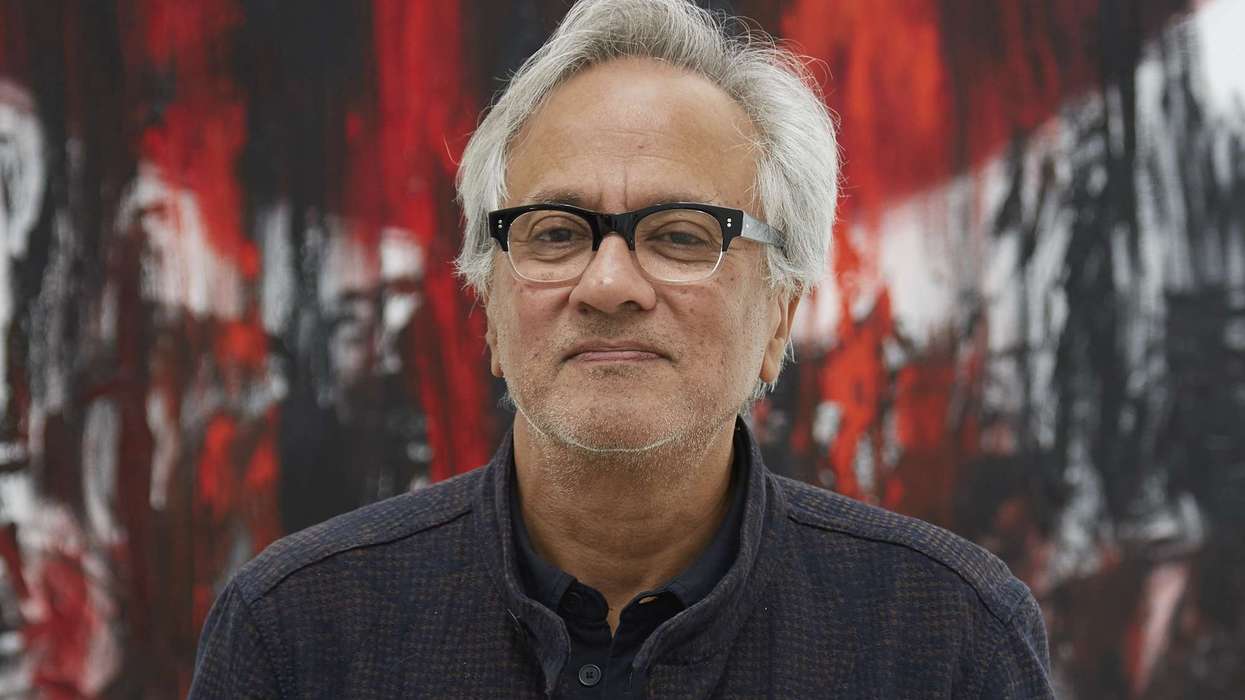
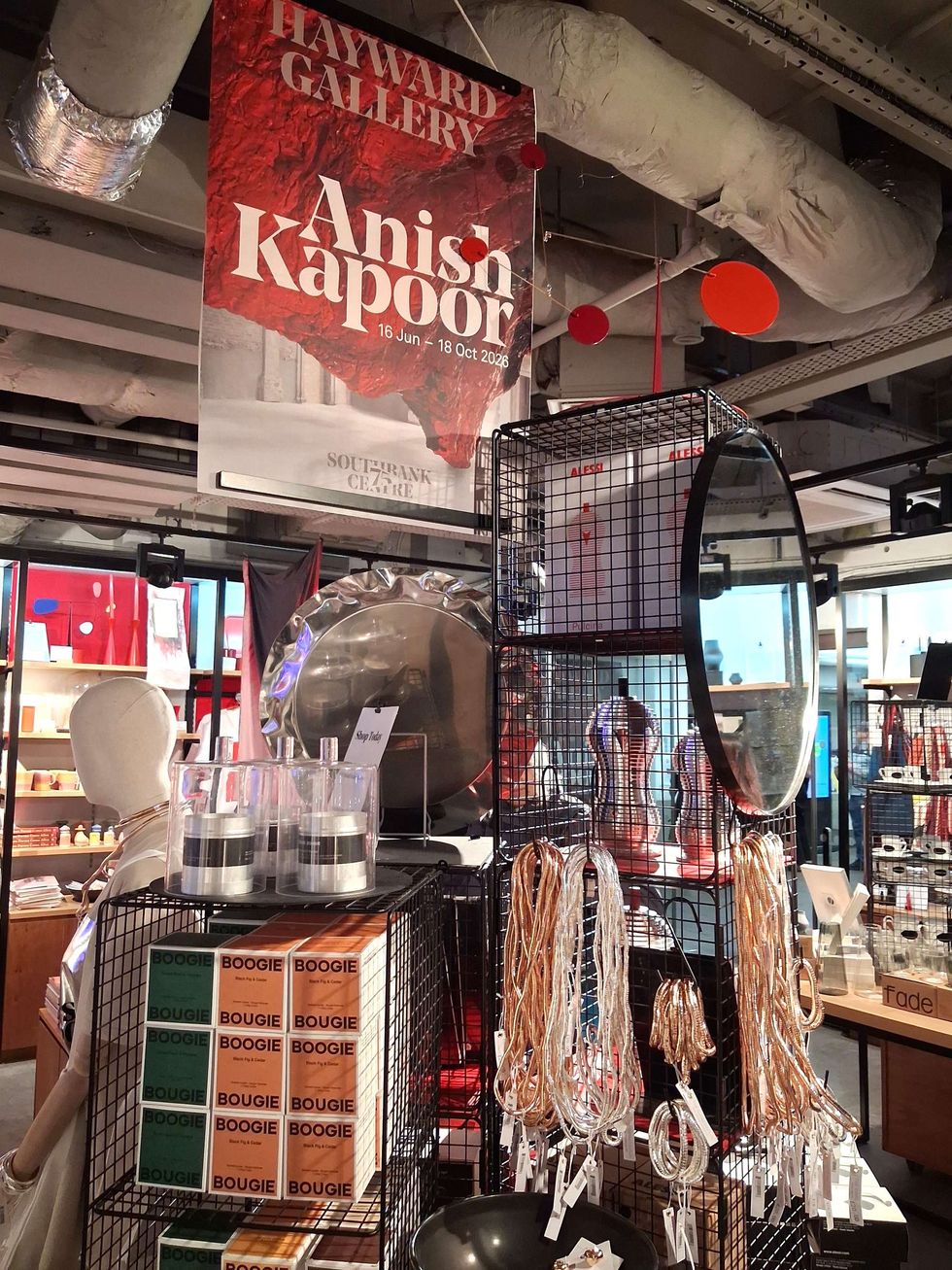 Anish Kapoor merchandise in the Hayward Gallery shopEastern Eye
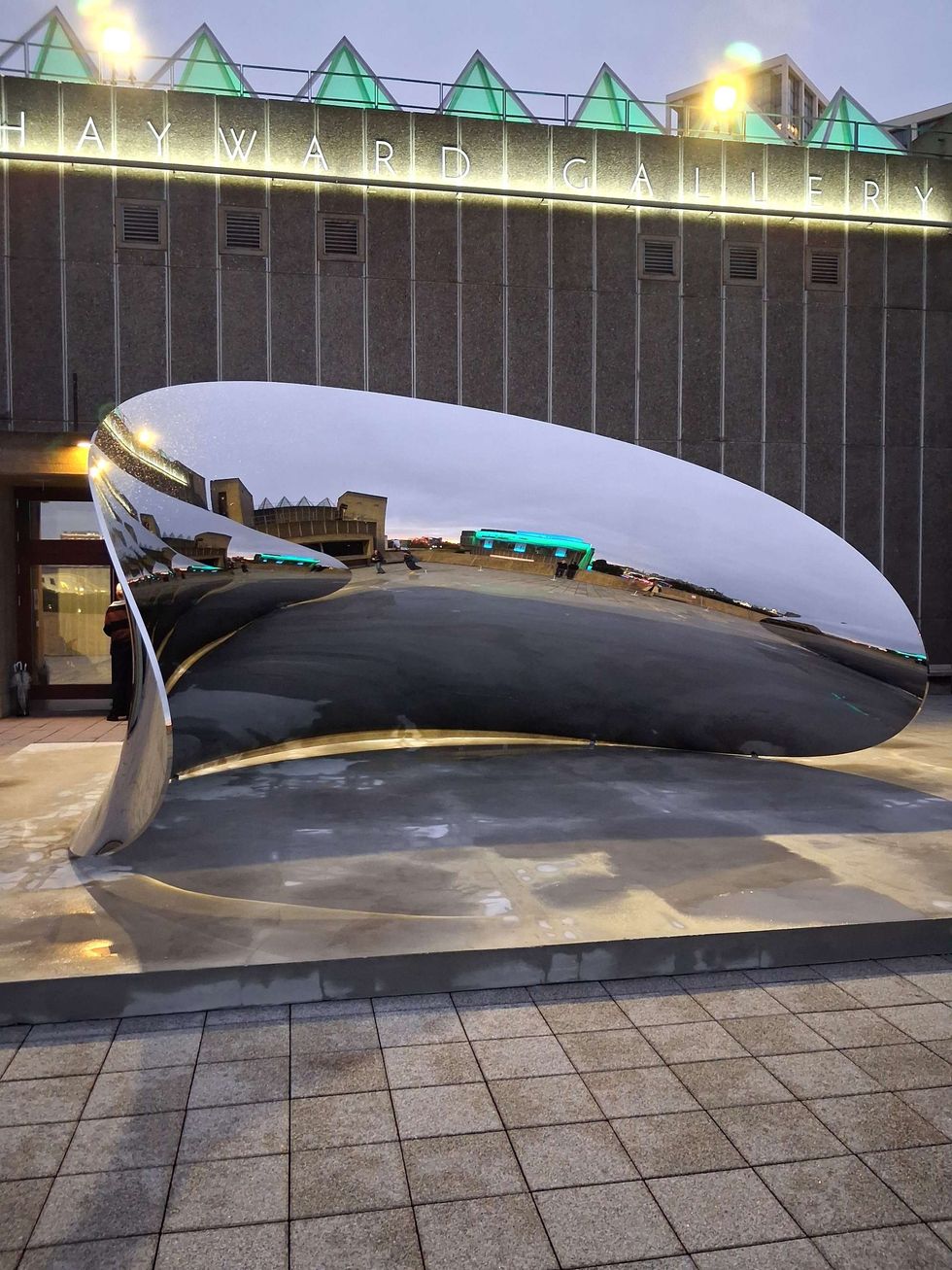 TsunamiEastern Eye
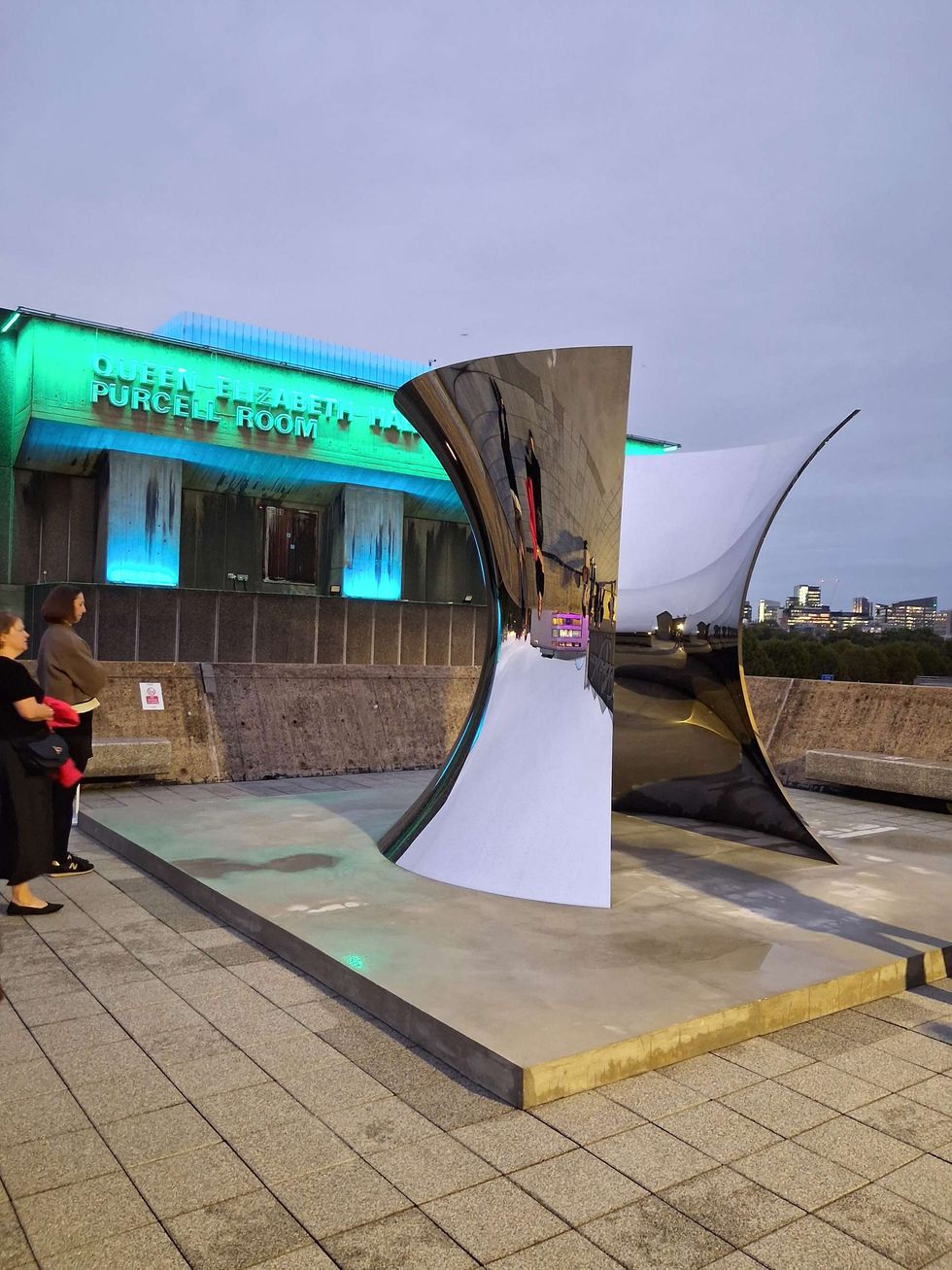 CloakEastern Eye
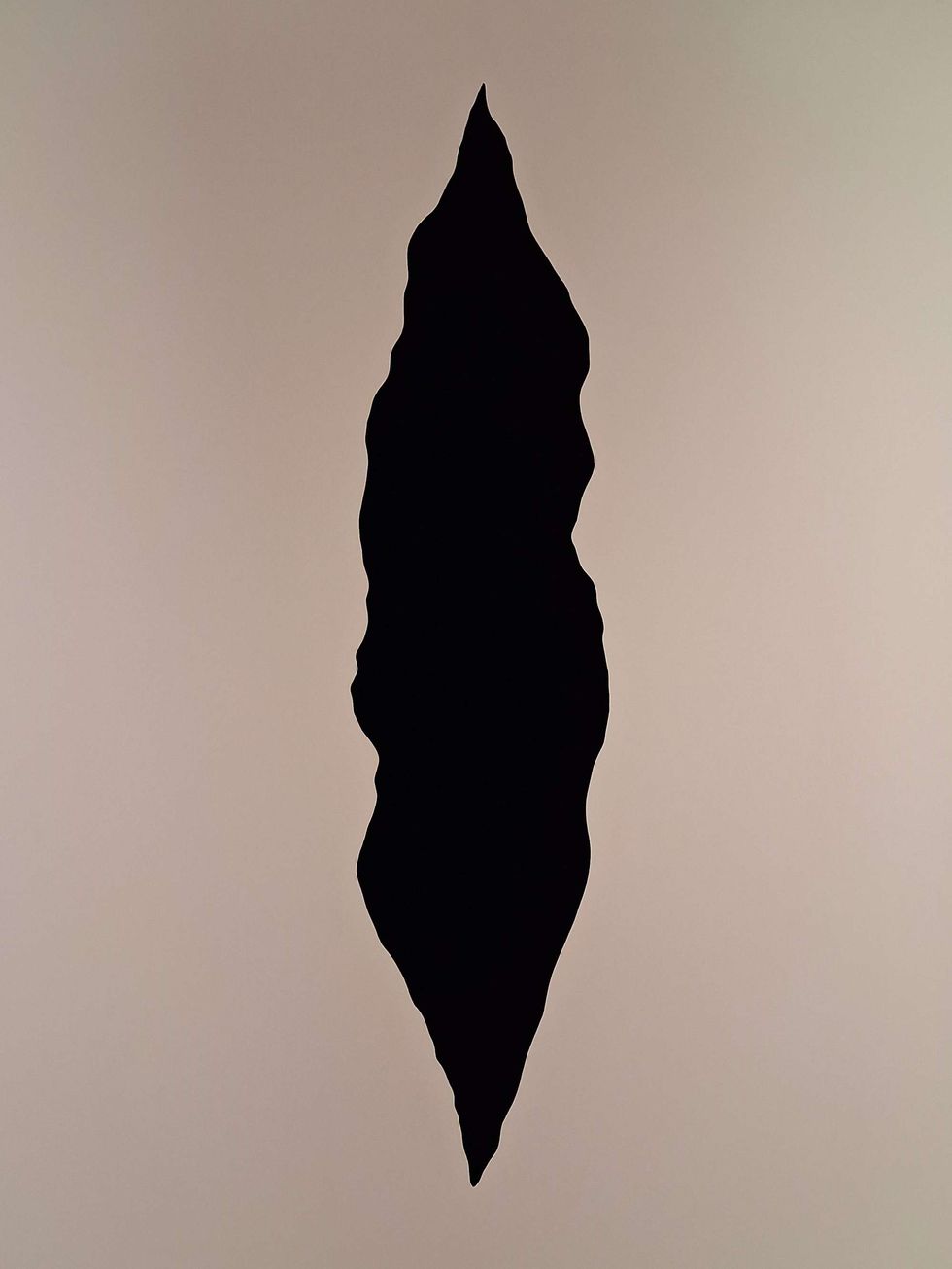 Untitled (work in Vantablack)Eastern Eye
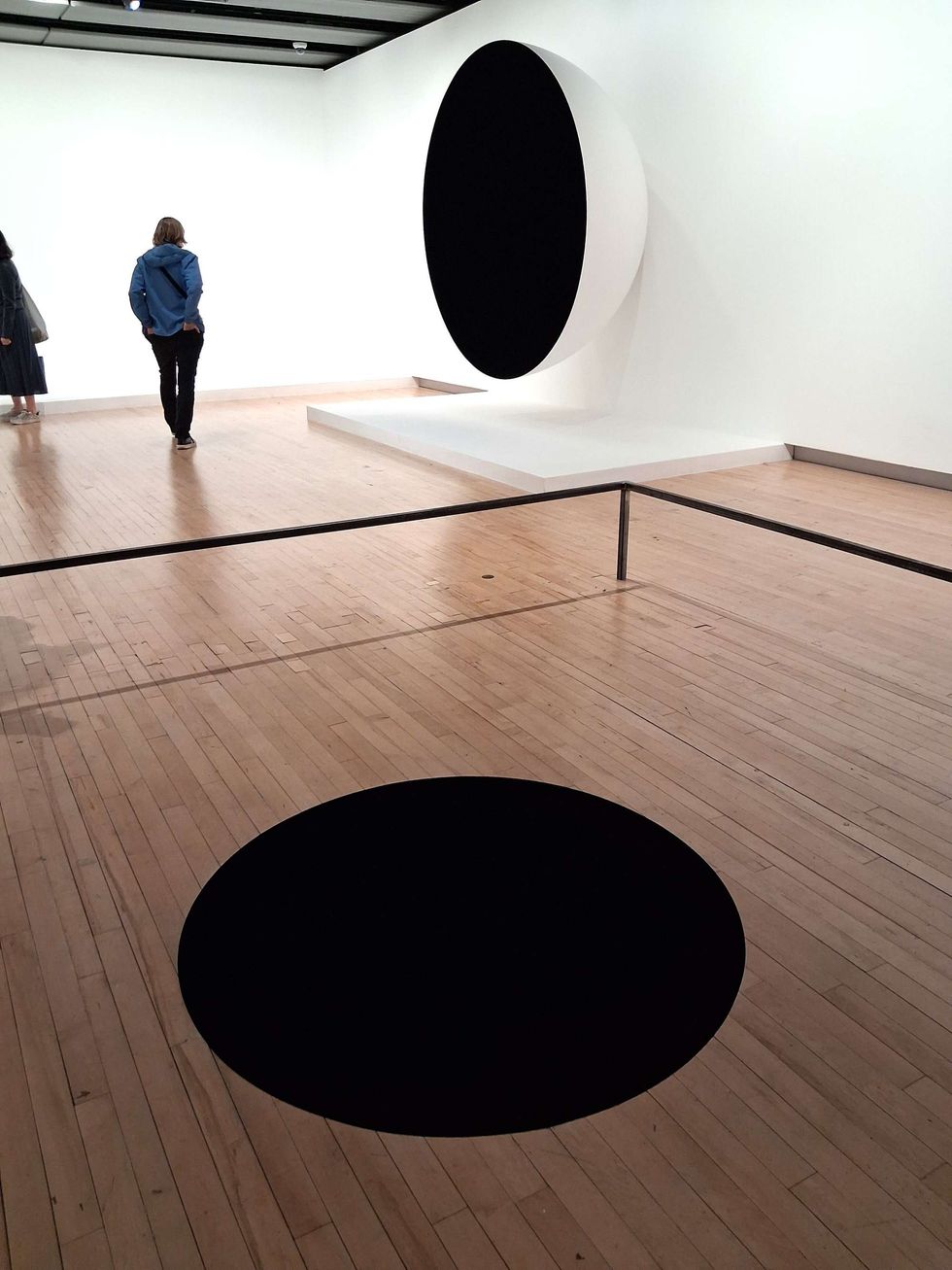 Descent into limbo (work in Vantablack)Eastern Eye
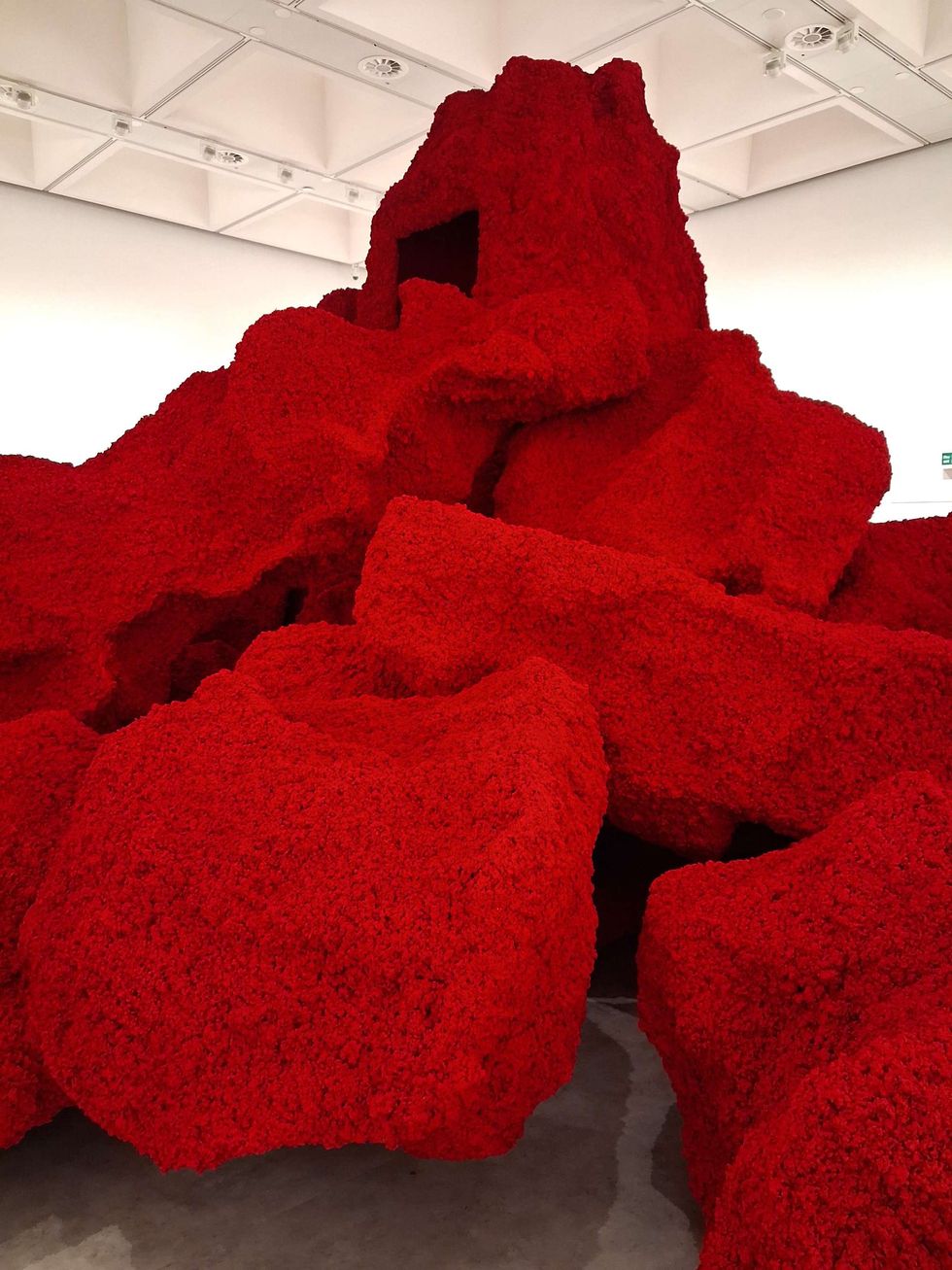 Ha MakomEastern Eye
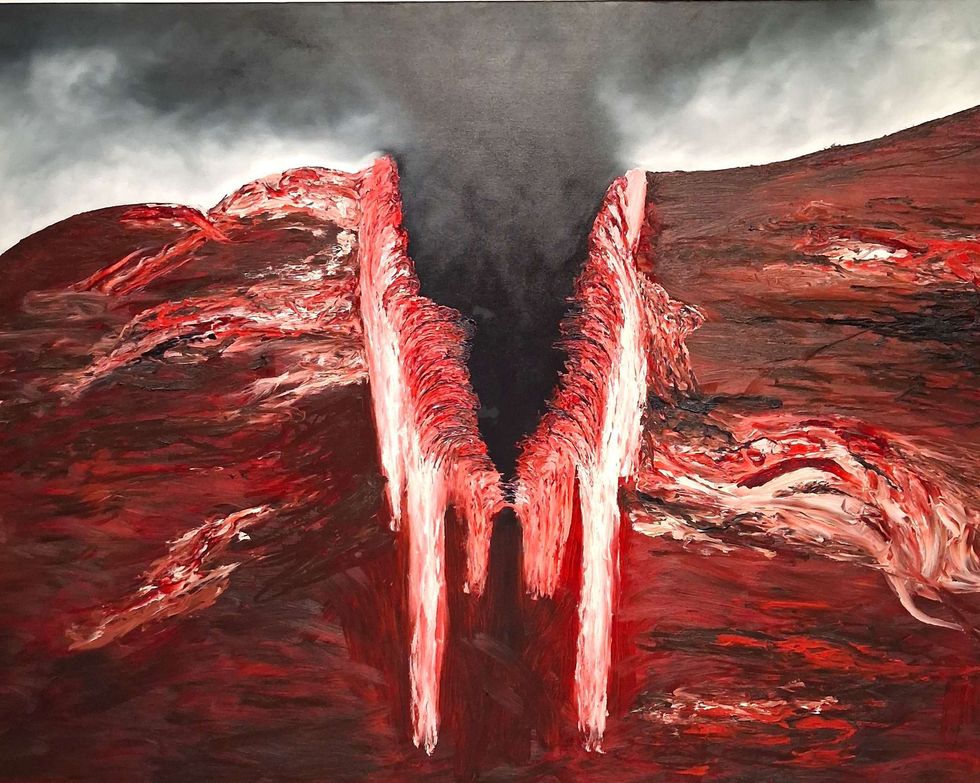 The Dark (oil on canvas)Eastern Eye
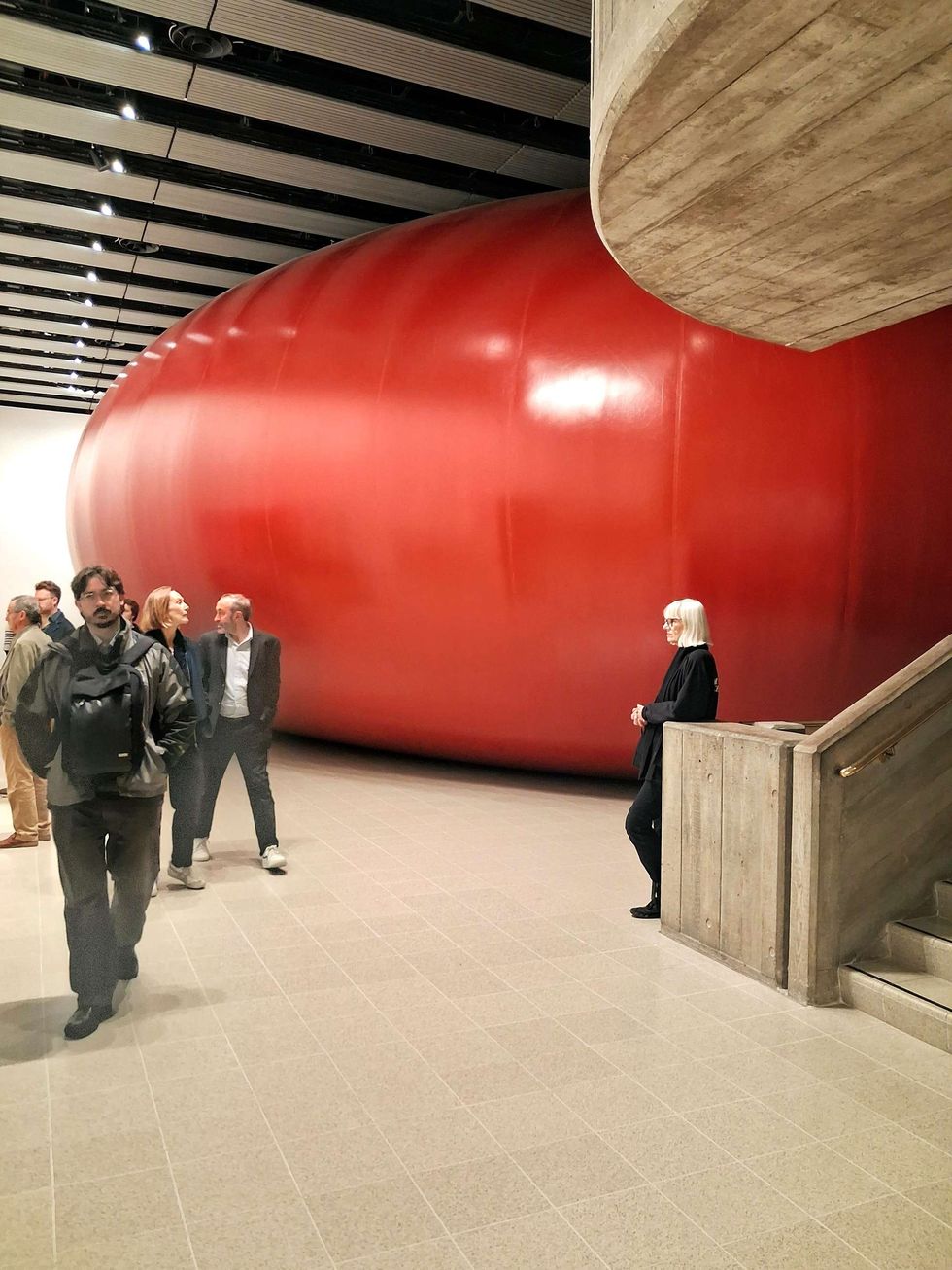 All is NothingEastern Eye
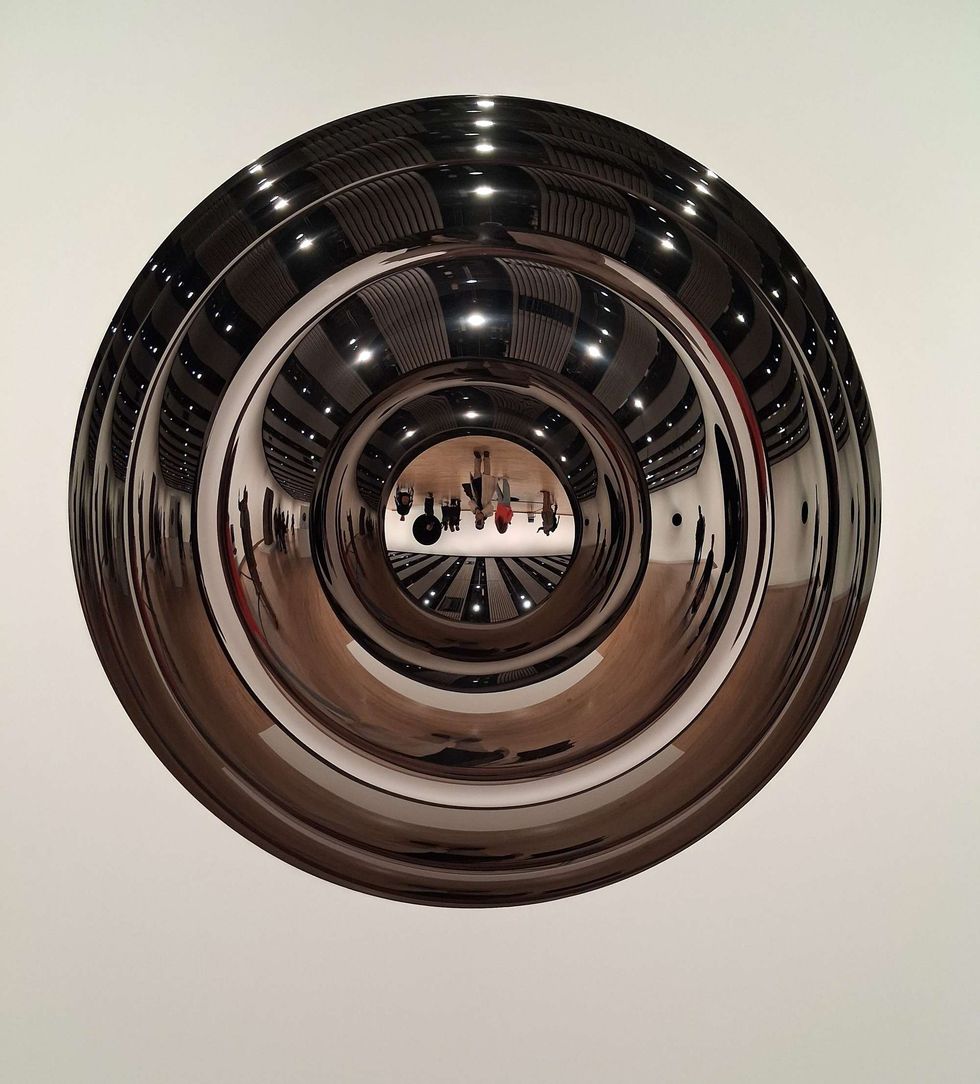 IrisEastern Eye
 Untitled (work in Vantablack) Eastern Eye
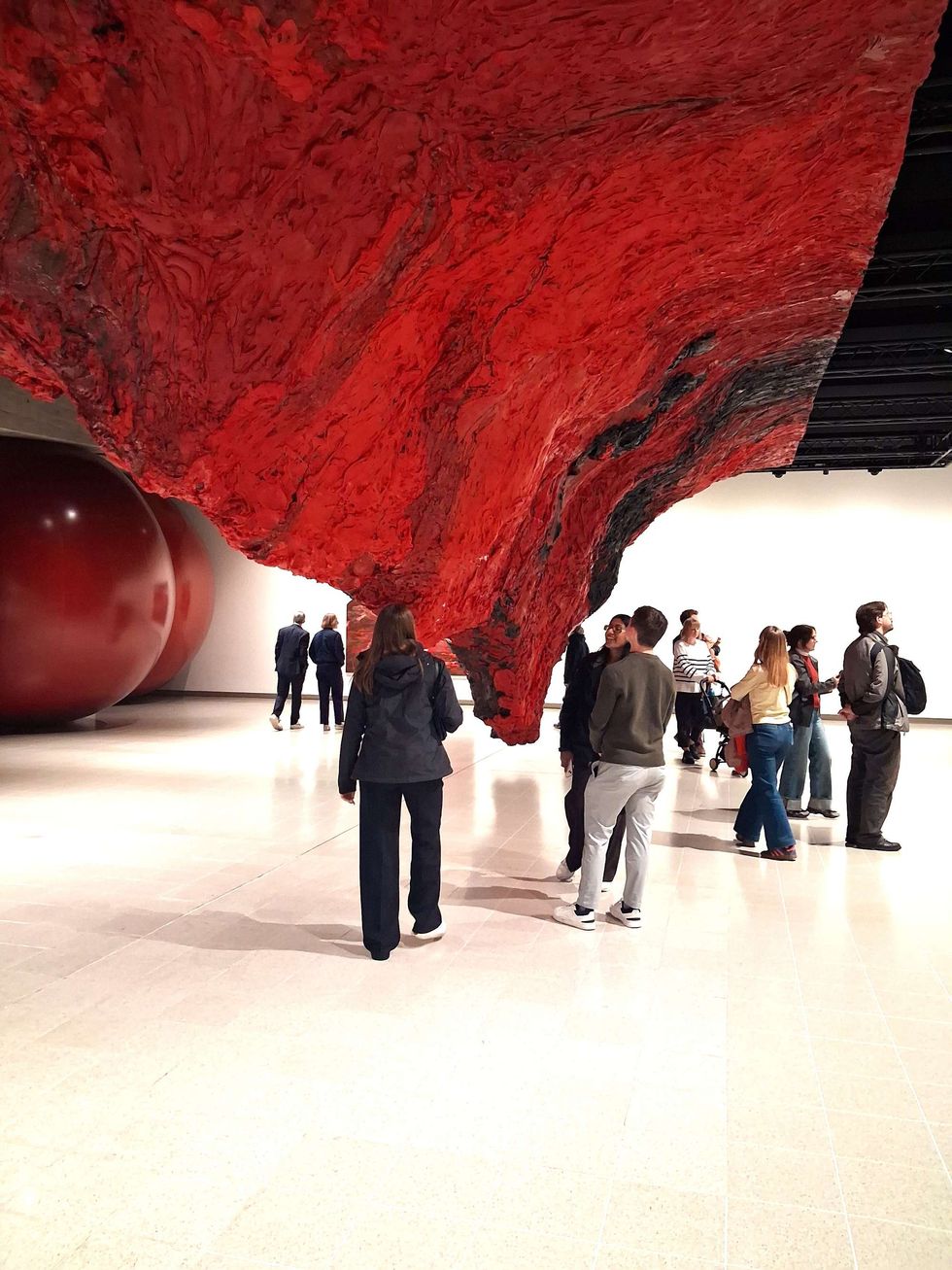 Mount Moriah at the Gate of the GhettoEastern Eye
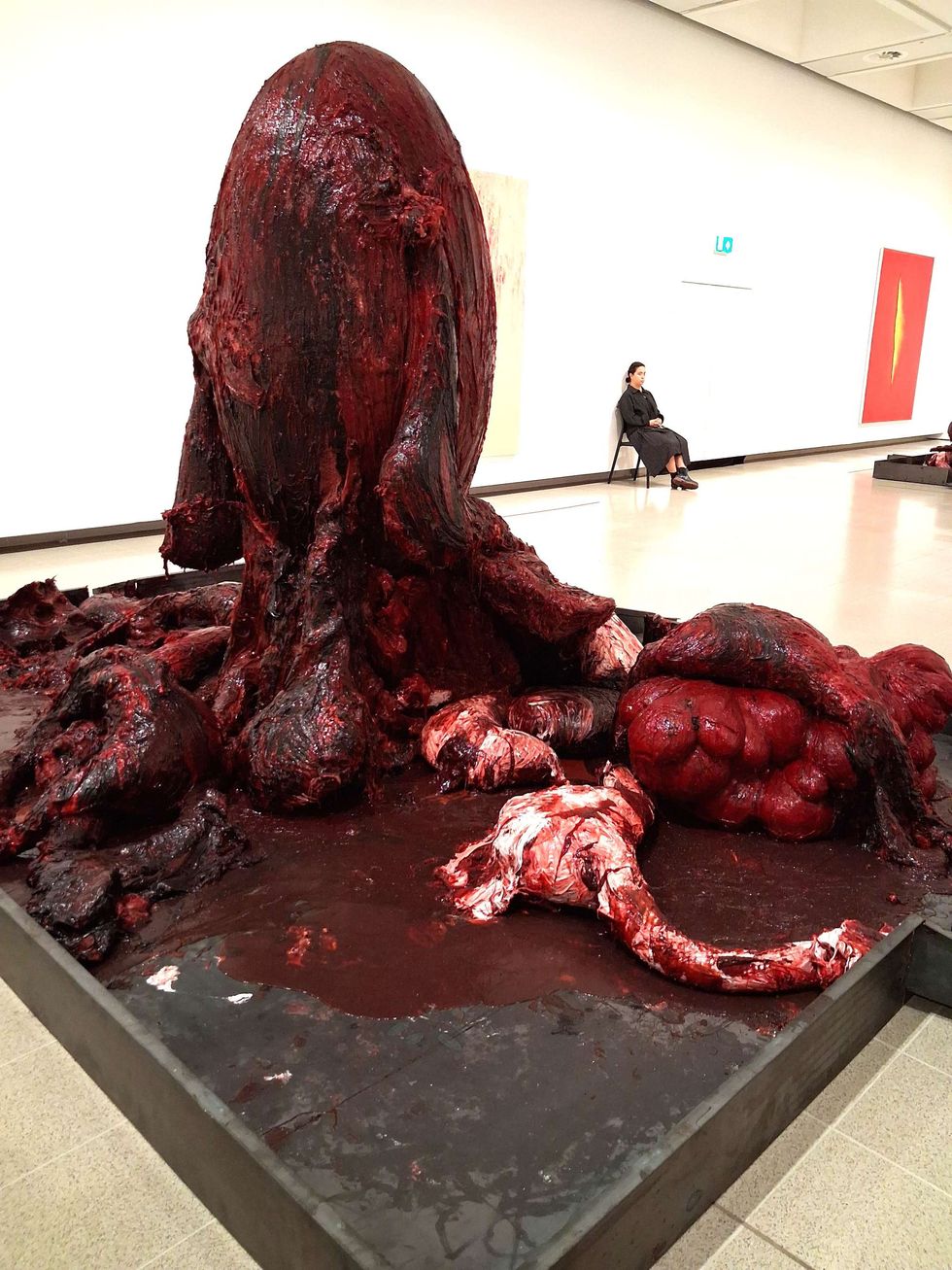 Interior of the body: evocation of ritual sacrificeEastern Eye