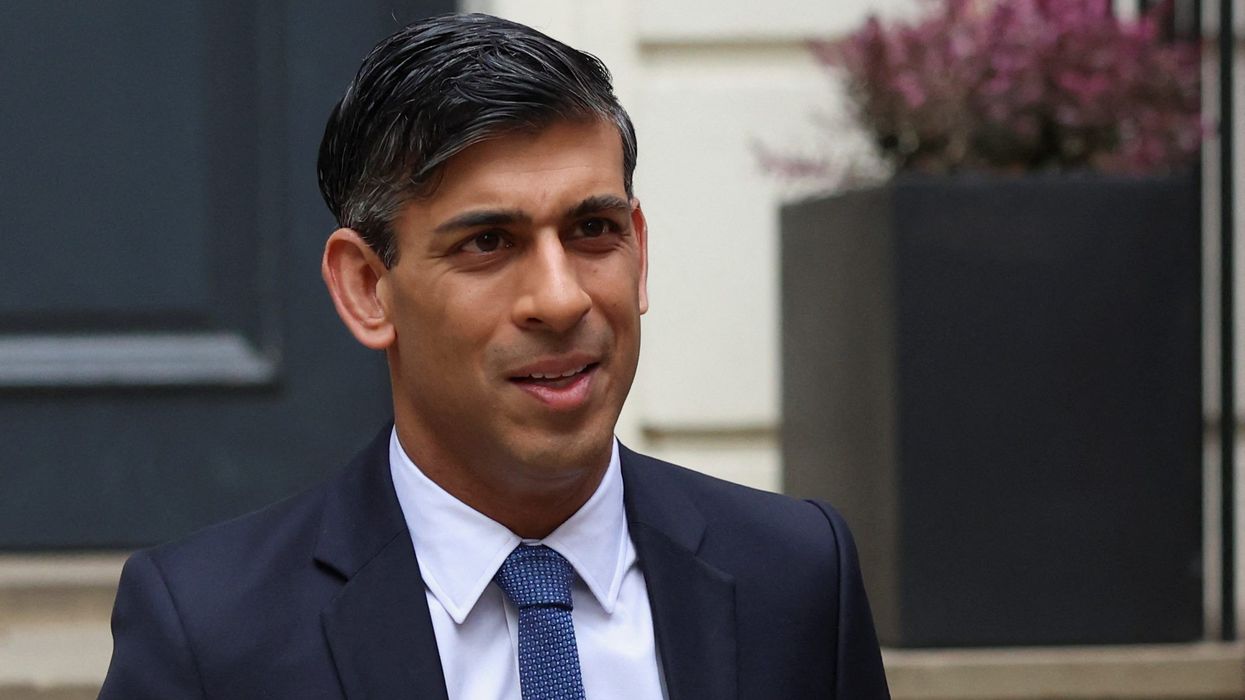

Early results of the local elections in England on Friday (05) have indicated that Rishi Sunak's Conservative party lost a considerable number of seats.
Voters have reportedly expressed their discontent over political scandals, sluggish economic growth, and high inflation.
This result marks the largest, and potentially final, test of voter sentiment before the expected 2024 general election.
The early results revealed a net loss of 88 seats on local councils up for re-election for the Conservative party, while the main opposition Labour Party gained 64 seats. Additionally, the Liberal Democrats experienced a net gain of 24 seats.
The local elections will determine the outcome of over 8,000 council seats in 230 local government authorities, which have the responsibility of providing day-to-day public services such as schools and waste management.
According to John Curtice, a renowned pollster in Britain, the early results suggest that the Conservative party may suffer a net loss of approximately 1,000 seats. This would be considered one of the party's poorest performances in recent local elections.
Since becoming the Prime Minister in October, Sunak has endeavored to revive the credibility of the Conservative party, following a period of economic turmoil, strikes, and political scandals.
Over the past year, the Conservative party has undergone three changes of prime minister, following Boris Johnson's dismissal, partly due to allegations of holding parties in government buildings during COVID-19 lockdowns, and Liz Truss's downfall, which resulted from a risky move to cut taxes that harmed Britain's financial stability reputation.
In the local elections, the Conservatives faced a dual challenge: the main opposition Labour Party's efforts to regain seats in the Red Wall regions of north and central England, and the Liberal Democrats' attempts to make progress in the south.
Based on the initial results, Sunak's party lost control of three councils, namely Brentwood, Tamworth, and North Leicestershire. In a crucial battleground region, Labour gained Plymouth, a victory regarded as critical to the party's chances of winning the next general election.
Member of Parliament for the area, Johnny Mercer, expressed that it had been a "terrible" night for the Conservative party.
During the local elections campaign, Labour leader Keir Starmer visited Plymouth as the party prioritised efforts to regain control of the council.
A comprehensive overview of the parties' status will not be available until later, on Friday, when the majority of councils will reveal their results.
(Reuters)