
The Conservatives suffered high-profile losses as results poured in Friday (6) in what is seen as prime Minister Rishi Sunak's first major electoral test since he took office last year.
Local council elections held across swathes of England on Thursday (4) with Britons experiencing the worst cost-of-living crisis in decades.
Sunak admitted results looked "disappointing", but claimed he was "not detecting any massive groundswell of movement" towards Labour or "excitement for its agenda".
However, with over half of the 230 English districts having declared by late afternoon, the Tories had lost nearly 600 seats and control of almost 30 councils. Labour had netted more than 300 new seats and control of 12 new districts.
Vote counting in the more than 8,000 seats will only be complete later on Friday, just as the country gears up for Saturday's (6) coronation of King Charles III.
But Labour leader Keir Starmer crowed that the trend was already clear.
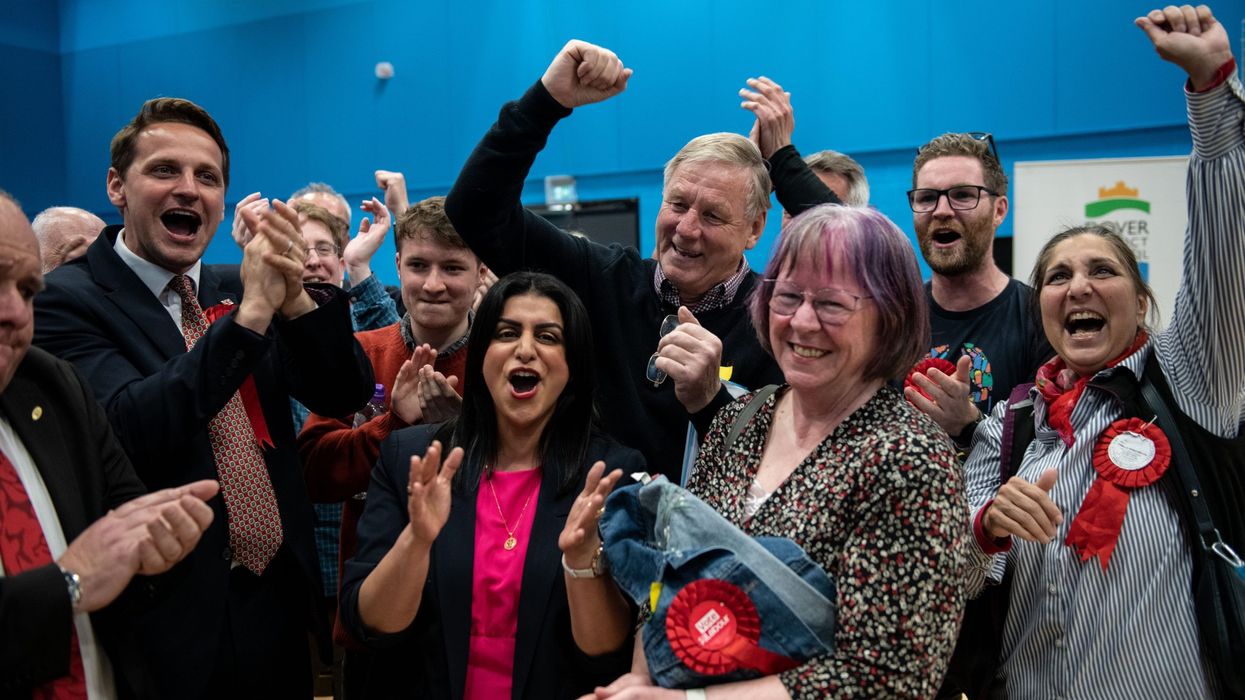
"Make no mistake, we are on course for a Labour majority at the next general election," he told cheering activists in Medway, southeast England, one of the councils seized by his party from the Tories.
"We've won the trust, the confidence of voters, and now we can go on to change our country."
While governing parties often struggle at mid-term elections, the council results in England are the largest, and possibly last, test of voter sentiment before the next national election due by January 2025.
Labour said they were now on track for power at the next general election. A Sky News projection based on the vote share of the early results said Labour could garner 36-38 per cent of the vote at the next national election, making them the biggest party, with the Conservatives at 28-30 per cent.
The projection said Labour might fall short of a majority, though that could depend on how it fares in Scotland, where it is competing to take seats from the Scottish National Party and which did not hold local polls.
A similar BBC projection said Labour would get 35 per cent at a national election and the Conservatives 26 per cent, and some in Sunak's party voiced their disquiet over the results.
Transport minister Huw Merriman indicated the Tories were paying the price for the fallout from several chaotic weeks when they ditched Boris Johnson and then Liz Truss as leader in quick succession.
Local constituents have been "talking about older news about former prime ministers -- but saying your current leader seems to have what it takes", he told the BBC, insisting that Sunak was on the right track.
Labour made gains in some areas that backed leaving the European Union in the 2016 Brexit referendum which the party will need to win over if it wants to achieve a majority in the next parliament.
"Make no mistake, we are on course for a Labour majority at the next general election,"
Starmer said on a visit to Medway.
The Liberal Democrats gained more than 200 seats and control of six more councils.
It was making inroads in wealthy Conservative districts on the edge of London that are represented nationally by members of Sunak's cabinet - the "blue wall".
The Lib Dems took control of the council in Windsor and Maidenhead.
"We are exceeding all expectations," party leader Ed Davey said.
"We have delivered a hammer blow to the Conservative party in the blue wall ahead of next year's general election."
Meanwhile, the Green Party took full control of a council for the first time, in Suffolk in eastern England.
(Agencies)