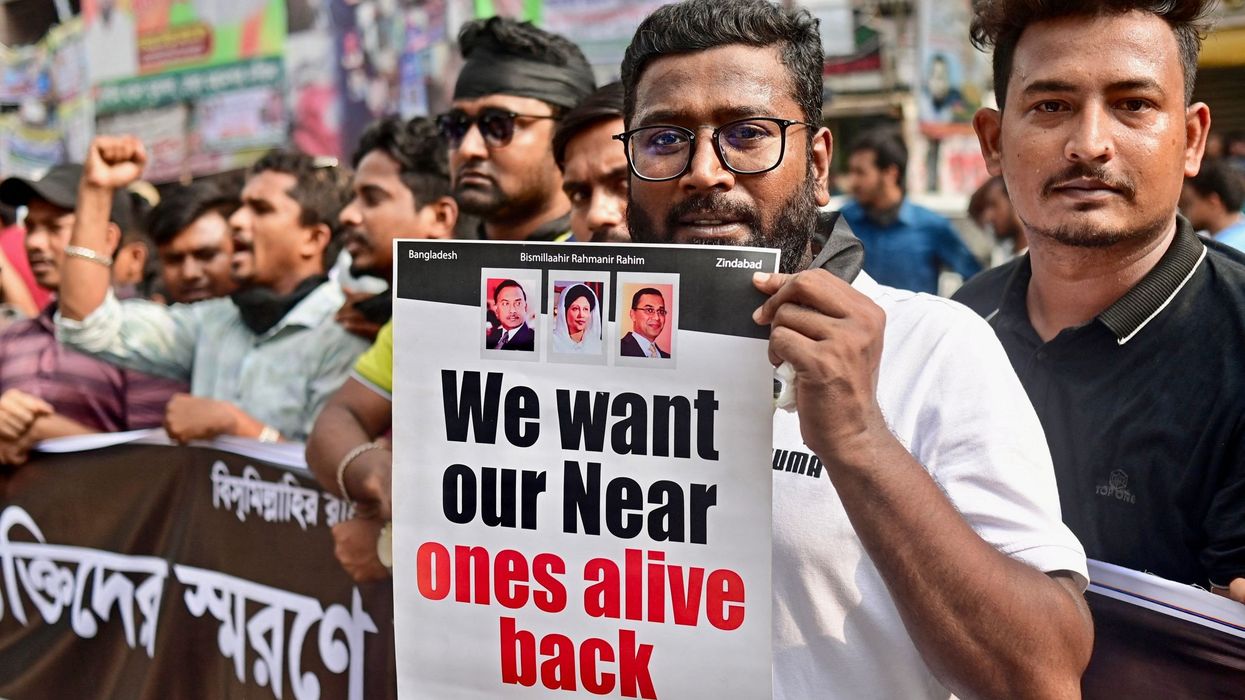

Thousands of protesters from Bangladesh took to the streets on Wednesday (30), rallying to seek information regarding the alleged abduction of hundreds of individuals by security forces during the nearly 15-year tenure of prime minister Sheikh Hasina.
Supporters of the Bangladesh Nationalist Party (BNP) and its allied opposition groups, along with families of the missing individuals, gathered to commemorate the International Day of the Victims of Enforced Disappearances.
Many participants were seen wearing black gags over their mouths as a symbolic gesture.
The government denies the allegations of disappearances and extrajudicial killings, saying some of those reported missing drowned in the Mediterranean while trying to reach Europe.
National elections are due in Bangladesh by the end of January, but rights groups and foreign governments have long raised concerns over efforts by Hasina's government to silence criticism and stamp out political dissent.
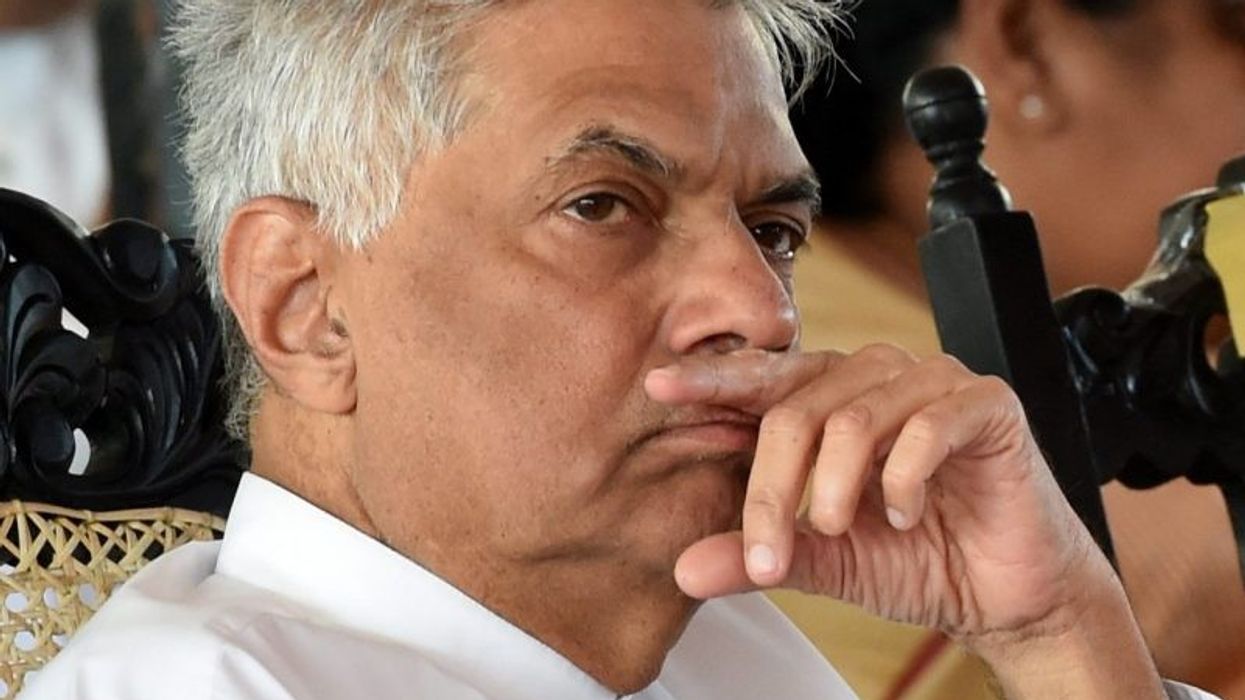
"I am not just afraid... every single day I wake up, I am absolutely terrified," said Humam Quader Chowdhury, a BNP official.
He said he had been detained by security forces for seven months.
Chowdhury told protesters in the capital Dhaka that, during his detention, he saw a senior official on television deny he was in custody.
Ten-year-old Mariam Bushra held a photograph of her missing father, opposition activist and lawyer Ahmad Bin Quasem.
"I want the return of my father," she said.
Human Rights Watch said security forces have committed "over 600 enforced disappearances" since Hasina came to power in 2009, and nearly 100 remain missing.
The others were later released, produced in court or reported to have "died during an armed exchange with security forces", HRW said.
"Bangladesh authorities are fooling nobody by continuing to deny the reality of enforced disappearances, and instead are prolonging the suffering of families," Julia Bleckner, HRW's senior Asia researcher, said Wednesday.
Security forces are accused of detaining tens of thousands of opposition activists, killing hundreds in extrajudicial encounters and disappearing hundreds of leaders and supporters.
The elite Rapid Action Battalion security force and seven of its senior officers were sanctioned by Washington in 2021 in response to those alleged rights abuses.
(AFP)