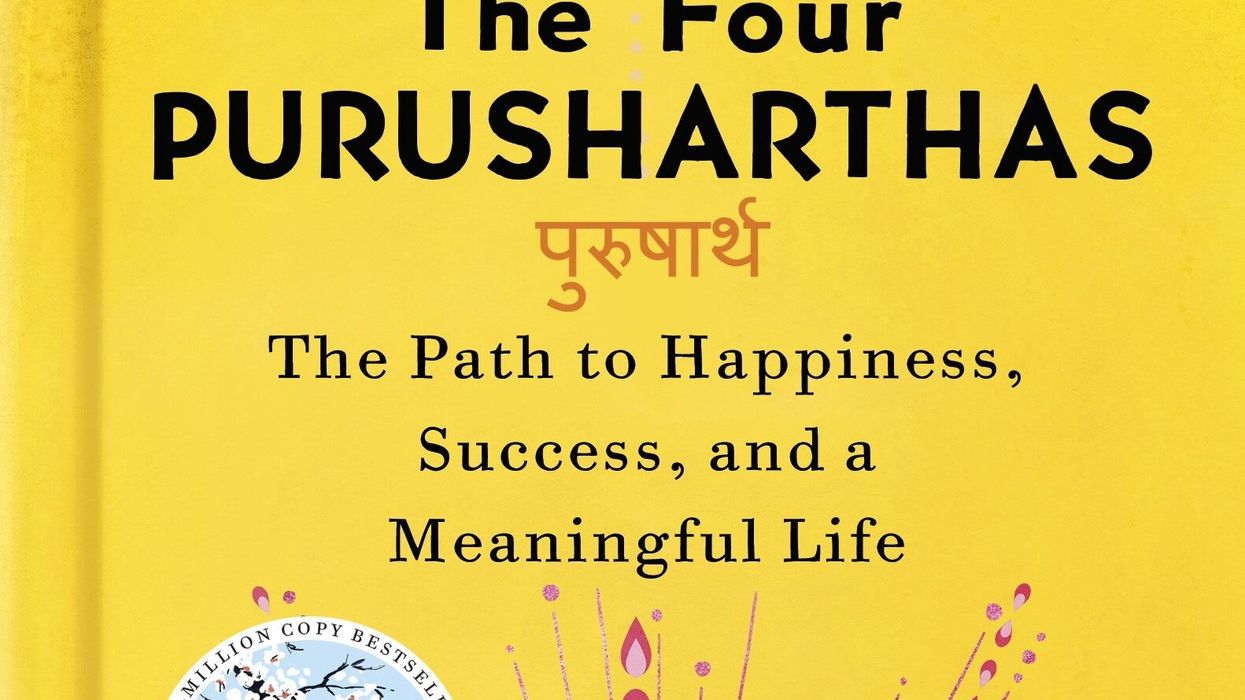

AFTER popularising the Japanese concept of 'Ikigai' — the reason for being — through their bestselling books, authors Héctor García and Francesc Miralles are now set to release a new book, The Four Purusharthas: The Path to Happiness, Success, and a Meaningful Life, inspired by ancient Indian wisdom.
Scheduled for release on August 29, the book delves into some of the oldest spiritual practices, exploring how the four Purusharthas — artha (wealth), kama (desire), dharma (righteousness), and moksha (liberation) — can help awaken your purpose, relieve stress and fear, and lead to lasting peace. It is published by Penguin Random House.
"Many mindfulness practices popular in the West, like yoga and meditation, originate in India... India is the future of the world. The current CEOs of Microsoft and Google, among other multinationals, come from this culture full of brilliant mathematicians, programmers, and engineers. In these pages, we will find out. It is hard not to be impressed by the fount of endless riches that is India. Our mission was to write a short, fresh, illuminating book that provides answers to today's challenges in the wake of the pandemic's ravages," reads the introduction of the book, translated by Charlotte Whittle.
How can we leave suffering behind and start to lead a fulfilling existence? What ways do we have of awakening all the dormant creative energy inside us? or Can we make the law of karma work in our favor in our daily lives? are among the questions that the book seeks to answer by turning to "humanity's best teachers in the art of happiness and personal fulfillment".
"From thousand-year-old wise men to modern figures like Ramana Maharshi and Jiddu Krishnamurti, India, according to the book, offers a wealth of inspiration to help us break through when we are stuck, develop all our capacities, and become fully realised," it added.
The book's foreword is written by author and senior politician Shashi Tharoor. "I commend their book for delving so accessibly into the complex cultural and spiritual traditions of India, and distilling from them guides for living that should be valuable to everyone with an open mind and a willingness to learn from the wisdom of the ancients," Tharoor writes in his praise for the book. (PTI)



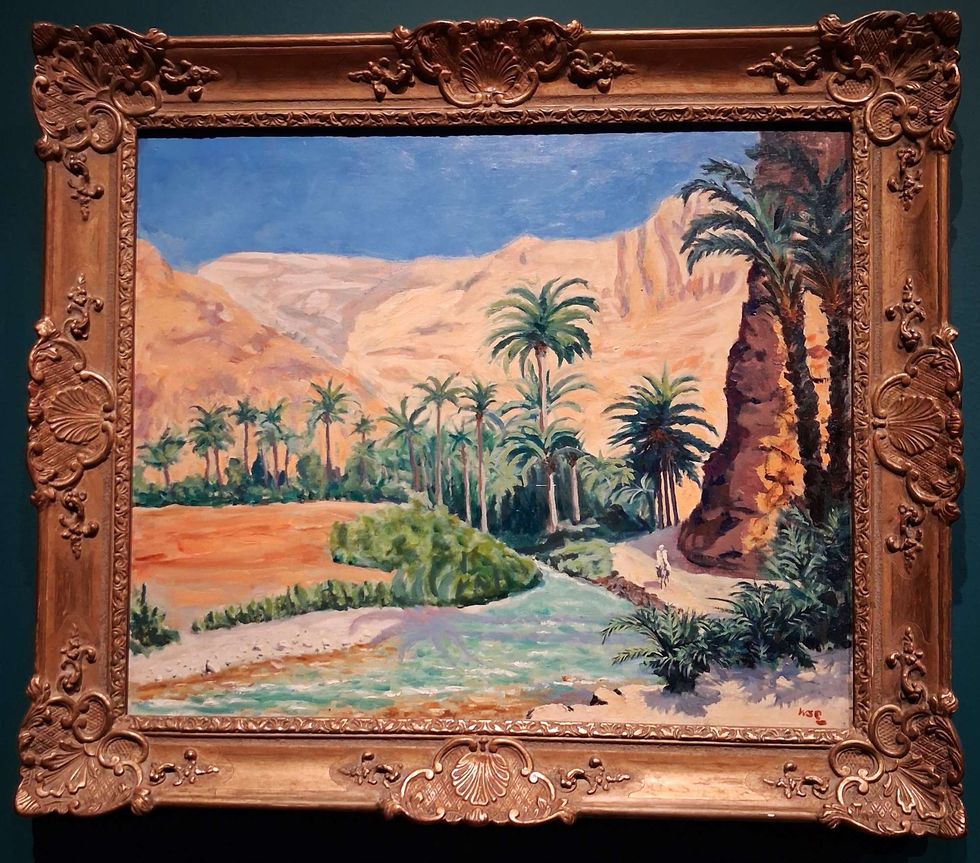 Near MarrakechAmit Roy
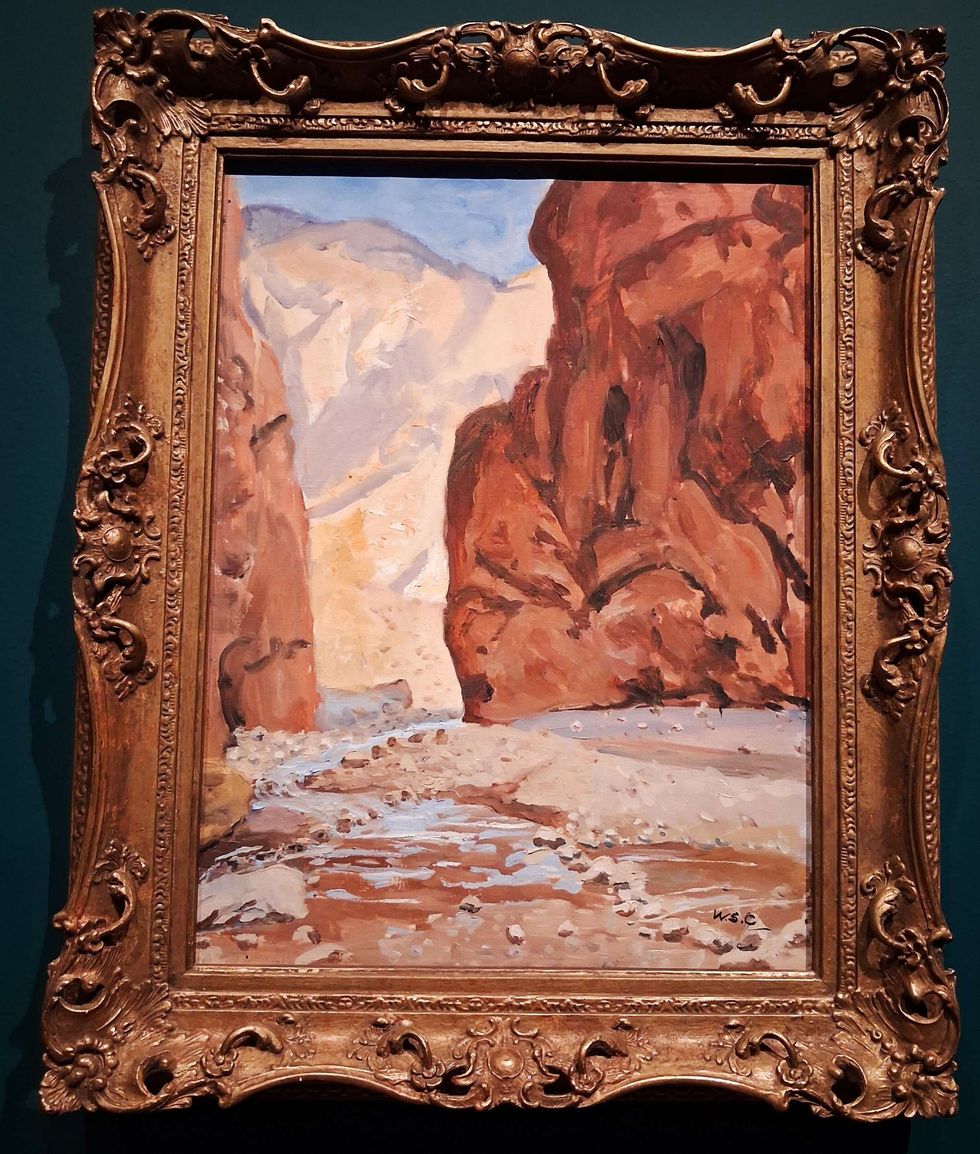 The Todhra Gorge Amit Roy
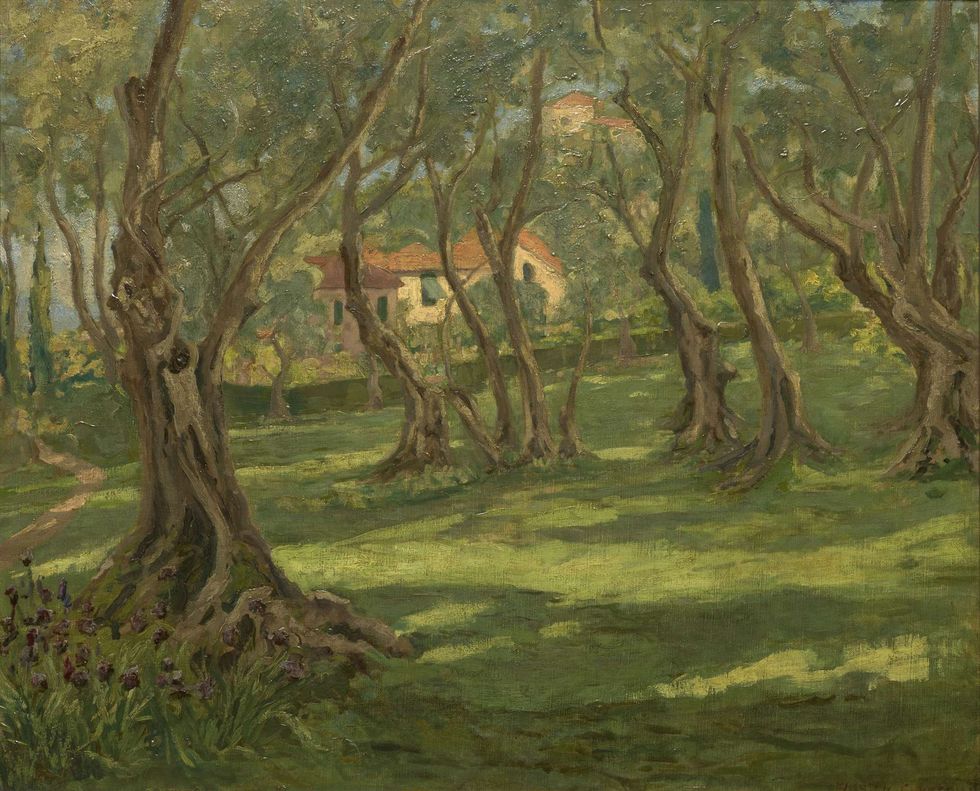 La DragonnièrePrivate Collection © Churchill Heritage Ltd_Photograph by Howard Agriesti
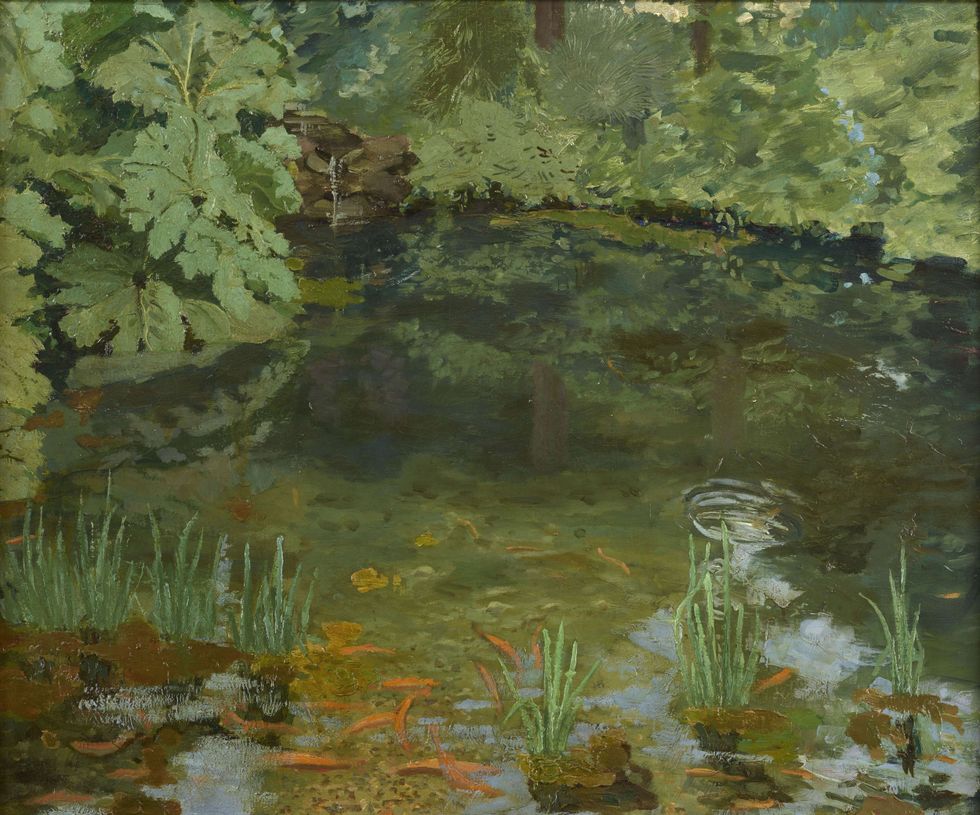 The Goldfish Pool at Chartwell Private Collection © Churchill Heritage Ltd Matthew Hollow Photo
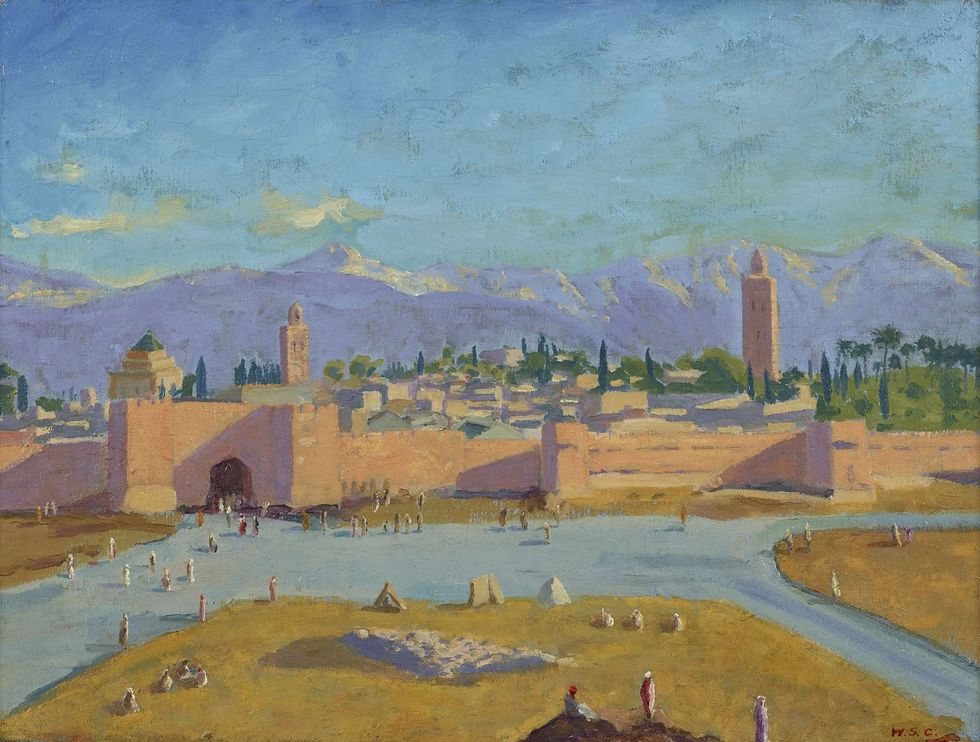 The Tower of the Koutoubia MosquePrivate Collection © Churchill Heritage Ltd_Image courtesy The Churchill Heritage Ltd
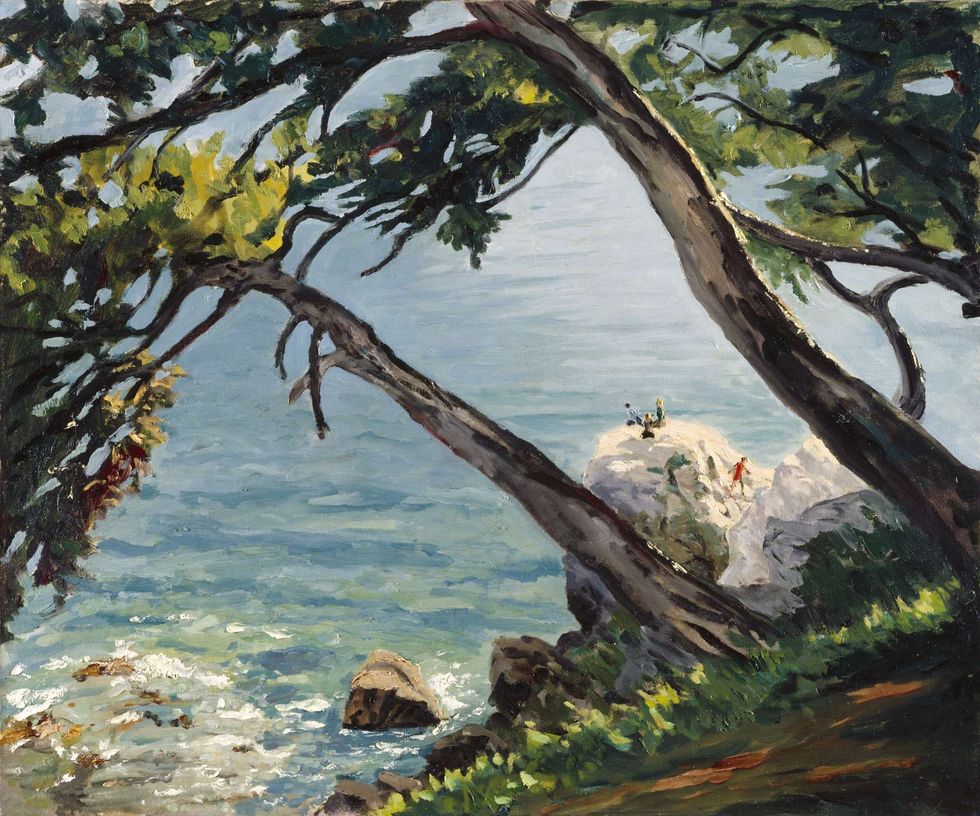 Cap d’Ail, Alpes-MaritimesRoyal Academy of Arts, London © Churchill Heritage Ltd Photo ©Royal
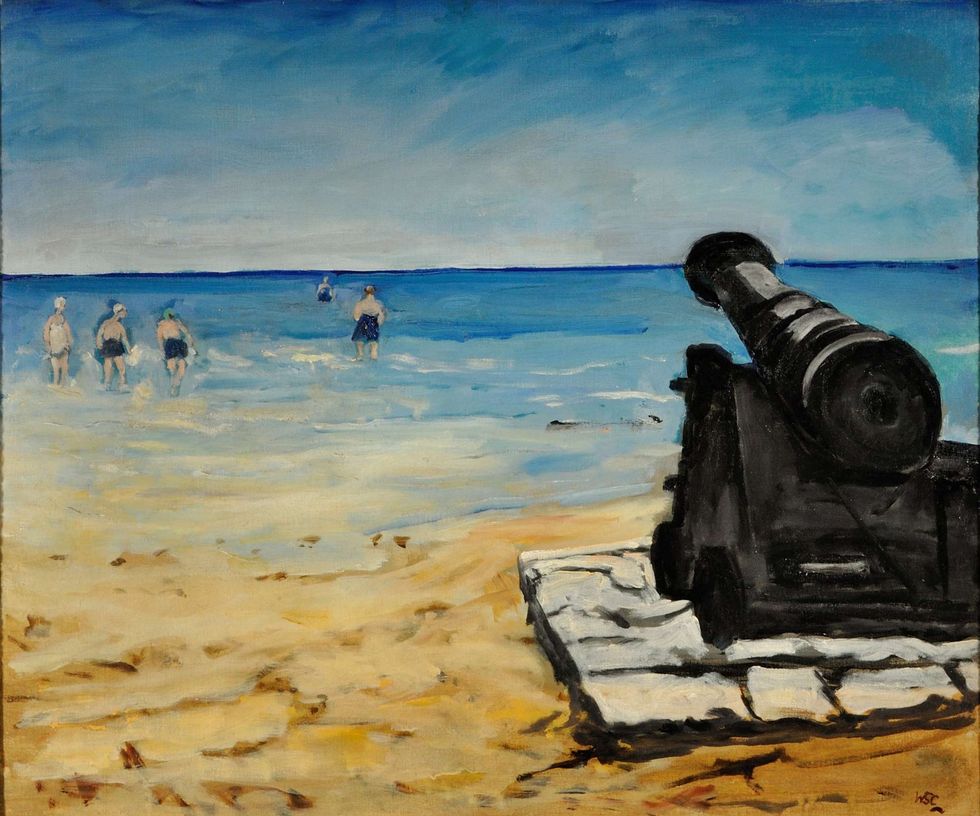 The Beach at Walmer America's National Churchill Museum at Westminster College, Fulton, Missouri © Churchill Heritage Ltd
 Sketch of Lake Carezza, or ‘The Twenty-Minute Sketch'National Trust, Chartwell © Churchill Herita