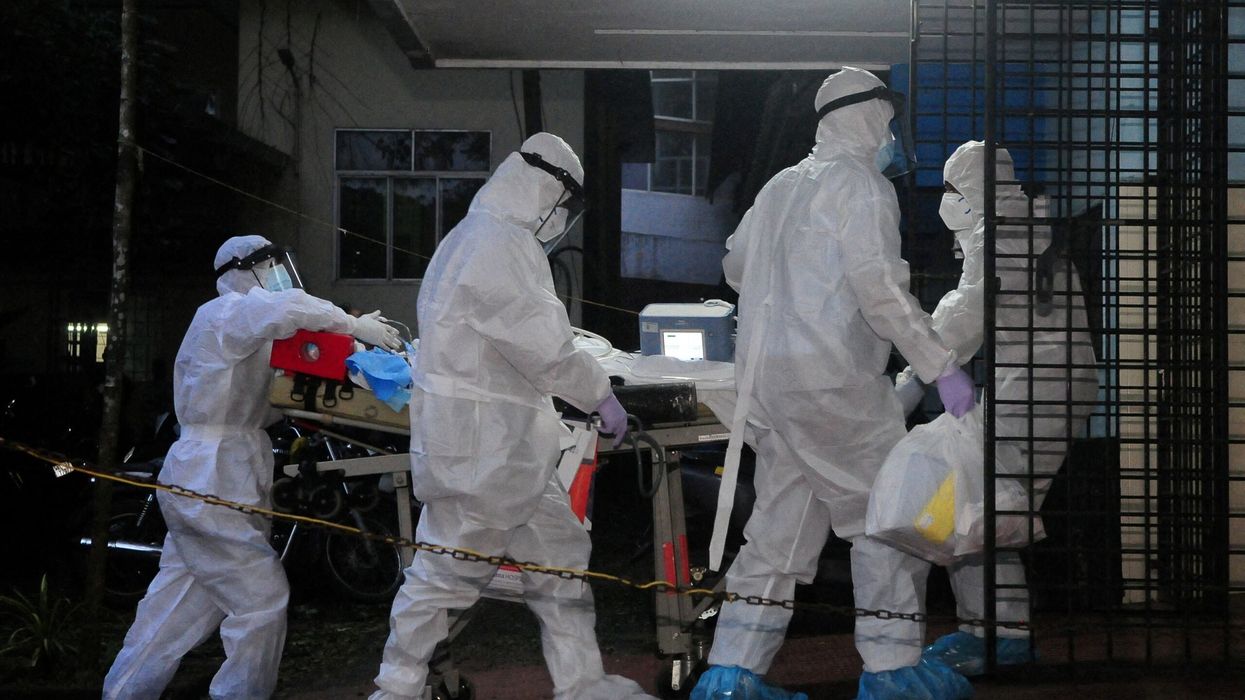

A 24-year-old student has died from the Nipah virus in Kerala, southern India, according to a local medical official on Monday. The state has placed 151 individuals who had contact with the victim under observation to prevent further spread of the virus.
This marks the second death from Nipah in Kerala this year. The World Health Organisation (WHO) has classified Nipah as a priority pathogen due to its epidemic potential. There is currently no vaccine or treatment available for the virus.
Nipah, which is transmitted from fruit bats and animals like pigs, can cause a fatal fever that leads to brain swelling in humans. Kerala has been identified as a high-risk area for Nipah outbreaks, as per a Reuters investigation last year.
The student began showing symptoms of fever on 4 September and died five days later, according to R. Renuka, a district medical officer in Malappuram, northern Kerala.
A blood sample from the victim was tested at the National Institute of Virology in Pune, confirming Nipah infection on 9 September, Renuka added.
Blood samples have also been taken from five others who are showing early symptoms of Nipah, though it is unclear if they were direct contacts of the deceased.
Renuka stated that around 151 people are being closely monitored, as they were identified as part of the victim’s primary contact list. The victim had travelled from Bengaluru before falling ill.
This is the second Nipah-related death in Malappuram this year, following the death of a 14-year-old boy in July.
Nipah has caused multiple deaths in Kerala since its first recorded outbreak in 2018.
(With inputs from Reuters)





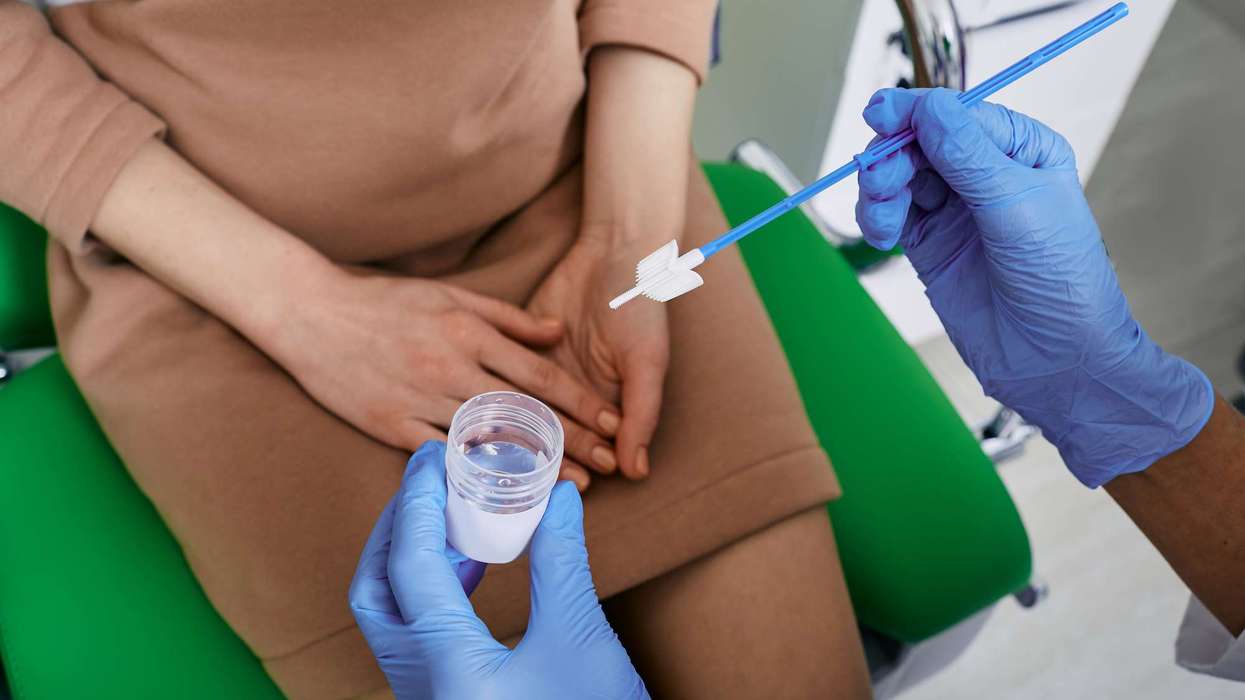
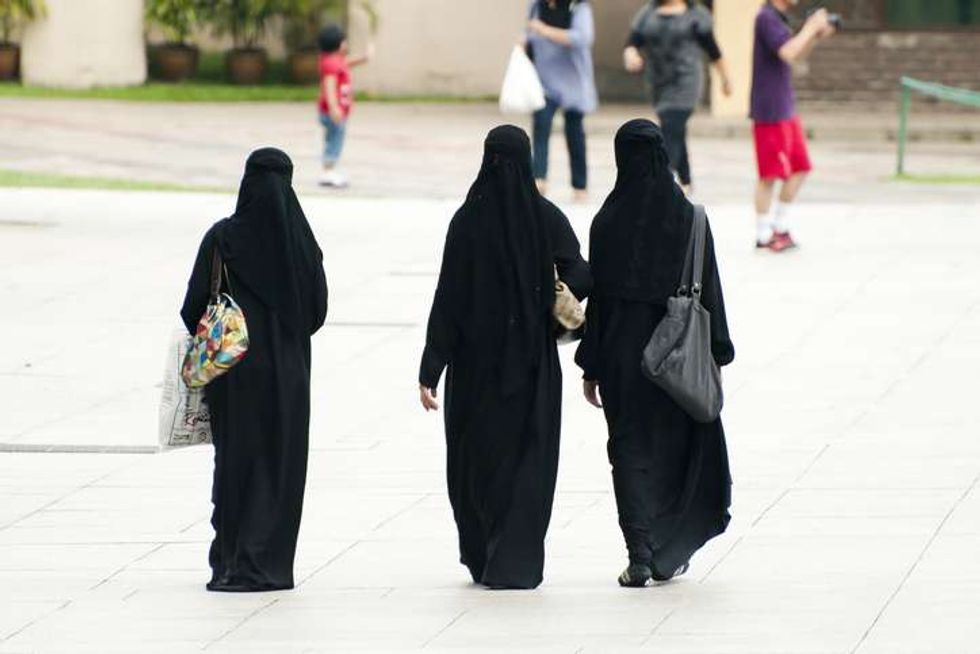 The research found that South Asian women were more likely to describe smear tests as embarrassing, with 71 per cent to 91 per cent of South Asian participants agreeing with that description compared with 28 per cent of White British women.iStock
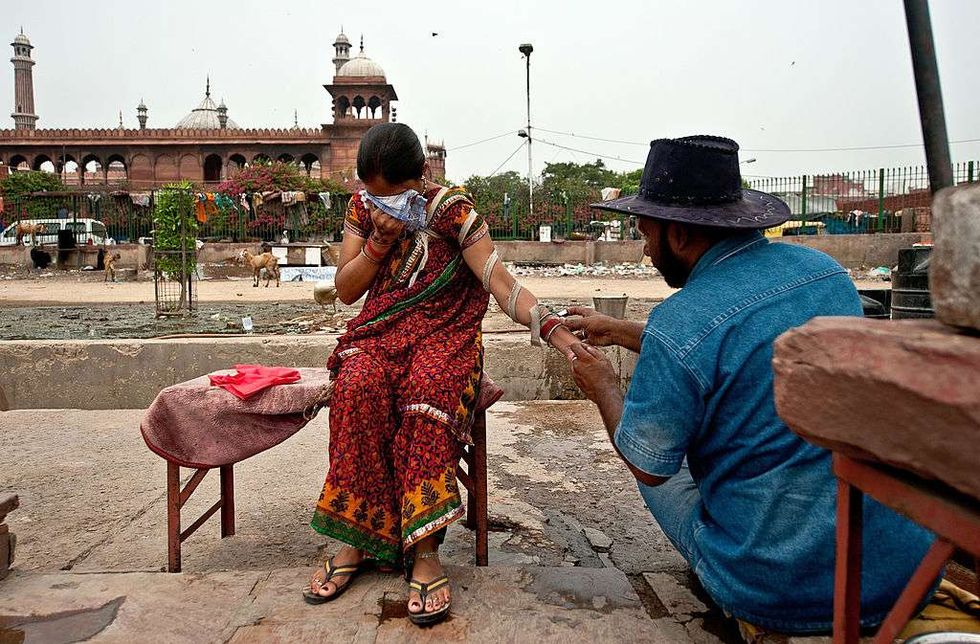 O GO WITH India-therapy-health-doctors,FEATURE by Rupam Nair In this photograph taken on July 2, 2013 an Indian woman covers her face in pain as she is cut on her hand by Mohammed Iqbal, (R), son of elderly doctor Mohammed Gyas, at their open air clinic outside the Jama Masjid in the old quarters of Delhi. Among a handful of poorer, and sometimes remote, communities in India, traditional practices like bloodletting are favoured. About 50 patients queue each day at the open-air clinic in the shadow of India's largest mosque, the Jama Masjid, for the treatment which Gyas says can cure everything from paralysis to diabetes and even cervical cancer. Getty Images
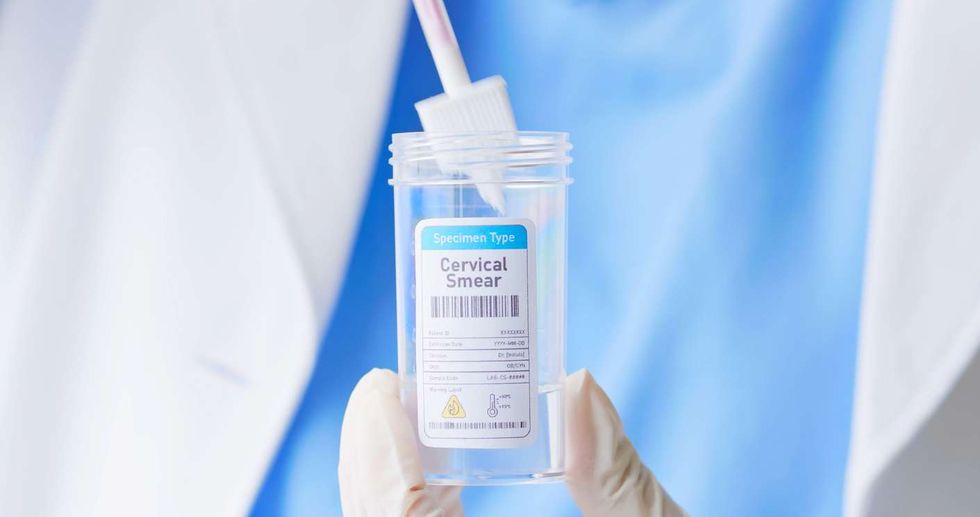 Bryant had cancerous cells discovered during screening when she was 32. iStock