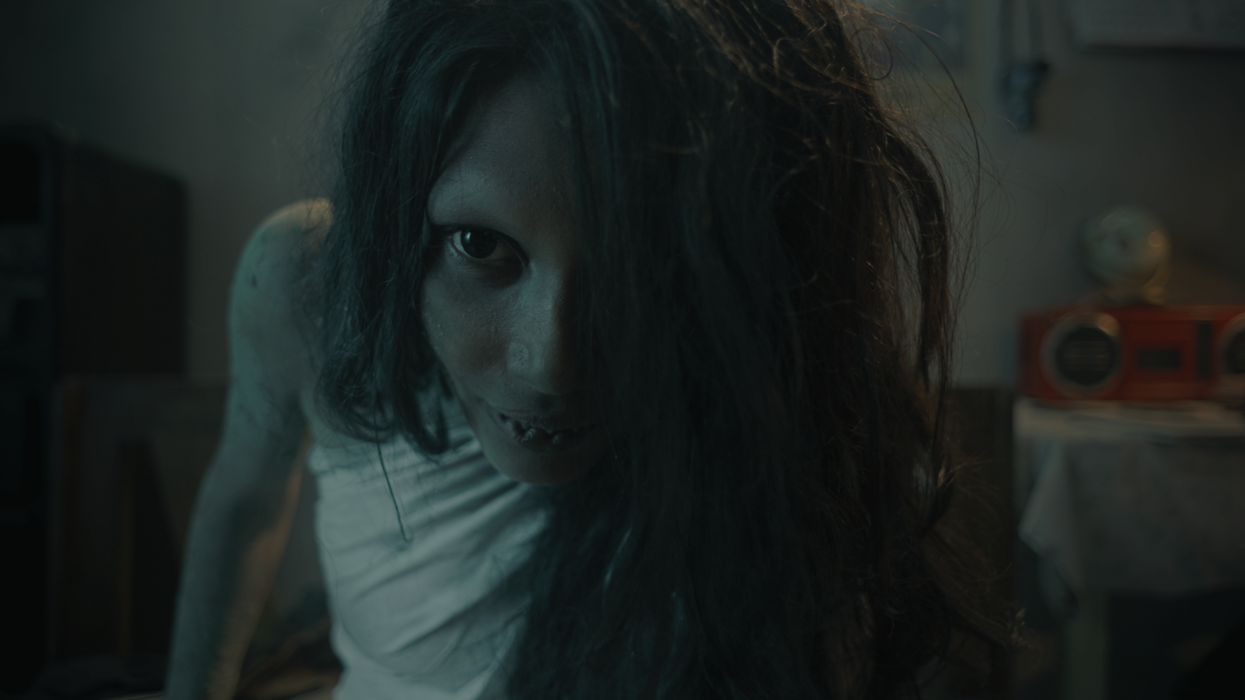

LAST year talented filmmaker Nuhash Humayun made history when his award-winning short film Moshari became the first from Bangladesh to officially qualify for the Oscars.
He has followed up the critically acclaimed horror drama with his feature debut Pett Kata Shaw, which has its UK premiere at the Raindance Film Festival this week. He has delivered another dynamic film filled with frights, which is nothing like anything that has been produced in Bangladesh before and revolves around mysterious happenings rooted in the local culture.
Eastern Eye caught up with the writer/director you will be hearing about more to discuss his Moshari success, Pett Kata Shaw, and love for scary movies.
How much did the positive response to Moshari mean to you?
Moshari won numerous awards and became the first Oscar-qualifying film in Bangladesh’s history – all things we never expected from a south Asian horror film. However, the most incredible aspect of Moshari’s success was the community I found. The short film was embraced by horror fans and the larger south Asian diaspora. It created conversations and helped me build a network. That has been invaluable.
What inspired your new film Pett Kata Shaw?
Pett Kata Shaw is inspired by south Asian folklore and superstition – the unwritten stories that are passed on from generation to generation. Stories our grandmothers tell us on a cold winter night as we huddle under a blanket.
There is power in those stories. And there’s a reason why they are passed on – for who knows how long.
Tell us about your new film?
Pett Kata Shaw is an anthology of stories based on Bengali superstitions. Stories about vengeful jinns, sirens of the sea called nishi and some creatures that are very particular to South Asia – the petnee or fish-hag, that has a deadly hunger for fish.
What draws you towards scary movies?
Truth be told I can’t stomach a horror film unless I’m watching it with others – or it’s daytime. I have an overactive imagination and get scared very easily. Perhaps that’s why I’m drawn to creating horror films. I create what scares me the most.
 Nuhash Humayun
Who are you hoping connects with this film?
There’s a nostalgic quality to folk stories, even if they’re not particularly from our culture. In that sense, I feel Pett Kata Shaw is universal.
What is your own favourite moment in the movie?
In the third segment, Hearsay, we use clay puppets to tell a story. There is something creepy about puppets.
How does it feel being part of the Raindance Film Festival?
It feels incredible. We never imagined our film would come this far. To be nominated for best international feature and best cinematography is so humbling.
What according to you makes for good cinema?
Stories that stay with you.
Ones that you think about long after finishing the film. Movies that you can revisit.
Who is your own filmmaking hero?
There are so many. Satyajit Ray and Steven Speilberg to name a few.
What can we expect next?
I am working on a sequel series to Pett Kata Shaw.
Why should we all watch your new film?
It’s fun and scary – not in a jump scare way – hopefully in a more psychological sense.
Pett Kata Shaw will have its UK premiere at the Genesis Cinema in London, at the Raindance Film Festival on October 31. www.raindance.org


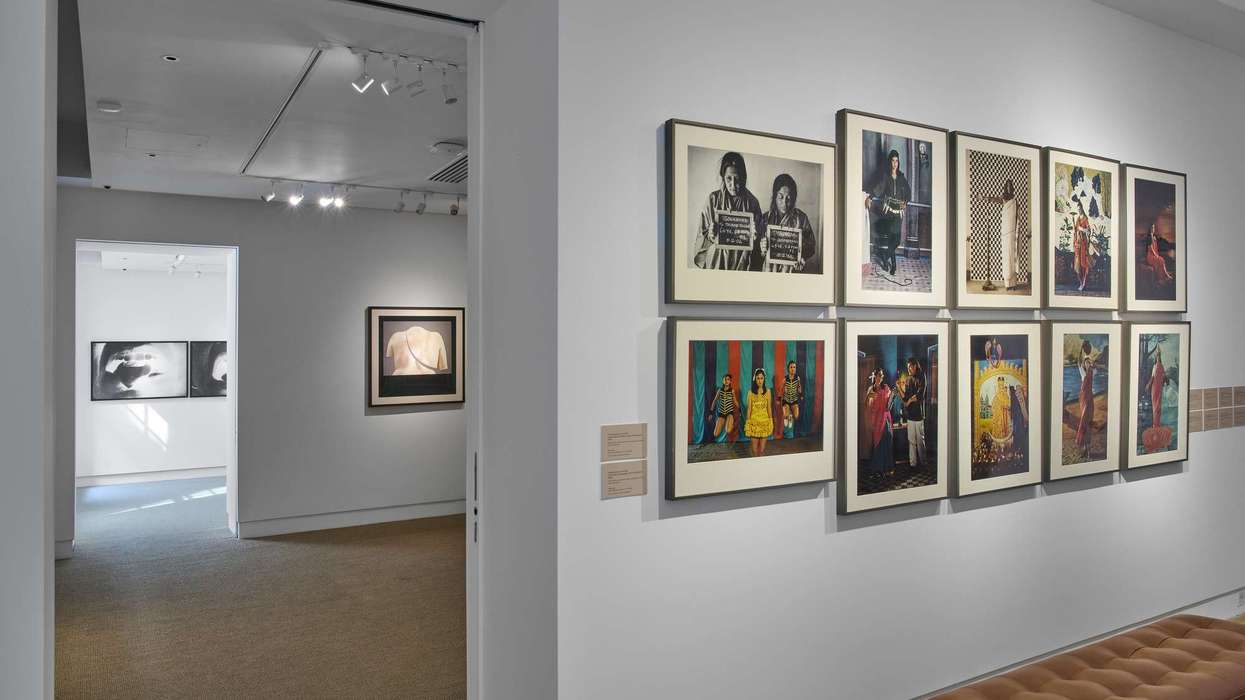
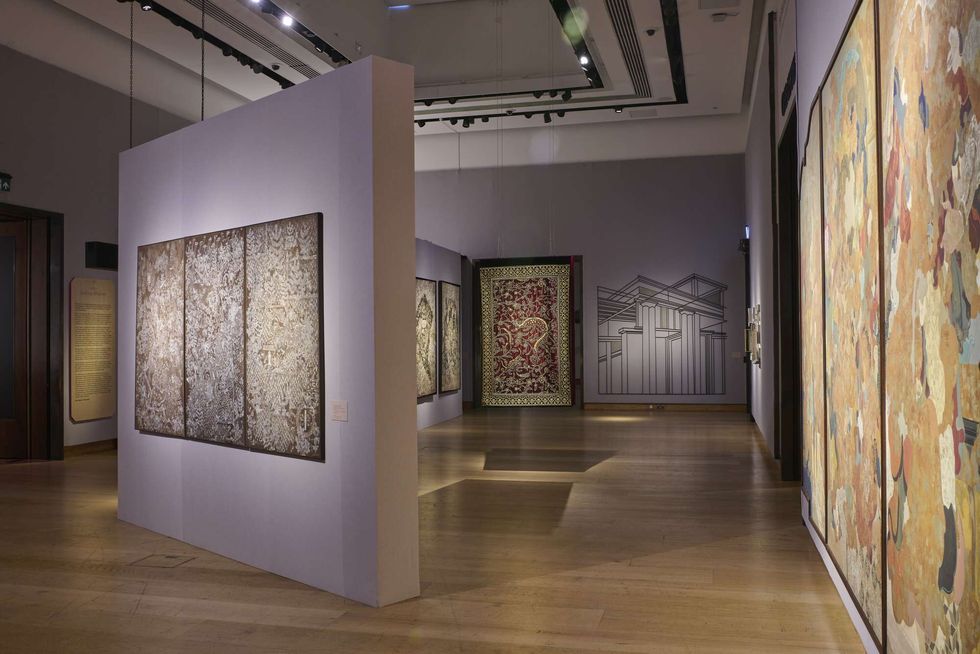 The Meeting Ground scenes from the KNMA CollectionChristie/KNMA
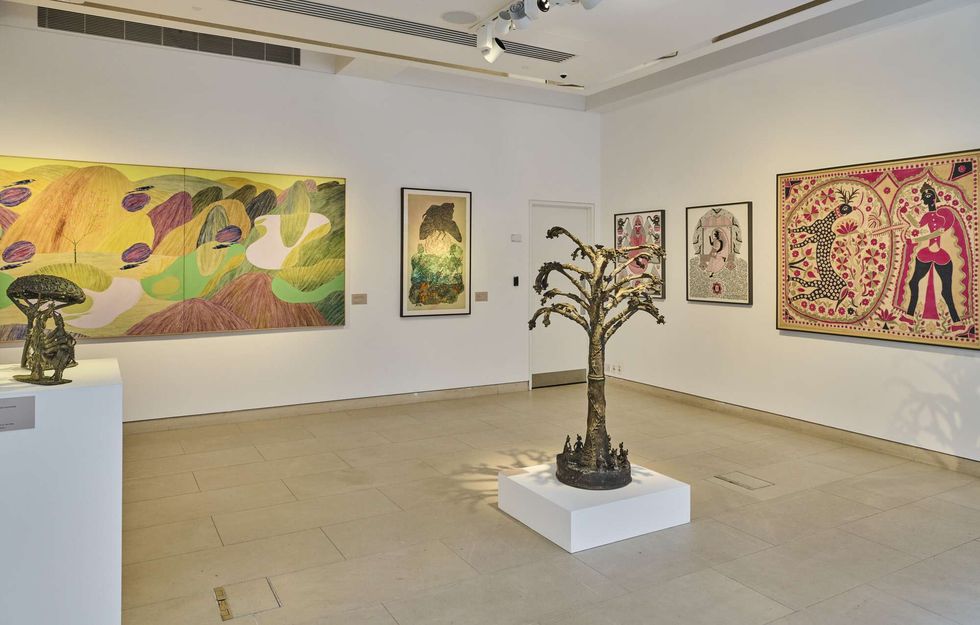 The Meeting Ground Scenes from the KNMA CollectionChristie/KNMA
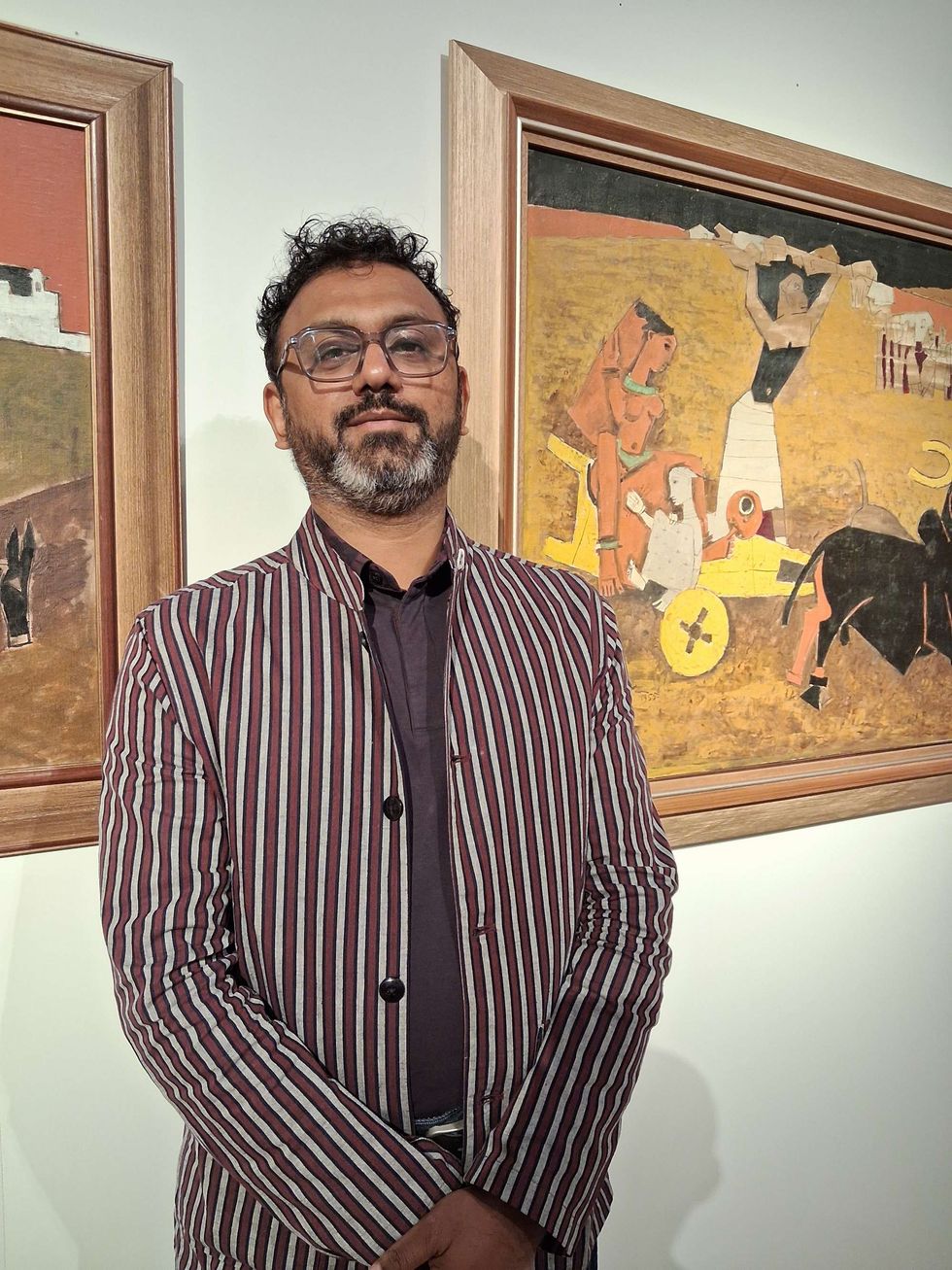 Premjish AchariAmit Roy
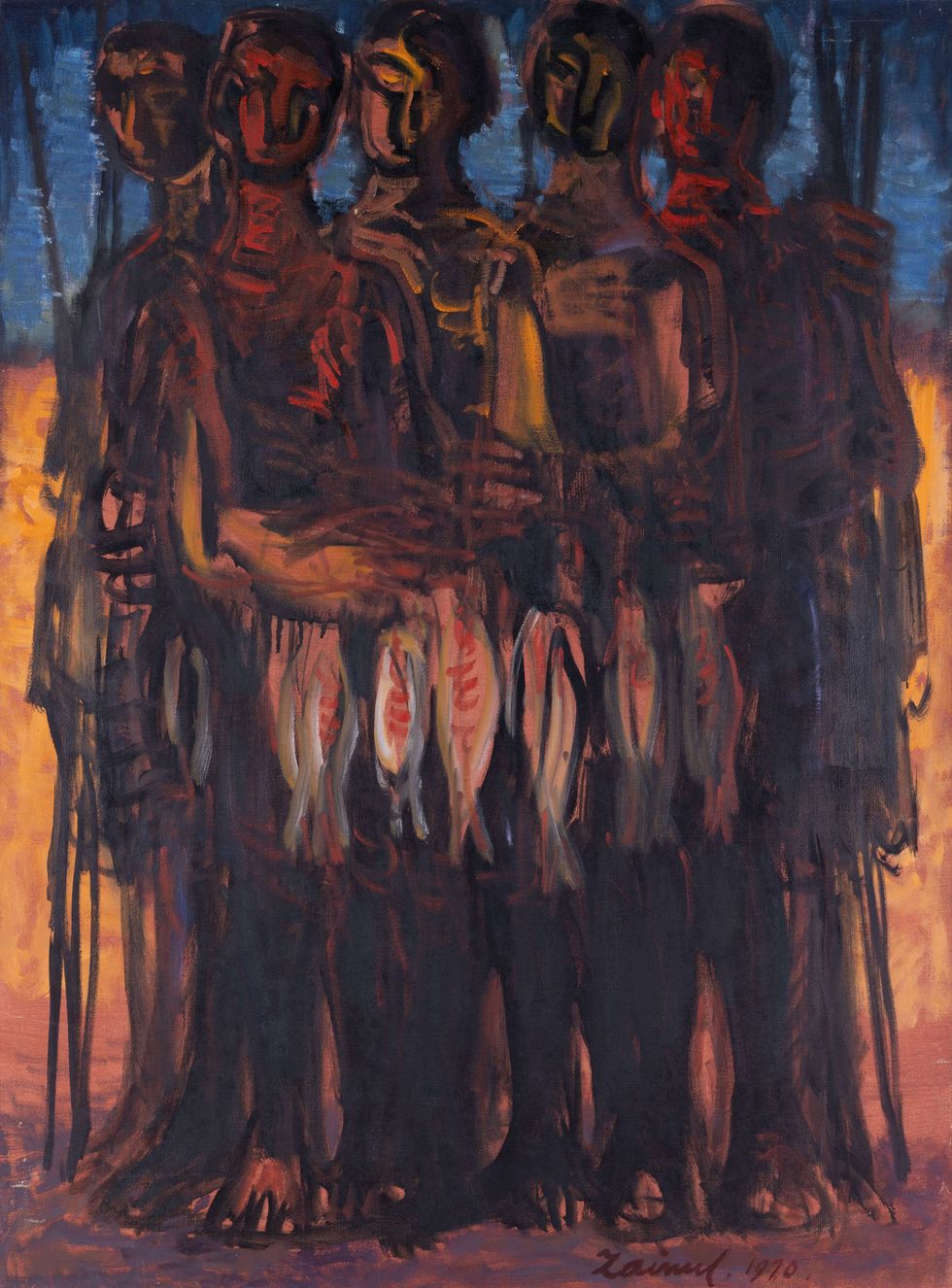 Fishermen by Zainul AbedinKNMA
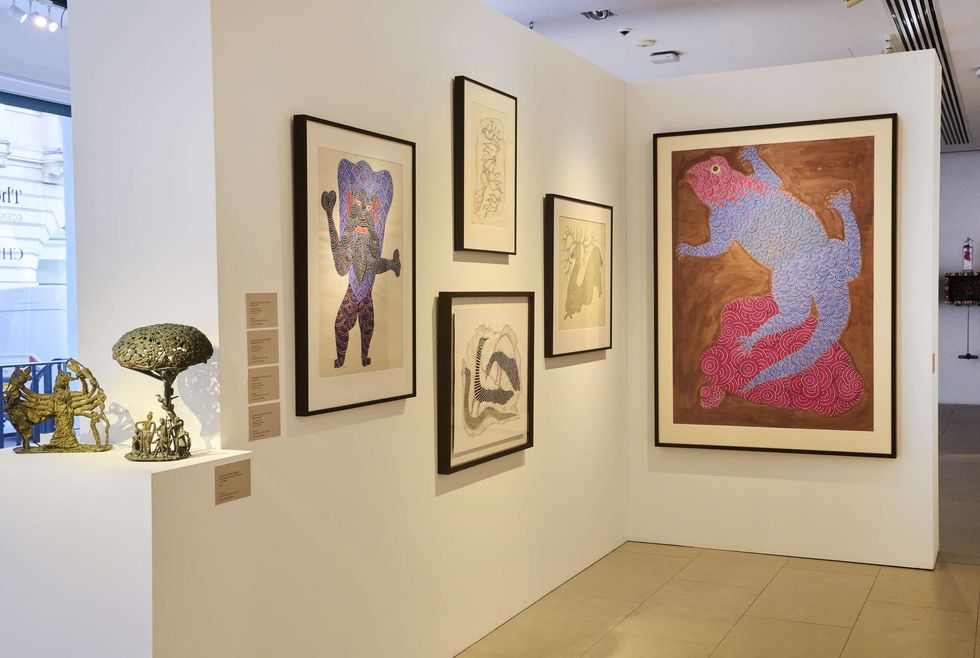 The Meeting Ground Scenes from the KNMA CollectionChristie/KNMA
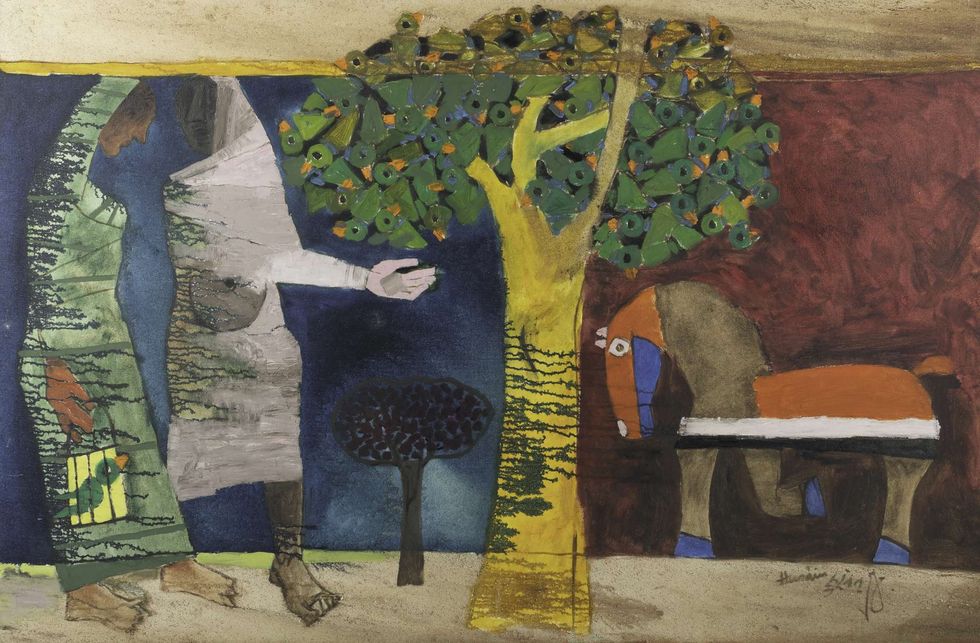 Birds in a Tree by MF HusainKNMA
 The Meeting Ground scenes from the KNMA CollectionChristie/KNMA
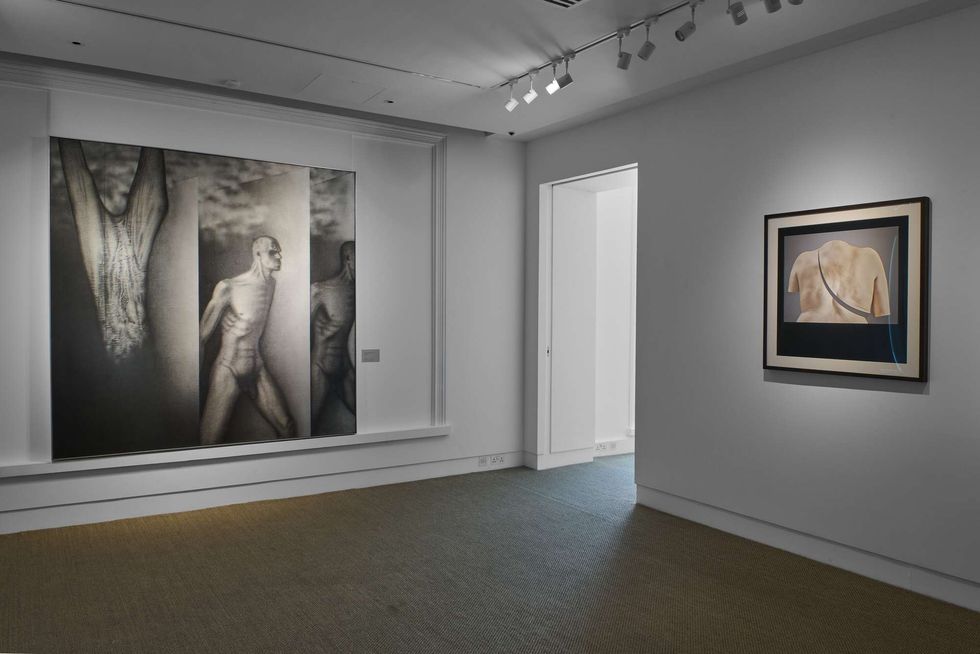 The Meeting Ground scenes from the KNMA CollectionChristie/KNMA
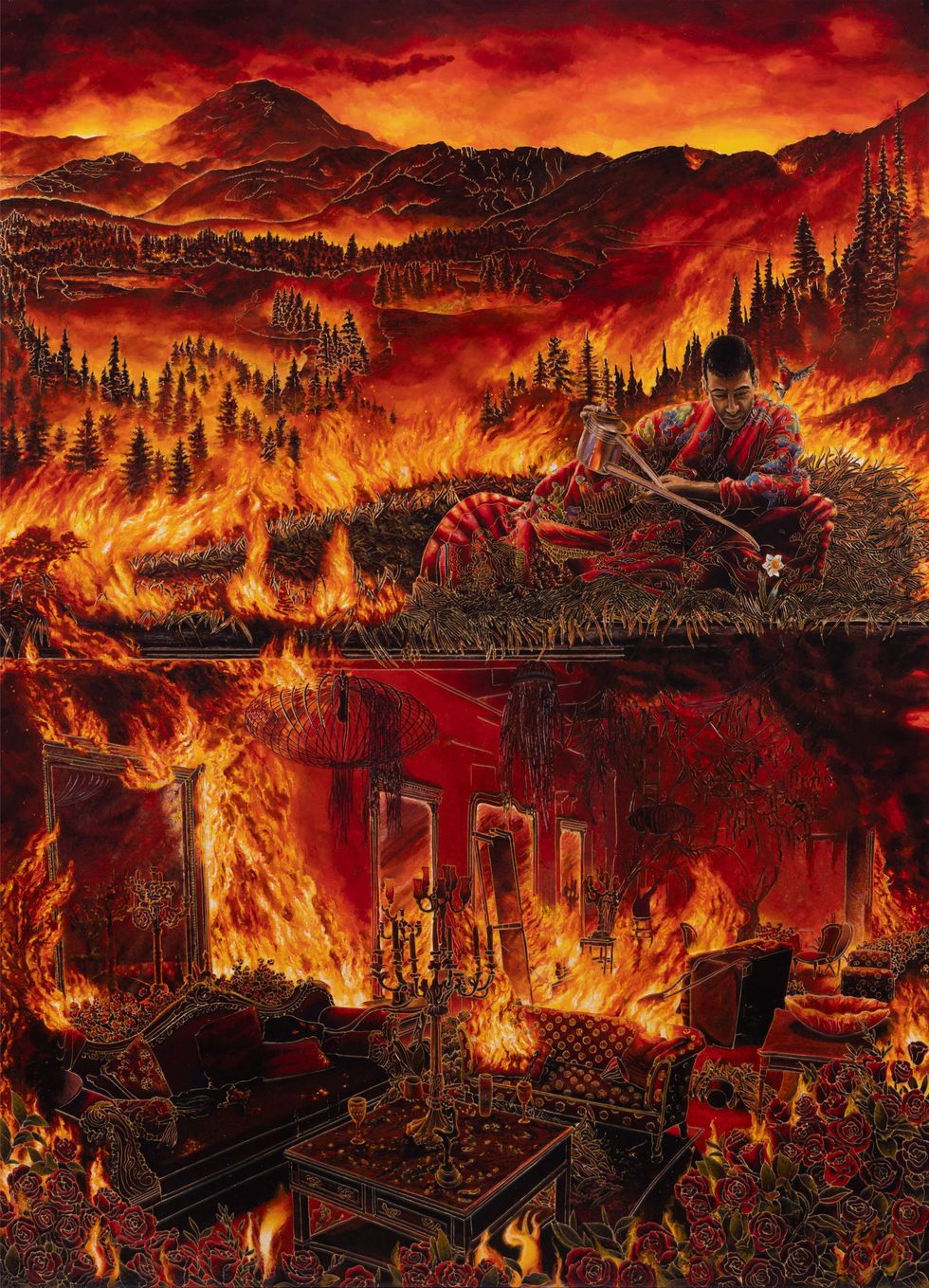 When the Thing with Feathers Turned Red by Raquib ShawKNMA
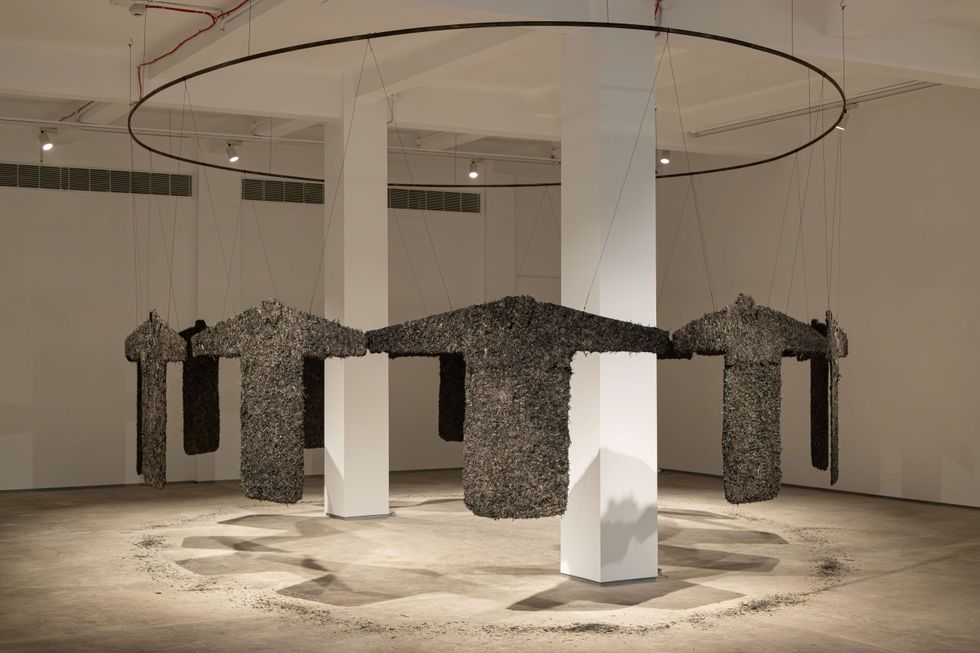 Indelible Black Marks by Kulpreet SinghKNMA
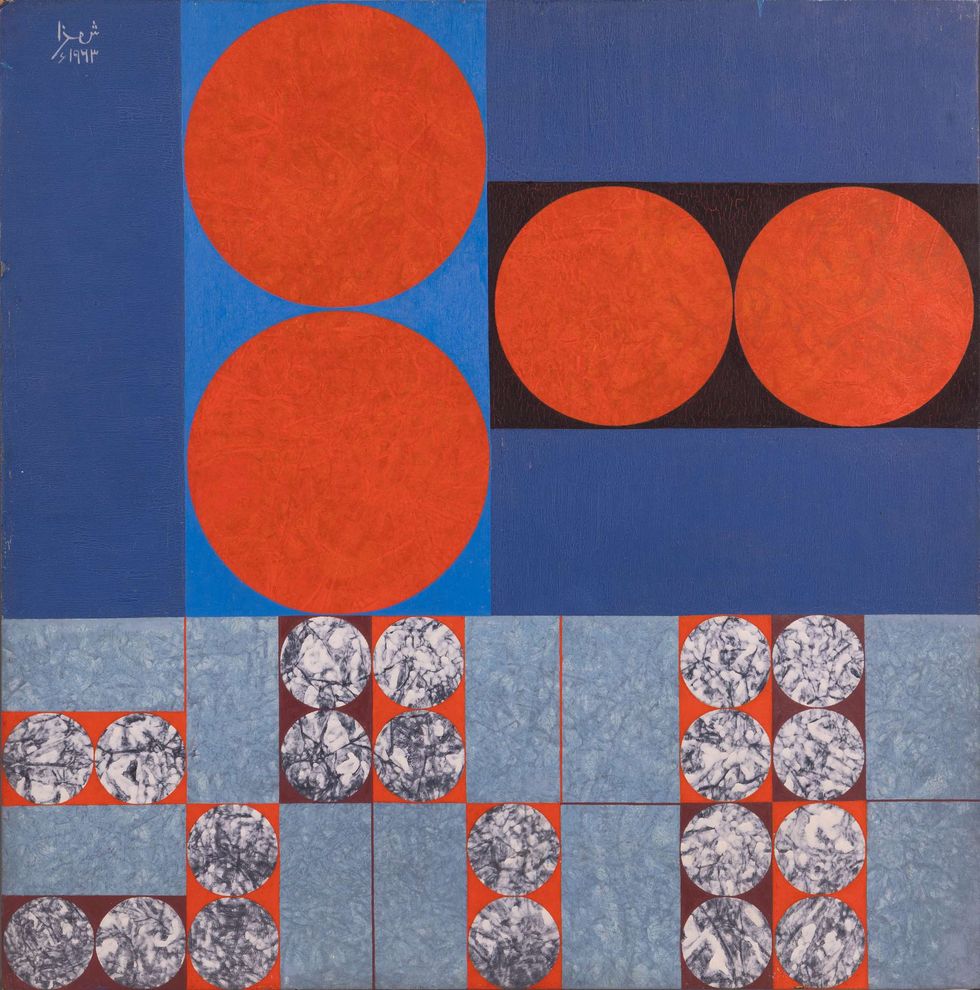 Square Composition II by Anwar Jalal ShemzaKNMA
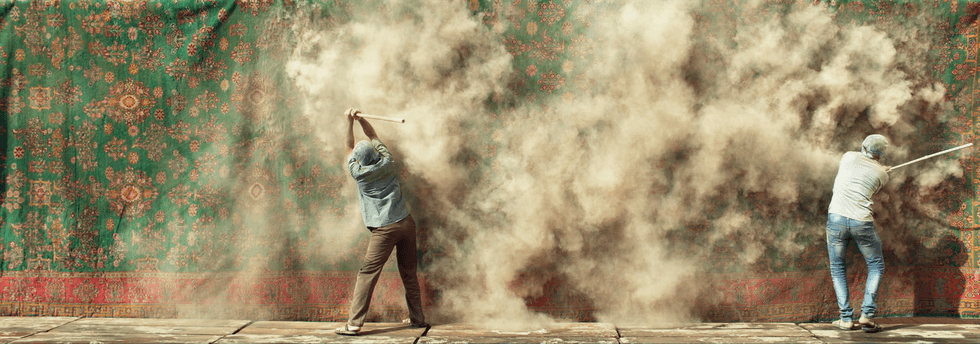 Interference by LN TallurJunagadh Museum, Gujarat, Varia Kiran(Videography), Vandita Jain (Sound Engineer) andBhanu Pratap Singh.
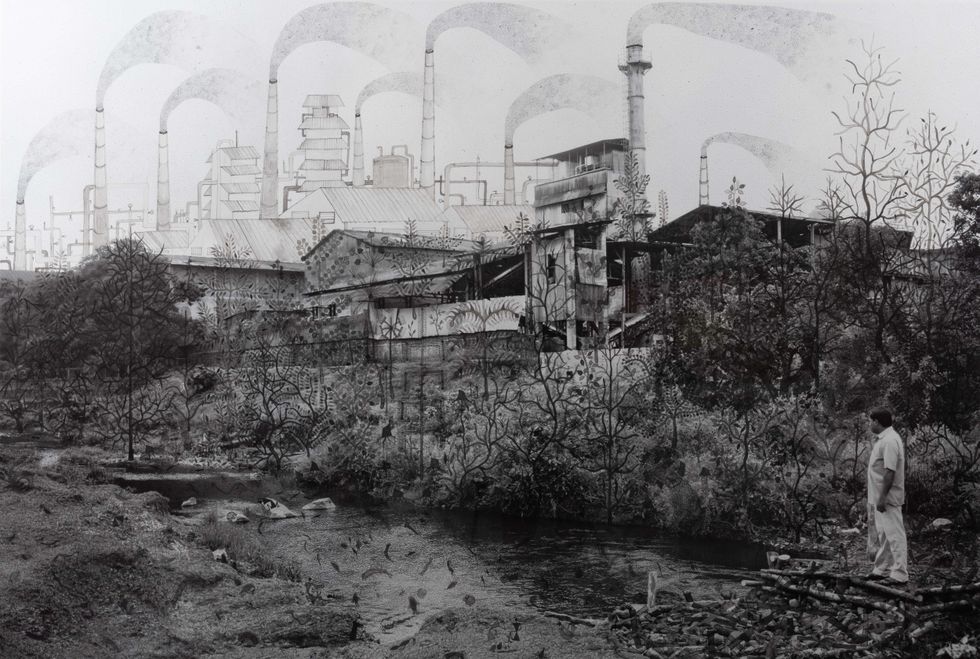 Factory and River II by Gauri Gill and Rajesh VangadKNMA
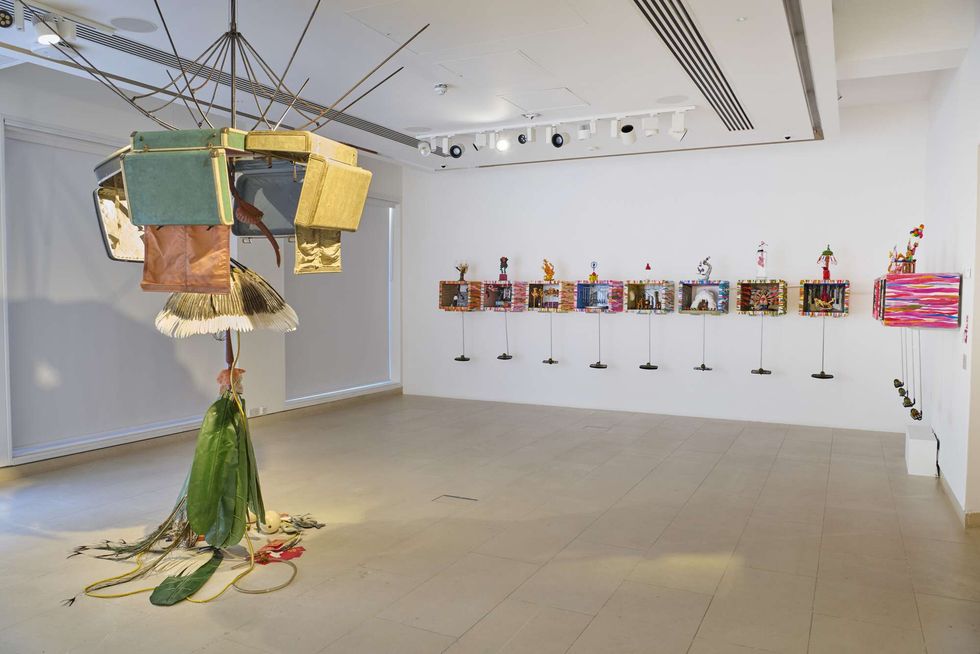 The Meeting Ground Scenes from the KNMA CollectionChristie/KNMA