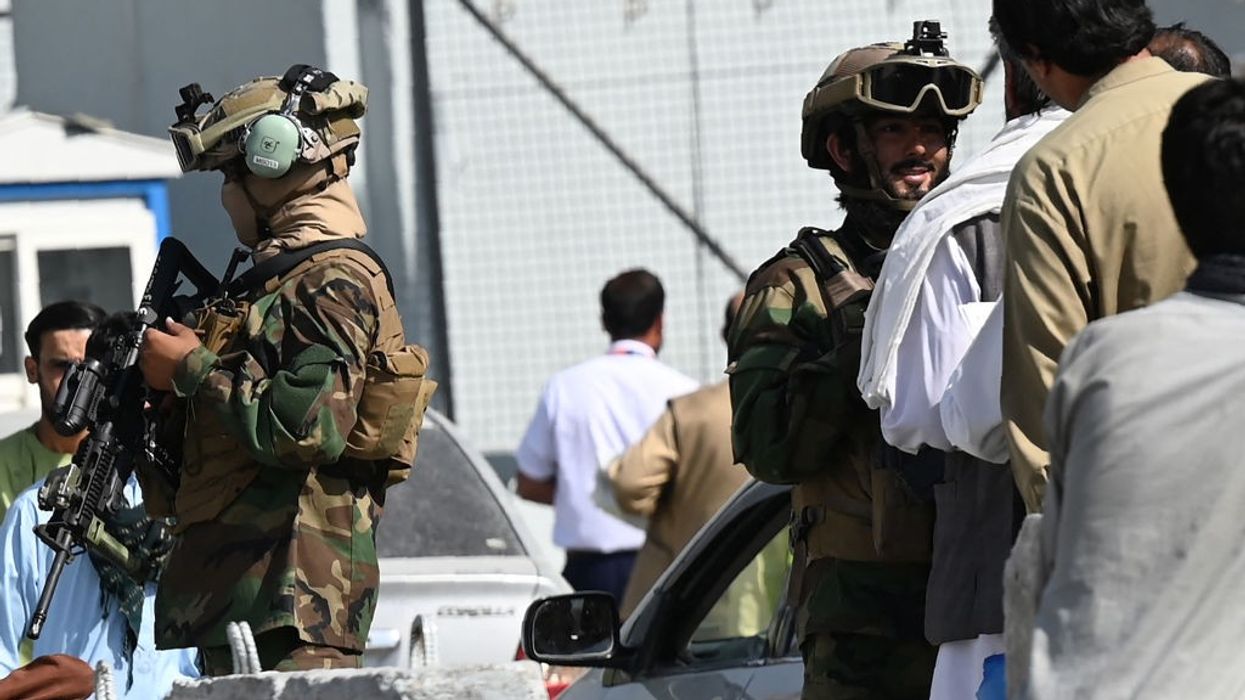

PAKISTAN International Airlines (PIA) suspended flights to Afghan capital Kabul on Thursday (14) after what it called heavy-handed interference by Taliban authorities, including arbitrary rule changes and intimidation of staff.
The suspension took place as the Taliban government ordered the airline, the only international company operating regularly out of Kabul, to cut ticket prices to levels seen before the fall of the Western-backed Afghan government in August.
"We are suspending our flight operations to Kabul from today because of the heavy-handedness of the authorities," a spokesman said.
Earlier, the Taliban warned PIA and Afghan carrier Kam Air that their Afghan operations risked being blocked unless they agreed to cut ticket prices, which have spiralled to levels out of reach for most Afghans.
With most airlines no longer flying to Afghanistan, tickets for flights to Pakistan’s capital Islamabad, have been selling for as much as $2,500 (£1822) on PIA, according to travel agents in Kabul, compared with $120-$150 (£87-£109) before.
The Afghan transport ministry said in a statement that the fares on the route should be adjusted to the levels “before the victory of the Islamic Emirate” or the flights would be stopped.
It urged passengers and others to report any violations.
Flights between Afghanistan and Pakistan have been severely limited since Kabul airport was reopened last month in the wake of the chaotic evacuation of more than 100,000 Westerners and vulnerable Afghans following the Taliban victory.
PIA, which runs chartered flights to Kabul rather than regular commercial services, said it had maintained the flights on "humanitarian grounds" and faced insurance premiums of as much as $400,000 (£291,658) per flight.
"The insurance premiums on these flights are so high that it is simply impossible to operate scheduled flights to Kabul, as it is still considered a war zone by aircraft insurance companies and lessors," the company said in a statement.
No comment was immediately available from Kam Air.
PIA said that ever since the new Taliban government was formed, its staff in Kabul had faced last-minute changes in regulations and flight permissions and "highly intimidating behaviour" from Taliban commanders.
It said its country representative had been held at gunpoint for hours at one point and was only freed after the Pakistan embassy in Kabul intervened.
With a mounting economic crisis adding to worries about Afghanistan's future under the Taliban, there has been heavy demand for flights out, made worse by repeated problems at land border crossings into Pakistan. The main passport office in Kabul has been besieged by people trying to get travel documents since it reopened this month.
The flights have also been used by international officials and aid workers travelling to Kabul.
(Reuters)





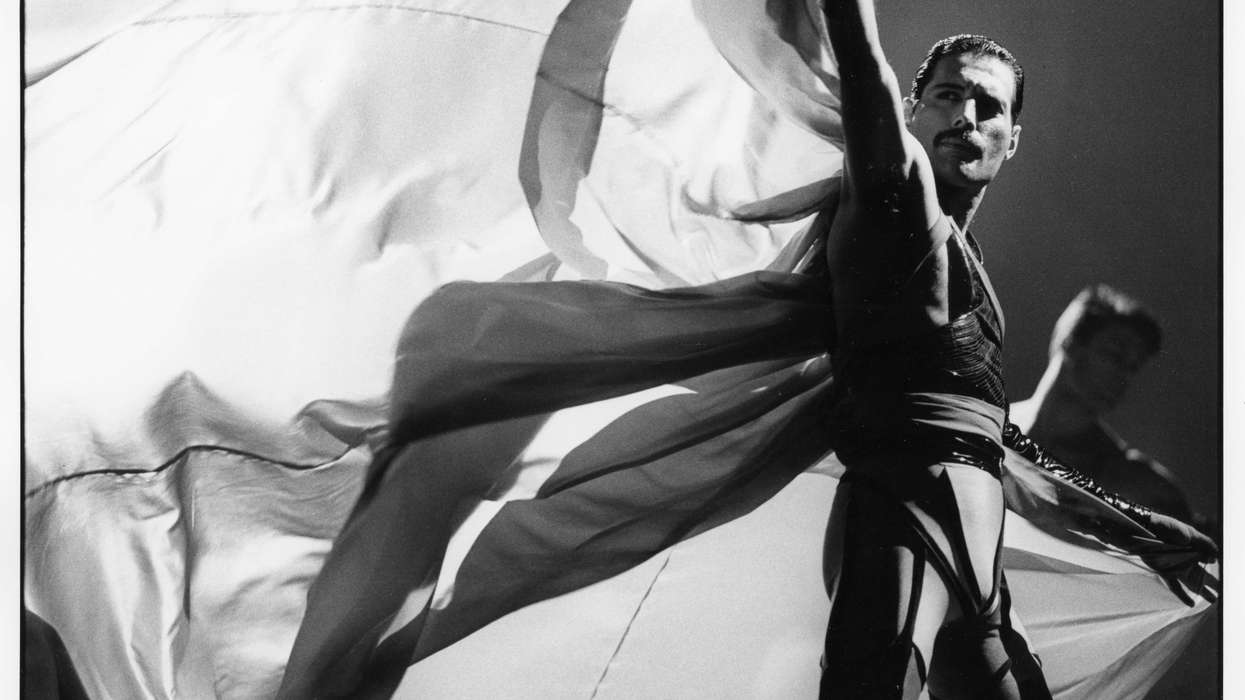
 Freddie Mercury in the Made in Heaven music videoSimon Fowler © Mercury Songs Ltd
 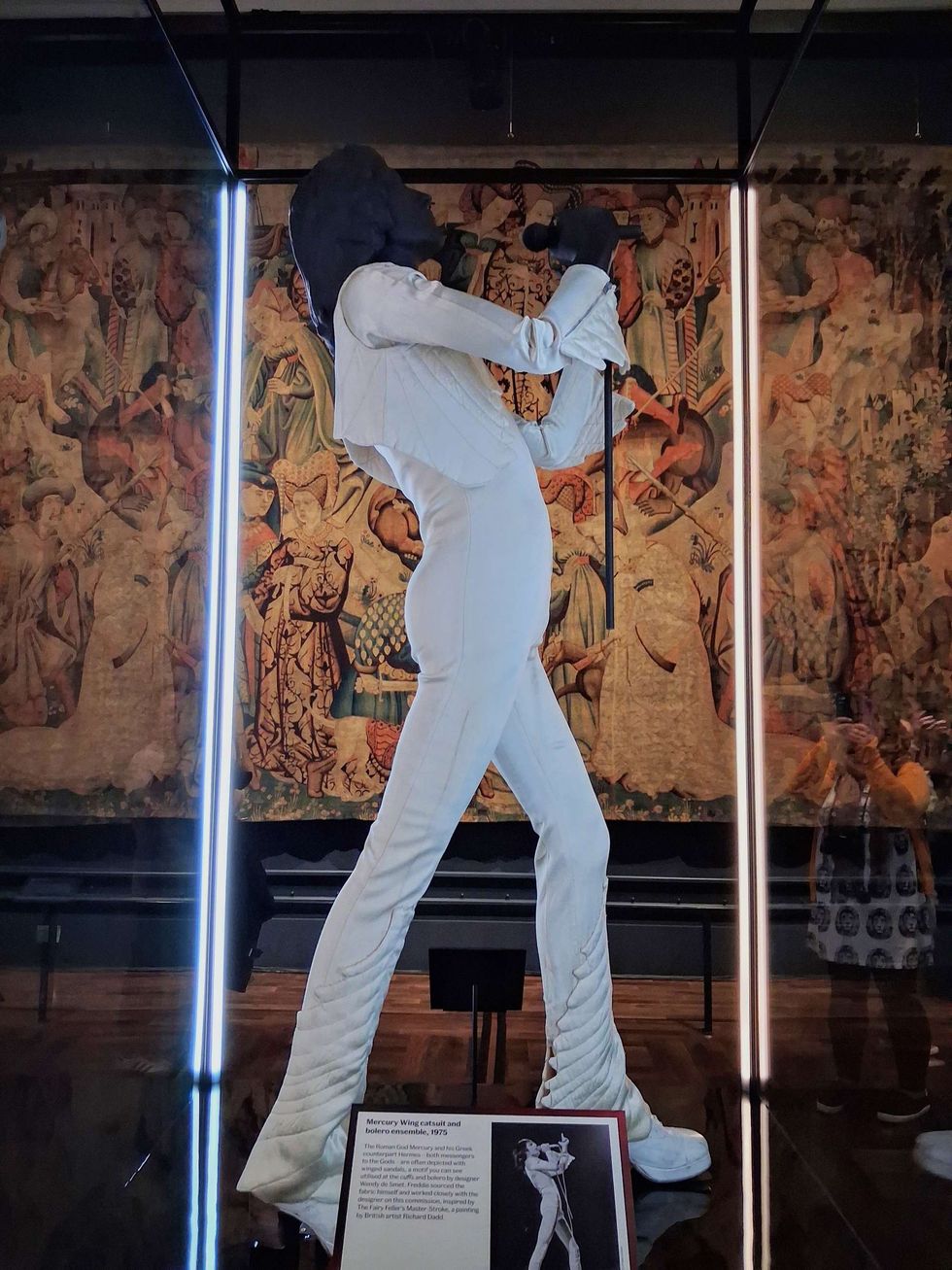 Mercury Wing Catsuit and bolero ensemble (1975)Amit Roy
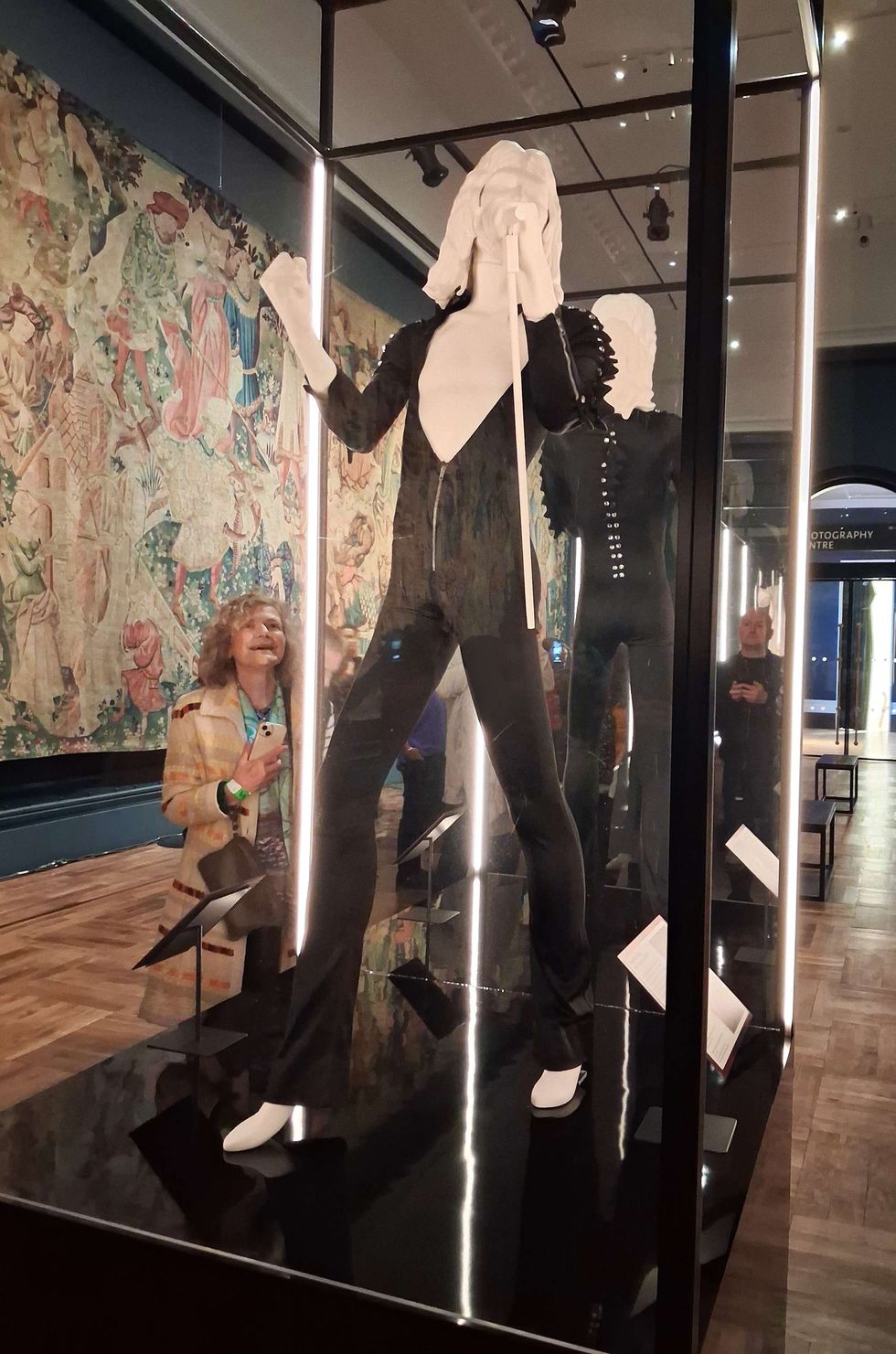 Designer Wendy de Smet with the spine suit or the Black Queen suit from 1975 Amit Roy
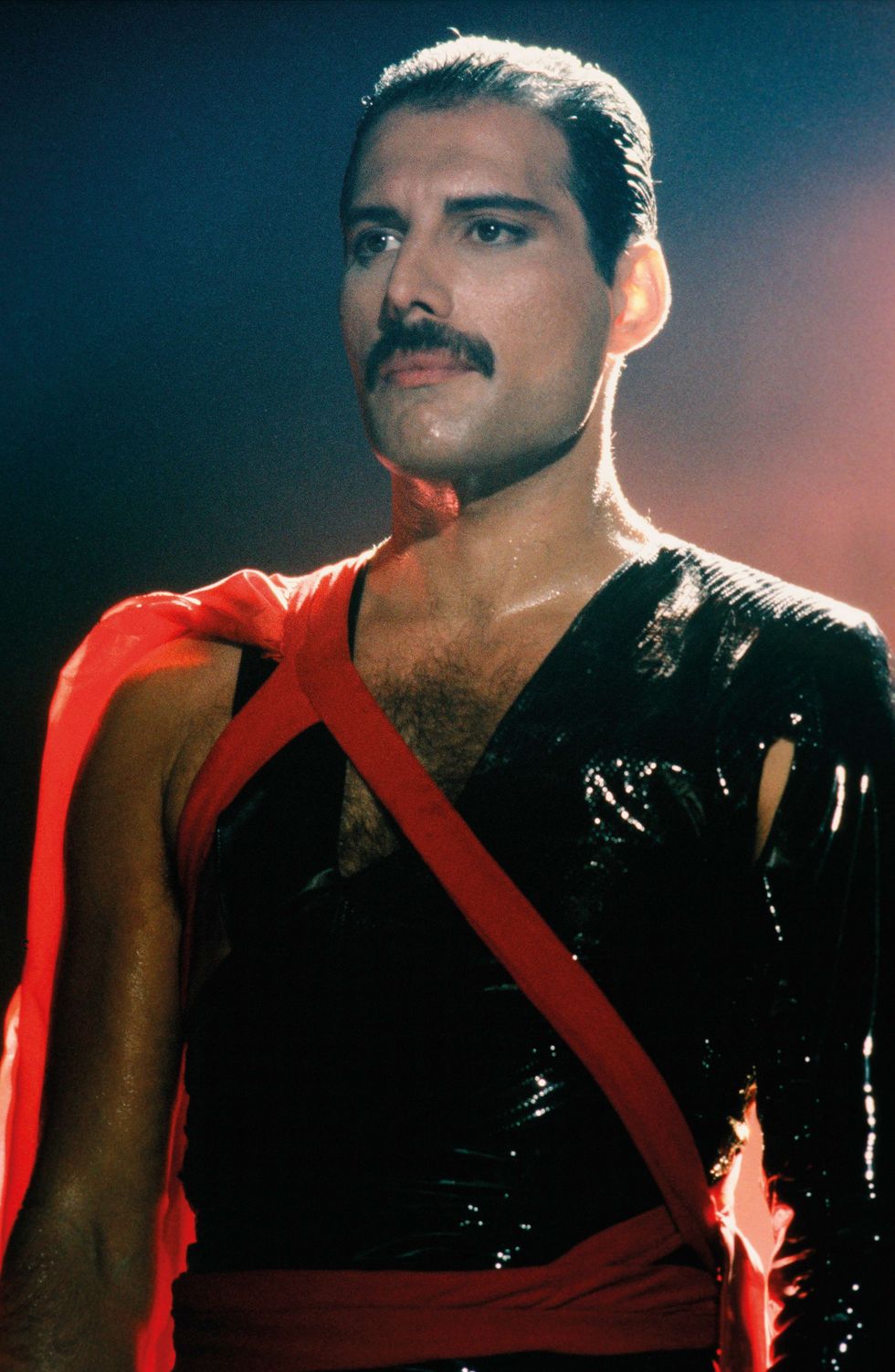
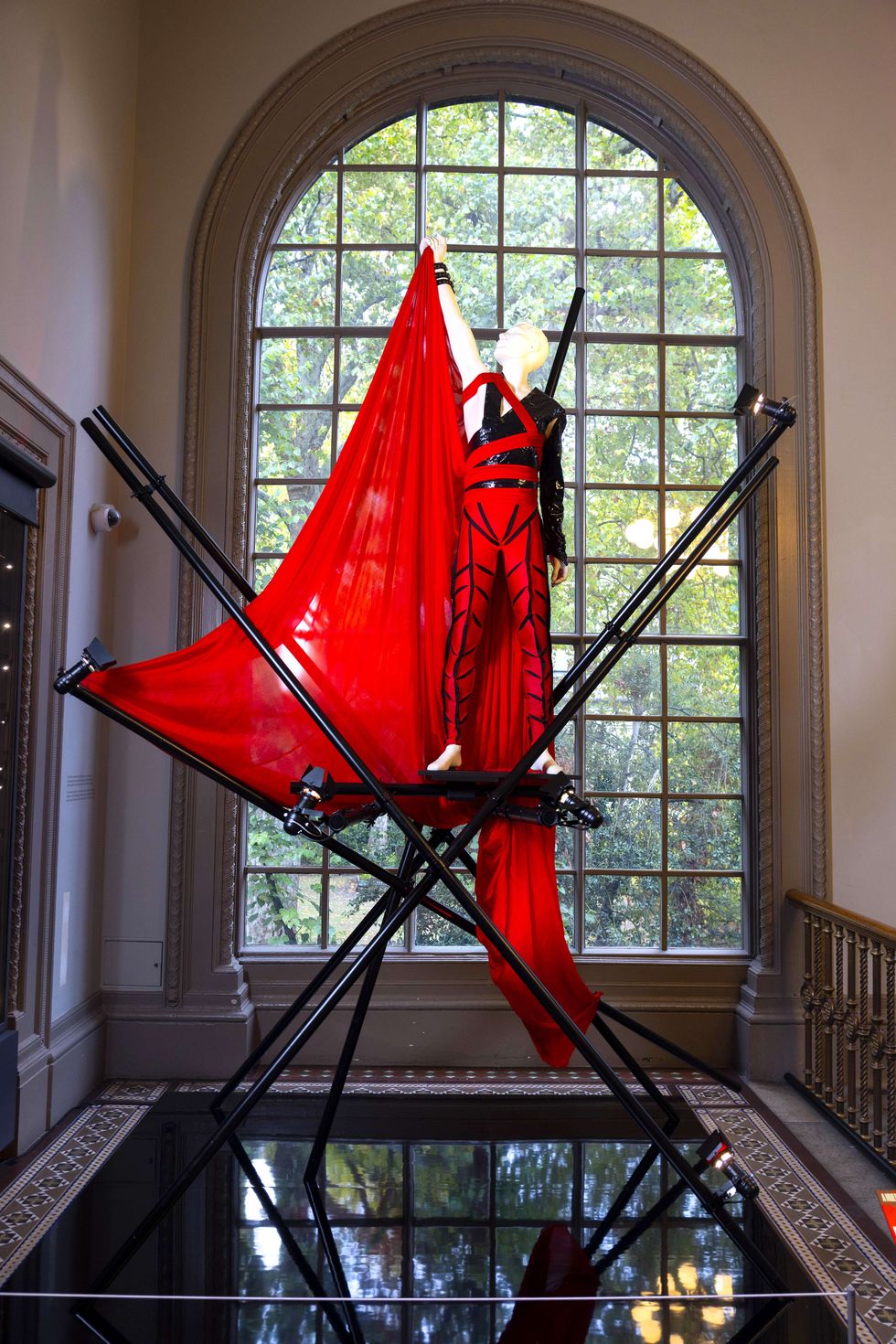 Made in Heaven music video costume (1985) David Parry/V&A
 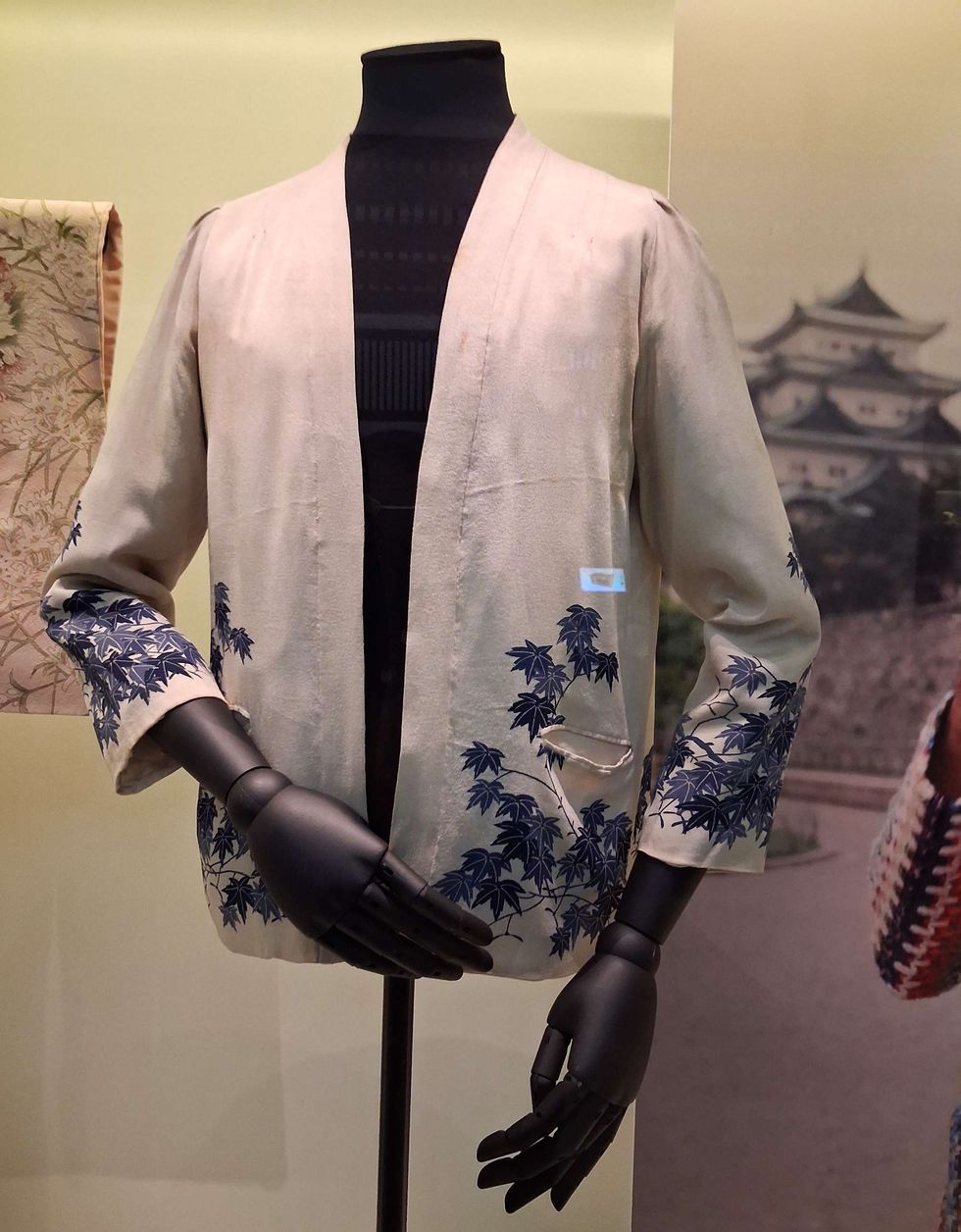 Japanese jacket (early 1970s)Amit Roy
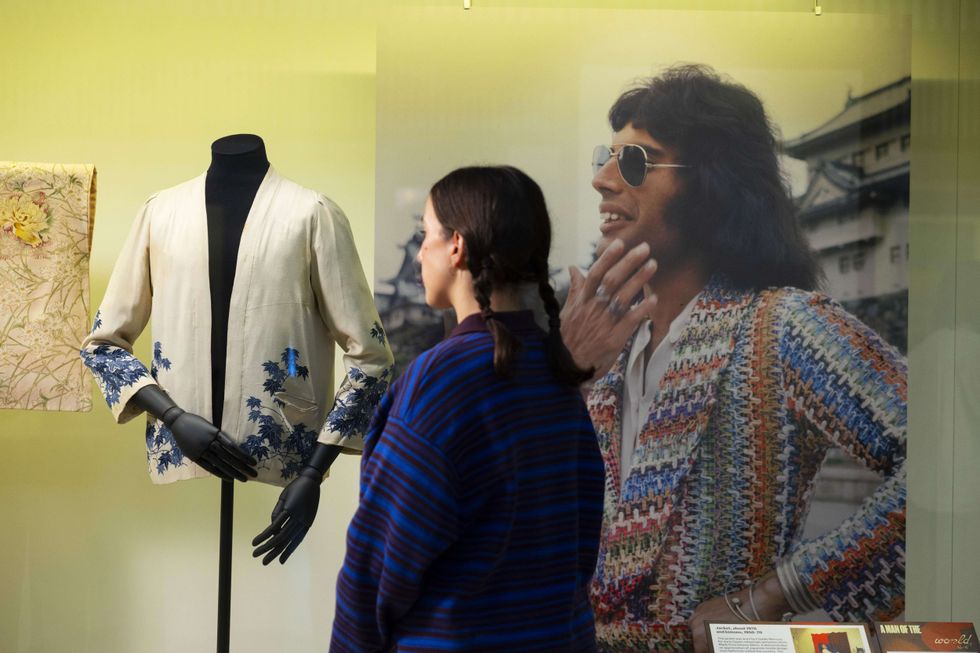 Japanese jacket (early 1970s) and kimono (1950-70) David Parry/ V&A
 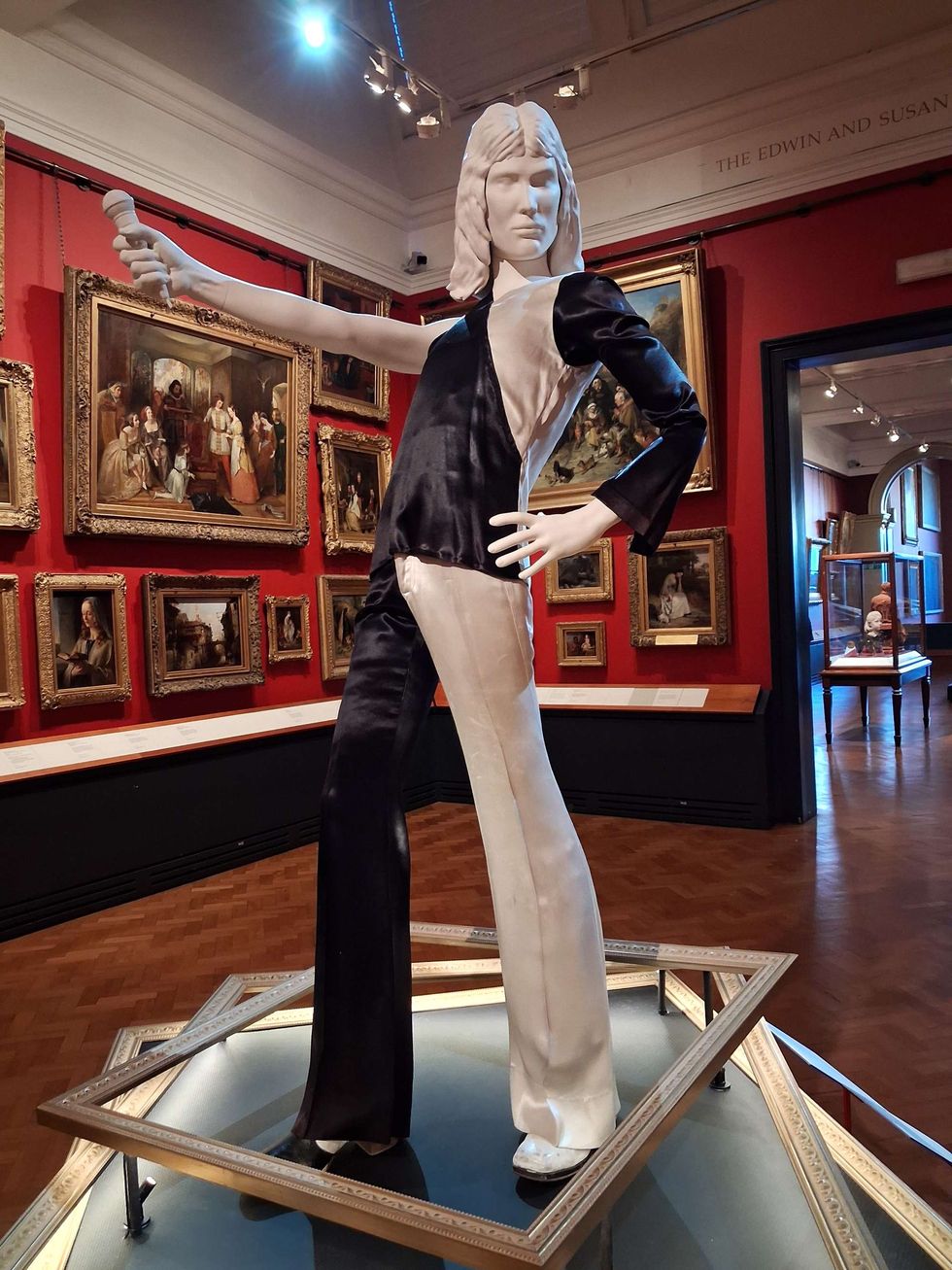 Ensemble worn for Imperial College gig in 1973Amit Roy
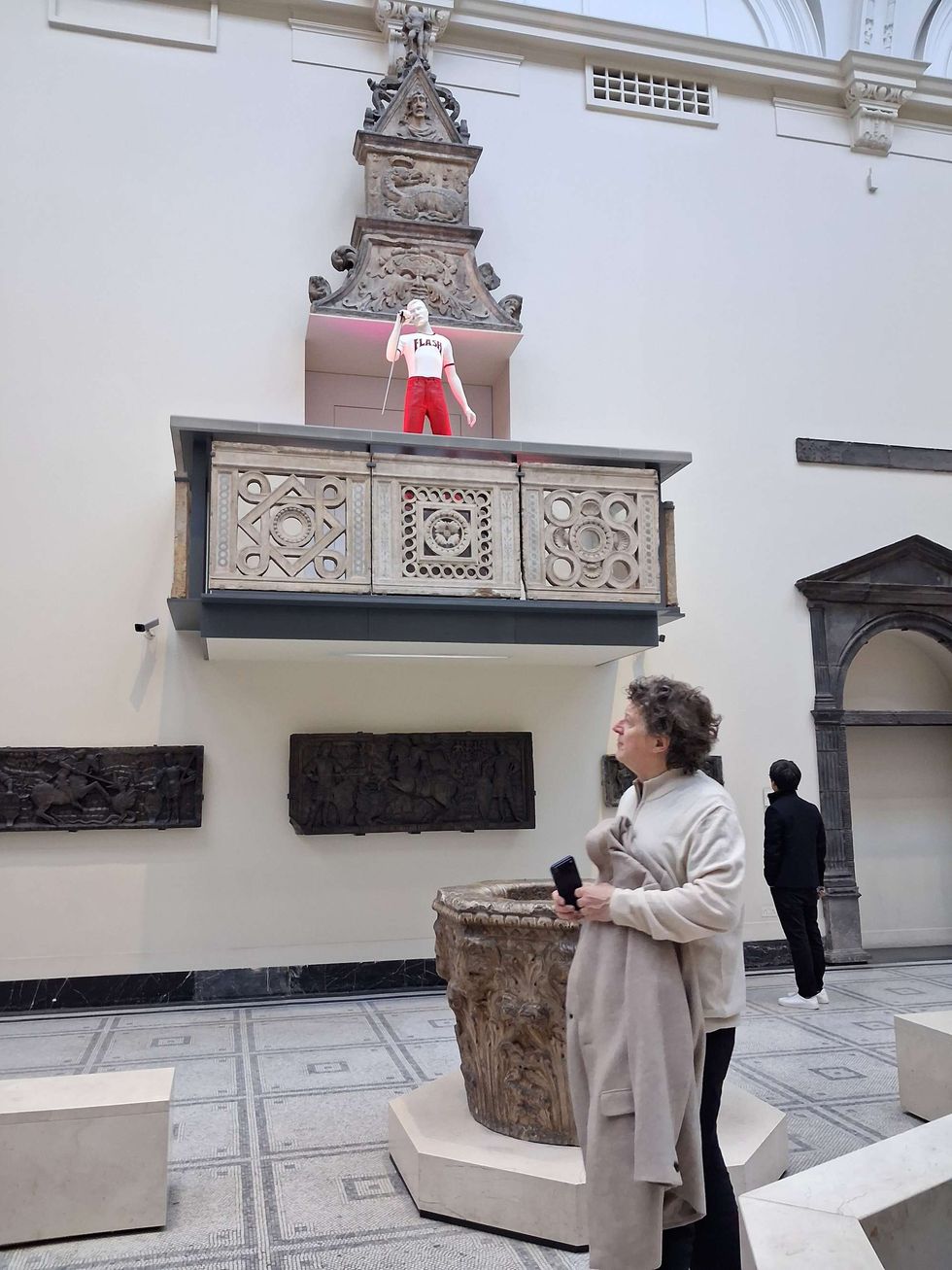 Flash ensemble and half mic (Flash Gordon 1980)Amit Roy
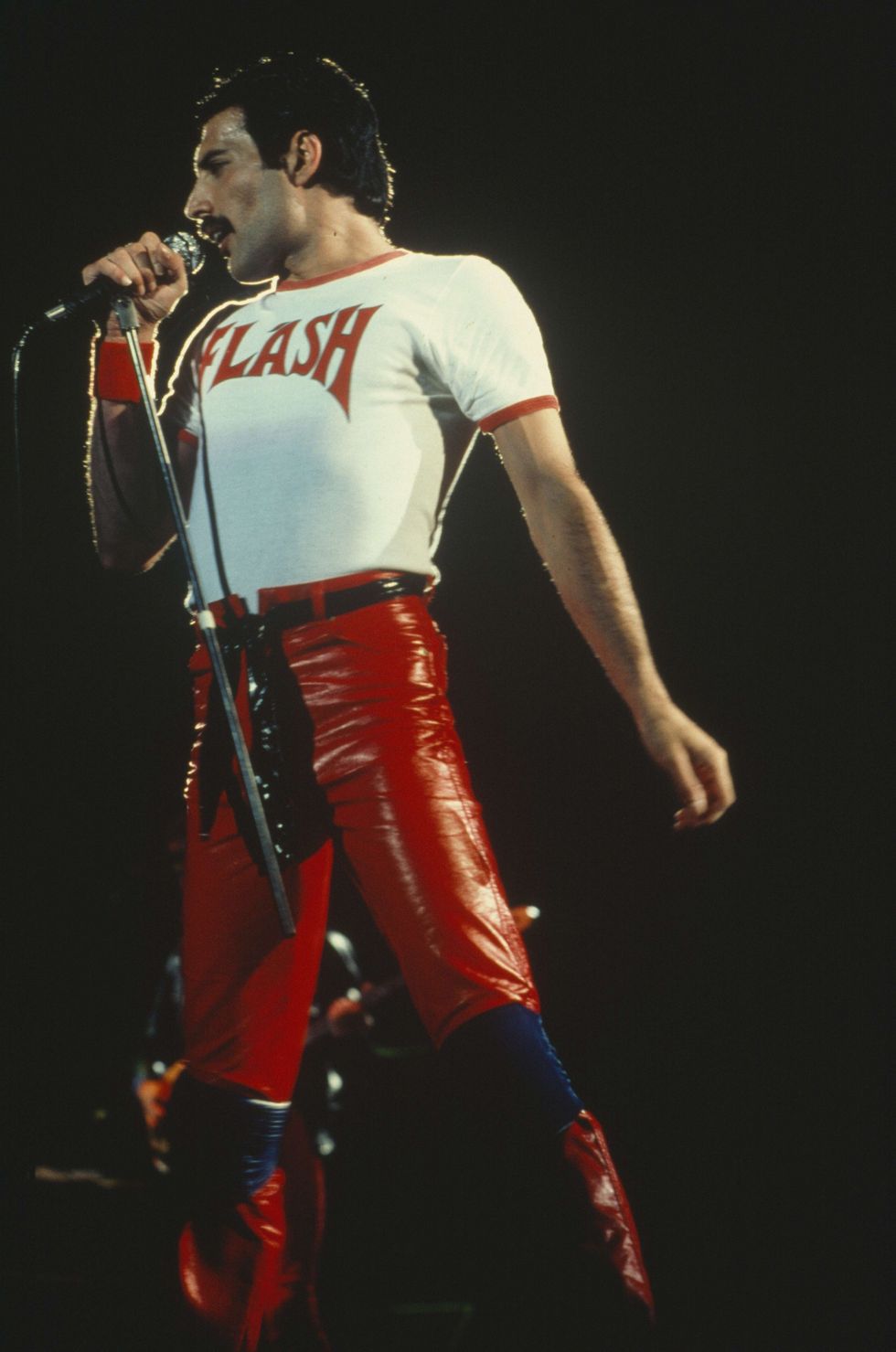 Freddie Mercury performs wearing a 'Flash' t-shirt at Sports Arena in San Diego, California, United States, on 5th July 1980David TanShinko Music/Getty Images
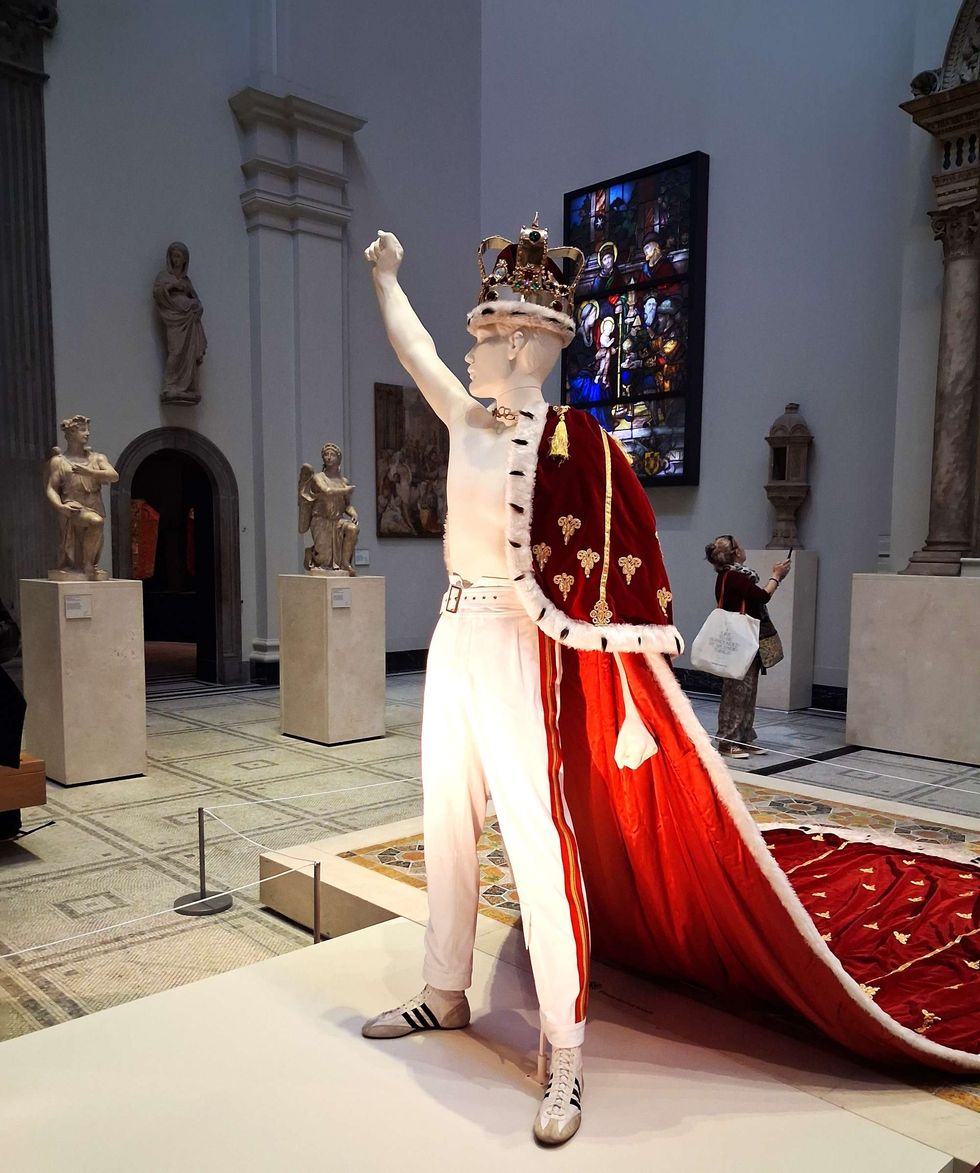 Cloal and crown ensembleAmit Roy
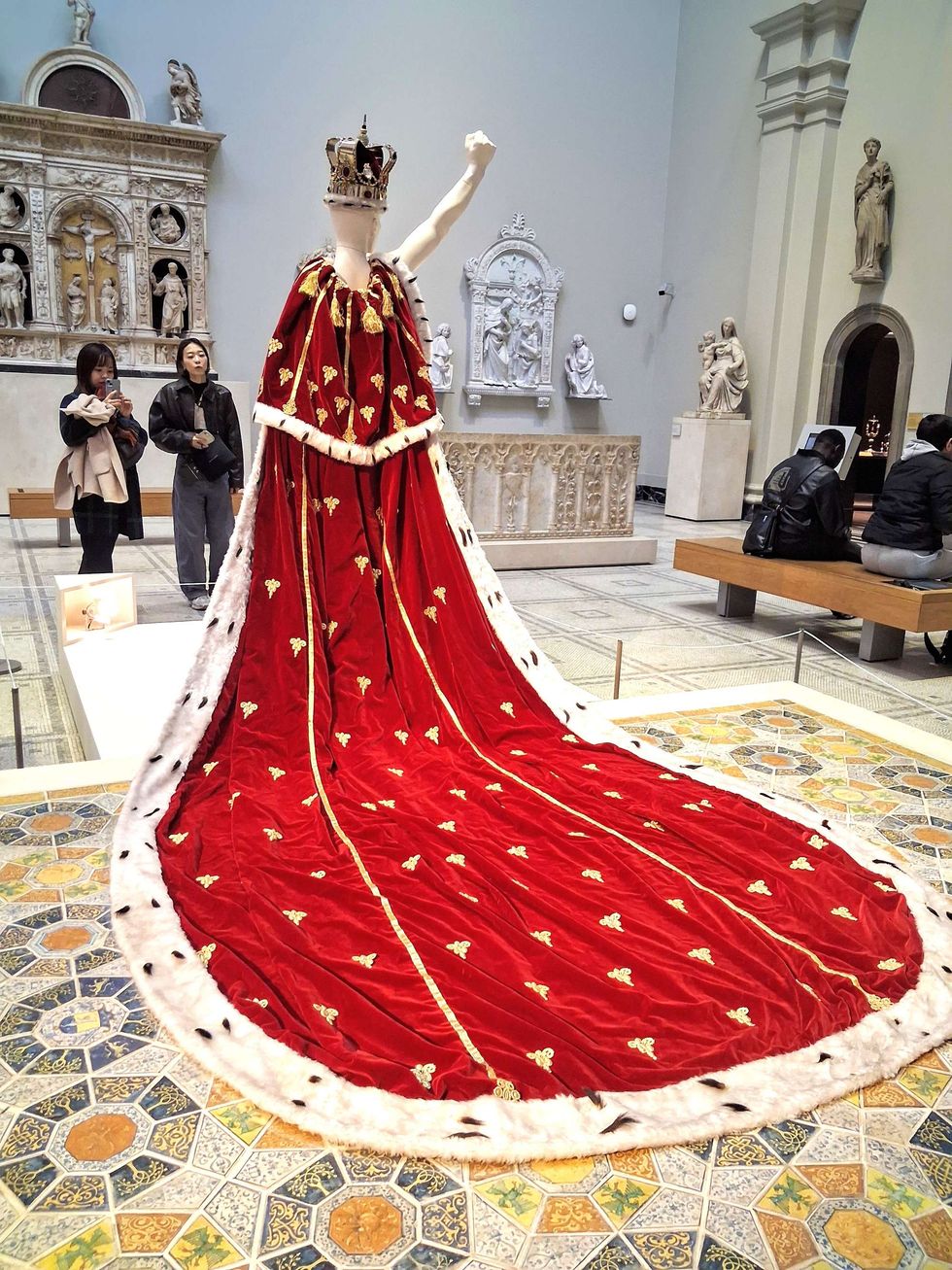 Cloak and crown ensemble (1986)Amit Roy
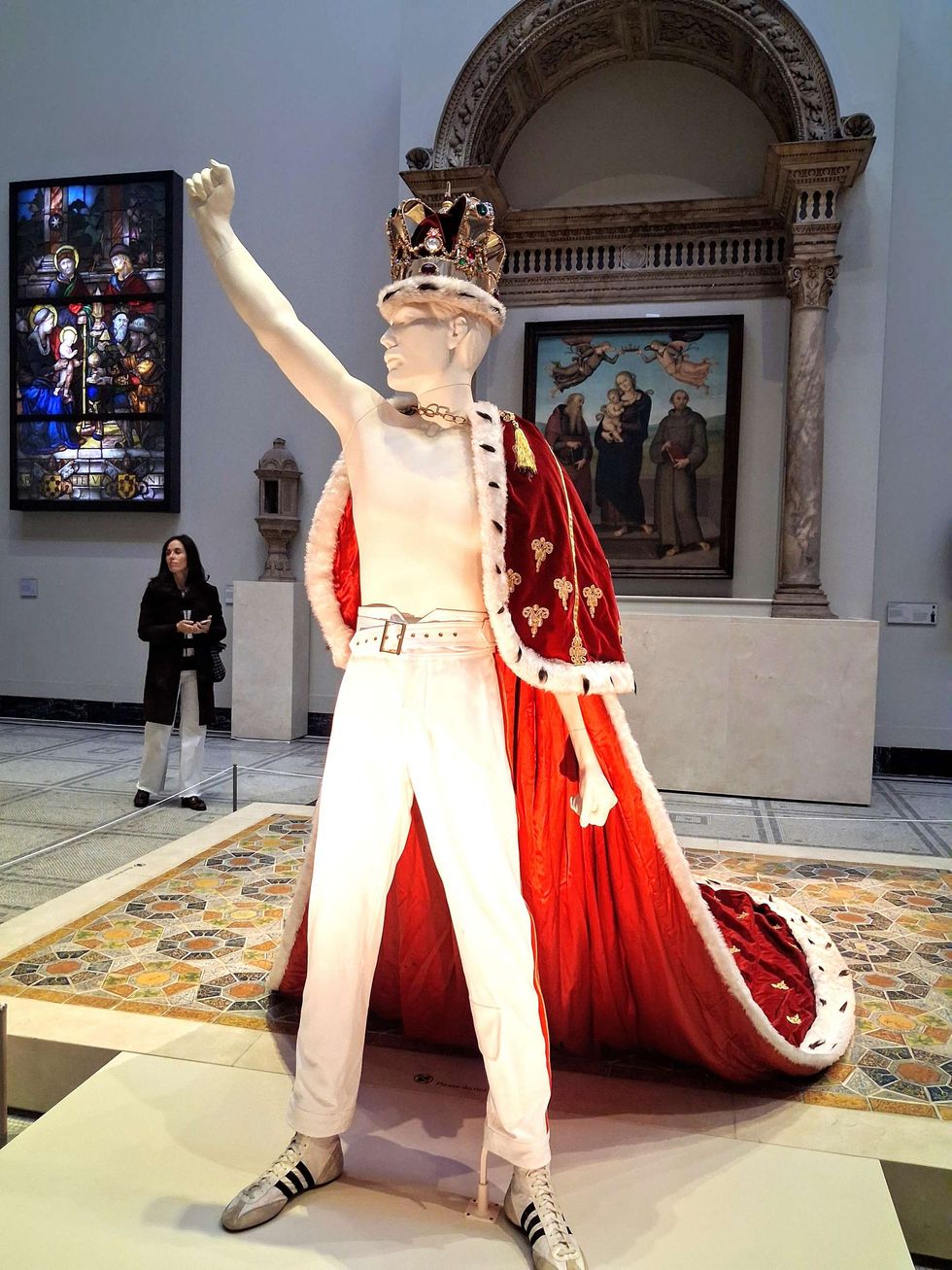 Cloak and crown ensemble (1986)Amit Roy
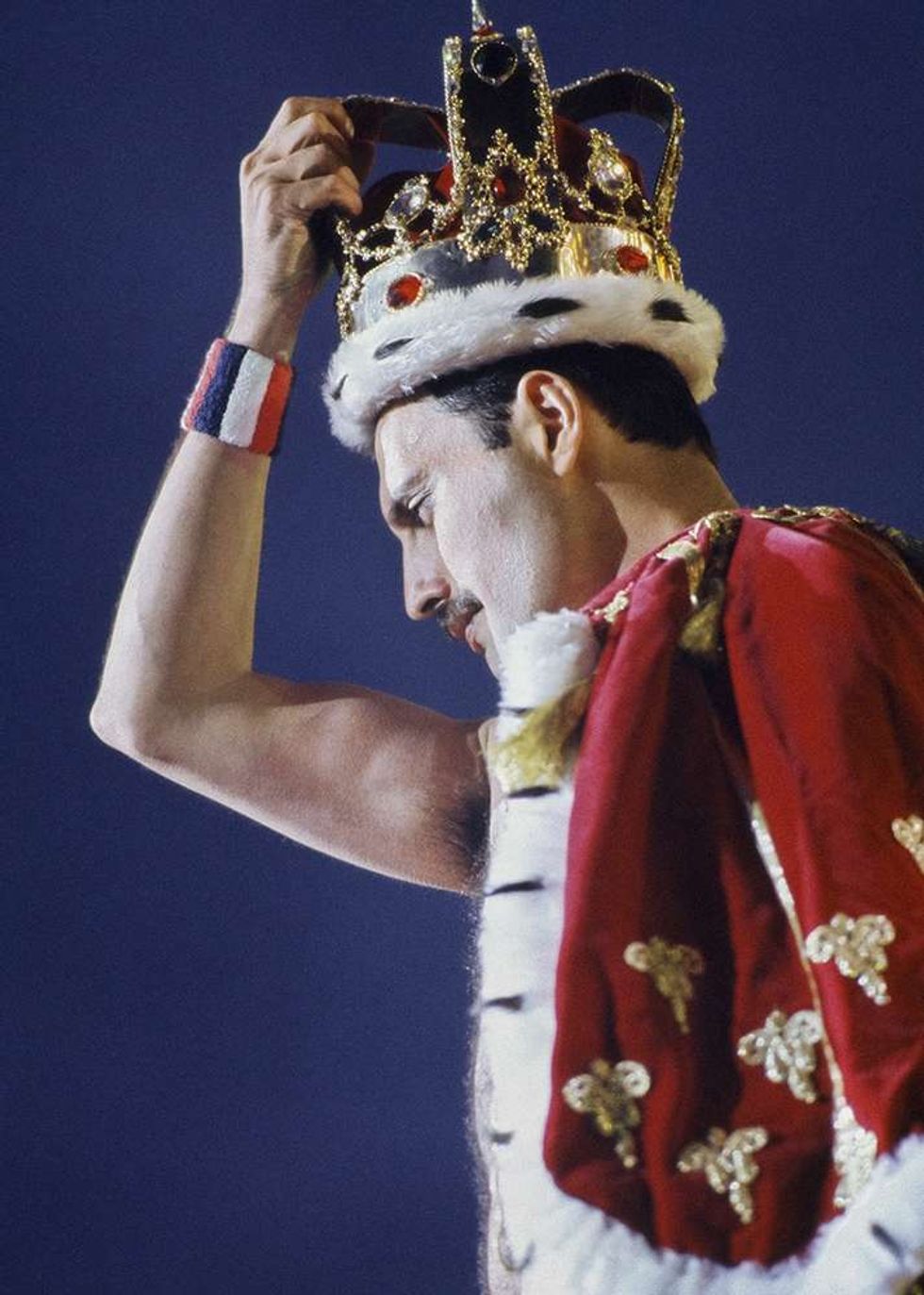 Freddie Mercury, Magic Tour (1986) Denis O’Regan