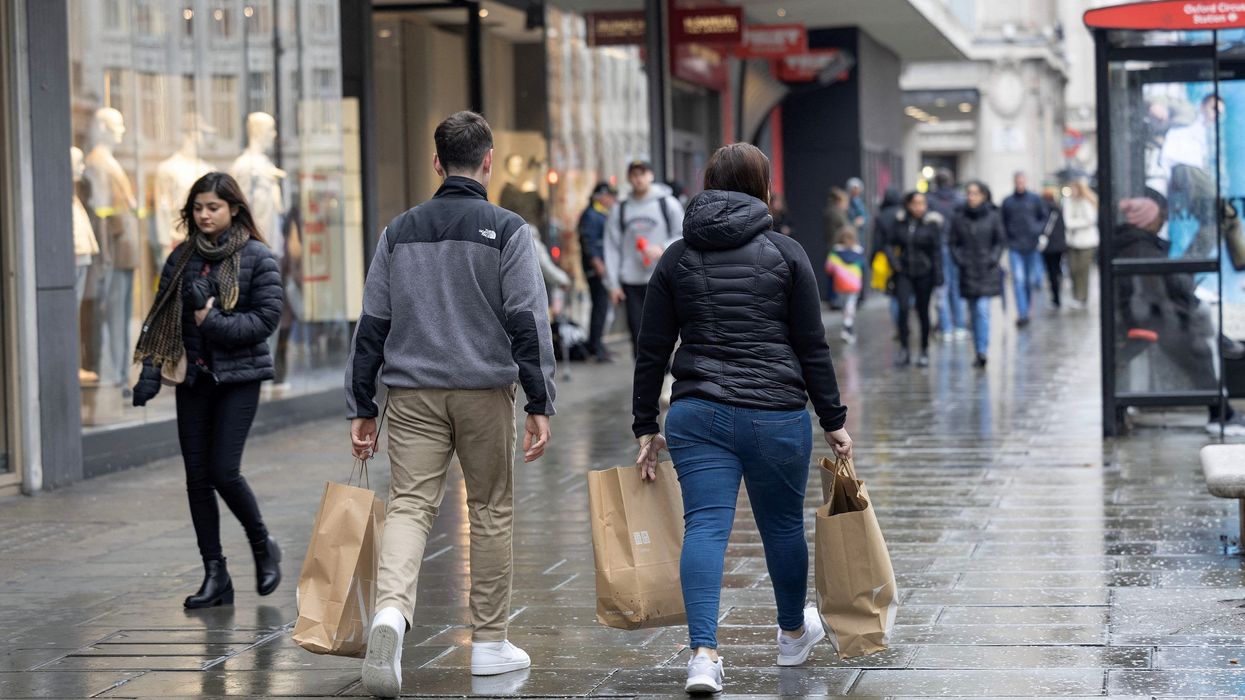

There was a more significant decline in British retail sales than originally expected in the month of July, official data revealed on Friday (18). The decline was attributed to adverse weather conditions, as the nation endeavours to revive its sluggish economy.
Retail sales volumes fell by 1.2 per cent last month, the Office for National Statistics (ONS) said, worse than the 0.5 per cent that economists had forecast.
It followed sales climbing more than expected in June, off the back of warmer weather in that month and some competitive pricing as inflation slowly cools.
The government will hope the latest data is a temporary blip, but analysts warned it may signal dented consumer confidence after more than a year of rising interest rates.
"Retail sales fell sharply in July as poor weather impacted most sectors," ONS deputy director for surveys and economic indicators Heather Bovill said.
"It was a particularly bad month for supermarkets as the summer washout combined with the increased cost of living meant sluggish sales for both clothing and food.
"Department store and household goods sales also dropped significantly."
The ONS figures showed food stores sales volumes dropped 2.6 per cent last month, while non-food stores sales fell by 1.7 per cent.
However, the wet weather helped online retailers, with 27.4 per cent of all retail sales taking place online, the highest proportion since February 2022.
"With the Bank of England's interest rate hikes still feeding through and consumer confidence falling, we remain downbeat on the outlook for overall spending this year," Capital Economics said in its analysis.
"Overall, the figures were a bit worse than we had expected.
"And our view is still that the growing drag on activity from higher interest rates will eventually generate a 0.5 per cent peak to trough fall in real consumer spending."
Britain has been grappling with the worst cost-of-living crisis in a generation and anaemic economic growth.
Analysts warn it remains at risk of recession this year after more than a dozen interest rate rises by the Bank of England to try to tame inflation take their toll.
(AFP)