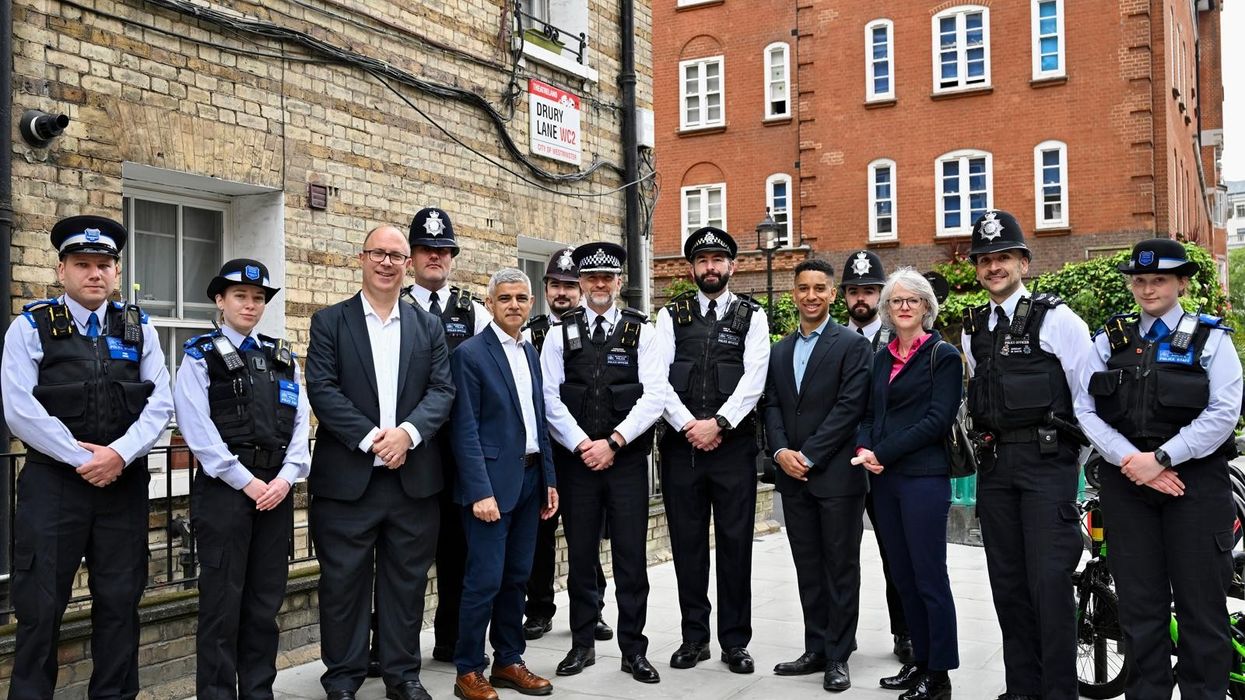

Sadiq Khan joined Met officers on patrol in Westminster today to see how targeted policing is reducing robbery and theft in the West End. This effort is part of the New Met for London plan to improve frontline policing and rebuild public trust.
The London mayor observed officers using data to focus patrols in crime hotspots. From October 2023 to January 2024, 5,768 individuals were charged or cautioned for various offences, including 621 for robbery and 497 for knife crime. In Westminster, nearly 300 individuals were charged or cautioned for violence, knife crime, and robbery.
The New Met for London plan will deploy more officers and Police Community Support Officers (PCSOs) in every borough and ward. An additional 1,300 neighbourhood police officers and more PCSOs will be recruited, supported by a £151 million budget from City Hall.
The mayor’s visit coincided with the launch of the Robbery Reduction Partnership, led by the mayor’s Office for Policing and Crime (MOPAC). This partnership aims to boost cooperation between local businesses, councils, police, and other agencies to reduce robbery.
Khan highlighted the impact of the cost-of-living crisis on crime rates, urging the government to address the root causes and fund the Met Police adequately.
“Reducing crime and making London safer is my top priority,” said Khan. “I will support the police in targeting offenders and work with mobile phone manufacturers to combat mobile phone crime, which drives robbery.”
“As mayor, I’ll continue to do everything I can to boost officer numbers and support the police to go after the worst offenders. I’ll also work with leading mobile phone manufacturers to develop long-term solutions to end the menace of mobile phone crime, which we know is driving robbery in our communities – not just in London but across the UK," Khan said.
"But we know we’ll never simply be able to arrest our way out of this problem, so this extra enforcement action will go alongside investment in prevention, youth clubs, and other interventions led by my Violence Reduction Unit," he said.
Met Commander Owain Richards stressed the importance of making London safe for residents and visitors, using data to direct resources effectively.
“Our priority is to make the capital a safer place for people who live and work here – as well as the thousands of visitors who come to enjoy all of the fantastic things Westminster has to offer," Richards said.
He also mentioned the use of live facial recognition to catch criminals. “Live facial recognition is also being used to take harmful criminals off our streets,” he said.





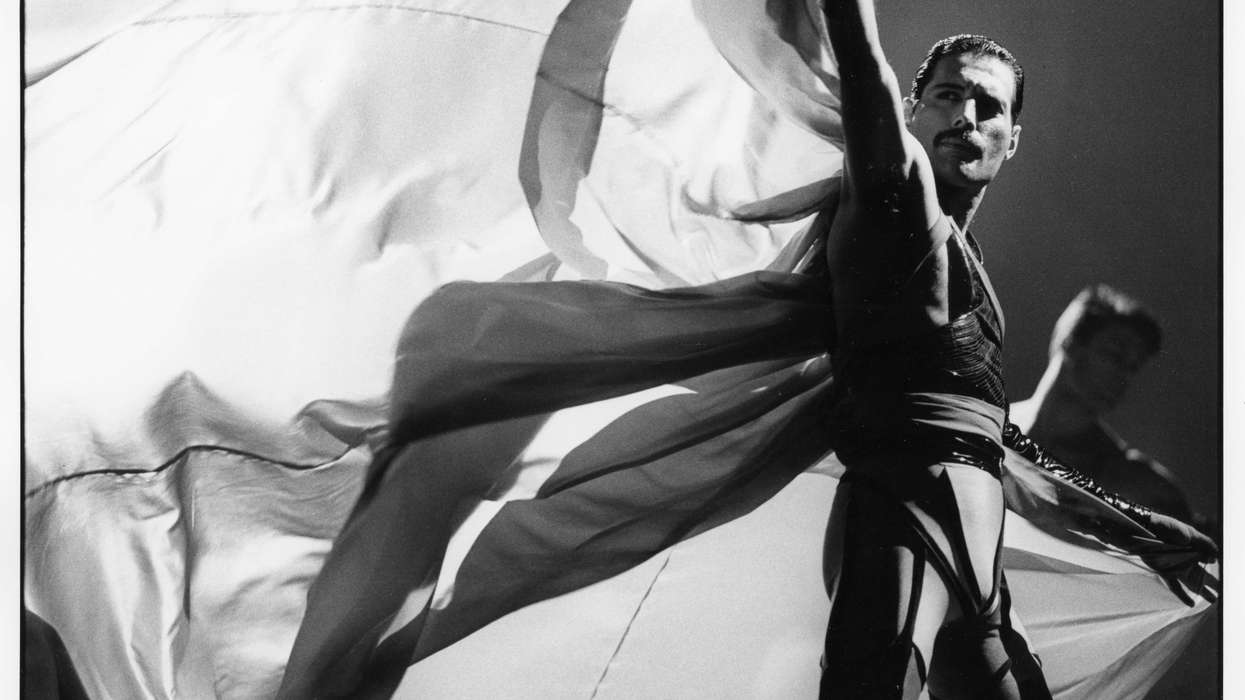
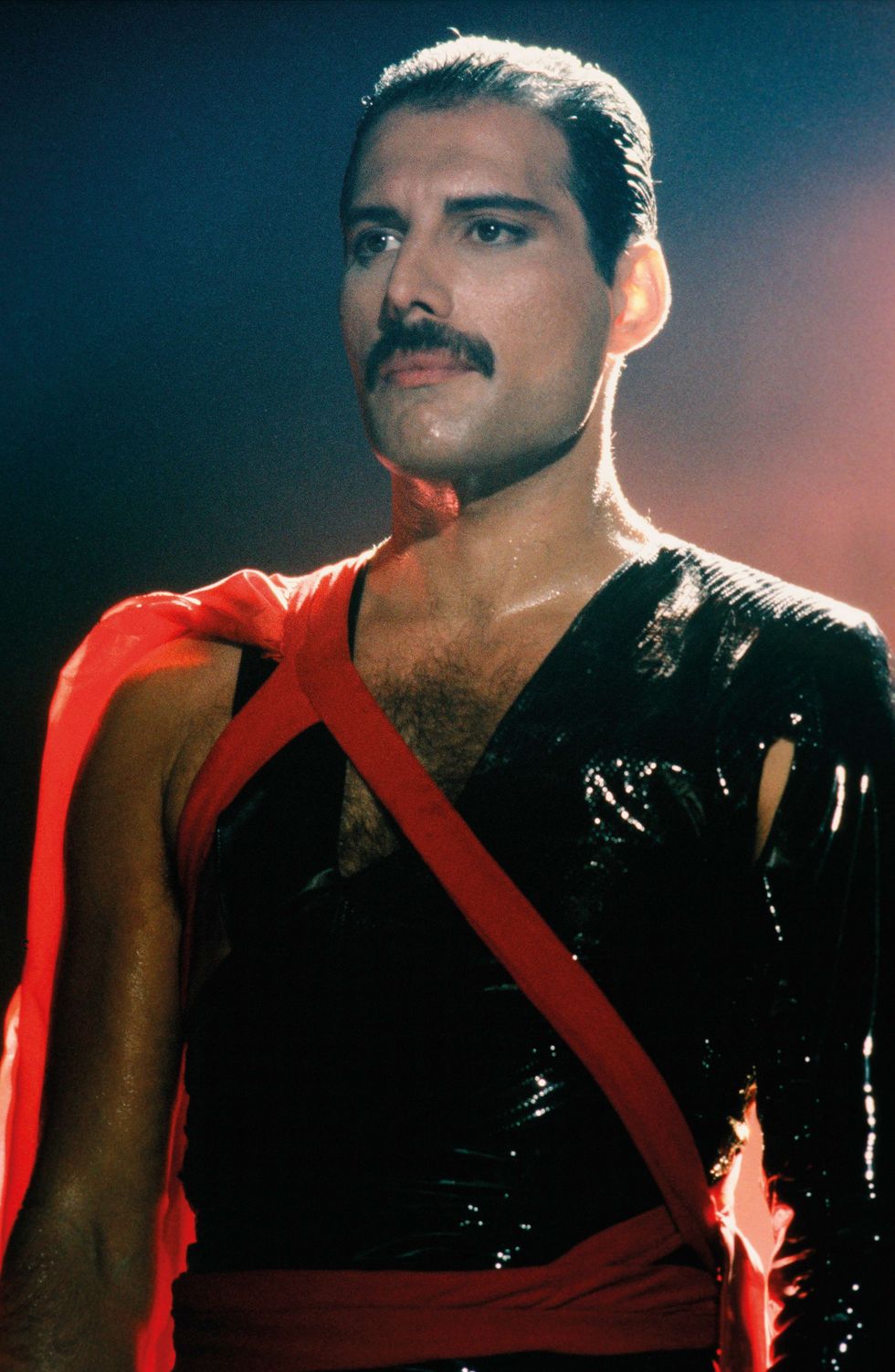 Freddie Mercury in the Made in Heaven music videoSimon Fowler © Mercury Songs Ltd
 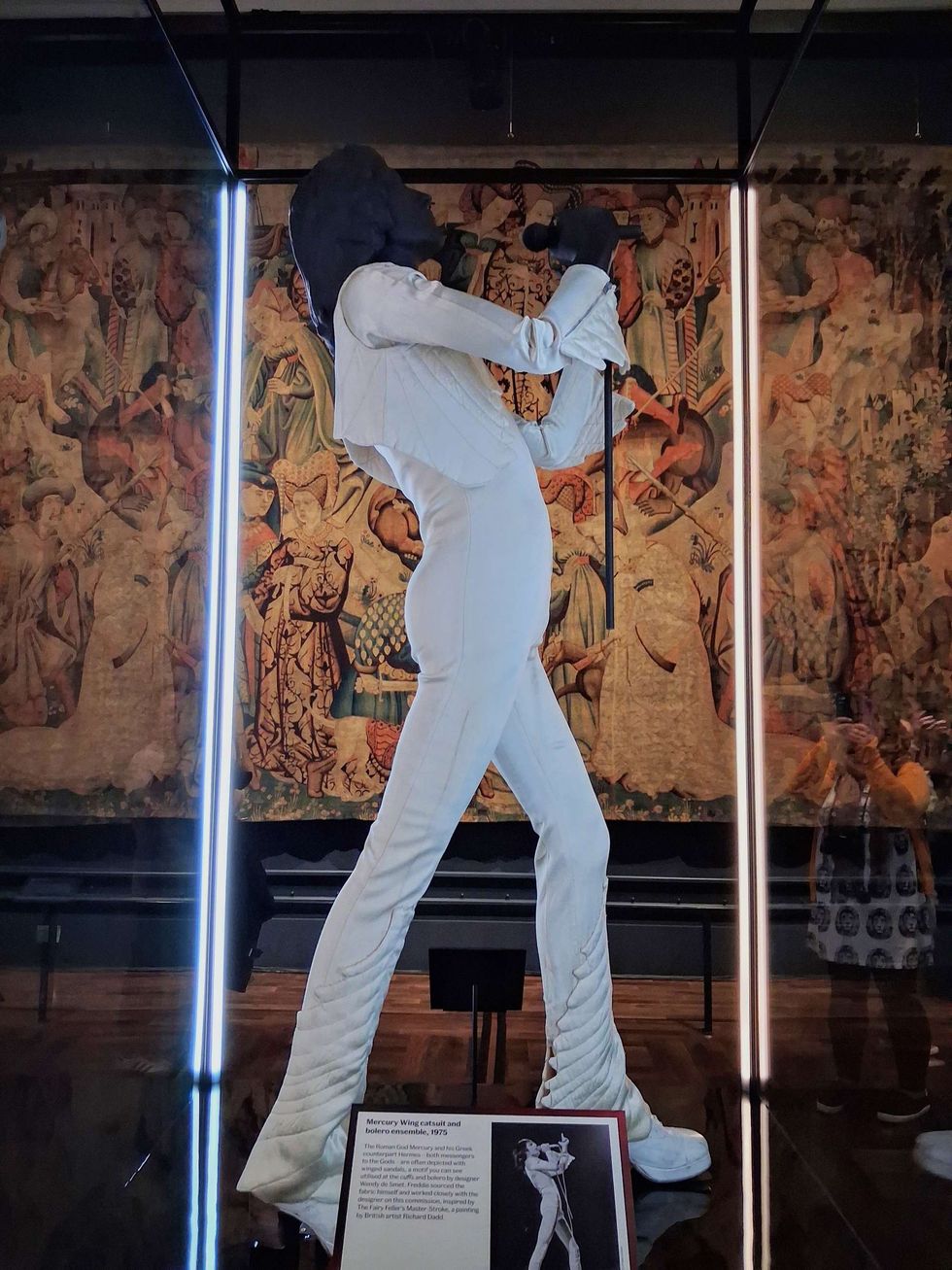 Mercury Wing Catsuit and bolero ensemble (1975)Amit Roy
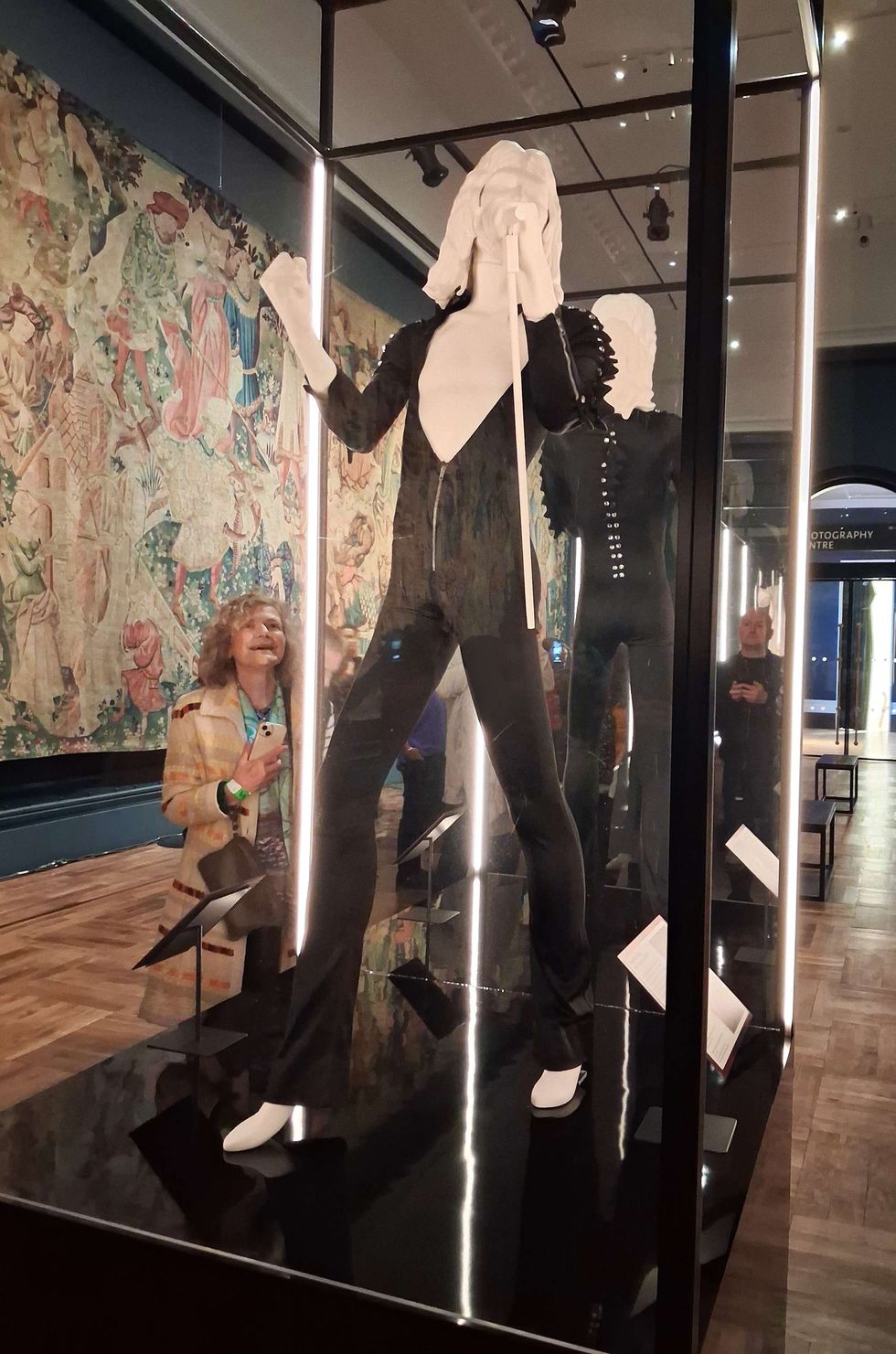 Designer Wendy de Smet with the spine suit or the Black Queen suit from 1975 Amit Roy
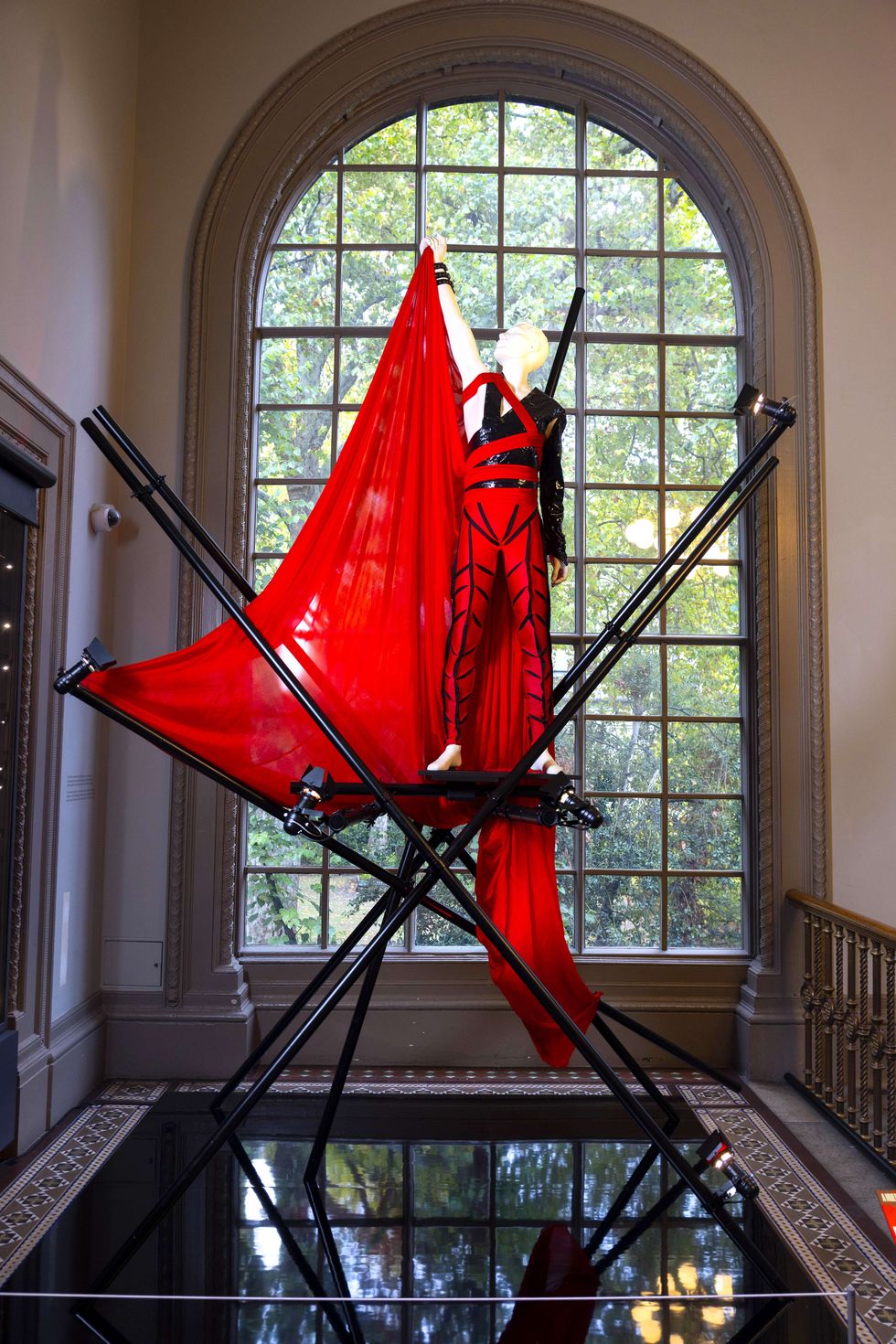 Made in Heaven music video costume (1985) David Parry/V&A
 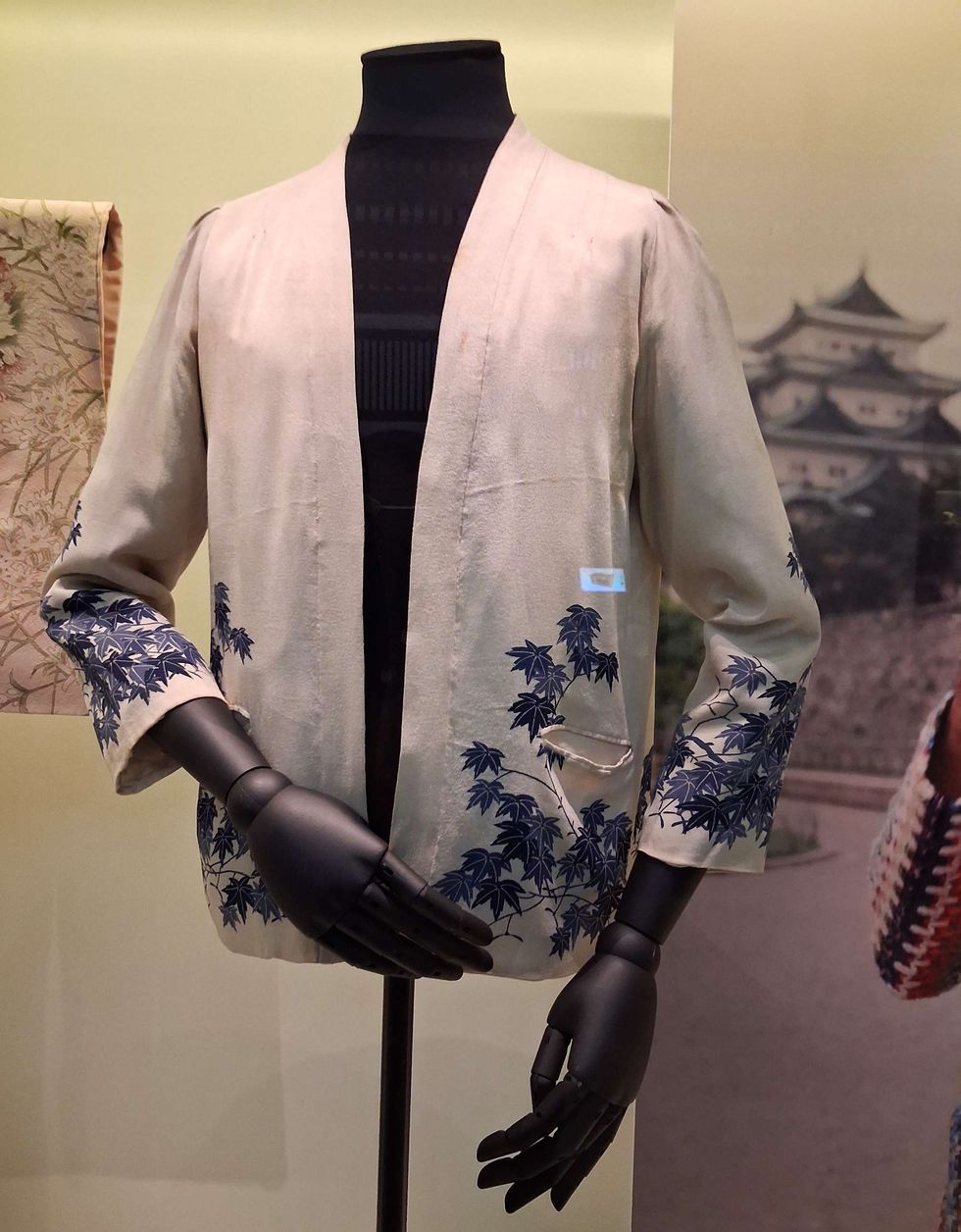 Japanese jacket (early 1970s)Amit Roy
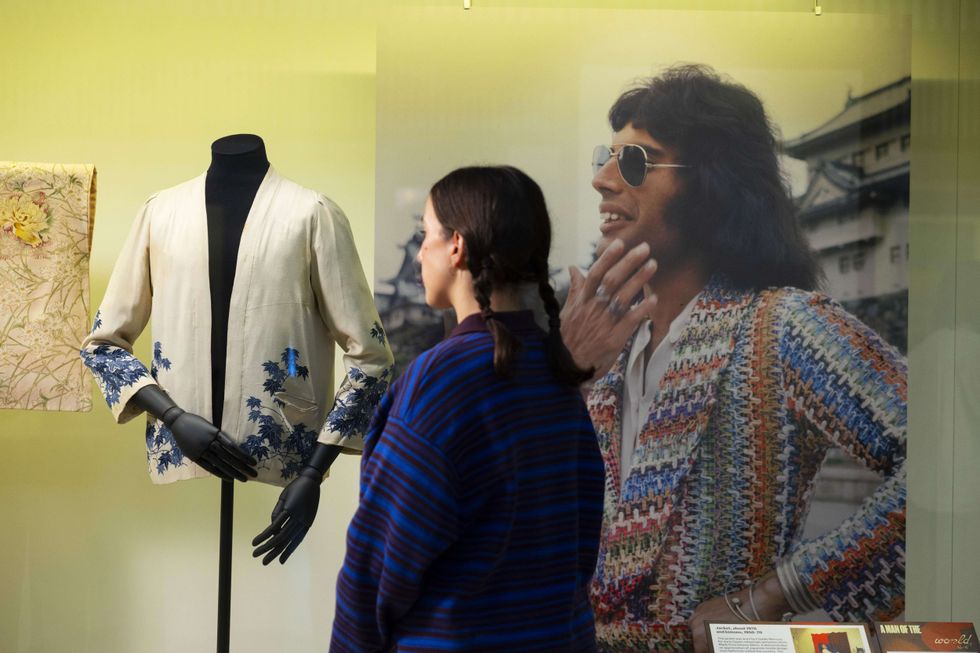 Japanese jacket (early 1970s) and kimono (1950-70) David Parry/ V&A
 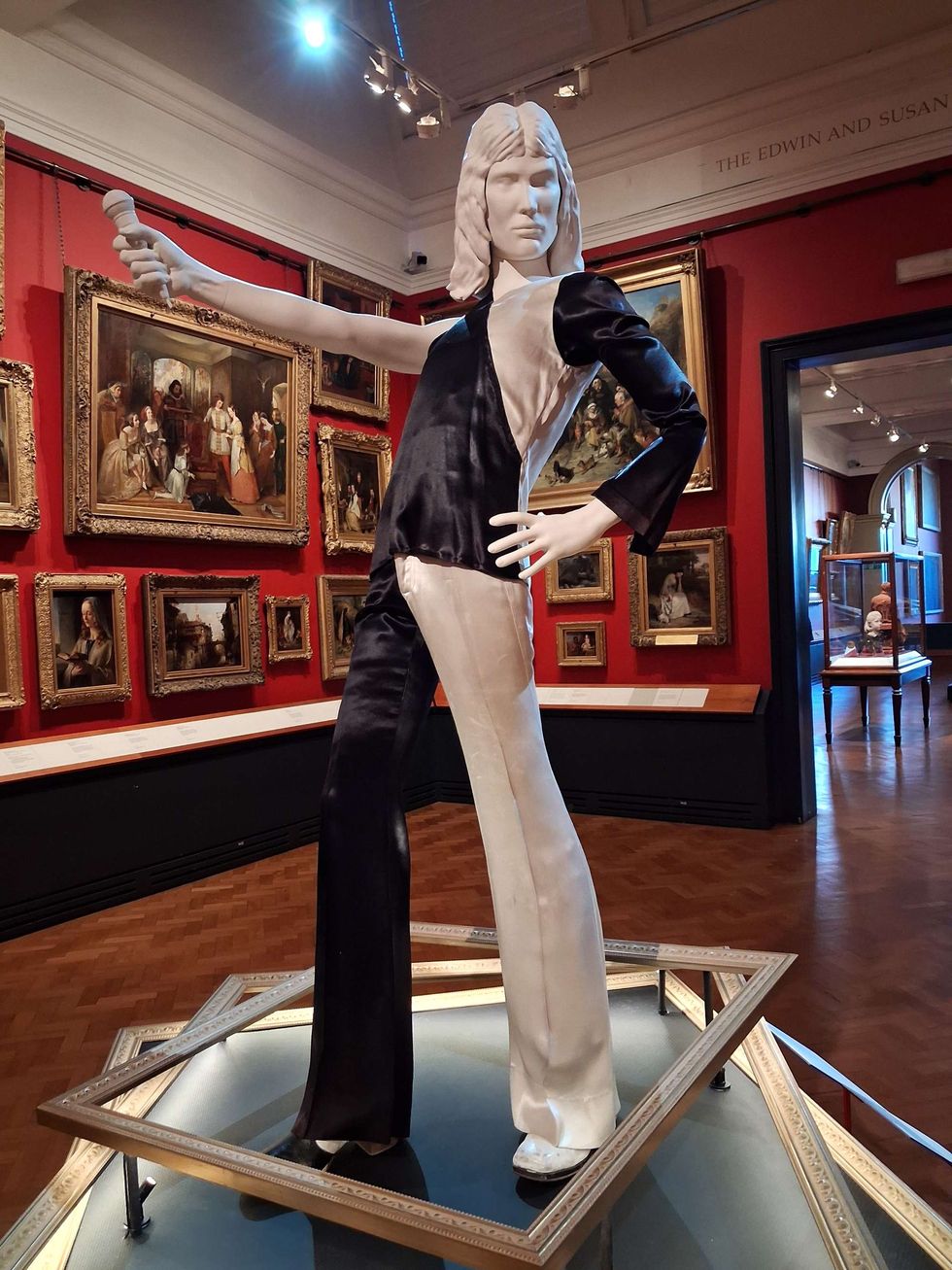 Ensemble worn for Imperial College gig in 1973Amit Roy
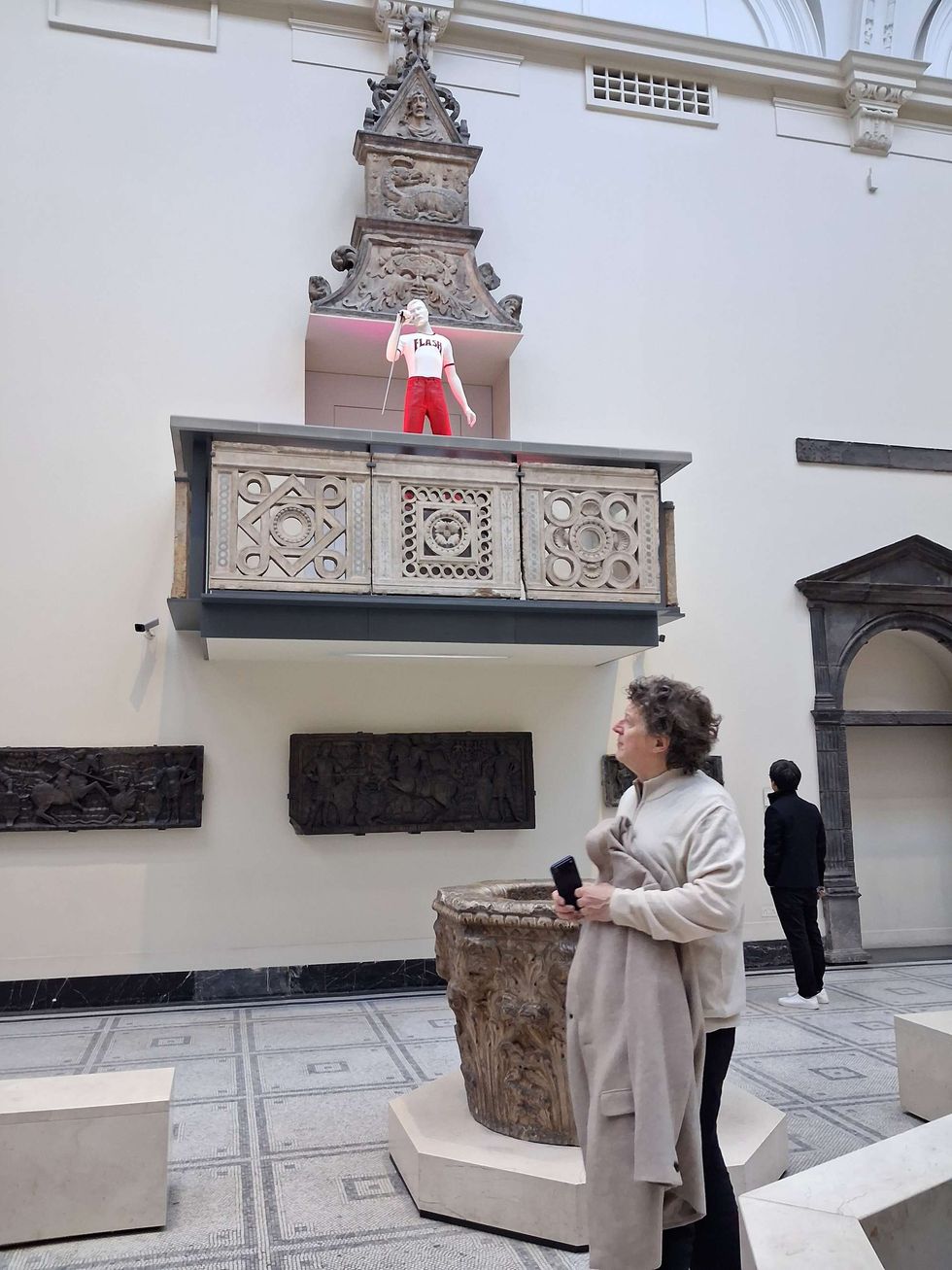 Flash ensemble and half mic (Flash Gordon 1980)Amit Roy
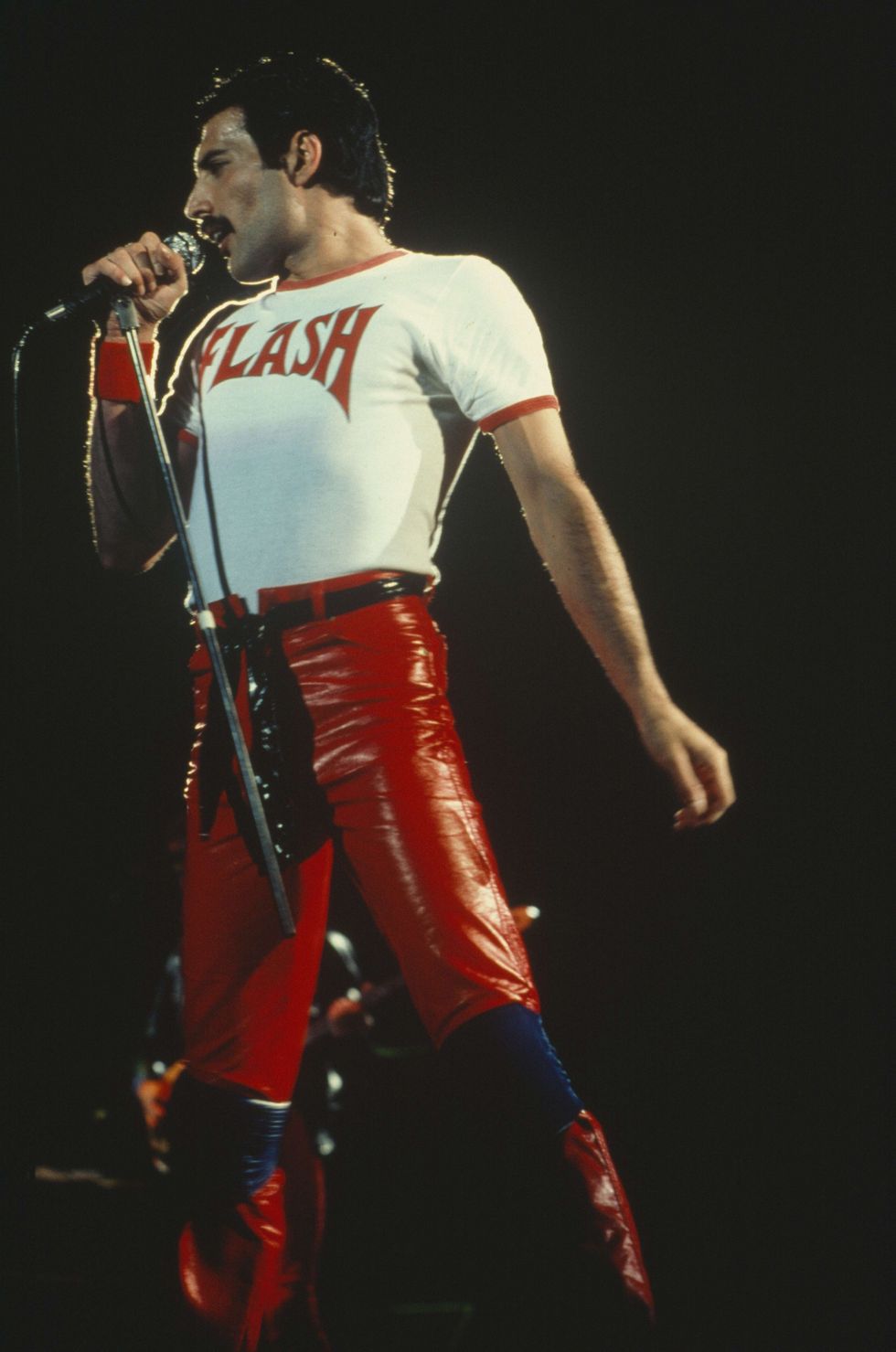 Freddie Mercury performs wearing a 'Flash' t-shirt at Sports Arena in San Diego, California, United States, on 5th July 1980David TanShinko Music/Getty Images
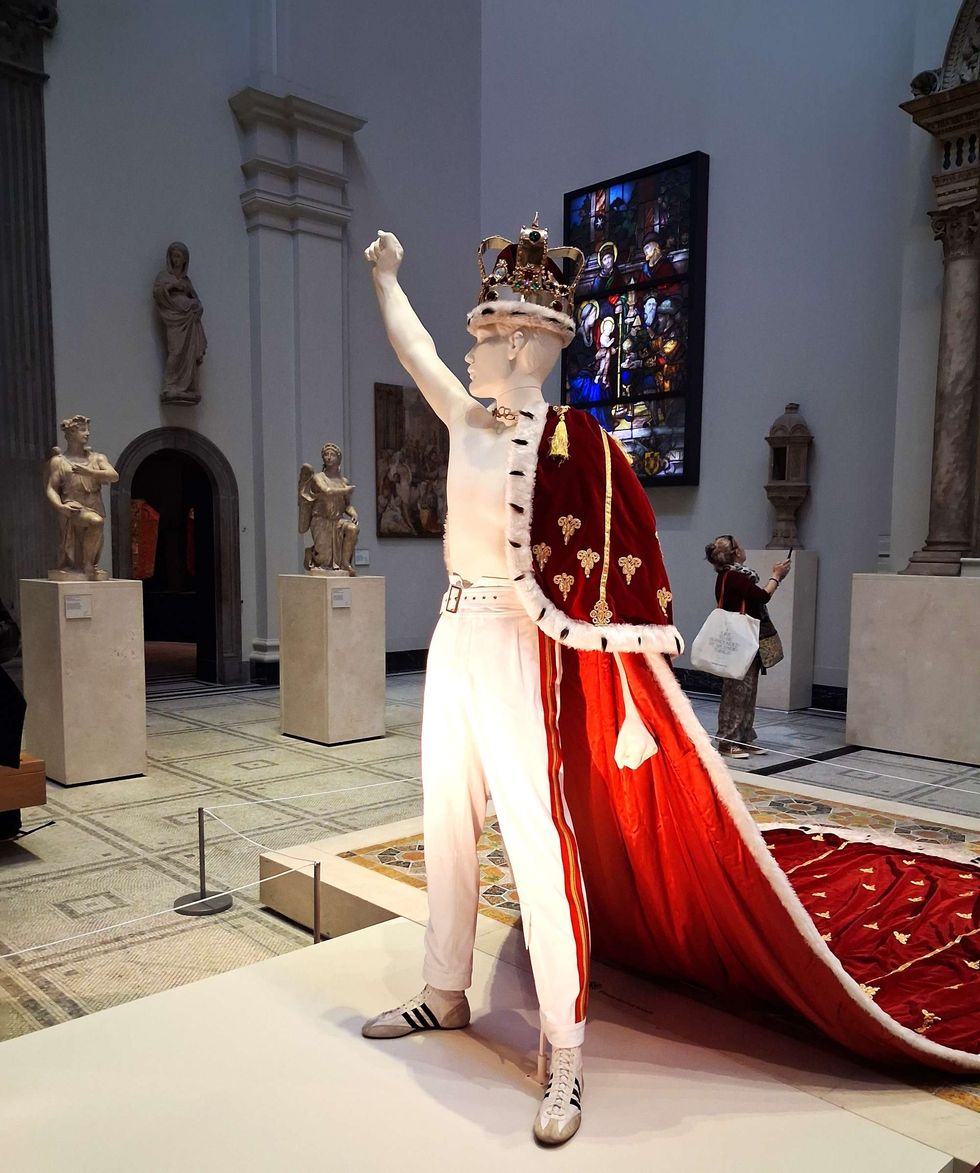 Cloal and crown ensembleAmit Roy
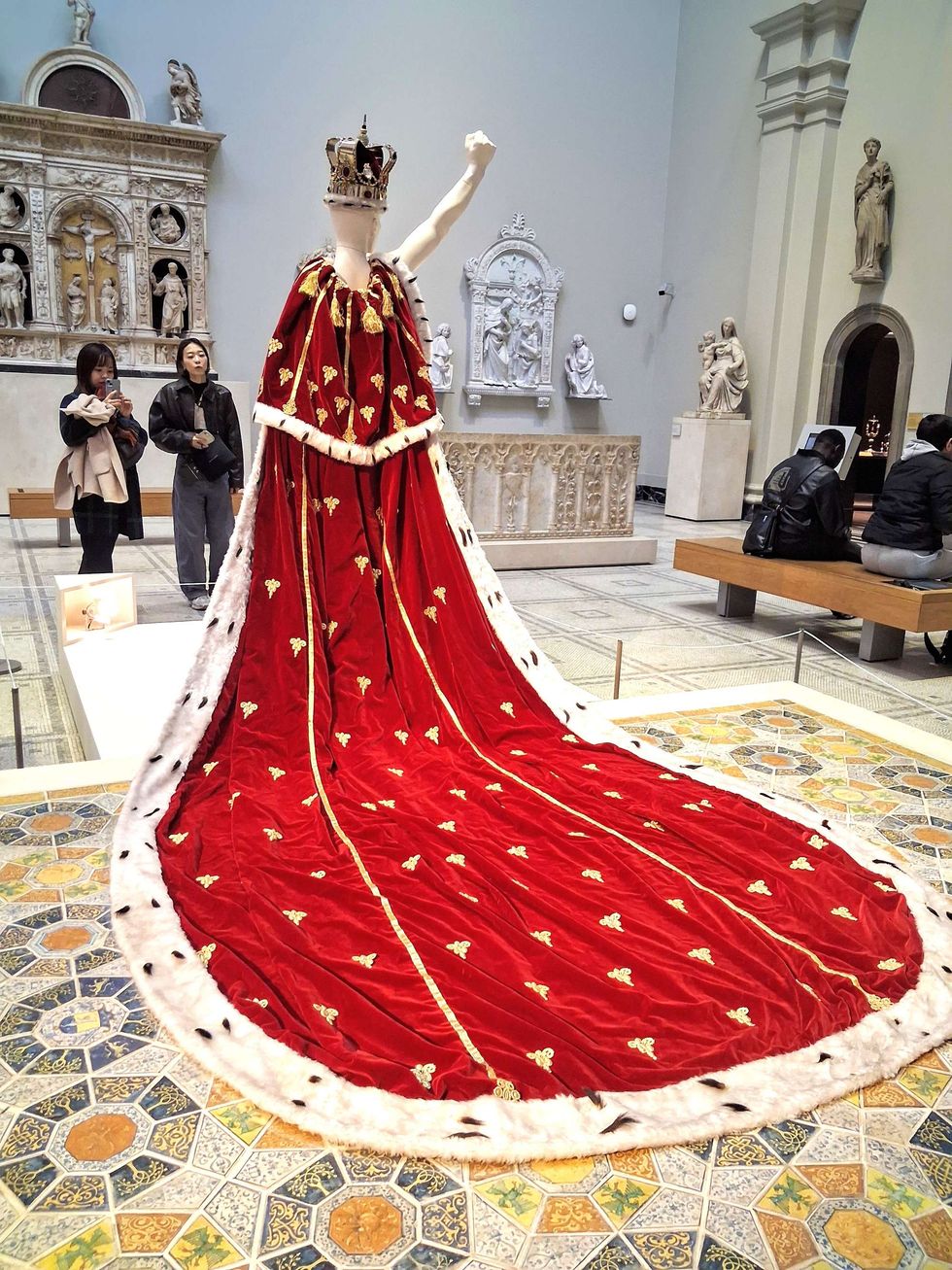 Cloak and crown ensemble (1986)Amit Roy
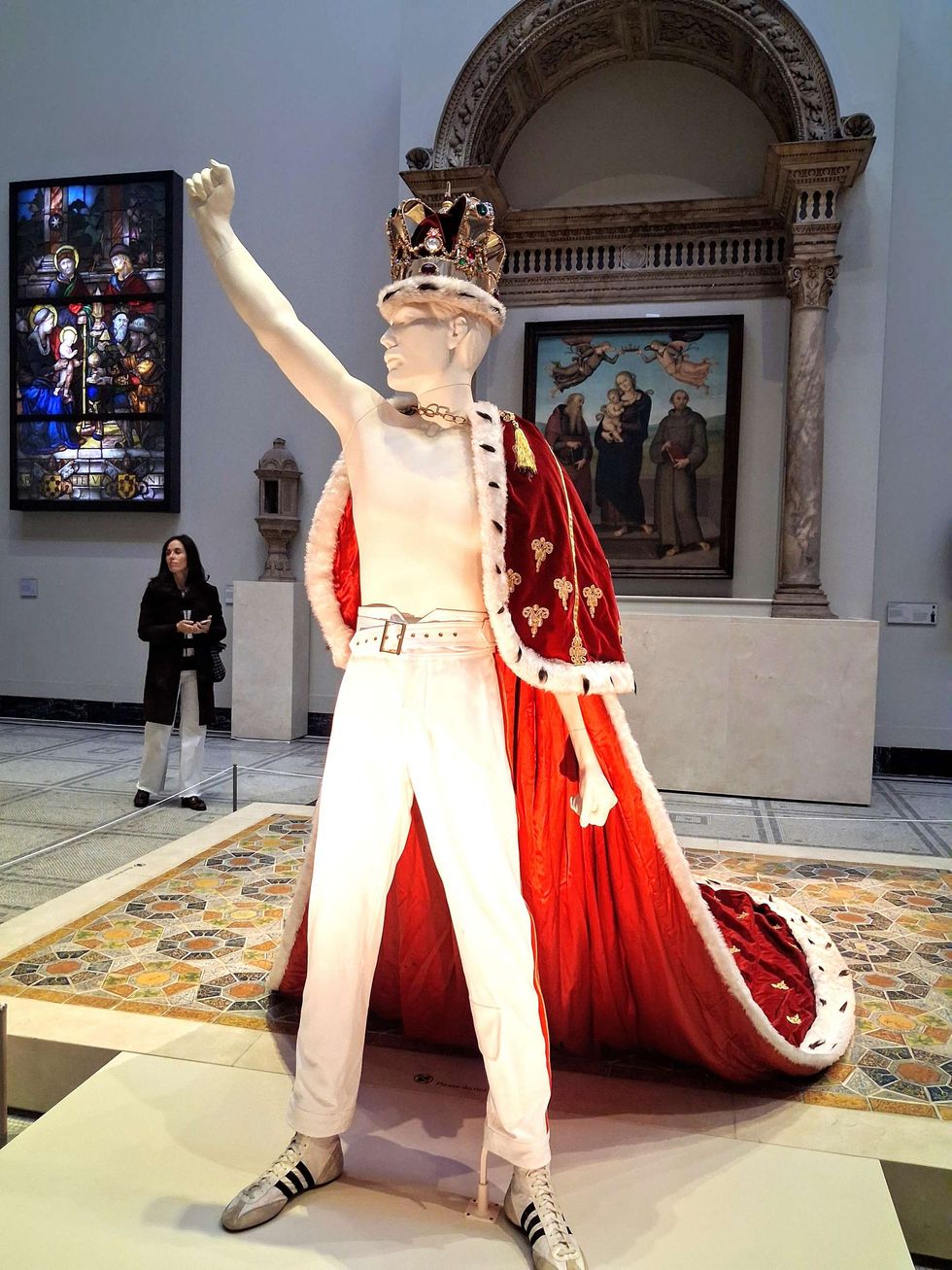 Cloak and crown ensemble (1986)Amit Roy
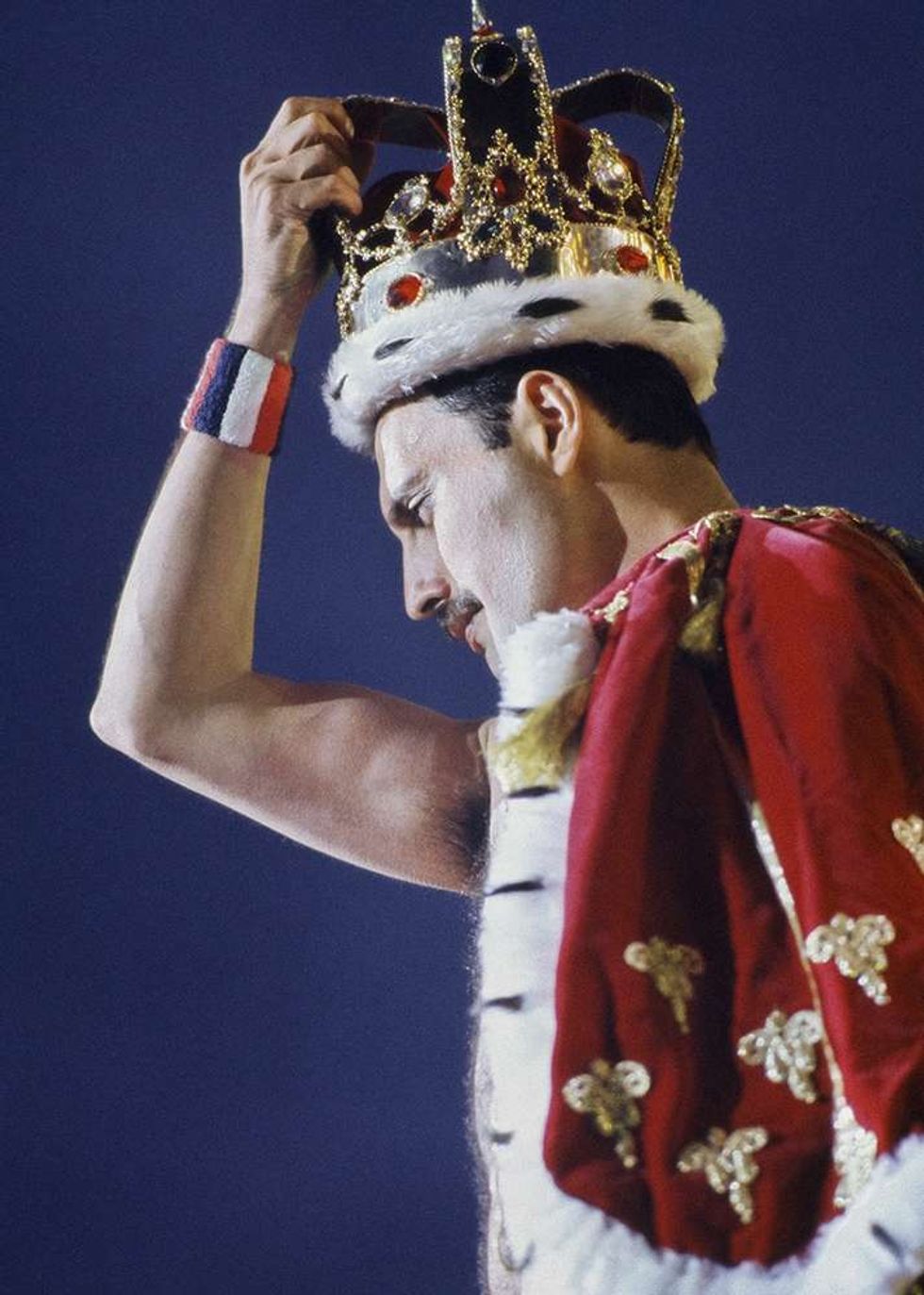 Freddie Mercury, Magic Tour (1986) Denis O’Regan