SENIOR doctors in England will hold two days of strikes in August, their union - the British Medical Association (BMA) - said on Monday (17), dismissing a six per cent pay rise announced by the government last week as a "savage" real-terms wage cut.
Consultant-level doctors in Britain's publicly funded National Health Service (NHS) will strike on August 24 and 25, adding to previously announced strikes on July 20 and 21 and underscoring the failure of prime minister Rishi Sunak's bid to fully end months of industrial action across public services.
Sunak last week described recent public sector pay increases as a final settlement, warning they would cost billions, require budget cuts elsewhere, and would not be subject to further negotiation.
While teaching unions paused strikes and recommended accepting their deal, doctors' unions were unimpressed after what they say have been years of pay erosion for their members.
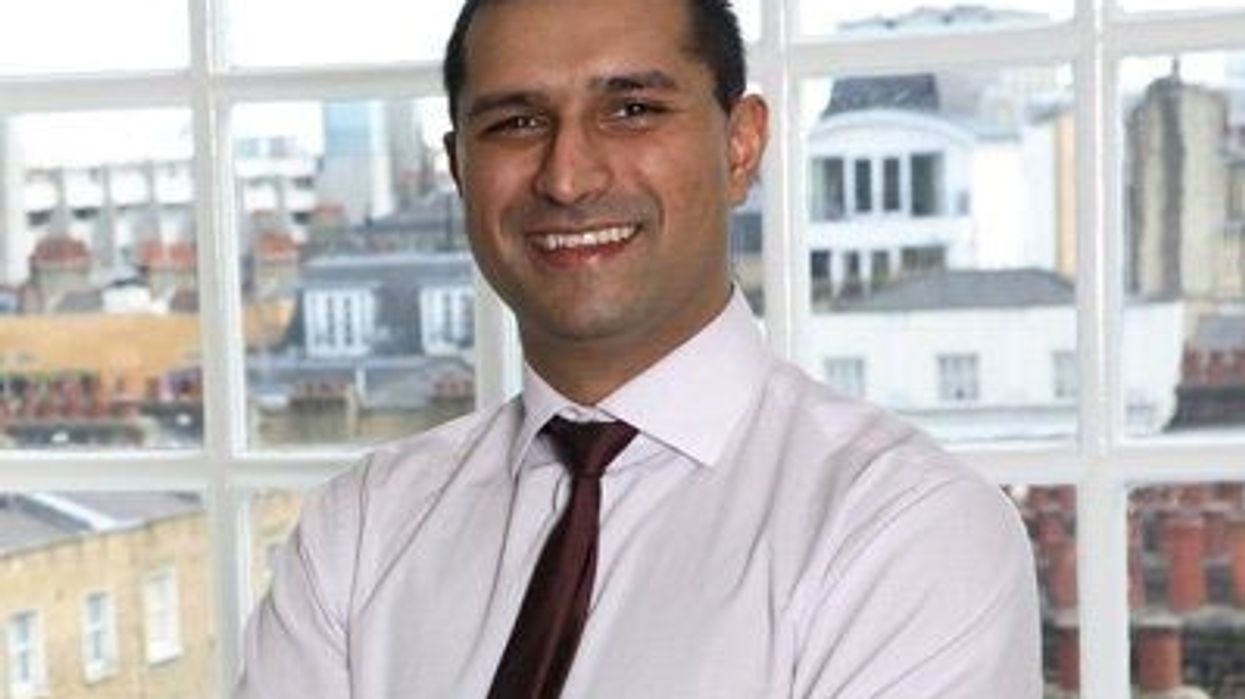
"The government has once again imposed a savage real terms pay cut on consultants," said Vishal Sharma, the BMA's consultants committee chair.
"In the face of a government intent on devaluing consultants’ expertise and their lack of regard for the impact this is having on the NHS, we have been left with no choice."
Britain's inflation rate has been elevated for well more than a year, peaking above 11 per cent in October and most recently at 8.7 per cent in May - the highest of all major developed economies.
This week's strikes will be the first by consultants in the current pay dispute and are expected to put the NHS under serious strain. Most routine and elective services will be cancelled but emergency cover will remain.
Separately, junior doctors in England - qualified physicians who make up nearly half of the medical workforce - are in the middle of a five-day walkout described by the BMA as the longest single strike in their history.
(Reuters)
Senior doctors in England announce more strikes
British Medical Association's Vishal Sharma says the government has once again imposed a savage real-terms pay cut on consultants