
by MITA MISTRY
POETRY has historically been romanticised with a reputation for being difficult to access and perhaps composed for the literary community. But with the digital age thriving and attention spans shrinking, poetry has seen a rece-nt resurgence in modern culture.
Not only has this opened a pathway for people to share their innermost emotions, it is helping to remove mental health stigma by normalising conversations. Depression and anxiety are the top two mental health conditions being treated with bibliotherapy, which is the use of books as therapy. And through poetry, it is possible to express how one feels and understand the walls around the mind.
One such book of self-expression is 3650, which is a wonderful collection of poetry by Vikas Shah. He takes the reader on an emotional journey through the trials and tribulations of his darkest moments. Seth writes from a place of love sharing words of wisdom through the lens of his fractured soul.
He gives the reader a different and heartfelt perspective on a range of topics like thoughts, nature, love, grief, death, peace and other inner reflections. The written language is accessible and thought-provoking, yet delivered with compassion. His words give hope, showing that even in his darkest moments, writing them were a part of his healing.
For those who find it hard to express themselves on paper, reading poetry can have a similar healing effect as writing it by fuelling awareness. And this collection of poetry does this by allowing the reader to see the vulnerability of being human and what is weighing down the heart and mind.
Ultimately, there is solace in the words in this book that we are not singled out by our suffering. In this collection of simple, yet eloquent poems, we find light in darkness and the magic of expression. This is a must read for anyone of all ages.



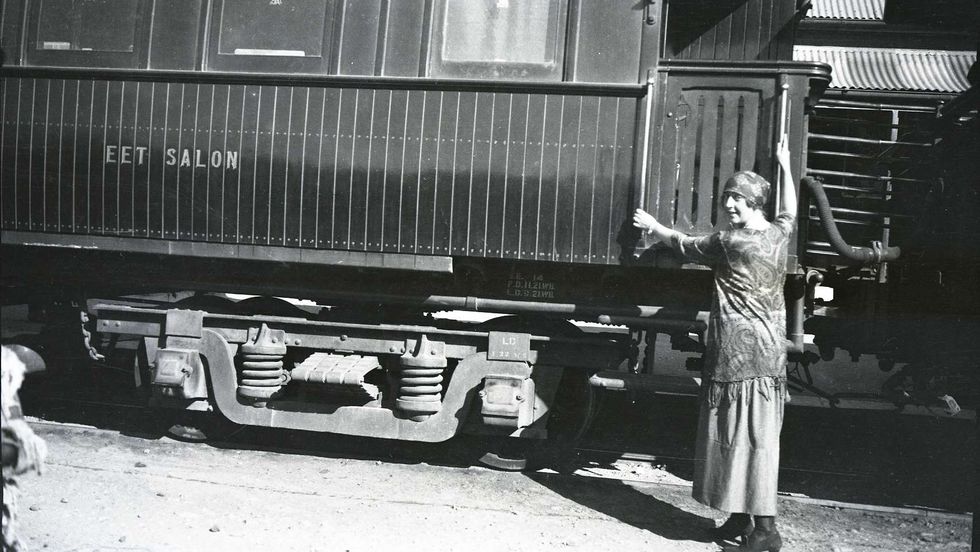 Agatha Christie boarding the EET Salon at lunchtime on the train from Bulawayo to the Cape. In 1922 Agatha Christie set sail on a 10-month voyage around the world. Her husband Archie had been invited to join a trade mission to promote the British Empire Exhibition and Agatha was determined to go with him The Christie Archive Trust
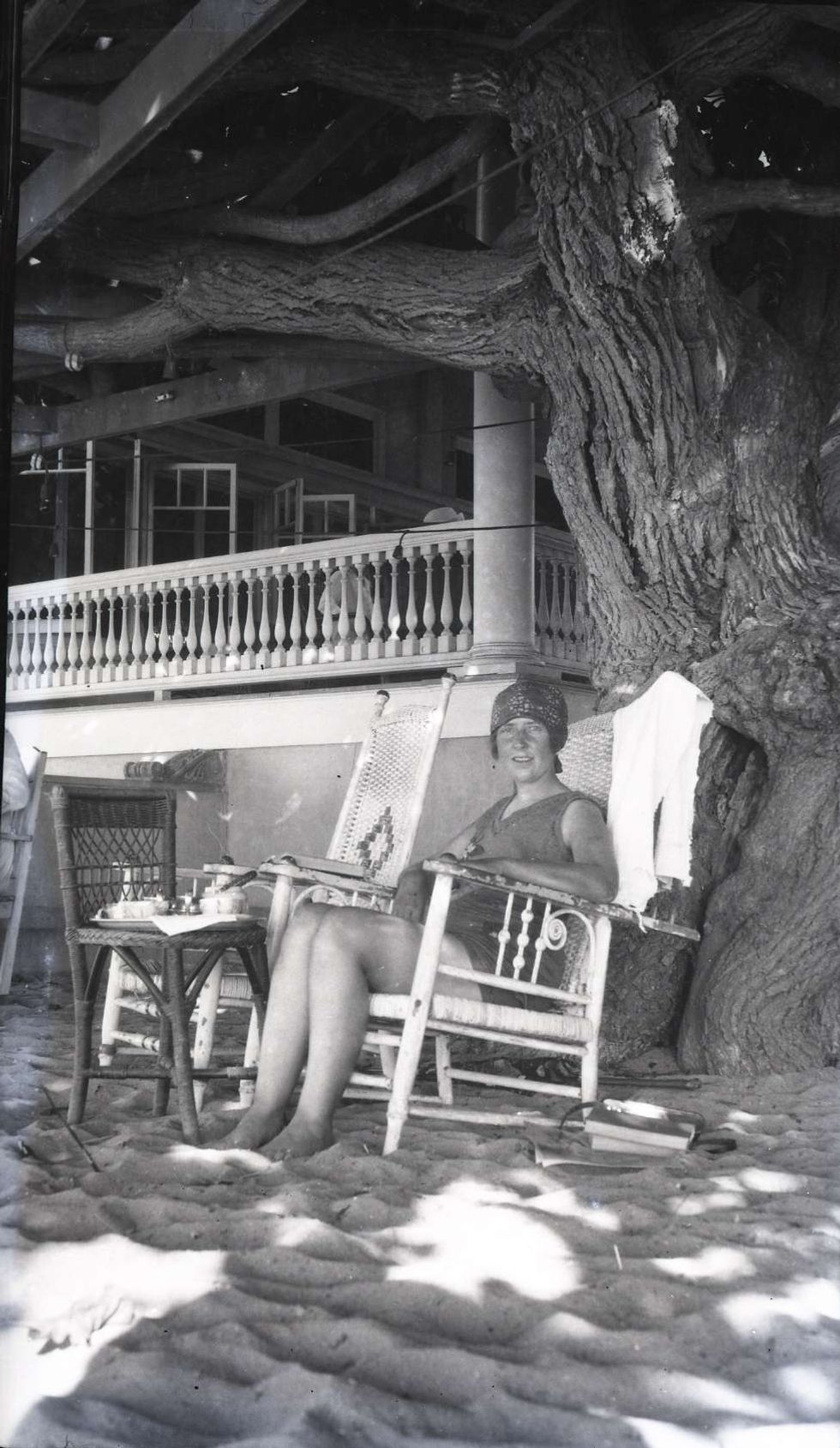 Agatha Christie under a tree on Honolulu beach after surfing, 1922. Agatha and her husband Archie were permitted to take a short holiday away from the 1922 trade mission and chose Honolulu where they learnt how to surf on longboards. Here Agatha purchased a surf suit in the local style, better suited to the demands of surfing than her swim attire for bathing in Torquay. The Christie Archive Trust
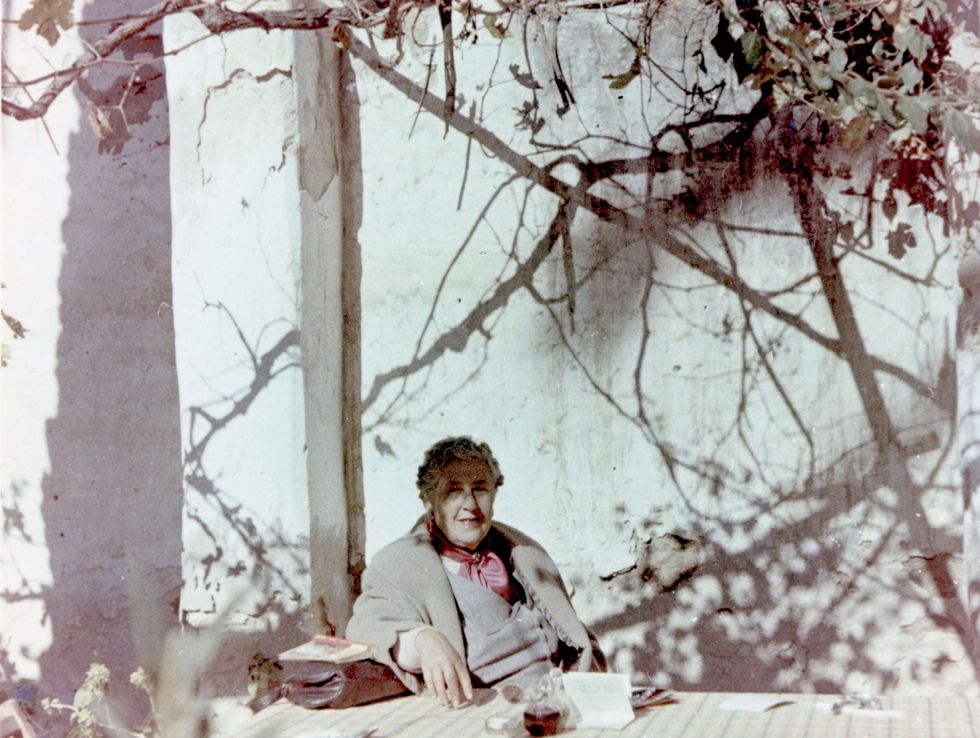 Agatha Christie relaxing during a sightseeing tour, Tajoura, Libya, 1955. Agatha and her second husband, archaeologist Max Mallowan had invited Agatha's daughter Rosalind and grandson Mathew to join them on a tour of the ancient sites of Leptis Magna and Sabratah during December 1955. The Christie Archive Trust
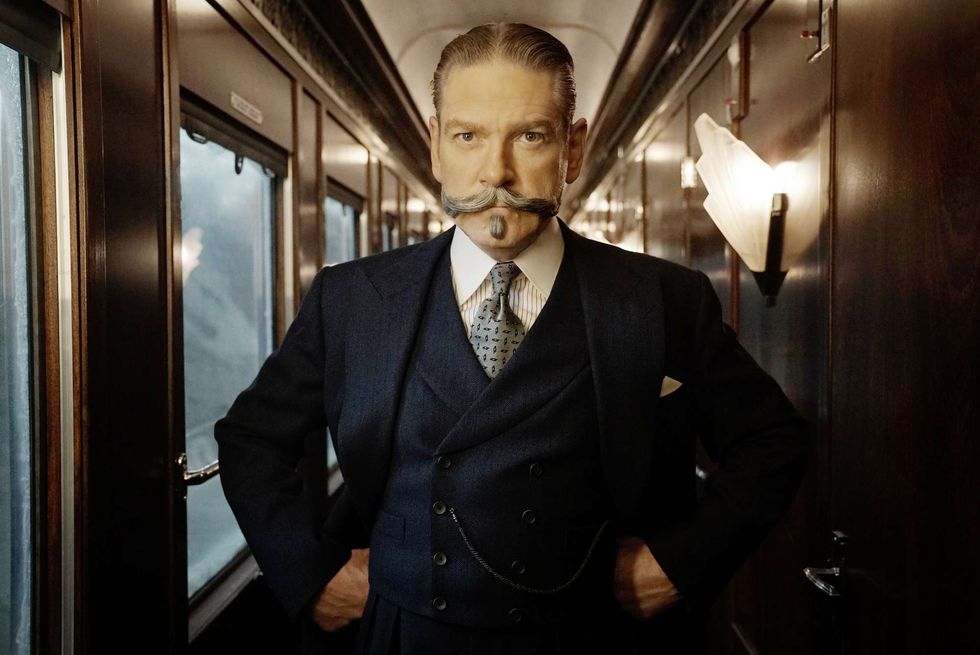 Kenneth Branagh as Hercule Poirot in Murder on the Orient Express, 201720th Century Studios
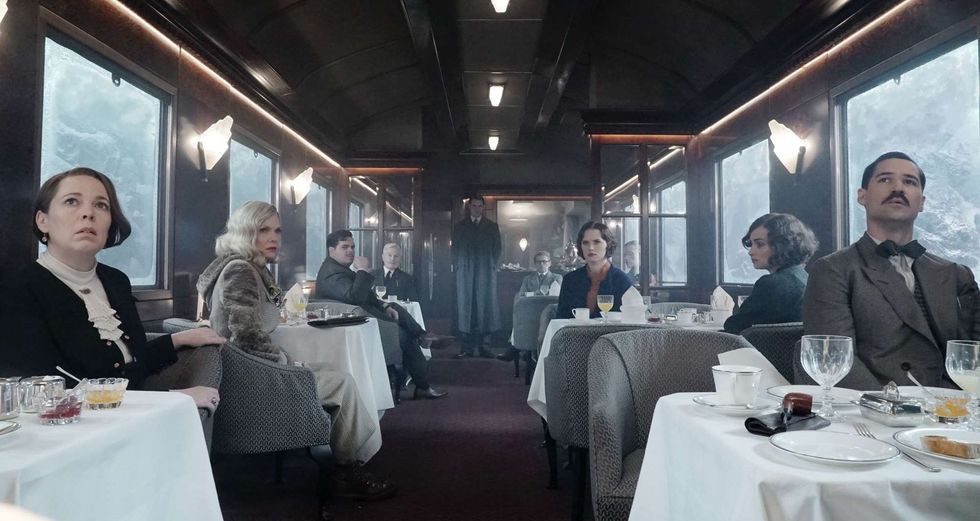 Still from Murder on the Orient Express, 201720th Century Studios
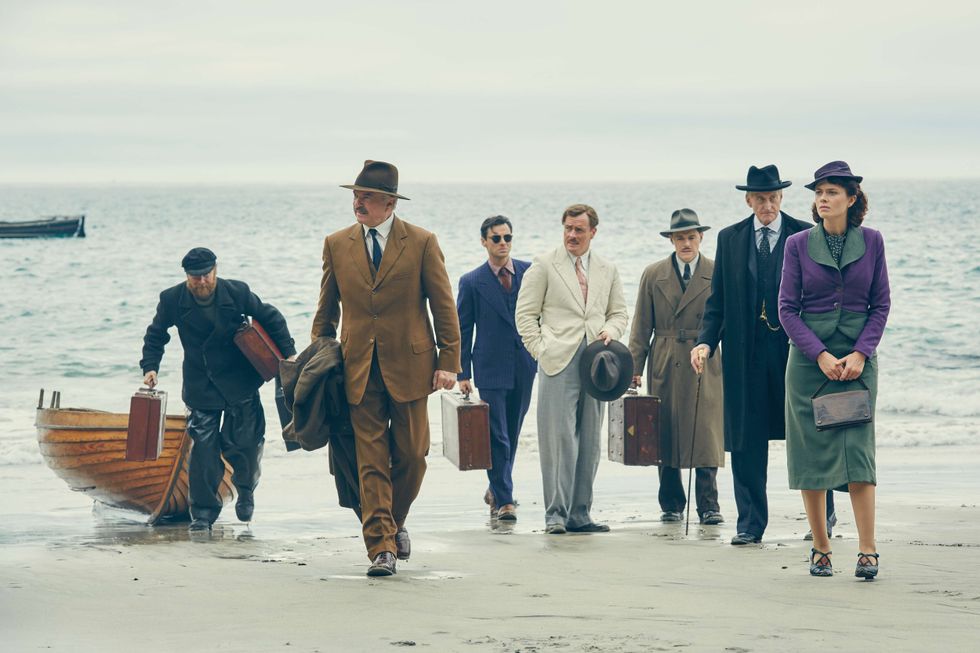 Still from And Then There Were None, 2015, BBC Agatha Christie Limited
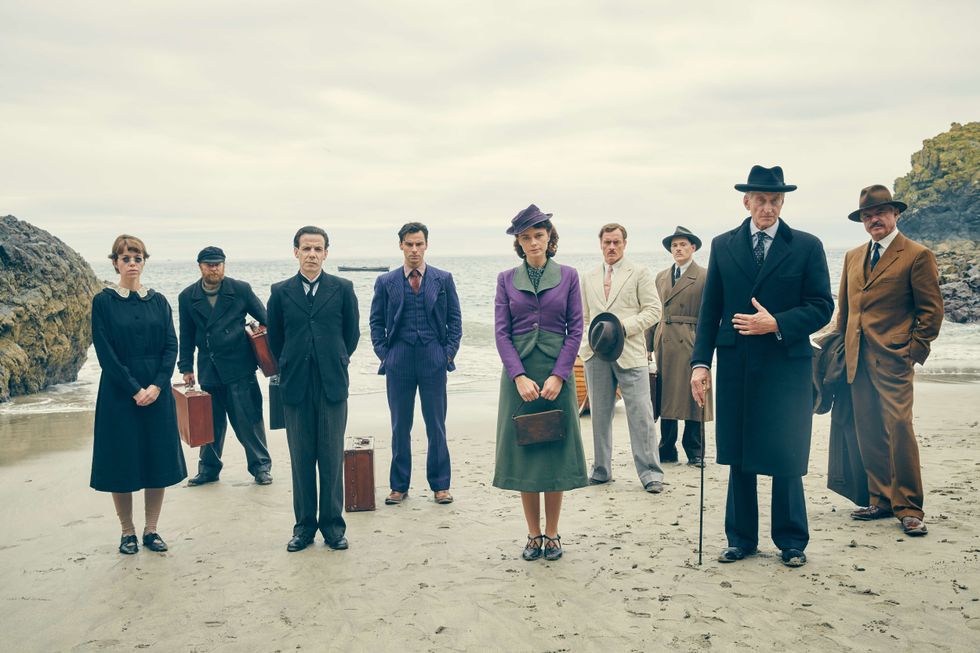 Still from And Then There Were None, 2015, BBCAgatha Christie Limited
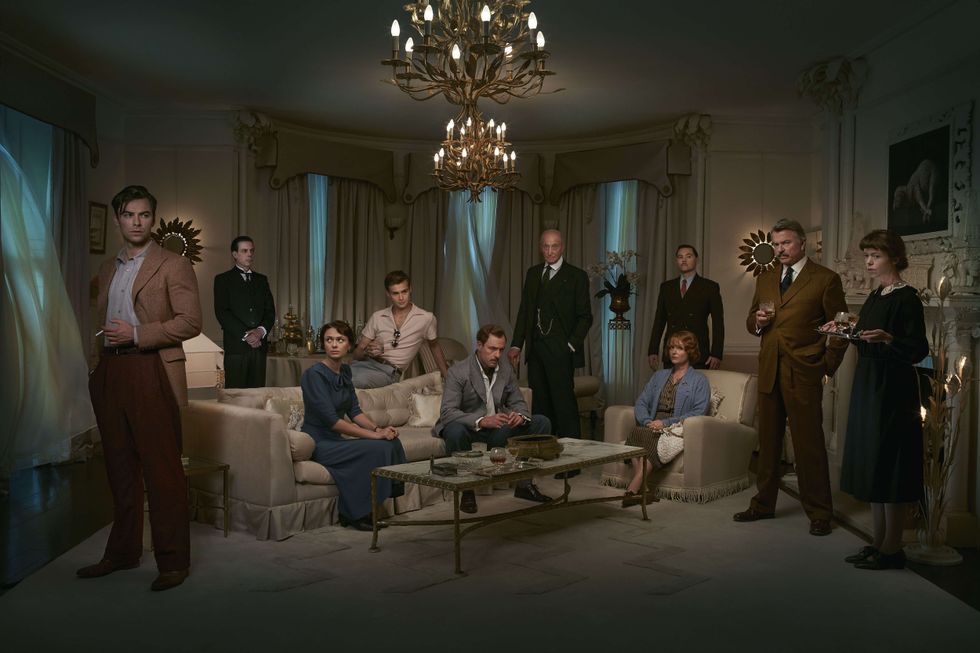 Still from And Then There Were None, 2015, BBCAgatha Christie Limited
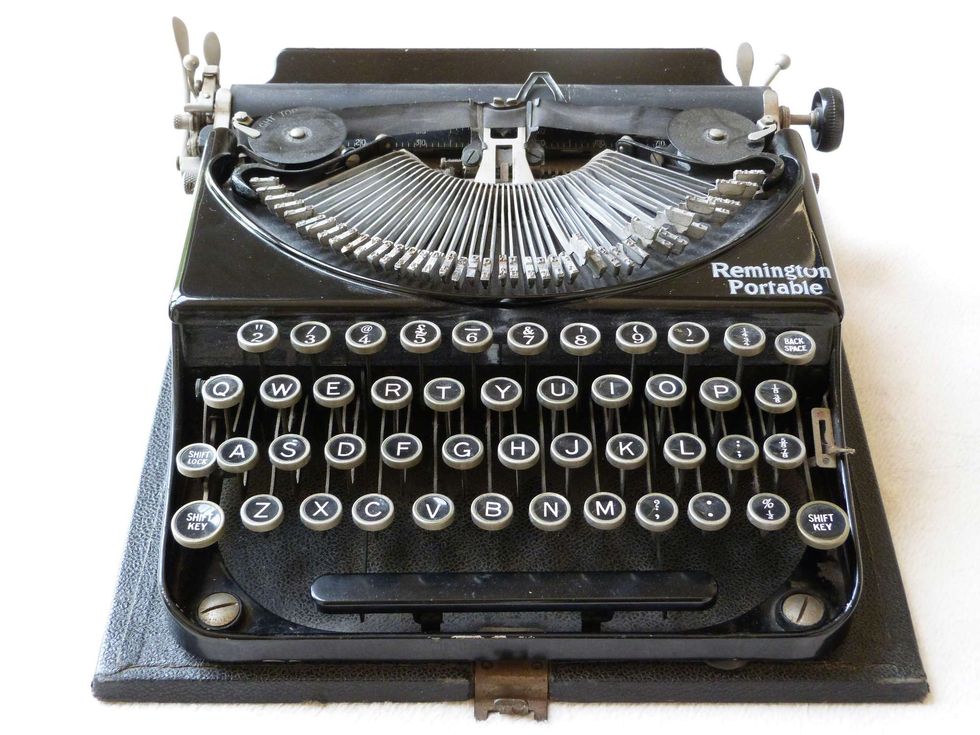 Agatha Christie’s Remington typewriter from 1937 The Christie Archive Trust
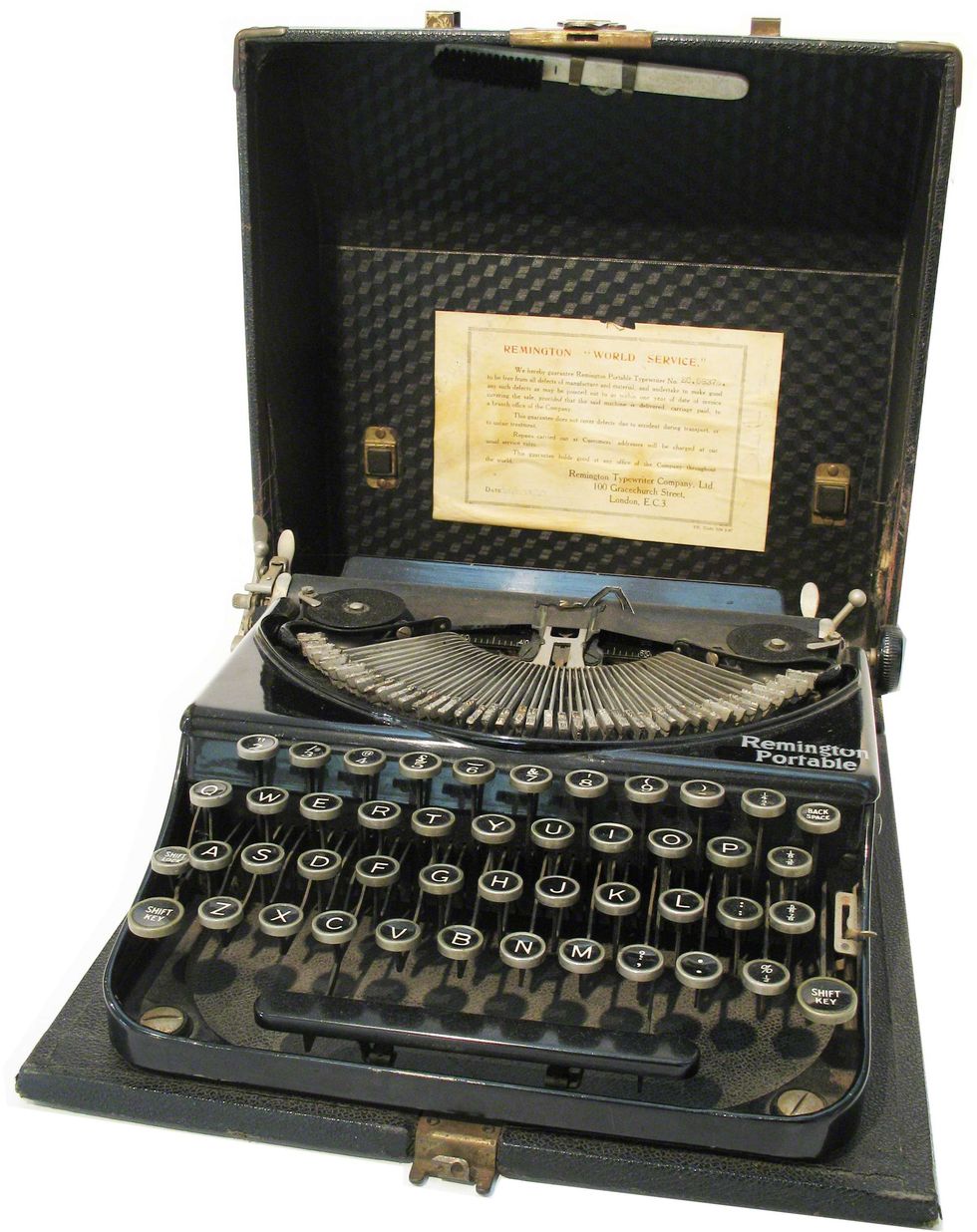 Agatha Christie’s Remington typewriter from 1937The Christie Archive Trust
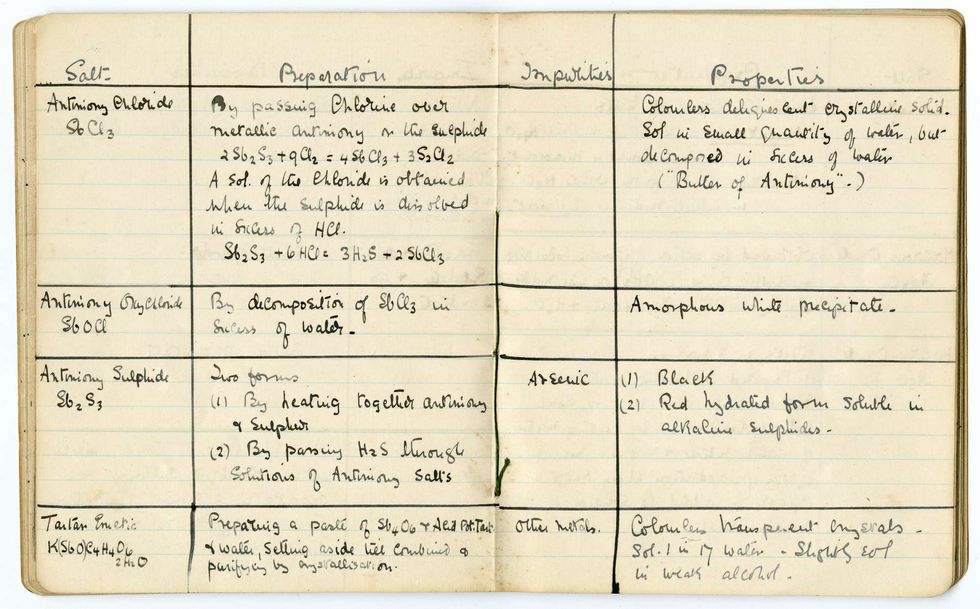 Agatha Christie’s study notes for her pharmaceutical exam taken in 1917The Christie Archive Trust
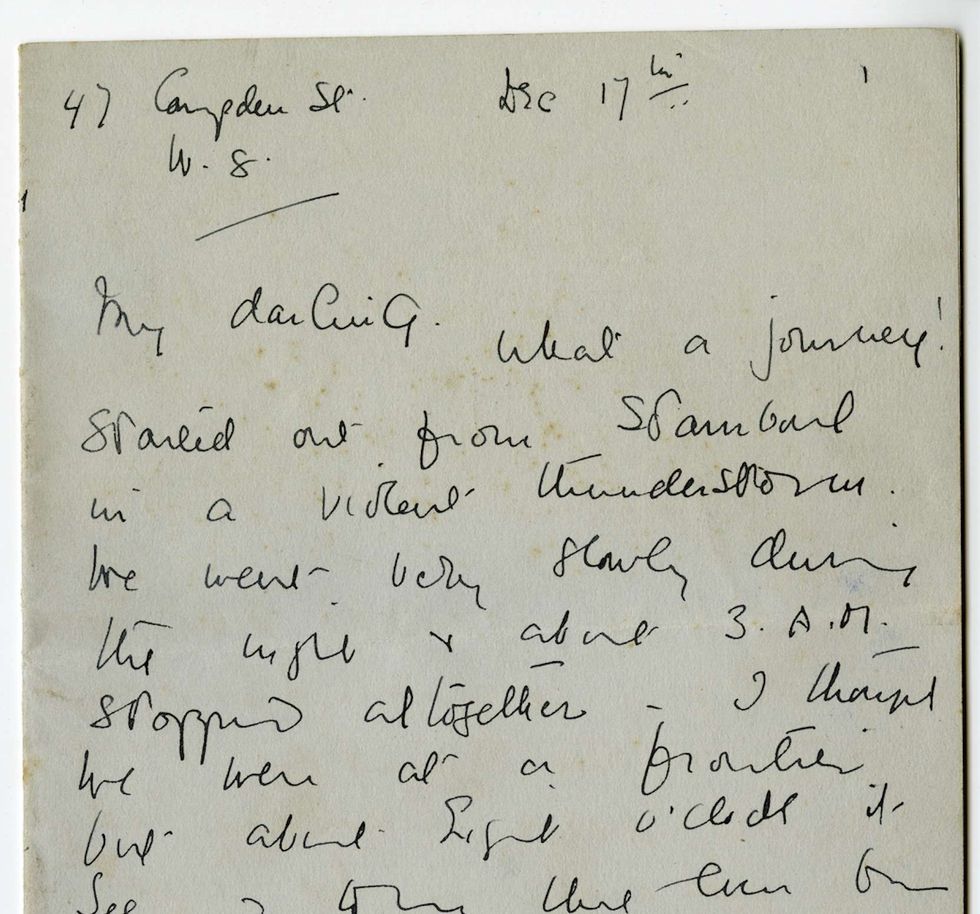 Letter from Agatha Christie to her second husband Max Mallowan, in December 1930. Agatha writes to Max describing her return home from their honeymoon, on the Orient Express. Documenting how the train had been halted by floods and her fellow travellers' reactions, this event would inspire her to write Murder on the Orient Express a few years later.The Christie Archive Trust
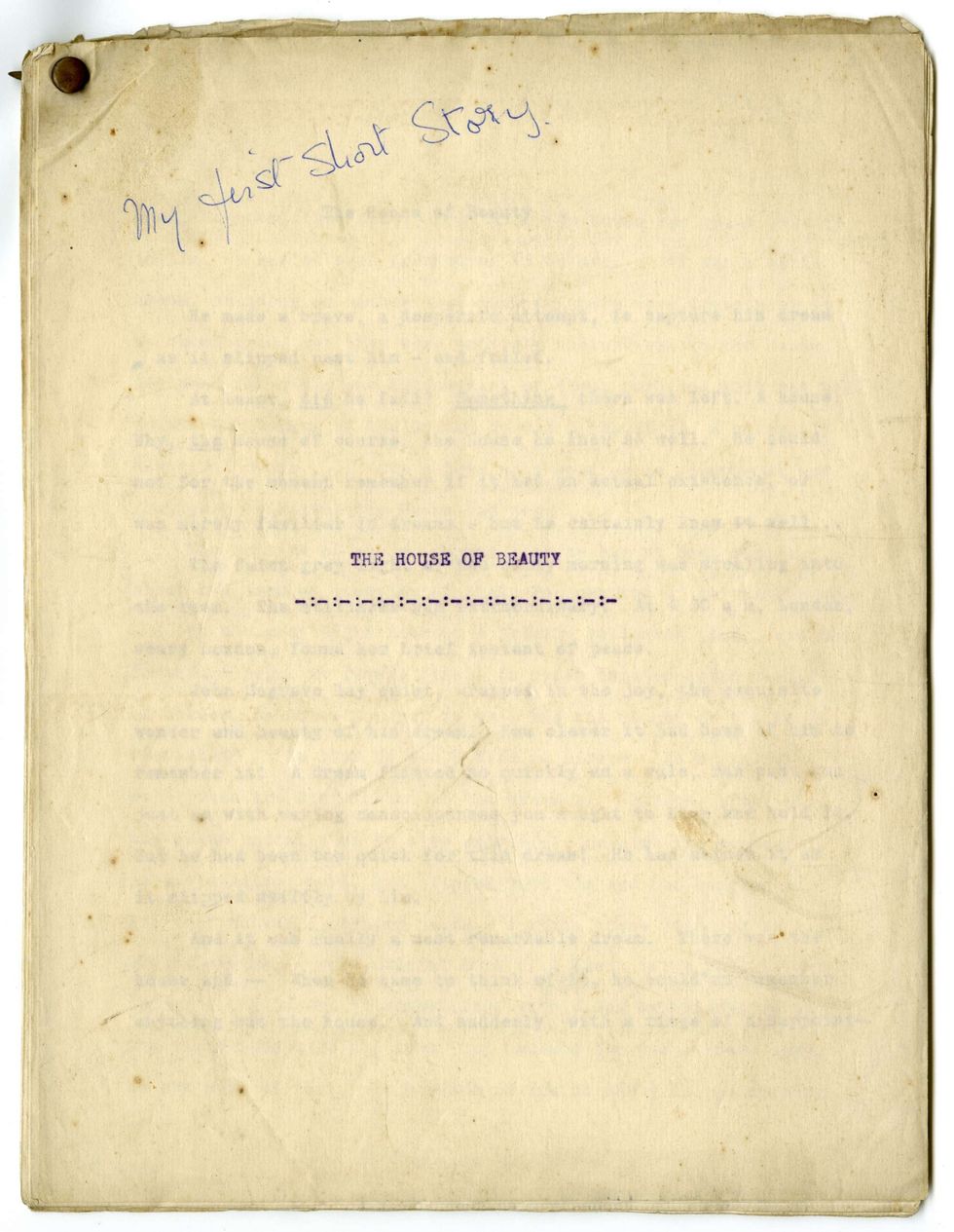 Cover of typescript ofHouse of Beauty, Agatha Christie’s first short story written when she was just a teenager.The Christie Archive Trust
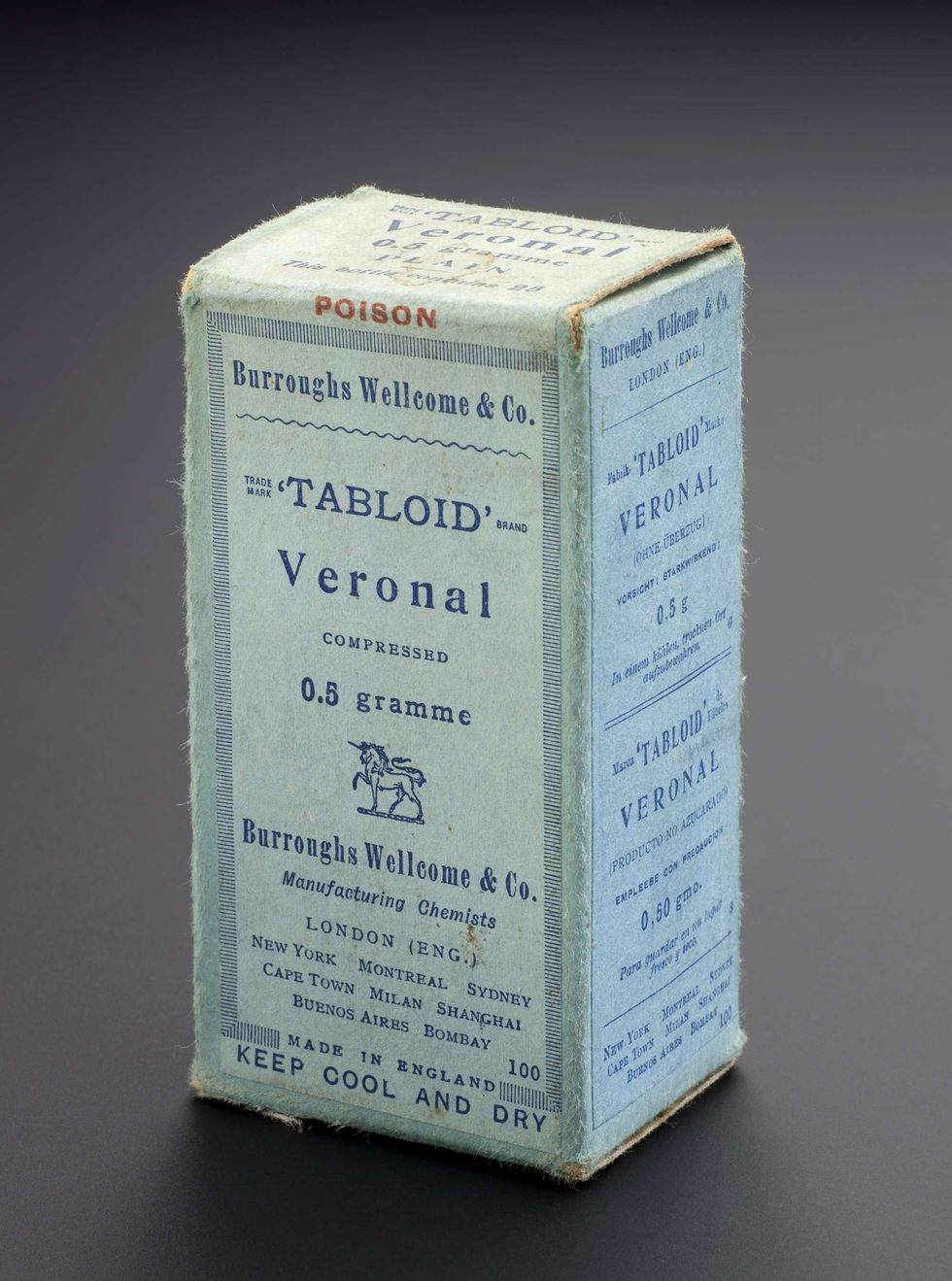 Box for Tabloid Veronal tablets,1910-1940 Science Museum Group
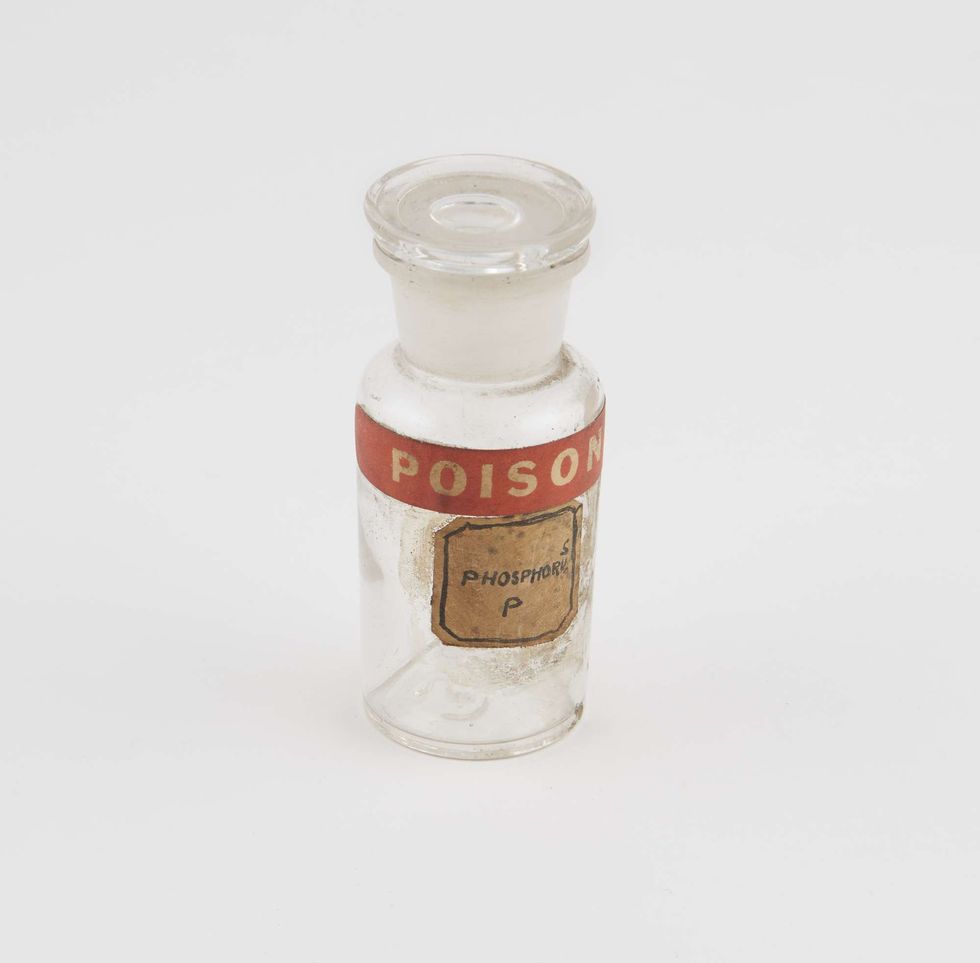 Chemical storage bottle and glass stopper, labelled ‘POISON phosphorus P’,1907-1912Science Museum Group
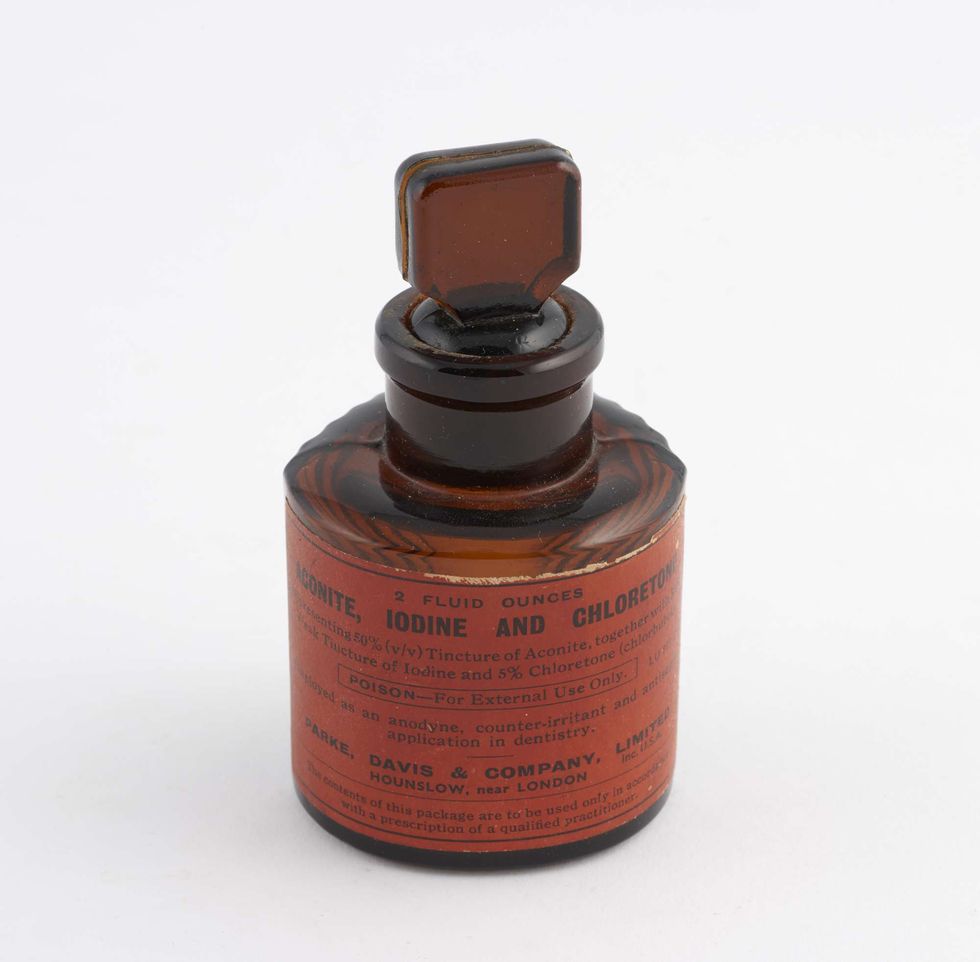 Empty poison bottle for aconite, iodine and chloretone solution,1925-1960Science Museum Group
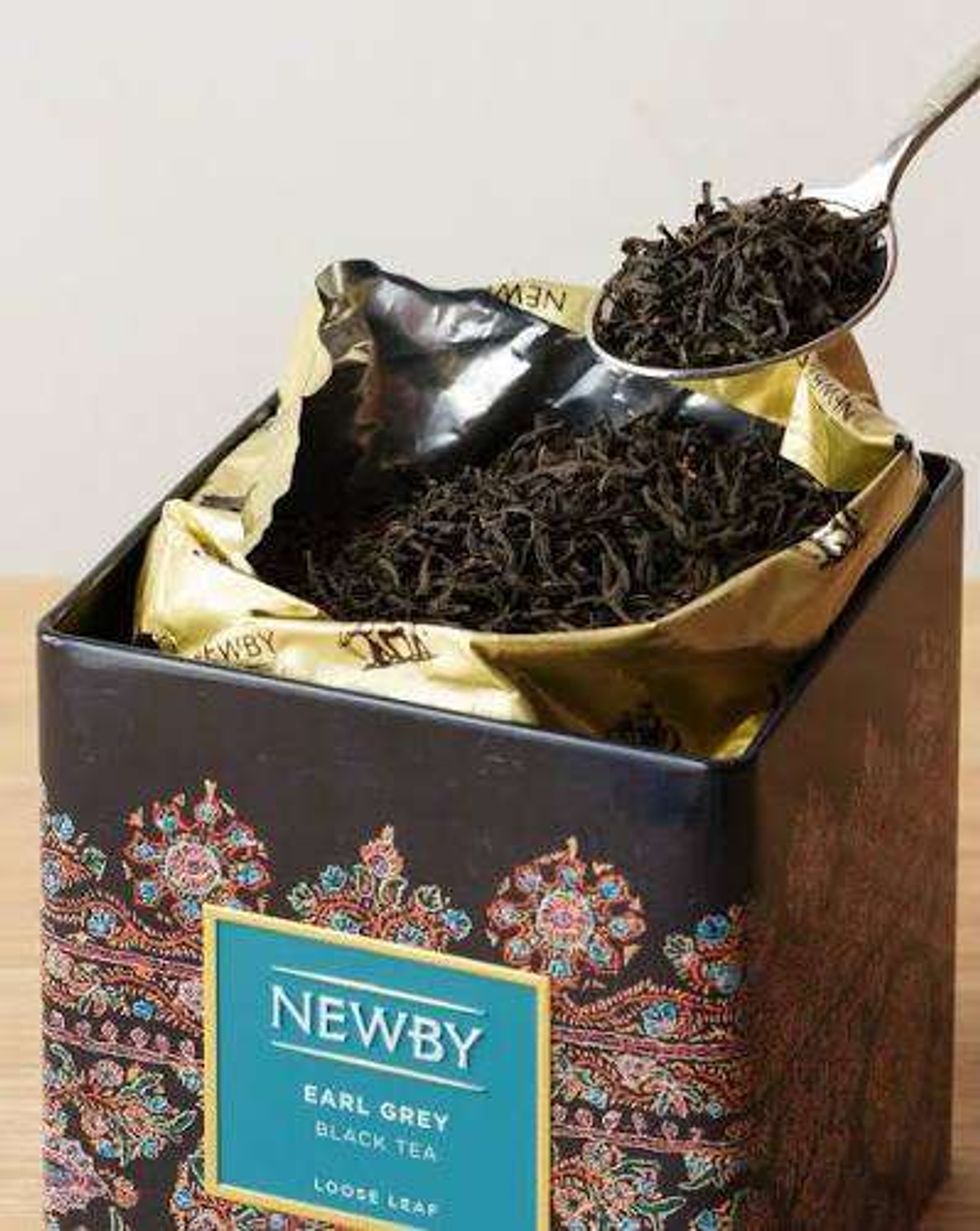 Newby Teas
