
Skip to content
Search

Latest Stories

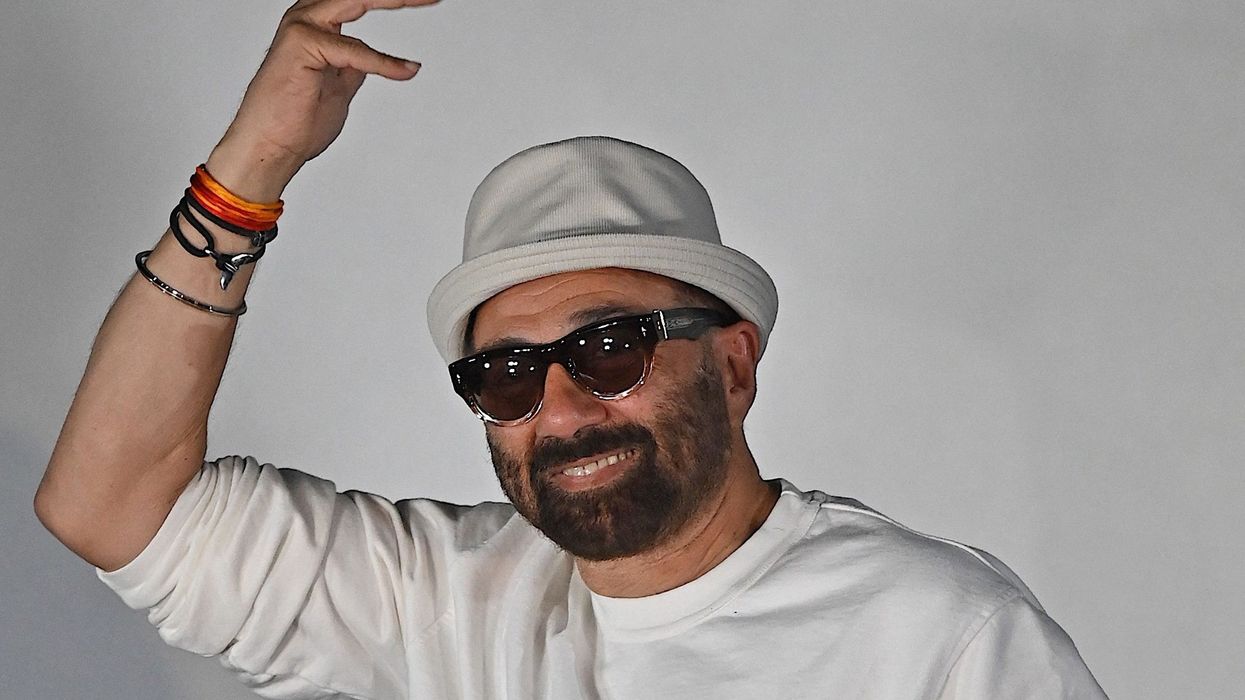
Sunny Deol reveals he was dyslexic as a child

Deol is presently basking in the riotous success of his latest release Gadar 2. 

Sunny Deol reveals he was dyslexic as a child

Bollywood star Sunny Deol, who is presently basking in the riotous success of his latest release Gadar 2, has revealed that he was dyslexic as a child and would also often get “slapped” for not scoring well in studies.

“I was dyslexic as a child. Back then, we did not even know what that meant. I would get slapped, called duffer for not being able to study,” Deol revealed during a recent interview.


The actor further added, “Even now when it comes to reading, sometimes the words seem all jumbled up. Often people say to use a teleprompter (at public gatherings) but I refuse! I am like, ‘You tell me what to say, I will try to say it.”

The actor added that though being dyslexic was one aspect of his personality, he also had a “very high” IQ.

“Me being dyslexic never came up in conversation over the years. But it used to get difficult, initially, I would feel nervous to speak. Now, with age may be, I feel I have opened up more. But back in the day whenever someone would hand over the microphone to me, I would wonder, ‘Now what do I say?”

Also starring Ameesha Patel and Utkarsh Sharma in lead roles, Gadar 2 is a sequel to the all-time blockbuster Gadar, which released in 2001. The film, which hit screens on August 11, has netted over £45 million at the domestic box office.

Deol will next be seen in Zee Studios’ Baap.

More For You

Samir Zaidi

Two Sinners marks Samir Zaidi’s striking directorial debut

Samir Zaidi, director of 'Two Sinners', emerges as a powerful new voice in Indian film

Indian cinema has a long tradition of discovering new storytellers in unexpected places, and one recent voice that has attracted quiet, steady attention is Samir Zaidi. His debut short film Two Sinners has been travelling across international festivals, earning strong praise for its emotional depth and moral complexity. But what makes Zaidi’s trajectory especially compelling is how organically it has unfolded — grounded not in film school training, but in lived observation, patient apprenticeships and a deep belief in the poetry of everyday life.

Zaidi’s relationship with creativity began well before he ever stepped onto a set. “As a child, I was fascinated by small, fleeting things — the way people spoke, the silences between arguments, the patterns of light on the walls,” he reflects. He didn’t yet have the vocabulary for what he was absorbing, but the instinct was already in place. At 13, he turned to poetry, sensing that the act of shaping emotions into words offered a kind of clarity he couldn’t find elsewhere. “I realised creativity wasn’t something external I had to chase; it was a way of processing the world,” he says. “Whether it was writing or filmmaking, it came from the same impulse: to make sense of what I didn’t fully understand.”

Keep ReadingShow less