
Skip to content
Search

Latest Stories

Tata Steel seeks to reduce energy bills with new generator at Wales site

Tata Steel seeks to reduce energy bills with new generator at Wales site

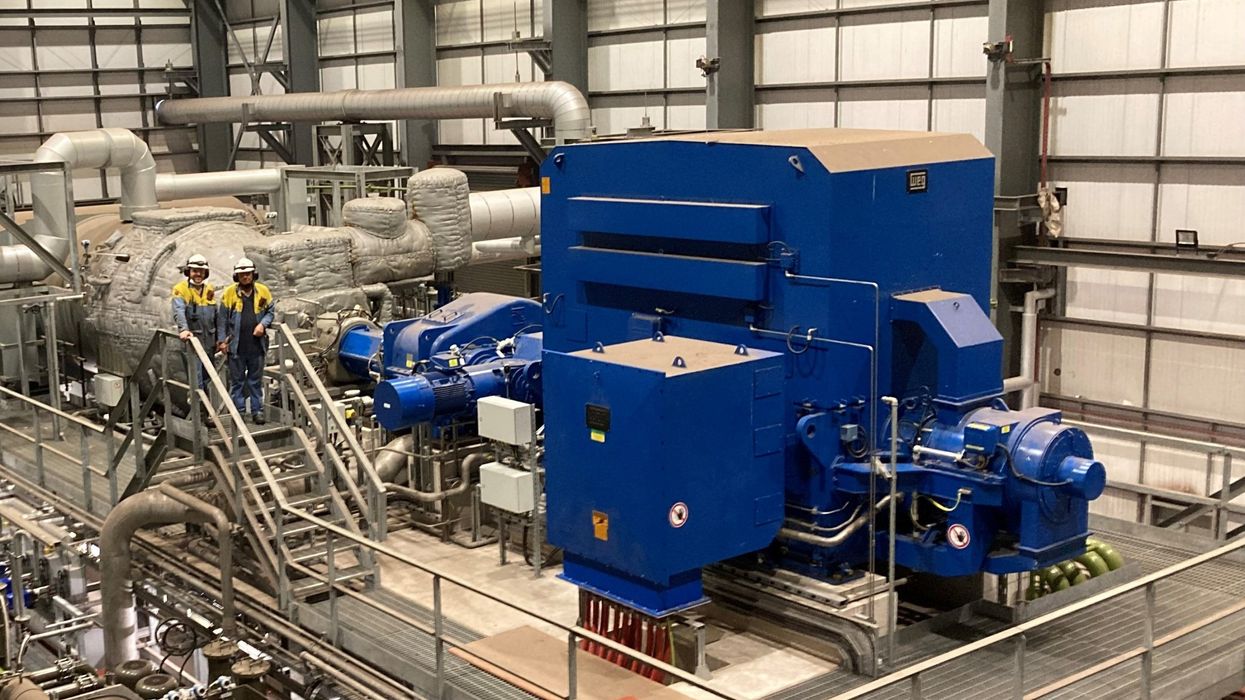
TATA Steel has installed a 30-megawatt generator at its Port Talbot site in South Wales, seeking to reduce its energy bills and cut carbon footprints.

Installed in a new turbine hall as part of a wider £37 million investment in the site’s power station, the generator helps convert more process gases from blast furnaces, steelmaking plant and coke ovens into energy.


While high fuel prices are eating into the profits of steelmakers globally, the investment by the Mumbai-headquartered company is expected to cut its energy bill by millions of pounds every year.

According to Tata Steel’s project manager Guy Simms, the investment effectively reduces its offsite carbon footprint by 43,800 tonnes of CO2 annually.

“Our on-site power plant uses process gases to heat water into steam, which then drives a turbine-like a propellor. This, in turn, drives an electrical rotor to generate our own electricity.

“We have a number of these turbo-alternators but not enough to use all the steam we can create. This latest addition, however, will make a step-change to our energy-generation capacity,” he said.

The project also included creating a newly landscaped area that has been planted with Kidney Vetch – the main food source of the UK’s smallest resident butterfly, the Small Blue.


More For You

UK business confidence

The IoD survey, conducted between 14 and 26 November among firms where two-thirds employ fewer than 50 people

Getty Images

UK services sector confidence plunges to three-year low, CBI says

Highlights

  • Services sector optimism falls to -50
  • Chancellor's £26 bn tax increase blamed for adding business costs.
  • Business sentiment remains near record lows despite marginal post-budget uptick.
Confidence in Britain's services sector has tumbled at the fastest rate in three years, with businesses citing mounting cost pressures and reduced profitability, according to the Confederation of British Industry (CBI).

The CBI's optimism index for services firms plummeted to -50 in the three months to November, down sharply from -29 in August. This marks the steepest decline, reflecting growing anxiety among business owners.

The organisation surveyed 398 firms between October (28) and November (13), capturing sentiment both before and after chancellor Rachel Reeves unveiled her autumn budget on November (26). The budget outlined £26 bn in tax rises, equivalent to approximately $34 bn.

Keep ReadingShow less