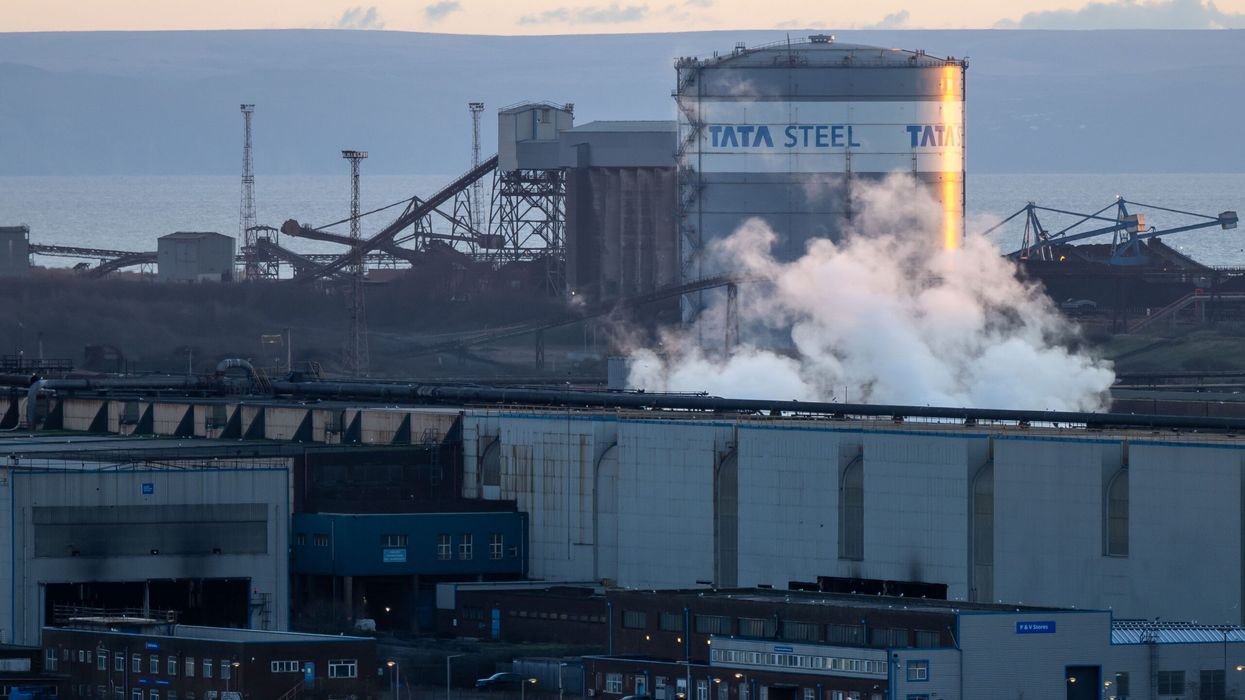

Workers at Tata Steel's facilities in Port Talbot and Newport Llanwern, Wales, have voted in favour of strike action in response to the company's proposal to close its blast furnaces and cut approximately 2,800 jobs.
This decision was announced on Thursday after around 1,500 employees participated in the ballot.
Tata Steel, headquartered in Mumbai, expressed its disappointment with the workers' decision to consider striking, especially during ongoing consultations. The company also raised concerns about what it described as "significant irregularities" in the voting process.
The Indian steel major has been clear about the necessity of its restructuring efforts, which include a shift to newer electric technologies, to keep the business viable. Despite this, the Unite trade union criticised the plans, calling them "disastrous" and stating that the workers do not support the proposed approach.
A Tata Steel spokesperson said, “We are naturally disappointed that while consultation continues, Unite Union members at Port Talbot and Llanwern have indicated that they would be prepared to take industrial action up to and including strike action if an agreement cannot be reached on a way forward for the business and its employees.”
The spokesperson further mentioned the company's communication with the union during the ballot, highlighting concerns over the voting process. Tata Steel has been engaging in a formal information-sharing and consultation process with trade unions since it announced in January its intention to invest GBP 1.25 billion in restructuring its UK operations.
“This investment is essential as much of our existing iron and steelmaking operation in Port Talbot is at the end of its life, is unreliable and inefficient,” the spokesperson added, emphasizing the critical nature of the restructuring for transitioning to electric arc furnace technology.
Despite the challenges, the company envisions a future focused on producing high-quality, low-CO2 steel from existing scrap materials in the UK, reducing the need to import raw materials.
Conversely, Unite the Union insists that alternatives exist, especially with political support. The union highlighted a promise from the Labour Party to invest GBP 3 billion in the UK steel industry, in stark contrast to the GBP 500 million committed by the current government.
Unite General Secretary Sharon Graham said, “This is a historic vote. Not since the 1980s have steelworkers voted to strike in this manner.” She criticised the company's threats to withdraw redundancy packages and pledged full support for the workers' fight to save steelmaking in Wales.
The union has announced that it will soon reveal the dates for the strike actions, promising they will be timed to maximise impact.
(PTI)