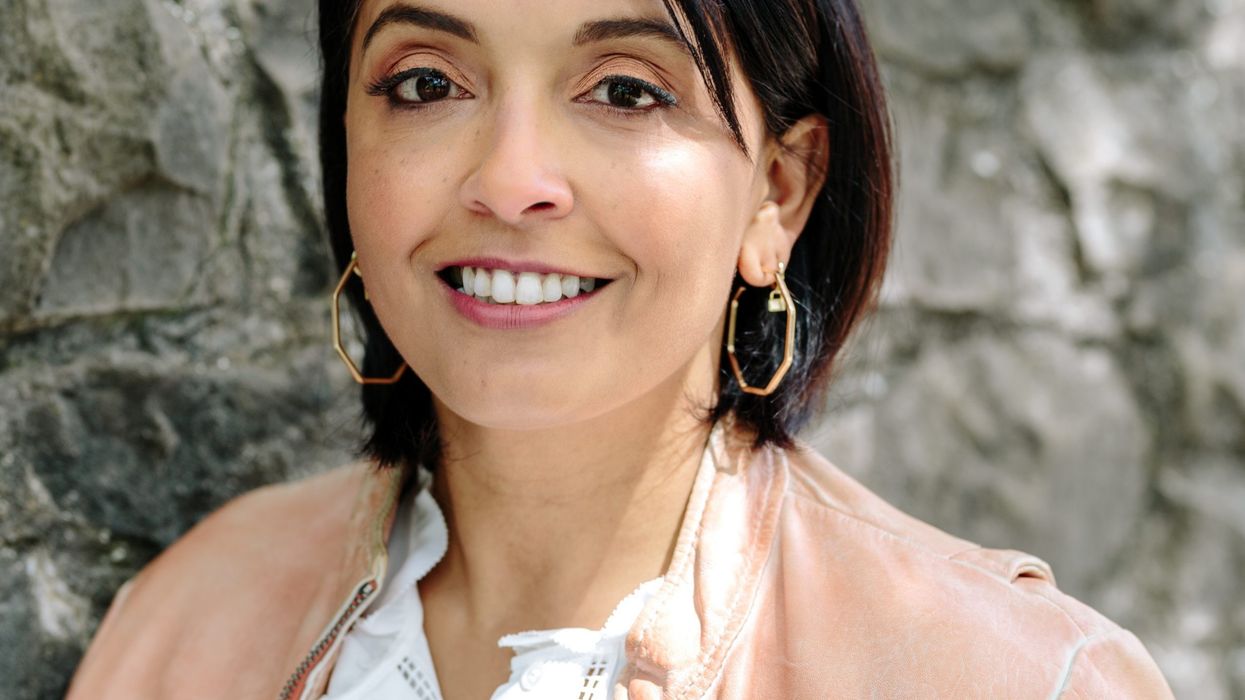

International Women’s Day is celebrated annually on March 8 in many countries around the world as an occasion to globally recognise women’s achievements, as well as for observing and highlighting gender inequalities and issues.
But, sadly, some people question this day or take no notice of it.
As a south Asian woman, born in the United Kingdom, I see the disparities in my community on how women are treated just because of their gender.
It’s imperative that the south Asian community marks International Women’s Day in their calendar – because we have by no means achieved gender equality.
Globally, gender disparity is stark. In 18 countries, husbands can legally prevent their wives from working. In 39 countries, daughters and sons do not have equal inheritance rights. And 49 countries still lack laws protecting women from domestic violence.
Around the world, one in three women have experienced gender-based violence. And it’s been estimated that it will take almost a century to close the gap between women and men in politics, economics, wealth and education.
Gender inequality isn’t just a global problem - there are scary figures that apply across the UK. In this country, women are less likely to be employed full-time than men; women make up less than a third of members of parliament and only 35 per cent of board members are women.
And the gender issues are even more glaring in the south Asian community – it’s estimated that there are up to 17,000 incidents of honour-based abuse which predominantly affects south Asian communities.
In 2020, the Forced Marriage Unit supported 759 cases related to a possible forced marriage and/or possible female genital mutilation. Of these, 80 per cent of were female victims and almost 60 per cent were from south Asian backgrounds.
It’s horrifying to think that women and girls in our community are still unable to reach their full potential because they’re being controlled by their family members.
We have to educate our families, with generations changing I hope there will be changes made to the way girls are treated in their families.
Only time will tell, but we need to do something about it.
So, let’s use International Women’s Day to take action, to change things for our sisters and daughters and friends. And this call to action is for men too, of course. Let’s call misogyny out and break down gender divides in the south Asian community.
Join a campaigning organisation like Amnesty International which, with support from the players of the Peoples’ Postcode Lottery, advocates for women’s rights in the UK and around the world. Or simply celebrate the women that make your life better.
For all those who identify as women, they deserve much more than a day, but one thing is clear – we definitely still need it.





Netanyahu faces backlash for calling Britain ‘Islamic Republic’