
SEEING the word “death” in the title of this column might evoke a range of thoughts.
Is Priya getting married? Erm, no! Is Priya dying? Definitely not. I am fitter than ever since drinking less, getting a personal trainer, and adopting a healthier diet. However, I do often think about death. Those who read my column will know I have never shied away from difficult topics.
I have not been thinking about death in a negative way. My best friend Bharti and I often discuss how we want to be celebrated and the wishes we have after our souls have left. I want to leave a legacy and believe I have accomplished this to some extent through my writing.
After hearing about an increasing number of people my age falling ill or passing away, I came across an online article about the regrets people have when dying. It made me reflect on the topic in more depth.
The article covered many areas, but a couple of points particularly resonated with me. The first was people regretting not telling others how they felt. I wish I had told people I love them more. I did not tell those I was in relationships with that I loved them enough. Now, if I like someone, they know! (Do not forget to tell your parents and best friend how much they are loved – it will make their day.)
Another key point from the article was that people wished they had done more for themselves and lived the happy life they always wanted. Often, our lives revolve around family, children, work, and everyday challenges, but how often do we prioritise the things that genuinely bring us joy?
Especially if you are a parent, have caring responsibilities, or a demanding job? Life has taken over for me recently, leaving little time to pursue one of the things that brings me joy – writing. Sometimes, no matter how hard you try or how much you want to, you simply cannot make time. In those moments, which can feel overwhelming and frustrating, take a step back and remind yourself that this is just a phase, and it too shall pass.
For 2025, let us do what makes our souls happy. Tell that boy or girl you like them. Go for that less demanding job that allows you to pursue your dreams. Hire a cleaner to save yourself three hours of tidying up each week. Ask for help from friends and family when you need someone to look after your children. Whatever makes life easier, do it. And do it for you.
As Marcus Aurelius said, “It is not death that a man should fear, but he should fear never beginning to live.”



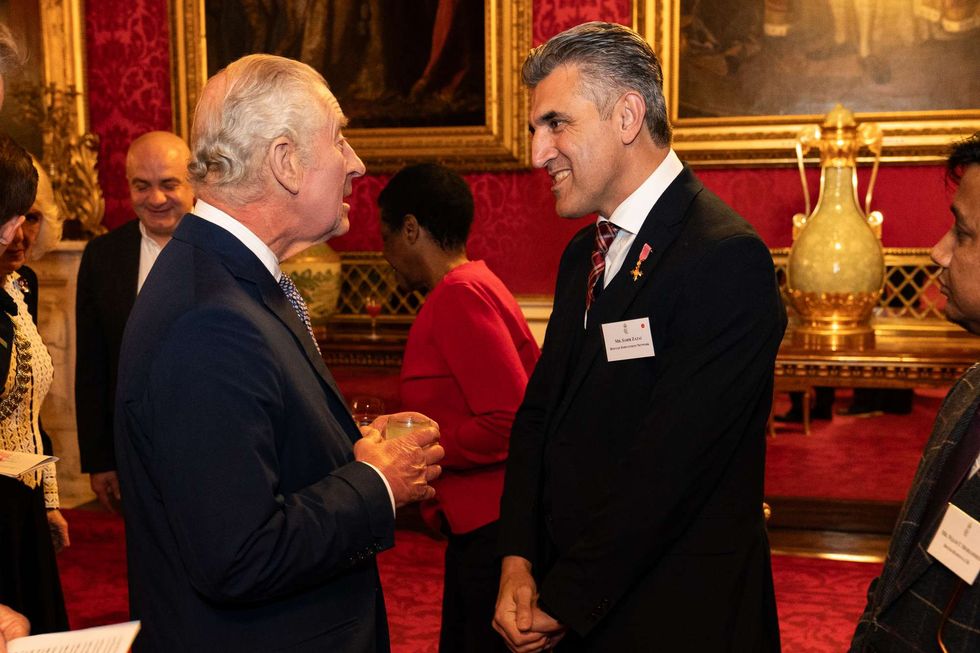 Sabir Zazai (right) speaks with King Charles III during a reception at Buckingham Palace to recognise the UK's contribution to humanitarian efforts across the world and to mark 60 years of the Disasters Emergency Committee on November 8, 2023 in London, England.Getty Images