US president Donald Trump on Wednesday (17) hailed the arrest in Pakistan of the firebrand cleric believed to be the mastermind of the deadly 2008 Mumbai attacks, who had been declared a global terrorist by Washington.
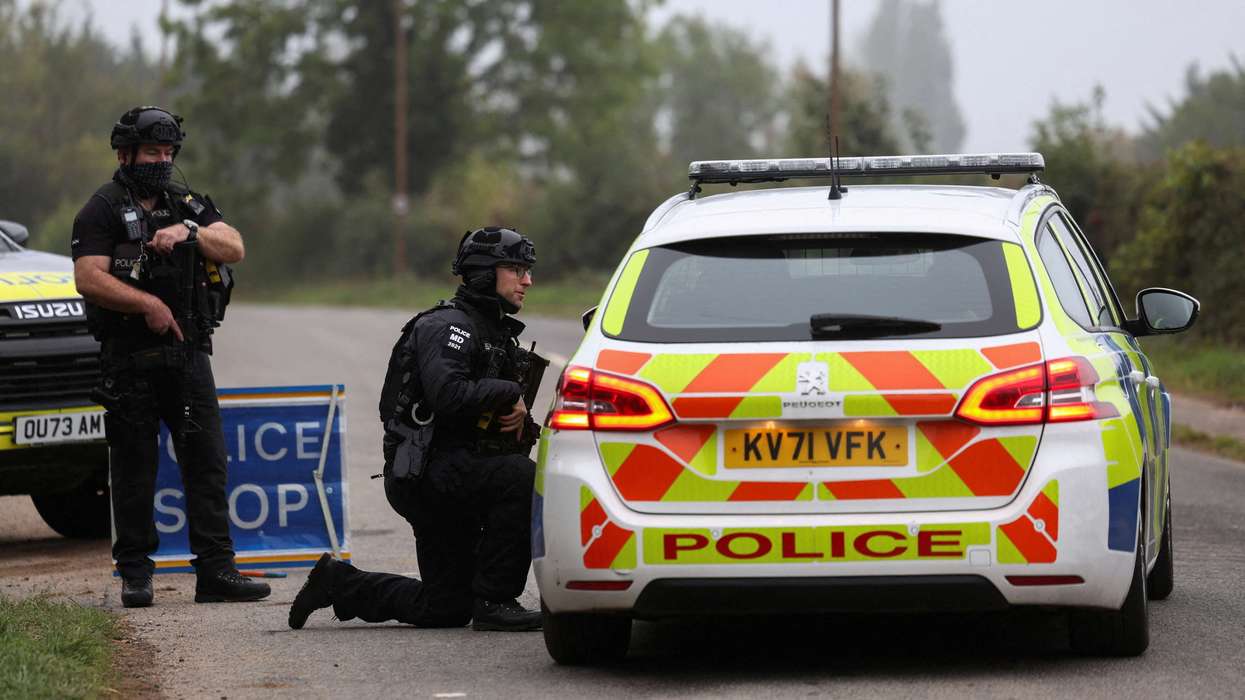
Hafiz Saeed -- who had a $10 million US bounty on his head -- was taken into custody earlier in the day following a raid by counter-terrorism forces in the eastern Pakistani city of Gujranwala.
"After a ten-year search, the so-called 'mastermind' of the Mumbai Terror attacks has been arrested in Pakistan. Great pressure has been exerted over the last two years to find him!" Trump tweeted.
The arrest came days before Pakistani prime minister Imran Khan is due to meet Trump at the White House.
Relations between the historic allies have plummeted in part due to the Trump administration's demands that Pakistan do more to contain extremists.
The top US diplomat for South Asia called for Pakistan to ensure the prosecution of Saeed, who has spent years in and out of varying forms of detention.
"A full and expeditious prosecution for his involvement in numerous acts of terror, such as the Mumbai attacks that killed 166 people, including six Americans, is necessary," said Alice Wells, the acting assistant secretary of state for South Asia.
"The victims of terrorist attacks deserve justice," she wrote on Twitter.