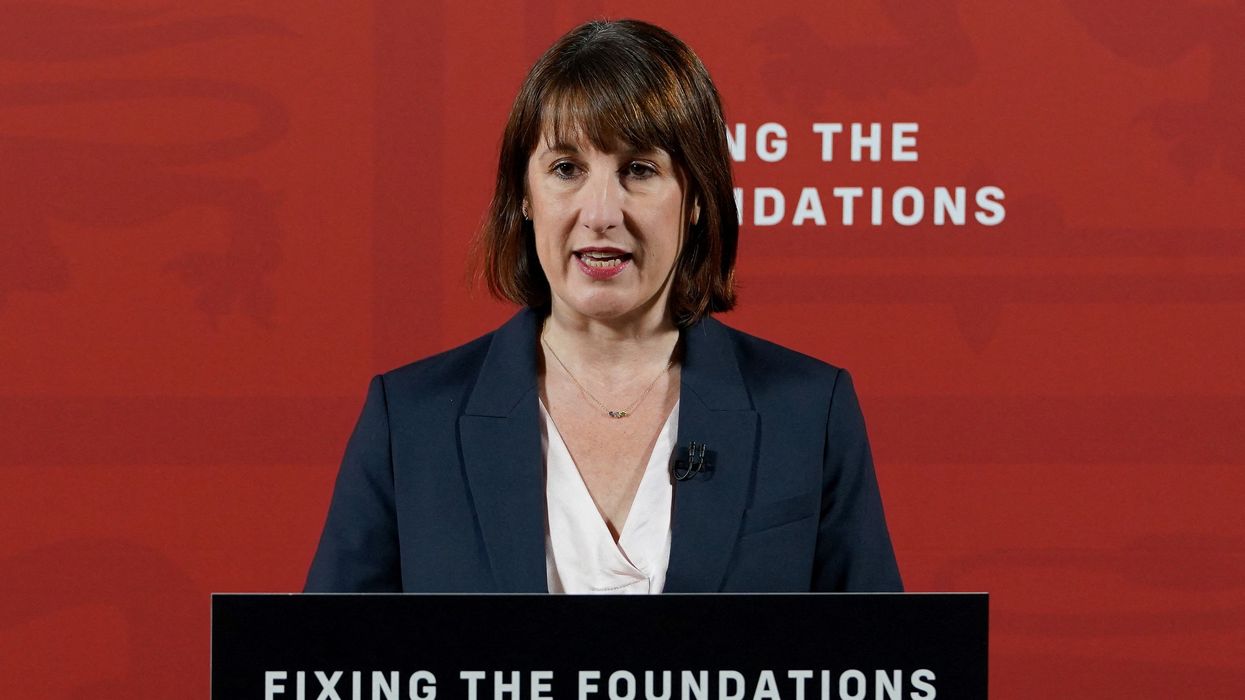

RACHEL Reeves informed Parliament on Monday that she will present her first annual budget on October 30.
This budget will outline new tax and spending plans, provide fresh fiscal and economic forecasts from the independent Office for Budget Responsibility, and set revised bond issuance targets from the UK Debt Management Office.
The previous budget was delivered by Conservative chancellor Jeremy Hunt on March 6.
The chancellor said that the Conservatives had left the worst economic legacy since World War Two and detailed areas where she claimed they had overspent or failed to budget appropriately.
In June, British public sector net debt reached 99.5 per cent of annual economic output, the highest level since the early 1960s.
The government's preferred measure, which excludes debt related to Bank of England operations, puts it at 91.6 per cent.
This debt level places Britain mid-table among the Group of Seven large, advanced economies.
The budget deficit for the 2023/24 financial year was 4.5 per cent of GDP, the lowest since the start of the pandemic and significantly below the 10.3 per cent during Labour's last full fiscal year in government in 2009/10.
Taxation as a share of GDP is at its highest level since the late 1940s.
(with inputs from Reuters)